






Introduction: A Routine Night Turned Catastrophic
In the quiet corridors of the Pakistan Institute of Medical Sciences (PIMS) in Islamabad, the late-night shift is usually defined by the rhythmic hum of medical equipment and the soft cries of the vulnerable. For Razia Noreen, a dedicated nurse, the night of August 26 began as any other: with the meticulous care of 15 newborns resting in the hospital’s nursery.
That tranquility was shattered in an instant. While Noreen and her colleagues were in an adjacent room preparing life-saving injections, a sudden, violent eruption of fire transformed the nursery into an inferno. In the span of a few heartbeats, a standard medical ward became a site of unimaginable horror. What followed was a display of raw human courage—a fleeting eight-second window that would define the rest of Noreen’s life and etch her name into the national consciousness as a beacon of selfless devotion.
A Chronology of the Eight-Second Rescue
The tragedy unfolded with terrifying speed. According to official CCTV footage recovered by investigators, the fire began in the nursery, fueled by equipment that would later be identified as the source of a catastrophic ignition.
Noreen, upon noticing the tell-tale flickering of flames and the rising tide of thick, acrid smoke, dropped her medical supplies without a second thought. She did not retreat; she surged forward. As the footage shows, she plunged into the heart of the nursery. Amidst the chaos and the encroaching heat, she located one newborn. Shielding the infant against her chest with her own body to act as a barrier against the searing heat and toxic fumes, she sprinted back out.
The entire rescue mission—her entry, the location of the child, and her emergence into the hallway—lasted exactly eight seconds. After handing the infant to a waiting doctor, she turned back, determined to re-enter the inferno to save the remaining 14 children.
However, the nursery had already succumbed to a "catastrophic deterioration." The air was no longer breathable, and the flames had blocked the path. Alongside another colleague, Noreen dropped to the floor, attempting to crawl beneath the billowing smoke, but the intensity of the heat forced them back. By the time they were pushed away by the sheer wall of fire, the silence that followed was absolute. Within minutes, the realization dawned that the other 14 newborns had perished. Noreen, having saved the sole survivor, collapsed in a state of profound shock.
The Human Cost: A Legacy of Trauma
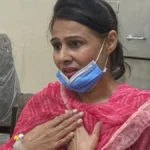
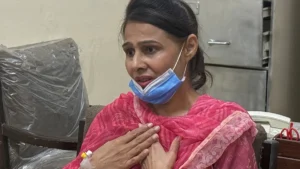
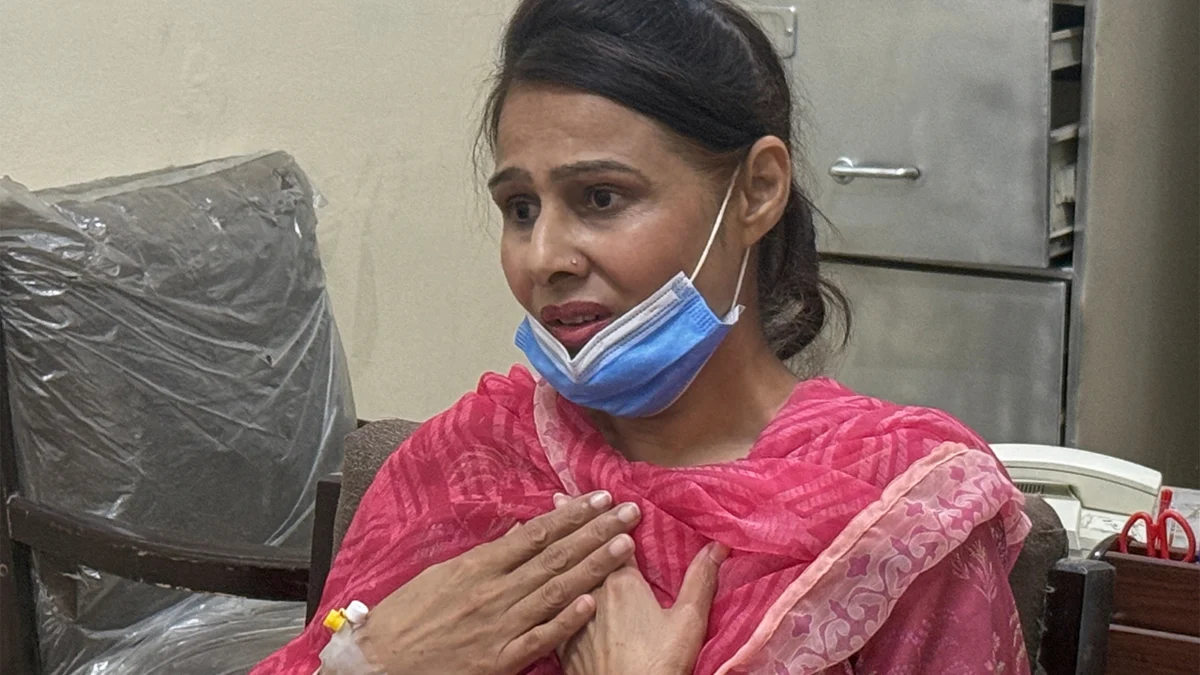
While the nation hails her as a hero, the reality of the aftermath for Razia Noreen is one of deep, lingering trauma. In her first international interview, conducted from the hospital staff hostel, Noreen spoke with a heavy heart, her voice frequently breaking.
"The deaths of those children have traumatized me," she confessed. Suffering from a high fever and the physical toll of smoke inhalation, she described how the memory of the nursery haunts her every waking moment. "Those babies do not let me sleep," she said. She struggles with the haunting echoes of what she describes as the children’s cries, which she feels she can still hear in the silence of the night.
For Noreen, the distinction between being a "hero" and being a "mother" is non-existent. As a member of Pakistan’s Christian minority, she has received widespread praise across religious and political divides, but she rejects the label of heroism. To her, her actions were not an extraordinary feat, but a moral imperative. "Can any mother watch a child burning in a fire?" she asked. "Mothers do not do favors for their children. It is their duty."
Supporting Data: Safety Failures and Official Inquiry
The tragedy at PIMS has sparked a rigorous government inquiry, revealing deep-seated systemic failures. While initial reports from hospital officials pointed toward an exploding air-conditioning unit, subsequent investigations identified a blast involving a medical nebulizer as the primary catalyst for the fire.
The government’s report was scathing, citing severe lapses in fire safety protocols and a lack of adequate emergency response measures. The fact that the nursery conditions "deteriorated catastrophically within approximately 2 minutes" points to a facility ill-equipped to handle an emergency of that magnitude.
In the wake of the findings, eight hospital officials have been suspended, and formal disciplinary proceedings have been initiated. The inquiry underscores a broader concern regarding the state of government-run healthcare facilities in Pakistan, where aging infrastructure and a lack of stringent safety inspections have left the most vulnerable—newborns—at unacceptable risk.
Official Responses and National Recognition
The government of Pakistan has moved quickly to recognize Noreen’s bravery, announcing that she will be awarded the Sitara-i-Khidmat (Star of Service), one of the country’s most prestigious civil awards. Additionally, a financial reward has been sanctioned to support her.
Prime Minister Shehbaz Sharif and other high-ranking officials have publicly lauded her, acknowledging that her instinctual decision saved a life that otherwise would have been lost. However, for Noreen, these accolades offer little solace. She emphasized that she did not act for money or recognition. "I did not care about my life," she noted, reflecting on the moment she entered the flames. "My mission was only to save lives. I did not think about my own safety for even a second."
Her message to the grieving families remains one of humble, heart-wrenching apology: "Please forgive me for not being able to save your babies."
Implications: The Need for Systemic Reform
The tragedy in Islamabad serves as a grim reminder of the fragility of life and the immense responsibility placed on healthcare workers in under-resourced environments. Beyond the celebration of Noreen’s courage, the incident has catalyzed a national conversation about the safety of public hospitals.
Medical experts and activists in Pakistan are calling for a complete overhaul of fire safety regulations in neonatal and intensive care units. This includes:
- Mandatory Fire Suppression Systems: Upgrading wards with modern, automated fire suppression technologies that can respond faster than human intervention.
- Equipment Audit: Conducting rigorous safety inspections on all electronic medical devices, specifically those involving heating elements or pressurized gases.
- Emergency Training: Implementing frequent, mandatory evacuation drills specifically designed for nursery environments, where patients cannot move themselves.
Noreen’s story is a testament to the resilience and dedication of the nursing profession, often the backbone of healthcare systems that struggle with limited funding. Her trauma is a shared burden, a reflection of the emotional price paid by those who provide care in dangerous conditions.
Conclusion: A Mother’s Heart in the Face of Fire
Razia Noreen’s story is defined by the intersection of profound tragedy and selfless bravery. In those eight seconds, she did not just save a life; she stood as a witness to the humanity that persists even when faced with the most catastrophic circumstances.
As she continues to recover, physically and mentally, her plea for forgiveness from the families of the victims highlights the immense emotional burden she carries. Her life, and the lives of the 14 infants who did not survive, have left an indelible mark on the hospital and the nation. While the Sitara-i-Khidmat will commemorate her service, the true legacy of the August 26 fire will be the urgent, necessary drive to ensure that no such tragedy ever occurs again—a fitting tribute to the lives lost and the nurse who dared to face the flames.