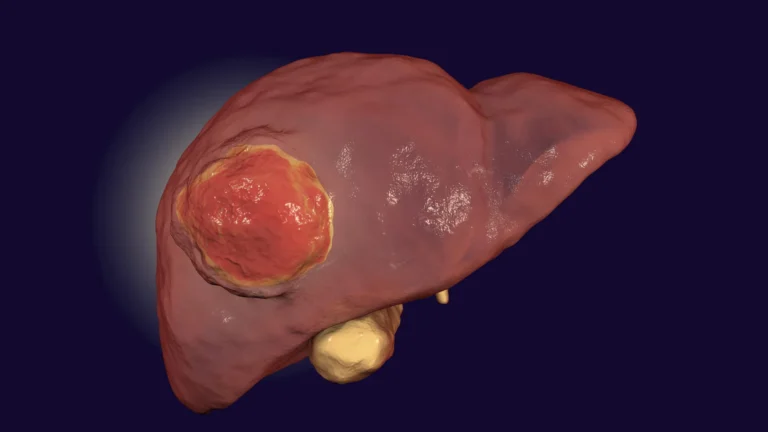











In a landmark study that blurs the lines between evolutionary biology and oncology, researchers at the Japan Advanced Institute of Science and Technology (JAIST) have uncovered a potential "silver bullet" for cancer treatment lurking within the gut of the Japanese tree frog (Dryophytes japonicus). The findings, recently published in the prestigious journal Gut Microbes, detail the discovery of a bacterium capable of systematically eradicating solid tumors in mice with a 100% response rate.
This discovery marks a paradigm shift in how scientists approach microbial cancer therapy. Rather than attempting to manipulate the broader gut microbiome—a complex and often unpredictable ecosystem—the JAIST team has successfully isolated, cultivated, and weaponized a single bacterial strain, Ewingella americana, to serve as a precise, tumor-seeking missile.
The Core Discovery: From Amphibian Gut to Oncology Lab
The research journey began with a question of biodiversity. Recognizing that wild amphibians harbor unique microbial communities to survive in diverse, often pathogen-rich environments, the team collected 45 distinct bacterial strains from the intestines of Japanese tree frogs, Japanese fire-belly newts, and Japanese grass lizards.
The screening process was rigorous. After cultivating these strains in a controlled laboratory environment, the researchers tested them for their ability to combat malignancy. Nine strains showed potential, but E. americana emerged as the clear frontrunner. When delivered intravenously into mouse models of colorectal cancer, the bacterium did not merely inhibit tumor growth; it eliminated the tumors entirely.
A New Frontier in Targeted Treatment
Historically, bacterial cancer therapy has been hampered by safety concerns—specifically, the risk of systemic infection or the inability of the bacteria to selectively target malignant tissues. This research circumvents these hurdles by utilizing the inherent biological properties of E. americana. As a facultative anaerobe, the bacterium thrives in low-oxygen environments. Because solid tumors are notoriously oxygen-deprived due to rapid, disorganized cellular growth, they provide a "safe haven" for the bacteria to flourish while leaving healthy, oxygen-rich organs untouched.
Chronology of the Breakthrough
The path from initial sampling to the publication of these findings represents years of meticulous investigation:
- Phase I: Biodiversity Prospecting: The research team conducted field studies to identify candidate bacteria from amphibian intestinal tracts, prioritizing species known for robust immune systems.
- Phase II: In Vitro Screening: The 45 isolated strains were subjected to high-throughput screening to assess their toxicity toward cancer cell lines versus healthy cells.
- Phase III: Mouse Model Validation: The top nine candidates were tested in live mouse models. Researchers monitored tumor volume, immune response, and systemic toxicity over a 60-day period.
- Phase IV: Mechanistic Analysis: Upon observing the 100% complete response (CR) rate with E. americana, the team conducted deep sequencing and histopathological analysis to understand exactly how the bacteria were killing the cancer cells.
- Phase V: Peer Review and Publication: The study underwent rigorous validation before appearing in Gut Microbes, providing a blueprint for future clinical translation.
Supporting Data: Why E. americana Works
The efficacy of E. americana is attributed to a "dual-attack" mechanism that simultaneously targets the tumor directly and rallies the body’s internal defenses.
1. Direct Oncolysis and Rapid Proliferation
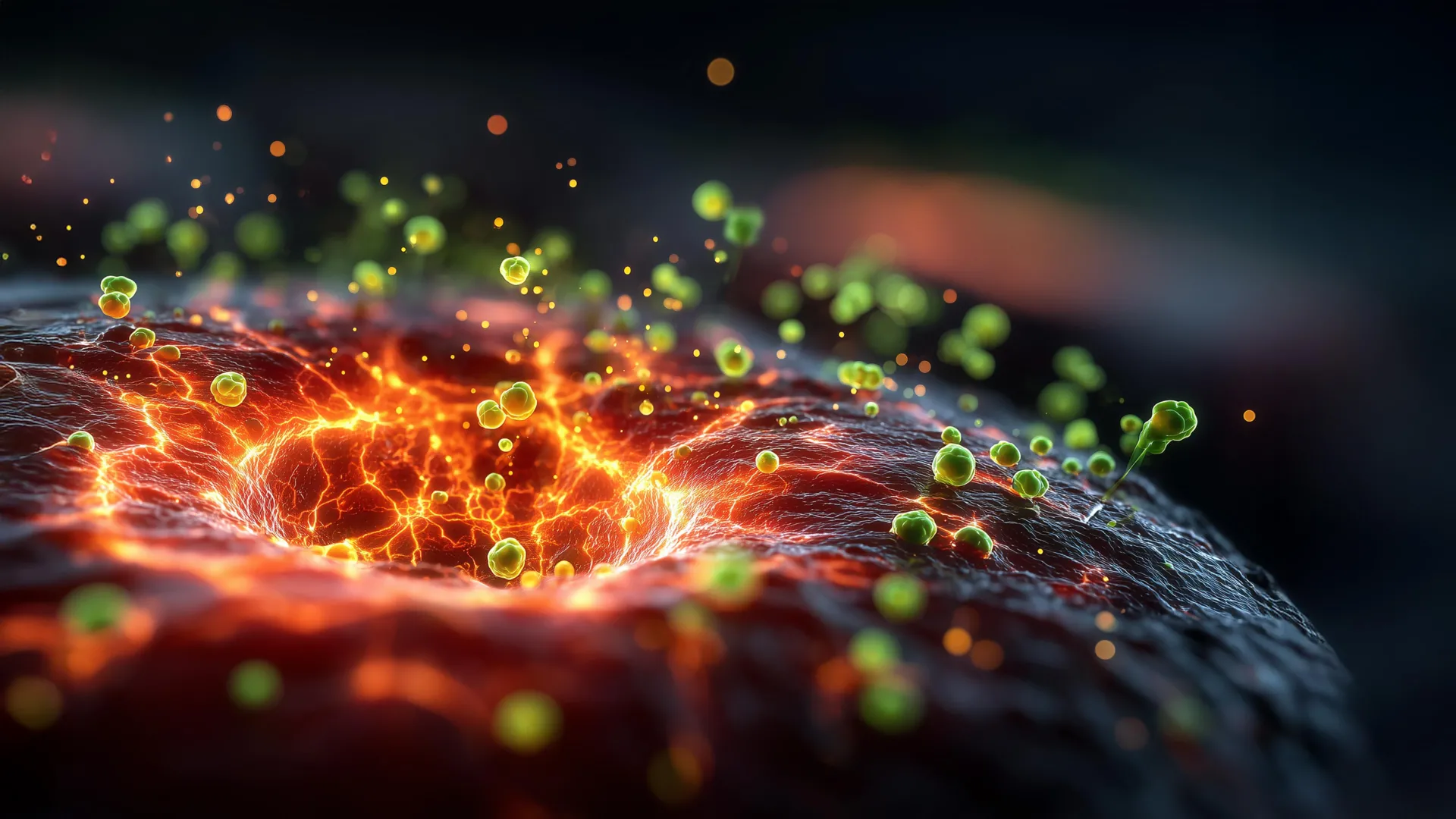
Once introduced into the bloodstream, E. americana travels throughout the body but remains dormant or is rapidly cleared from healthy tissue. However, once it reaches the hypoxic (low-oxygen) core of a tumor, it enters a state of rapid proliferation. Within just 24 hours of administration, the bacterial population inside the tumor increases by approximately 3,000-fold. This explosive growth exerts physical and metabolic stress on the cancer cells, leading to direct tumor regression.
2. Immune System Recruitment
The bacteria act as a biological beacon. Their presence within the tumor microenvironment triggers a massive influx of immune cells, including T cells, B cells, and neutrophils. These cells, once recruited, release potent inflammatory signaling molecules—specifically TNF-α (Tumor Necrosis Factor alpha) and IFN-γ (Interferon gamma). This cocktail of cytokines not only forces cancer cells to undergo apoptosis (programmed cell death) but also teaches the immune system to recognize and attack any residual malignant cells, potentially providing long-term immunity against recurrence.
3. Exceptional Safety Profile
Perhaps the most compelling data point from the study involves the safety of the treatment. The researchers noted that E. americana is rapidly cleared from the bloodstream, with a half-life of only 1.2 hours. By the 24-hour mark, the bacteria were entirely undetectable in the blood and major organs, including the liver, lungs, and heart. The mice experienced only mild, transient inflammation, which resolved within 72 hours, with no signs of chronic toxicity observed during the 60-day follow-up.
Official Responses and Scientific Implications
The academic community has received the findings with cautious optimism. Experts in the field of synthetic biology and oncology note that while the "proof of concept" is robust, the leap from murine models to human clinical trials is significant.
The Researchers’ Perspective
Lead investigators at JAIST emphasized that while the results are unprecedented, they are currently limited to mouse models. "We have identified a natural mechanism that evolution has refined over millions of years," the research team stated. "The goal now is to translate this specificity into a scalable, therapeutic protocol that can be adapted for the complex physiological environment of a human patient."
Institutional Support
The study was made possible through a diverse consortium of funding bodies, including the Japan Society for the Promotion of Science (JSPS) and the Japan Science and Technology Agency (JST). This level of institutional backing underscores the strategic importance Japan places on bio-innovation. By leveraging "J-PEAKS" (Program for Forming Japan’s Peak Research Universities), the team is already looking toward commercialization and startup ecosystem integration to bring this therapy closer to clinical reality.
Implications for Future Oncology
The potential applications for this therapy extend far beyond colorectal cancer. The team is already planning secondary studies to evaluate the efficacy of E. americana against other solid tumors, such as pancreatic cancer, breast cancer, and melanoma—cancers that are often notoriously resistant to standard chemotherapy and immunotherapy.
Toward Personalized Bacterial Therapy
Future research will explore how to refine the delivery of E. americana. Approaches under consideration include:
- Dose Fractionation: Delivering smaller, staggered doses to maintain a sustained immune-stimulating effect.
- Direct Intratumoral Injection: Providing a concentrated bacterial payload directly into hard-to-reach, deep-seated tumors.
- Synergistic Combinations: Pairing E. americana with existing checkpoint inhibitors or traditional chemotherapeutic agents to see if the bacteria can "prime" the tumor to be more susceptible to standard drugs.
The Power of Biodiversity
Beyond the clinical potential of one specific bacterium, this study serves as a reminder of the vast, untapped medical potential hidden in the natural world. As we grapple with the increasing resistance of cancers to conventional therapies, looking toward the microbial flora of wild animals—species that have evolved to survive in extreme conditions—offers a new frontier in drug discovery.
The JAIST study is a testament to the idea that the answers to our most persistent medical challenges may not be found in a synthetic laboratory beaker alone, but in the complex, co-evolved relationships between organisms in the wild. As the researchers move toward human trials, the scientific world will be watching closely, waiting to see if this tree-frog-derived bacterium can truly change the landscape of cancer care.
Glossary of Terms
- Facultative Anaerobe: An organism that can survive and grow with or without oxygen.
- Complete Response (CR): The disappearance of all signs of cancer in response to treatment.
- Immune Checkpoint Inhibitors: A type of immunotherapy that blocks proteins that prevent the immune system from attacking cancer cells.
- Hypoxic Core: The center of a tumor that lacks sufficient oxygen, often serving as a barrier to conventional drugs.
- Apoptosis: A process of programmed cell death that occurs in multicellular organisms.