











In the landscape of modern nutrition, few topics have triggered as much vitriol and confusion as vegetable and seed oils. From viral TikTok trends labeling them “toxic sludge” to influencers preaching the virtues of a carnivore diet, these cooking fats—including canola, soybean, corn, and sunflower oils—have become the latest battleground in the culture wars of health.
But are these oils truly the root cause of chronic disease, or is this a case of scientific nuance being lost to viral sensationalism? To understand the role these oils play in our diets, we must move beyond the memes and examine the evidence behind their production, their chemical profiles, and their actual impact on human health.
The Main Facts: What Are Seed Oils?
Vegetable oils, often categorized under the umbrella of "seed oils," are extracted from the seeds of plants. Common varieties found in the average grocery store include soybean, corn, canola, sunflower, safflower, and cottonseed oil.
It is important to distinguish these from fruit-based oils. Oils such as olive, avocado, palm, and coconut are derived from the pulp or flesh of fruits, not the seeds. This distinction is central to how they are processed and their subsequent nutritional value. While an olive is naturally fatty—allowing for simple, mechanical extraction—seeds like corn or soybeans contain very little fat relative to their mass. Consequently, extracting oil from them requires a heavy industrial footprint.
A Chronological Perspective: From Innovation to Infamy
The rise of seed oils is a relatively recent phenomenon in human history. For thousands of years, humans primarily consumed animal fats (like butter, lard, and tallow) and limited amounts of plant-derived oils (like olive oil).
The industrialization of seed oil production began in the early 20th century. Companies sought ways to create shelf-stable, inexpensive, and versatile cooking fats. This led to the development of complex extraction processes:
- Cleaning and Dehulling: Removing the outer shells of the seeds.
- Crushing/Grinding: Breaking the seeds down.
- Heating: Preparing the seeds for oil release.
- Solvent Extraction: Using chemical solvents (often hexane) to pull the oil out.
- Refining, Bleaching, and Deodorizing: Removing impurities, color, and strong odors to create a neutral-tasting final product.
In the mid-20th century, these oils were heavily marketed as "heart-healthy" alternatives to saturated animal fats, specifically to replace butter and lard. However, the pendulum of public opinion has swung sharply in the other direction. Today, proponents of ancestral diets argue that these "invented" oils are the primary drivers of modern health issues like obesity, depression, and systemic inflammation.

Supporting Data: The Case Against (and For) Seed Oils
The argument against seed oils rests on three primary pillars: processing, inflammation, and stability.
The Problem of Processing
As noted, the industrial refining process is aggressive. Critics argue that this process strips away beneficial polyphenols and antioxidants, potentially creating "trans fats" (partially hydrogenated fats) in the process. While the FDA banned the addition of industrial trans fats in 2018, critics maintain that the high-heat, high-pressure refining techniques still leave these oils in an oxidized state, which may contribute to cellular damage.
The Omega-6/Omega-3 Imbalance
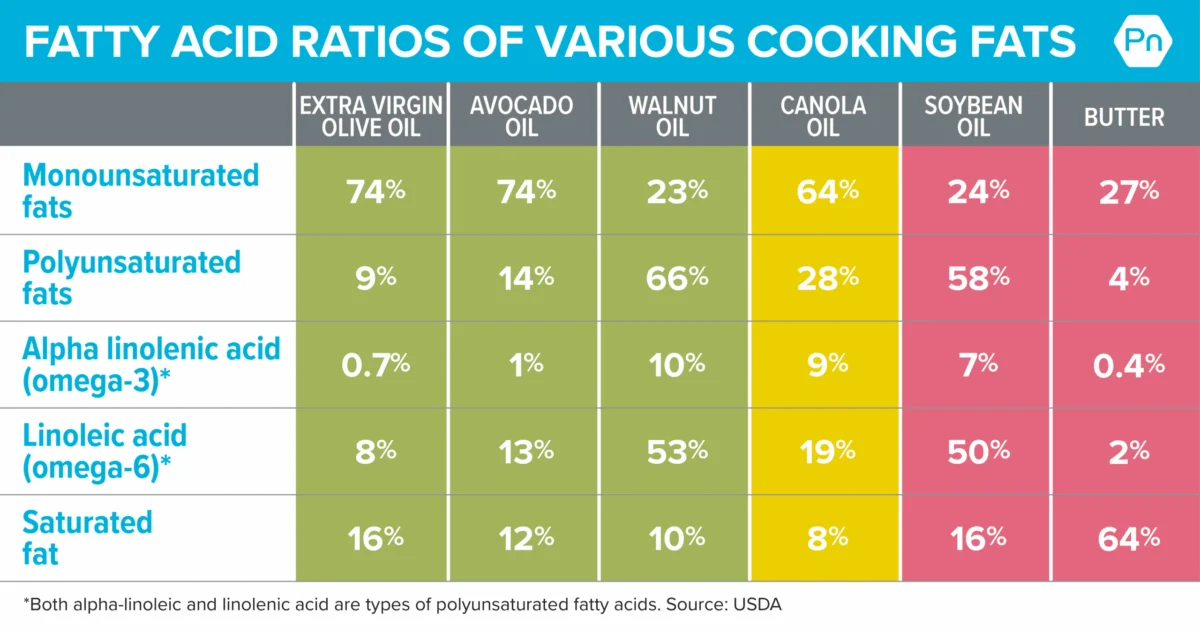
A core argument against seed oils is their high content of omega-6 polyunsaturated fatty acids. Some researchers hypothesize that the modern diet’s lopsided ratio of omega-6s (pro-inflammatory) to omega-3s (anti-inflammatory) drives chronic illness. The typical American consumes 16 to 20 times more omega-6 than omega-3.
However, the scientific consensus is not as settled as social media would suggest. While high levels of omega-6 fats in isolation might be concerning, studies from organizations like the American Heart Association have found that, in the context of a whole-foods diet, consuming omega-6 fats from nuts, seeds, and oils is often associated with a reduced risk of heart disease. The critical difference is whether the oil is consumed as a standalone fat or as part of a matrix of other nutrients.
The Stability Factor
Polyunsaturated fats are inherently less stable than saturated or monounsaturated fats. This means they are more prone to oxidation—a process where the fat breaks down when exposed to heat, light, or oxygen. This is why many nutritionists recommend using oils like Extra Virgin Olive Oil (EVOO) for cooking, as its high polyphenol content protects it from heat-induced degradation, whereas refined seed oils have had those protective compounds stripped away.
Official Perspectives and Guidelines
Health organizations generally distinguish between the source of the oil and the context of the diet.
- The "Eat More" Category: Nutrition experts almost universally rank extra virgin olive oil, avocado oil, and walnut oil at the top of the hierarchy. These oils are minimally processed and rich in monounsaturated fatty acids (MUFAs) and protective phytonutrients.
- The "Eat Some" Category: Expeller-pressed canola oil and high-oleic sunflower oil are often viewed as "neutral." They aren’t inherently health-promoting in the same way olive oil is, but they aren’t the villains they are often painted to be when used in moderation.
- The "Eat Less" Category: This includes butter (due to high saturated fat content) and highly refined, ultra-processed vegetable oils used in fried foods and packaged snacks.
The U.S. Dietary Guidelines suggest keeping saturated fat intake below 10 percent of daily calories. Butter, while natural, is a significant source of saturated fat. Conversely, refined vegetable oils are not "toxic," but they are often the primary ingredients in ultra-processed foods that are calorie-dense, low-nutrient, and linked to poor health outcomes.

The Broader Implications: What Should You Eat?
The debate over "seed oils vs. butter" is often a distraction from a much larger, more significant issue: the consumption of ultra-processed foods.
Whether a cookie is made with butter or soybean oil is largely irrelevant if it is part of a diet consisting primarily of ultra-processed items. The primary health risk associated with refined oils isn’t necessarily the oil itself, but the environment in which it is consumed. Refined oils are the "glue" that holds together crackers, chips, frozen dinners, and fast food. These foods are designed to be hyper-palatable and addictive, leading to overconsumption and metabolic strain.
Actionable Strategies for Consumers
If you are looking to optimize your diet, consider these evidence-based steps:
- Prioritize Whole Foods: The best way to reduce your intake of refined seed oils is to move away from packaged, processed foods. When you cook at home using whole ingredients—avocados, olives, nuts, seeds, and lean proteins—you naturally lower your exposure to industrial processing.
- Choose High-Quality Oils for Cooking: Invest in high-quality Extra Virgin Olive Oil or cold-pressed avocado oil for daily cooking. Research confirms that EVOO remains stable even at high temperatures, defying the old myth that it shouldn’t be used for sautéing.
- Moderate All Added Fats: Even the healthiest oil is calorie-dense. Rather than focusing solely on the "purity" of the oil, focus on the quantity. Use fat as a tool to enhance the flavor of vegetables, rather than the primary component of your meal.
- Be Mindful of Frying: Regardless of the type of oil used, deep-frying significantly increases the oxidation of fats and adds unnecessary calories. Limit deep-fried foods to occasional treats rather than dietary staples.
Conclusion: The Truth is Nuanced
To label seed oils as "toxic" is a gross exaggeration that ignores the complex reality of human nutrition. While industrial, ultra-refined oils are not health-promoting and should be minimized in favor of less-processed alternatives, they are not the singular "poison" that social media influencers claim them to be.
The health of your diet is determined by the totality of what you consume. A diet rich in colorful vegetables, fiber, high-quality proteins, and minimally processed fats will serve you far better than a diet that spends its energy obsessing over the "toxicity" of a specific bottle of oil. When in doubt, reach for the olive oil, fill your plate with whole plants, and keep the processed foods to a minimum. Your body will thank you, regardless of the trending hashtags.