










By Jonathan Gardner | Published Sept. 3, 2026
The landscape of lung cancer treatment, already significantly transformed by the advent of immune checkpoint inhibitors over the last decade, stands on the precipice of a new, potentially more potent era. Recent clinical data regarding ivonescimab, a novel bispecific antibody, suggests that the next generation of cancer therapies may move beyond the standard PD-1/PD-L1 blockade that has defined oncology since the mid-2010s. By simultaneously targeting two critical pathways in tumor progression, ivonescimab is positioning itself as a formidable challenger to Merck’s blockbuster drug, Keytruda.
Main Facts: A Dual-Action Breakthrough
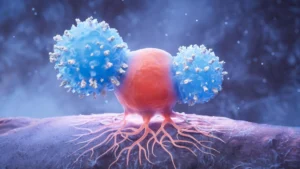
At the heart of the current medical excitement is the unique mechanism of action of ivonescimab. While traditional immunotherapies like Merck’s Keytruda (pembrolizumab) focus exclusively on inhibiting the PD-1 protein—effectively "releasing the brakes" on the immune system to allow T-cells to identify and destroy cancer cells—ivonescimab goes a step further.
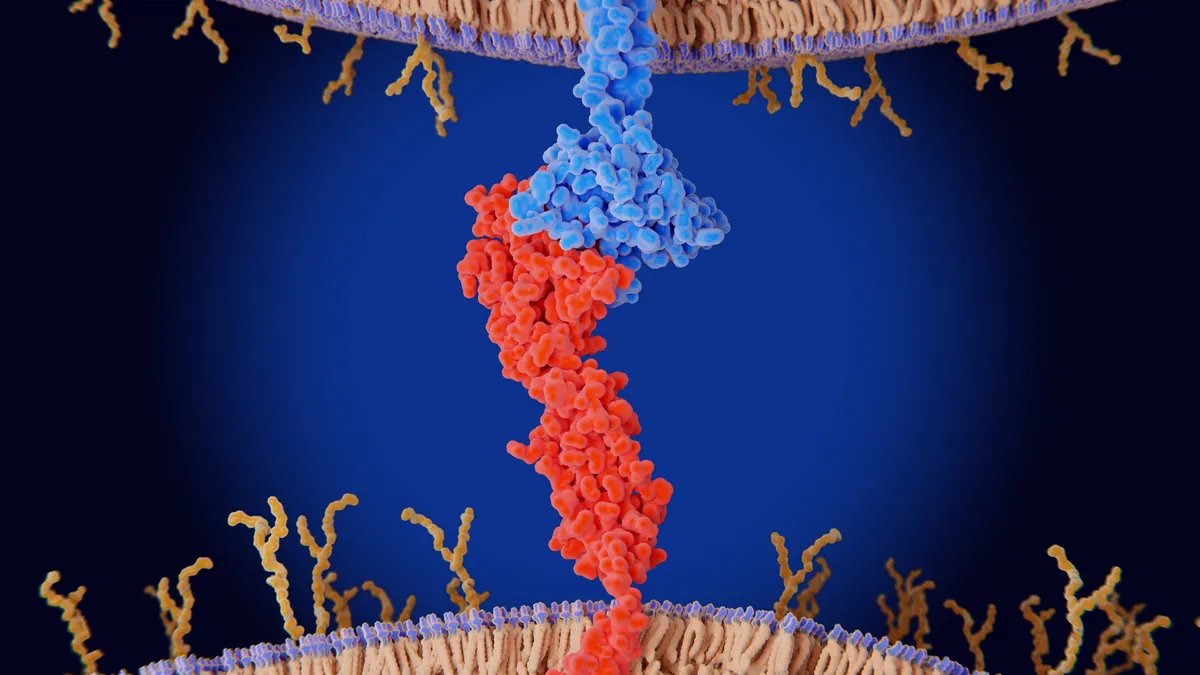
As a bispecific antibody, ivonescimab is engineered to bind to both PD-1 and VEGF (vascular endothelial growth factor). VEGF is a protein essential for angiogenesis, the process by which tumors create their own blood supply to grow and metastasize. By inhibiting both the immune-evasion mechanism and the blood supply mechanism, ivonescimab offers a "two-pronged" attack on non-small cell lung cancer (NSCLC).
The latest data cut from a clinical trial comparing ivonescimab directly against Keytruda has demonstrated that the bispecific drug not only delayed the progression of the disease but also improved the overall survival of patients—a gold standard in oncology clinical trials. For patients and oncologists, this suggests that the drug may offer a deeper, more durable response than current monotherapies.
A Chronology of Competitive Evolution
The trajectory of lung cancer treatment has been defined by rapid, iterative improvements. The following timeline outlines the evolution of the field and the rise of this new challenger:
- 2014–2016: The approval of PD-1/PD-L1 inhibitors (Keytruda, Opdivo) revolutionized the treatment of NSCLC, turning a death sentence for many into a manageable, albeit chronic, condition.
- 2020–2023: The focus shifted toward combination therapies, pairing immunotherapies with platinum-based chemotherapy to enhance patient outcomes, yet clinicians continued to hunt for therapies that could overcome treatment resistance.
- 2024: Akeso, the primary developer of ivonescimab, began reporting initial positive results from domestic trials in China, signaling that bispecific antibodies could outperform standard monotherapies.
- Early 2026: Summit Therapeutics, which licensed the drug for development in the U.S. and other markets, accelerated its global clinical trials, drawing significant attention from Wall Street and major pharmaceutical competitors.
- September 2026: The disclosure of the latest overall survival data marks a pivot point, shifting the conversation from whether the drug is "as good as" current standards to whether it is "superior" to them.
Supporting Data and Clinical Significance
The data released this week provides a robust argument for the drug’s efficacy. While the full, granular results are slated for a detailed presentation at the upcoming World Conference on Lung Cancer, preliminary insights have already sent ripples through the medical community.
UBS analyst David Dai has projected that the forthcoming full disclosure will show ivonescimab reducing the relative risk of death by approximately 24% compared to Keytruda. This is a significant margin in the world of oncology, where incremental gains are often celebrated as major breakthroughs.
Furthermore, the "derisking" of global trials is a critical development. Analysts, including TD Cowen’s Tyler Van Buren, have pointed out that the success of the single-agent trial provides high confidence for the ongoing head-to-head comparisons of ivonescimab-plus-chemotherapy versus Keytruda-plus-chemotherapy. This global trial is the true "make or break" study for the drug’s commercial future, as it will test the treatment in a diverse, international patient population.
Official Responses and Market Reactions
The reaction to these findings has been felt across both the clinical and financial sectors. Summit Therapeutics saw its shares climb by as much as 14% following the news, while Akeso experienced a 3% uptick on the Hong Kong Stock Exchange.

The silence from the industry’s giants, however, is telling. Merck has clearly taken notice; while it maintains a dominant position with Keytruda, the company has begun aggressively investing in its own pipeline of next-generation therapies, including antibody-drug conjugates (ADCs) that could compete with the bispecific approach. This "hedging" strategy reflects a broader trend among "Big Pharma" to ensure they are not caught off guard by the next wave of biological innovation.
Medical researchers have expressed cautious optimism. Dr. Sarah Jenkins, an independent oncologist, noted: "We have seen many ‘miracle’ drugs falter in phase 3 global trials. However, the mechanism of targeting VEGF in tandem with PD-1 is biologically sound. If these survival benefits hold up in the global, non-Chinese cohorts, we are looking at a potential new standard of care."
Implications for the Future of Cancer Care
The emergence of ivonescimab carries profound implications for the future of the oncology market and, more importantly, patient care.
1. The End of the "Monotherapy Era"?
For the last ten years, Keytruda has been the benchmark. If ivonescimab proves superior, it suggests that the era of relying on a single checkpoint inhibitor may be drawing to a close. The future, it seems, lies in bispecific and multispecific molecules that address the complexity of the tumor microenvironment from multiple angles.
2. The Global Data Debate
One of the primary challenges for the ivonescimab team has been addressing the skepticism regarding clinical data derived from Chinese-enrolled trials. Differences in patient genetic profiles, smoking status, and prior treatment history between Chinese and Western populations have historically led to varying outcomes. By pushing forward with a global trial, Akeso and Summit are attempting to bridge this credibility gap. Success here will determine if the drug becomes a global standard or remains a regional success story.

3. A Competitive Reshuffling
Merck’s investment in competing technologies serves as an admission that the therapeutic landscape is shifting. As bispecifics and ADCs reach the market, we may see a period of intense price competition and a race to combine these new agents into even more potent "cocktails." This, in turn, will pressure healthcare systems to evaluate the cost-effectiveness of these newer, likely more expensive, treatments.
4. Patient Outcomes and Quality of Life
Ultimately, the survival data is the most meaningful metric for patients. If ivonescimab can extend life expectancy while maintaining a manageable safety profile, it will be rapidly adopted into clinical guidelines. However, researchers are also watching the toxicity profile closely; targeting VEGF can sometimes introduce side effects, such as hypertension or bleeding risks, which are less common with pure PD-1 inhibitors. The trade-off between increased efficacy and potential side effects will be a critical part of the conversation at the upcoming international conferences.
Conclusion
The data cut released on September 3, 2026, is more than just a positive set of numbers; it is a signal that the pharmaceutical industry is successfully moving beyond the "low-hanging fruit" of early immunotherapy. While the dominance of Keytruda remains intact for now, the rapid progress of ivonescimab indicates that the next decade of cancer treatment will be defined by smarter, more complex engineering.
As the medical community awaits the full disclosure of results at the World Conference on Lung Cancer, one thing is clear: the bar for what constitutes a "successful" cancer drug has been raised. Whether ivonescimab becomes the new titan of the industry or serves as a foundational step toward even better therapies, its impact on the future of oncology is already being felt. The industry now waits for the global trial results, which will either cement its place at the top of the lung cancer treatment hierarchy or remind us all of the inherent difficulties in outperforming a well-established medical standard.