











In a recent development from the White House, Press Secretary Karoline Leavitt confirmed that President Donald J. Trump has been diagnosed with Chronic Venous Insufficiency (CVI). The disclosure followed reports of mild swelling in the President’s lower leg, prompting a series of diagnostic evaluations. While the White House was quick to clarify that there was no evidence of deep vein thrombosis (DVT) or arterial disease—and that all routine laboratory results fell within normal parameters—the diagnosis has brought renewed public and clinical attention to a condition that is frequently underrecognized and undertreated.
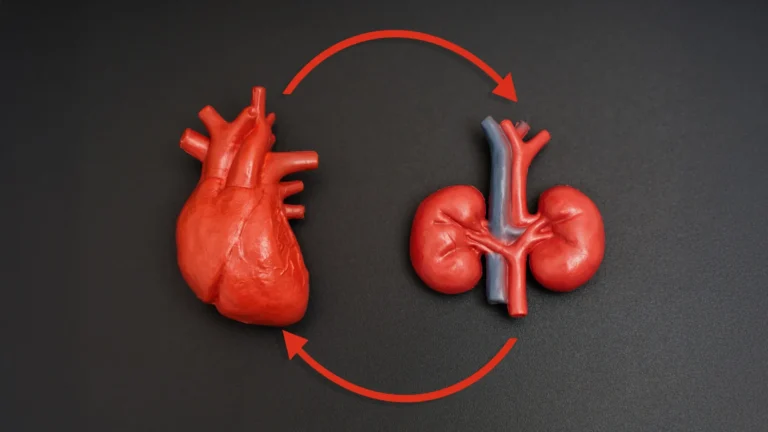
In response to the news, the American Heart Association (AHA)—the world’s leading nonprofit organization dedicated to cardiovascular and brain health—has released comprehensive guidance on CVI. The AHA emphasizes that the condition is not merely a localized issue of the lower extremities; rather, it is a significant marker for broader cardiovascular risk, carrying implications for long-term health, mortality, and the management of existing comorbidities.
I. Defining the Condition: What is CVI?
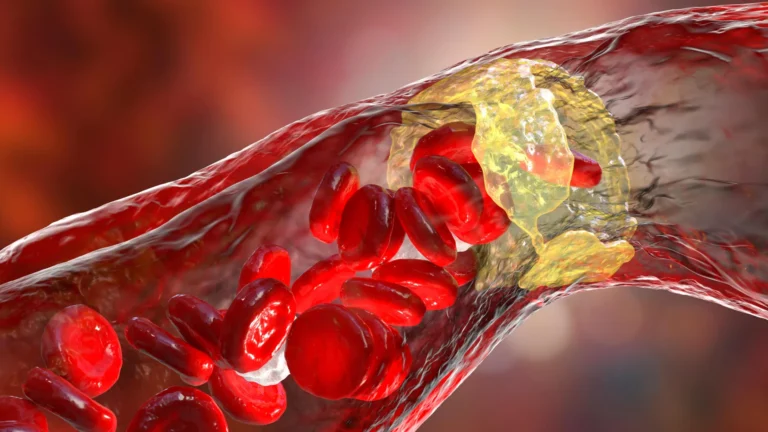
Chronic Venous Insufficiency (CVI) occurs when the venous wall and/or the valves in the leg veins are not working effectively, making it difficult for blood to return to the heart from the legs. Normally, one-way valves in the veins keep blood flowing toward the heart. When these valves become weak or damaged, blood can leak backward and pool in the veins—a condition known as venous stasis.
The Mechanics of Venous Failure
As individuals age, the structural integrity of the venous system naturally declines. The valves responsible for maintaining unidirectional flow may weaken, leading to blood pooling. This pooling increases pressure within the veins, which can cause the vessel walls to stretch and distort. Over time, this chronic hypertension within the venous system leads to the classic symptoms associated with the condition: edema (swelling), aching, cramping, and visible skin changes.
II. Chronology: From Symptom to Diagnosis
The timeline of President Trump’s diagnosis reflects the standard clinical approach to vascular concerns in high-profile individuals.
- Initial Presentation: The President reported mild swelling in the lower leg. Given the potential for this to signify a range of issues—from minor fluid retention to more severe venous or arterial blockage—medical staff initiated a diagnostic protocol.
- The Diagnostic Suite: To rule out more acute conditions, medical professionals utilized duplex ultrasound, a non-invasive imaging technique that uses sound waves to visualize blood flow and identify potential obstructions or backflow.
- Exclusionary Findings: The diagnostic process successfully ruled out Deep Vein Thrombosis (DVT), a condition where blood clots form in deep veins and pose a risk of pulmonary embolism. Furthermore, the absence of arterial disease confirms that the President’s circulatory issues are isolated to the venous system.
- Official Confirmation: Following the completion of the evaluation, the White House confirmed the CVI diagnosis, noting that laboratory results remained within normal limits, thereby providing a reassuring baseline for the President’s ongoing health management.
III. The Clinical Implications: A Window into Cardiovascular Health
The American Heart Association’s response highlights a critical medical truth: CVI is not an isolated dermatological or orthopaedic concern. It is a systemic indicator of vascular health.
The CVI-Cardiovascular Disease Nexus
Research has established a strong association between CVI and an increased risk of cardiovascular disease (CVD) and mortality, independent of traditional factors like age, sex, or existing comorbidities. The presence of CVI is often correlated with established risk factors, including obesity, smoking, a sedentary lifestyle, and clinically overt cardiovascular disease.
Dr. Joshua A. Beckman, a past volunteer chair of the American Heart Association’s Vascular Health Advisory Committee and a professor of medicine at UT Southwestern Medical Center, underscores the importance of this diagnosis. "Chronic Venous Insufficiency can significantly impact your quality of life, but early detection and treatment can make a substantial difference," Dr. Beckman states. "That is why it is vital for individuals to be aware of the signs and symptoms of CVI so they can seek timely medical evaluation."
Differentiating DVT and CVI
While often confused in public discourse, DVT and CVI represent distinct clinical challenges.
- Deep Vein Thrombosis (DVT): A sudden, acute condition involving a blood clot that can lead to life-threatening complications if the clot breaks off and travels to the lungs (pulmonary embolism).
- Chronic Venous Insufficiency (CVI): A long-term, progressive condition characterized by the gradual failure of vein function. While not typically an acute emergency like DVT, it requires long-term management to prevent skin degradation, ulcerations, and chronic pain.
IV. Symptoms and Diagnostic Methodologies
Recognizing CVI requires an understanding of its progressive nature. Patients often ignore early symptoms, attributing them to "normal aging," but clinical intervention is most effective in the early stages.
Clinical Presentation
Symptoms often present in the lower extremities and include:
- Edema: Persistent swelling that may worsen throughout the day.
- Varicose Veins: Twisted, enlarged veins that appear near the surface of the skin.
- Stasis Dermatitis: Also known as "venous eczema," this presents as red, itchy, or scaly patches of skin on the lower legs, caused by blood pooling and increased venous pressure.
- Sensory Discomfort: Patients frequently report aching, throbbing, cramping, leg fatigue, and a sensation of "heaviness." In some cases, restless leg syndrome is exacerbated by venous congestion.
- Ulcerations: If left untreated, the skin may break down, leading to painful venous ulcers that are notoriously difficult to heal.
Diagnostic Tools
The gold standard for diagnosing CVI includes:
- Duplex Ultrasound: The primary tool for assessing blood flow and valve competence.
- Magnetic Resonance Venography (MRV): Used to provide detailed imaging of the veins.
- Computed Tomography Venography (CTV): Utilized to identify obstructions or compression syndromes that might be hindering blood return.
V. Current Treatment Paradigms
Treatment for CVI is multi-faceted, focusing on alleviating symptoms, improving blood return, and preventing complications like skin ulceration.
Conservative Management
- Compression Therapy: This is the cornerstone of treatment. It includes elastic garments, graded compression stockings, and, in more severe cases, multilayer or short-stretch bandaging. Pneumatic pumps may also be used to assist in the mechanical return of blood to the heart.
- Pharmacotherapy: Physicians may prescribe topical anti-inflammatory steroids to manage stasis dermatitis. In cases involving infection or fluid retention, antibiotic or diuretic therapy may be necessary.
Interventional Therapies
For patients whose condition does not respond to conservative measures, interventional endovascular therapies are available. These minimally invasive procedures involve the use of a catheter—a thin, flexible tube—inserted into the vein through a small incision. Using real-time imaging (X-ray or ultrasound), surgeons can navigate to the site of the obstruction or valve failure to remove the blockage or close off the damaged vein, allowing blood to reroute through healthier vessels.
VI. Looking Forward: Public Health and Awareness
The diagnosis of a public figure often serves as a "teachable moment" for the general population. The American Heart Association’s recent focus on CVI is intended to bridge the gap between public perception and clinical reality. By highlighting the correlation between venous health and general cardiovascular health, the AHA aims to reduce the prevalence of undiagnosed cases.
The 2025 Heart Disease and Stroke Statistics underscore that as the global population ages, the burden of venous disease will continue to grow. For the individual, the takeaway is clear: leg swelling is not merely a cosmetic issue. It is a signal from the body that the vascular system may be struggling. Whether through lifestyle modifications, such as increasing physical activity and managing weight, or through medical interventions like compression therapy, CVI is a manageable condition.
As President Trump undergoes monitoring for his condition, the medical community continues to emphasize that early evaluation is the most effective path toward maintaining quality of life. The intersection of high-profile health updates and evidence-based medical guidance provides a unique opportunity for the public to prioritize their vascular health, ensuring that symptoms are addressed with the same rigor as other cardiovascular risk factors.
By treating CVI with the seriousness it deserves, patients can avoid the long-term complications of chronic venous disease, safeguarding their mobility and overall heart health for years to come.