



While vaccines remain our most potent tool in the global fight against infectious diseases, they are not a "one-size-fits-all" solution. The efficacy of a vaccine is inherently tied to the unique biological landscape of the recipient, leading to a persistent medical mystery: why do some individuals develop robust, life-long protection from a single dose, while others show a lackluster immune response despite following the same clinical protocol?
A groundbreaking study led by Arizona State University (ASU), recently published in the journal Cell Press Blue, suggests we are closer than ever to answering this question. By leveraging the analytical power of artificial intelligence to decode the "antibody fingerprints" present in our blood, researchers have uncovered evidence that our immune system’s readiness is documented long before we ever receive a shot.
The Main Facts: A New Frontier in Immunology
The core of the study challenges the traditional retrospective approach to vaccination. Historically, scientists evaluate vaccine efficacy by measuring antibody production after the injection. The ASU-led team, however, sought to invert this process, questioning whether a person’s pre-existing immune profile could act as a predictive biomarker for how they would respond to a vaccine.
By examining over 8,600 blood samples from 4,089 participants, the researchers identified a series of "sentinel" antibodies. These markers, which target common, everyday microbes like Staphylococcus aureus or Respiratory Syncytial Virus (RSV), were found to be closely linked to the strength of a person’s response to the COVID-19 vaccine. Essentially, these antibodies serve as a barometer for the immune system’s overall alertness and functional capacity.
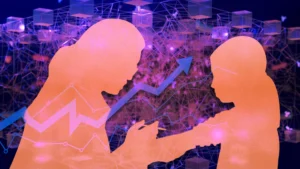
The findings indicate that the immune system does not exist in a vacuum; it is a cumulative record of every pathogen, bacterium, and environmental trigger an individual has encountered. When processed through deep-learning algorithms, these historical immune records allow scientists to predict, with significant accuracy, which patients are "immune-ready" and which may require alternative strategies to ensure protection.
Chronology of the Research: From Data to Discovery
The path to this discovery was a massive undertaking in high-throughput biological data analysis.
- Phase I: Data Collection: The researchers began by assembling a diverse cohort of 4,089 individuals. This group was intentionally designed to include both healthy volunteers and those with significant medical challenges, including HIV, multiple myeloma, various solid organ malignancies, autoimmune diseases, inflammatory bowel disease, and organ transplant recipients.
- Phase II: Mapping the Landscape: The team utilized advanced laboratory platforms to measure the presence of antibodies against 185 distinct antigens. These targets were not limited to the COVID-19 virus but included a broad spectrum of common viral and bacterial pathogens, as well as proteins linked to autoimmune conditions.
- Phase III: Applying AI Intelligence: Once the biological "fingerprints" were established, the researchers turned to artificial intelligence. Conventional statistical methods often struggle to find correlations in millions of data points; however, machine learning models were deployed to search for subtle patterns within the antibody profiles—patterns that distinguished strong responders from weak ones.
- Phase IV: Validation: By comparing pre-vaccination profiles with post-vaccination outcomes, the AI identified specific signatures that accurately forecasted the individual’s immune response, regardless of their general health status.
Supporting Data: Why "Health Status" Is Not Enough
One of the most surprising outcomes of the study is the limitation of traditional health categorization. It is common medical intuition to assume that an immunocompromised patient will automatically produce a weaker vaccine response than a healthy person. However, the data revealed a much more complex reality.
While the study confirmed that, statistically, immunosuppressed groups are more likely to exhibit reduced responses, the correlation is far from absolute. The research noted that a significant number of participants with medically suppressed immune systems still mounted strong responses to the vaccine. Conversely, approximately 5% to 6% of healthy participants—individuals with no underlying conditions—demonstrated unexpectedly weak responses.
This discrepancy highlights the inadequacy of relying solely on a patient’s "general health category" to determine vaccine strategy. It suggests that a person’s internal "immune readiness" is influenced by factors far more granular than just their primary diagnosis. Genetics, age, sex, and, perhaps most importantly, the specific history of an individual’s exposure to environmental antigens, all play a role in the "interconnected whole" of the immune system.
Official Responses and Expert Perspective
Dr. Joshua LaBaer, executive director of the Biodesign Institute at ASU and director of the Virginia G. Piper Center for Personalized Diagnostics, led the study. He emphasizes that the findings represent a paradigm shift in how we approach preventative medicine.
"What our study found is that certain biomarkers, when analyzed with AI, can predict who is likely to respond well to a vaccine, even before they receive it," Dr. LaBaer stated. "This suggests that some people may be more immune-ready than others."
For Dr. LaBaer and his collaborators across various U.S. medical institutions, the goal is not just to predict a weak response, but to act on that information. The study’s publication in Cell Press Blue serves as a clarion call to the medical community to move away from standardized, "blanket" vaccination schedules and toward a model of precision immunology. The researchers argue that by acknowledging the individuality of the immune system, we can optimize vaccine efficacy for the most vulnerable populations.
Implications: The Future of Personalized Vaccination
The implications of this research extend far beyond the context of COVID-19. By identifying these "sentinel" antibodies, the medical community has a new framework for vaccine development and administration.
Tailored Medical Care
If a clinical test for these antibody fingerprints becomes available, physicians could identify "at-risk" patients before a vaccination campaign begins. For these individuals, doctors could implement proactive strategies, such as:
- Adjusted Dosing: Providing booster shots earlier or in higher concentrations to ensure an adequate immune trigger.
- Alternative Delivery: Exploring different types of vaccines (e.g., mRNA vs. protein-based) that might be better suited to a specific immune profile.
- Enhanced Monitoring: Scheduling more frequent follow-up blood tests to confirm that protective antibody levels have actually been achieved.
A New Era for Vaccine Research
The use of deep learning to examine the "entire immune landscape" rather than single biomarkers is likely to become the new standard in vaccine trials. Future research will likely focus on whether these sentinel antibodies can predict the efficacy of vaccines for other diseases, such as influenza, shingles, or even emerging zoonotic threats.
Democratizing Access and Safety
Perhaps the most profound implication is the shift in how we define "vaccine equity." Currently, equity is often measured by the physical availability of a vaccine. However, true equity must also consider biological success. If we can identify who needs additional support to achieve immunity, we can direct limited medical resources to the people who need them most, rather than applying a uniform approach that leaves a significant minority of the population unprotected.
Conclusion: Toward an Immune-Ready Future
The ASU study is a testament to the transformative potential of artificial intelligence in the realm of human biology. By looking at the blood as a library of past experiences, researchers have unlocked a way to read the future of our immune responses.
We are moving toward a future where vaccination is not a gamble, but a calculated, personalized medical intervention. As we continue to refine our understanding of these sentinel antibodies, the dream of "precision vaccination"—where every individual receives the exact support their immune system requires—is no longer a distant theoretical goal, but a tangible, impending reality. The immune system is a complex, interconnected whole; finally, we have the tools to understand it on its own terms.