

In the high-stakes world of oncology, the focus is almost exclusively on the patient. We look at the statistics, the tumor markers, and the clinical outcomes. Yet, behind every diagnosis lies a hidden architecture of survival: the village. From family and friends to clinical coordinators and researchers, the “support ecosystem” is often the silent variable that transforms a diagnosis from a terminal trajectory into a story of resilience and long-term survivorship.
As we observe World Cancer Support Month, it is time to shift the lens. Cancer is not just a biological battle; it is a communal one. No one faces it alone, and for many survivors, the act of “showing up” by those in their periphery is just as lifesaving as the medicine they receive.
The Anatomy of a Support System: Core Findings
Recent patient narratives underscore a fundamental truth: the clinical journey is inseparable from the human journey. Support manifests in three primary tiers:
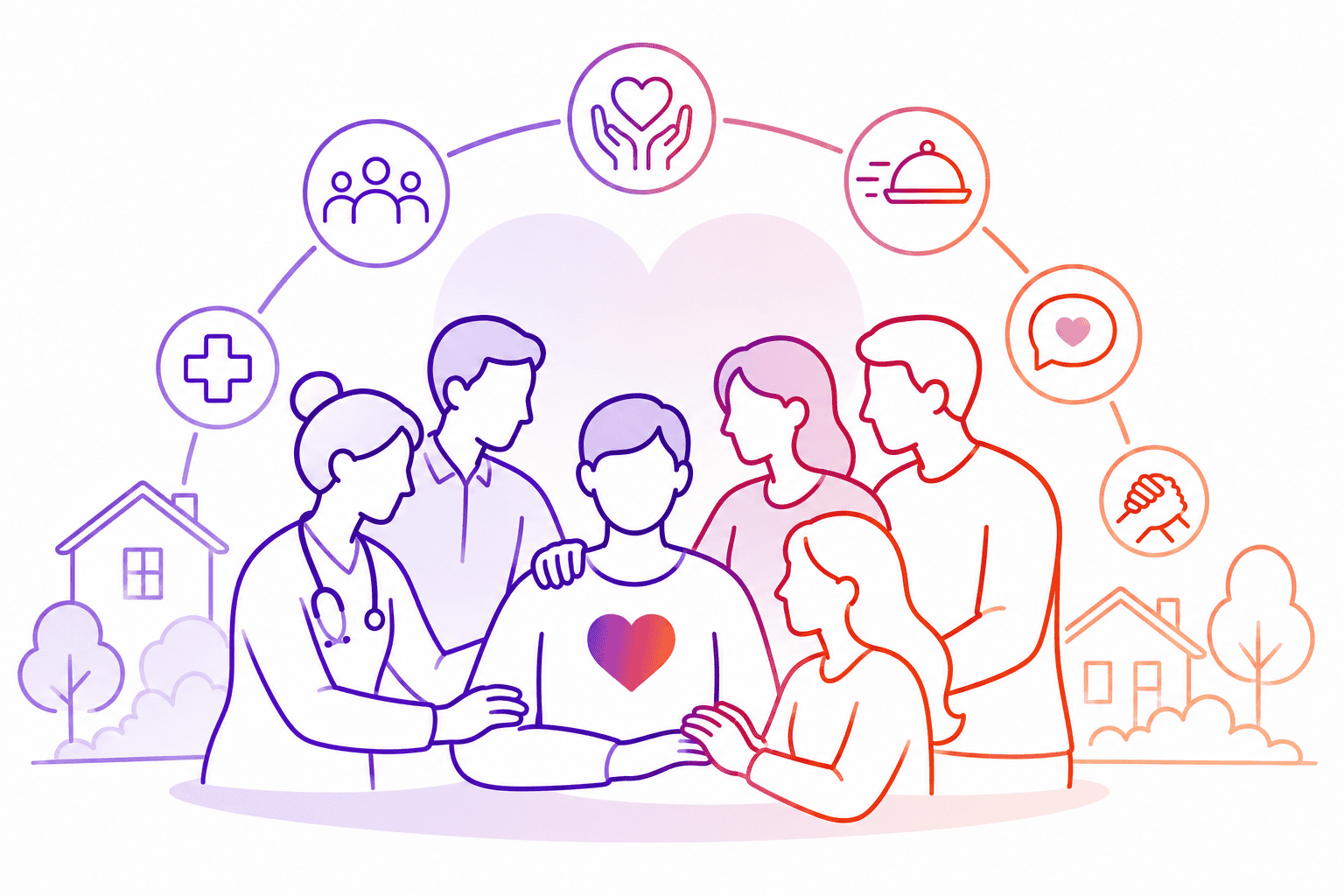
- The Clinical Advocate: Medical professionals who go beyond the call of duty—coordinators who navigate insurance "hoops," or doctors who challenge standard protocols to find hope where others see dead ends.
- The Practical Frontline: Friends, neighbors, and family members who shoulder the "everyday burdens"—meal trains, transportation, childcare, and household maintenance.
- The Survivor Network: The emerging culture of mentorship, where those who have navigated the darkness turn back to light the way for others.
The data is clear: patients with robust, active support systems report higher treatment adherence, lower rates of clinical depression, and, in many cases, more proactive engagement with experimental therapies.
A Chronology of Resilience: Patient Journeys
The following accounts illustrate how individual villages formed, evolved, and ultimately altered the course of stage 4 diagnoses.
Dana Deighton: The Persistence of Hope
When Dana Deighton was diagnosed with stage 4 esophageal cancer, the clinical outlook was bleak. Told that her options were exhausted, Deighton refused to accept the finality of the diagnosis. Her village began with an unexpected ally: a nurse coordinator who transformed into a tireless advocate. “She stayed with me for the rest of my treatment,” Deighton recalls. “She really moved mountains and made things happen.”
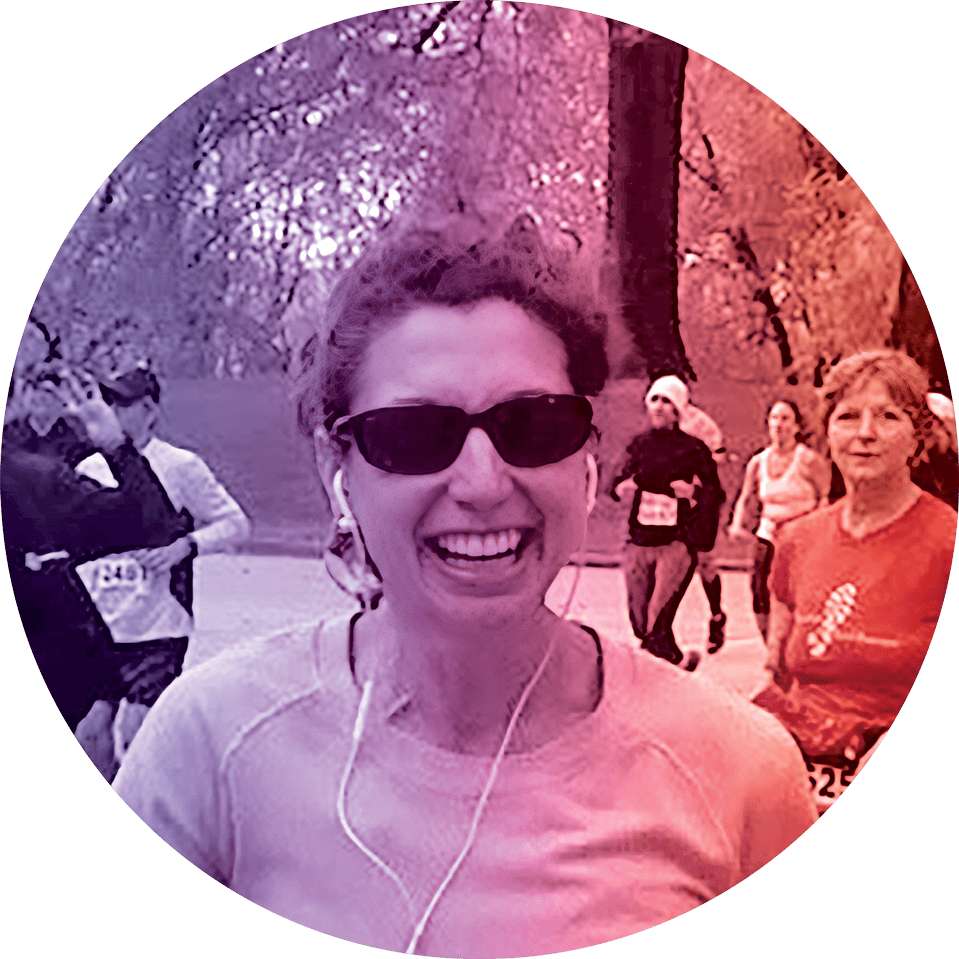
Through a friend’s recommendation, Deighton connected with a specialist who offered a rare commodity: a second opinion that provided a path forward. A grueling 15-hour surgery rendered her disease-free. When the cancer returned a year later, the medical team pivot-pointed to immunotherapy. Today, Deighton is disease-free and has assumed the role of mentor, serving as a pillar for other patients—completing the circle of support.
Oswald Peterson: Building Family Through Crisis
Oswald Peterson’s diagnosis of stage 4 lung cancer arrived during a period of profound personal loss, following the deaths of his mother and partner. Despite the isolation, his community mobilized with military-like precision. His friends, some of whom had been by his side for over 45 years, organized shifts to ensure he was never alone during his hospitalization.
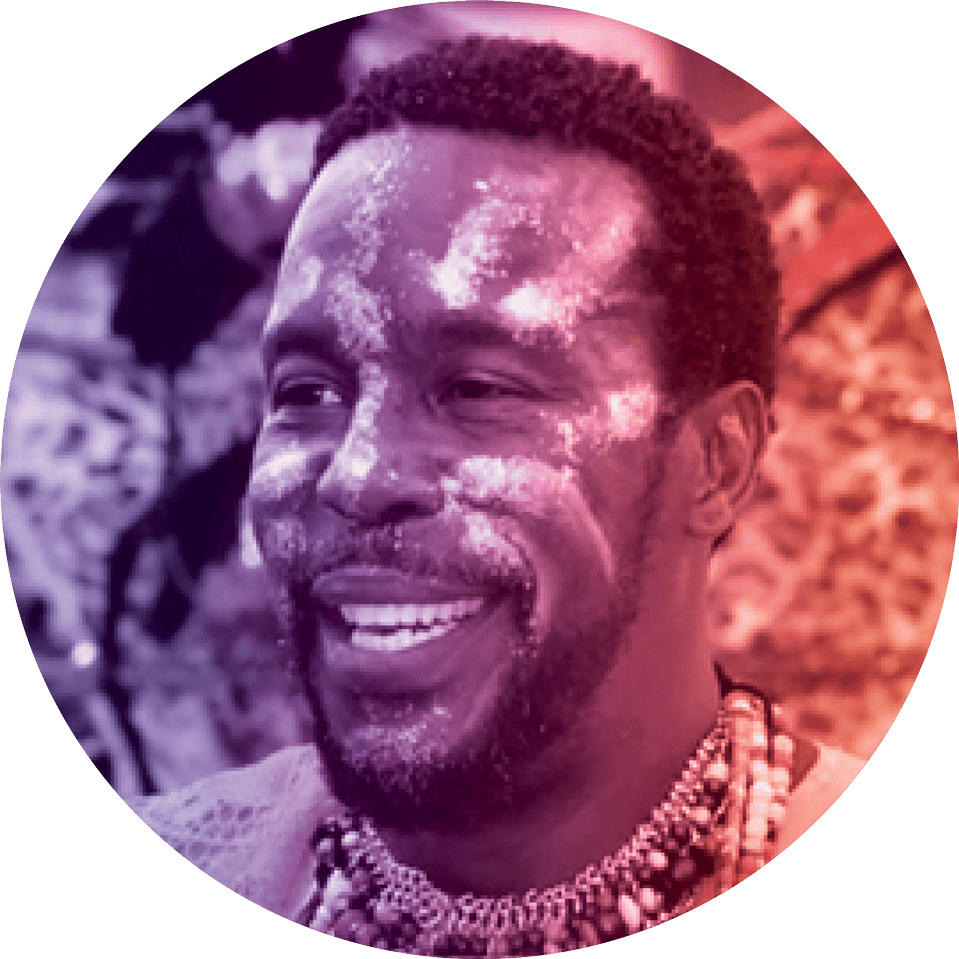
Upon returning home, this network managed his life—preparing meals, cleaning his home, and navigating his recovery. “It was really, really special to know that there are people in your life who appreciate you that way,” Peterson notes. This support allowed him to focus on the lifesaving immunotherapy treatment administered by Dr. Catherine Shu, eventually leading him back to his passion: dancing in Trinidad’s Carnival.
Jeff Atkinson: The Power of Immunotherapy
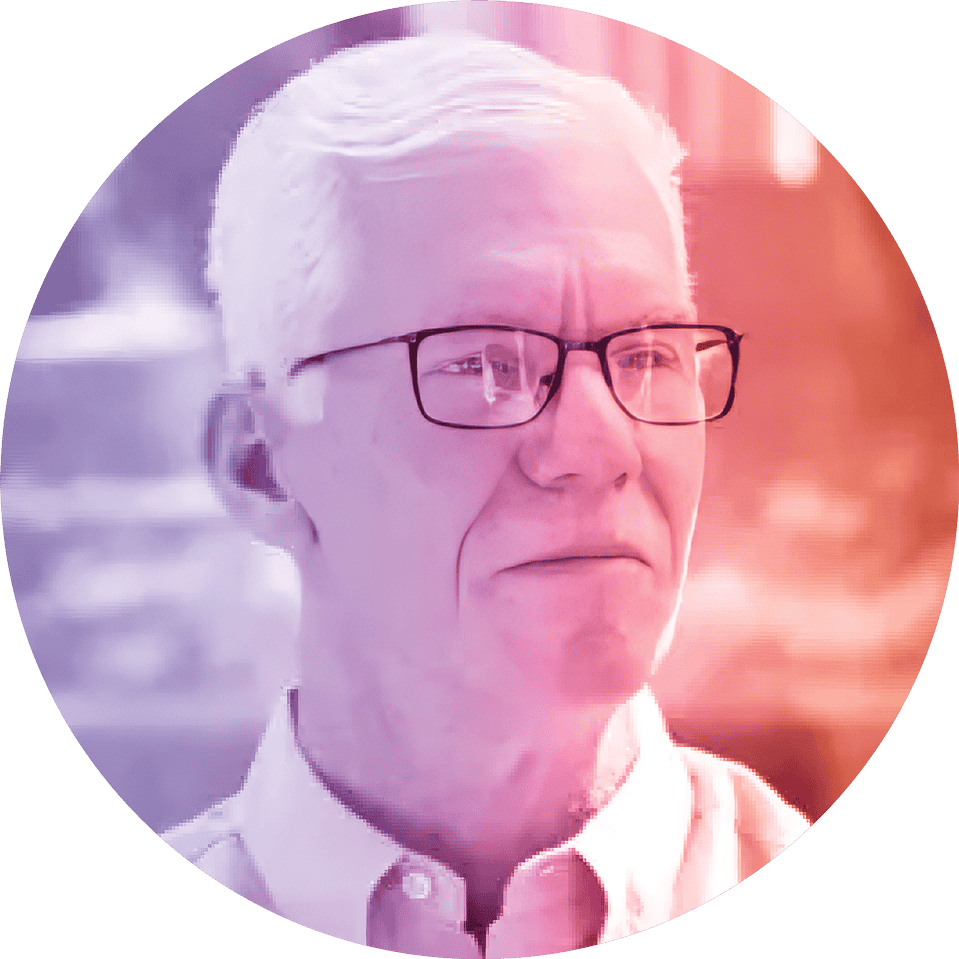
In 2016, Jeff Atkinson faced a rare stage 4 mucosal melanoma. His oncologist, Dr. Justin Favero, provided the critical intervention that would change everything: the introduction of immunotherapy. The journey was not linear; severe side effects forced a temporary pause in treatment. It was the vigilance of his care team and the unwavering support of his wife that allowed him to endure. One year later, he was cancer-free. This October, Atkinson marks a decade of survivorship, now dedicating his time to educating others on the potential of immunotherapy.
Jenney Bitner: The Community Response
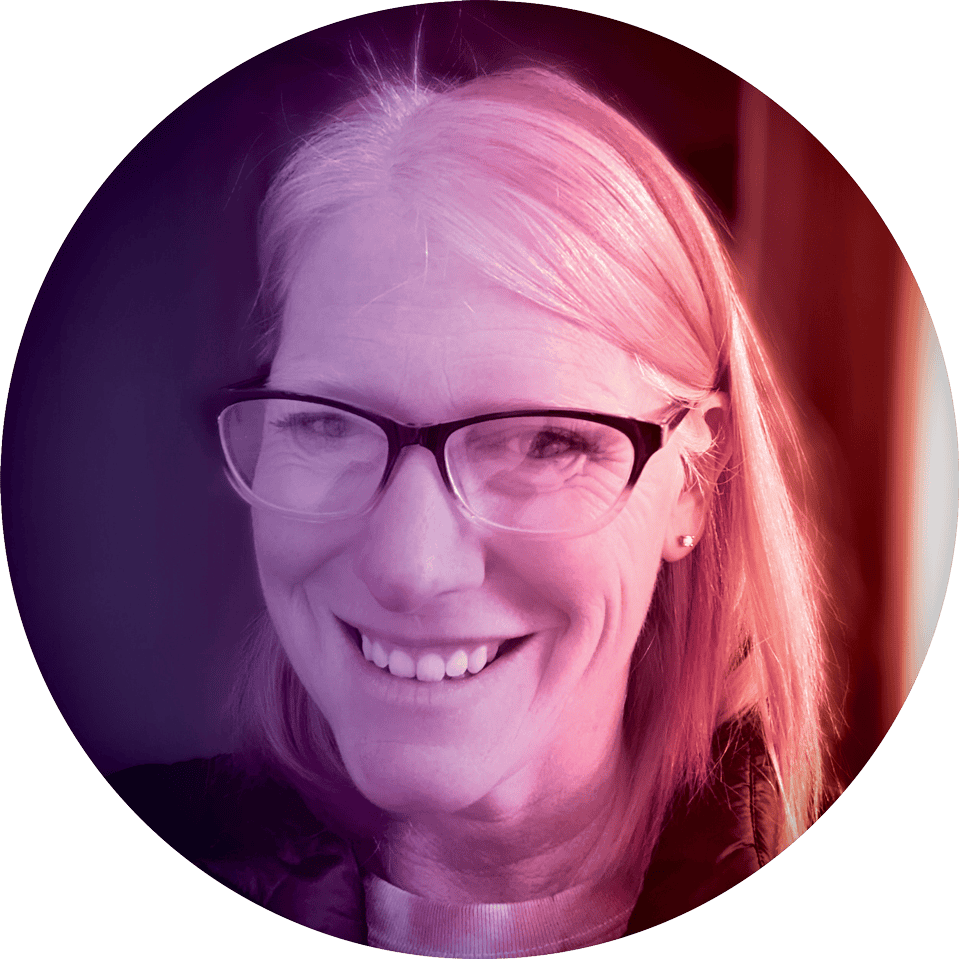
Jenney Bitner’s story began with a devastating realization at 22 weeks pregnant. A brain tumor diagnosis led to two brain surgeries and the premature birth of her son. While her medical team utilized advanced immunotherapy, her recovery was bolstered by a community that refused to let her family struggle alone. Neighbors and church members provided meals for nearly a year and managed childcare. Bitner’s takeaway for those looking to help is simple: “If someone needs help, just do something. Don’t even ask what they need. Just find something and do it.”
Gordon Levine: Redefining Survivorship
Gordon Levine’s path to remission was paved with trial and error. After failing a clinical trial, a second opinion with Dr. Aaron Miller at UC San Diego provided a breakthrough. Dr. Miller viewed Levine’s previous immune response not as a failure, but as a precursor to success. Following a regimen of ipilimumab and nivolumab, Levine’s tumors “melted away.” Today, as a long-term survivor, Levine champions the role of patient advocacy, emphasizing that the act of sharing one’s story is a vital component of healing.
Supporting Data: The Impact of Social Determinants
While clinical efficacy—specifically the advent of immunotherapy—is the catalyst for these survival stories, the "Social Determinants of Health" (SDOH) cannot be ignored. Research consistently shows that:
- Logistical Support: Patients with reliable transportation to infusion centers have a significantly higher completion rate for multi-cycle immunotherapies.
- Mental Health Mitigation: Isolation is a known physiological stressor that can impair immune response. Active support systems serve as a buffer against this stress.
- Caregiver Burden: The health of the caregiver is directly linked to the health of the patient. The "village" approach prevents caregiver burnout, ensuring the patient’s support system remains intact throughout long-term treatment.
Official Perspectives and Clinical Implications
The medical community is increasingly acknowledging that the "patient-doctor" binary is insufficient. Leading oncologists are now advocating for a "Whole-Patient Care" model.
"We aren’t just treating a tumor; we are treating a human being who exists within a complex social context," says one clinical researcher. "When a patient has a village, they have an extra set of eyes to monitor symptoms, an extra set of hands to manage nutrition, and a heart to provide the emotional resilience needed to endure toxic but necessary treatments."
The implications are clear: hospital systems must integrate support services—such as patient advocates, social workers, and peer-mentorship programs—directly into the clinical care plan.
Conclusion: Becoming Part of the Story
The stories of Dana, Oswald, Jeff, Jenney, and Gordon are not just medical anomalies; they are testaments to the human spirit when bolstered by others. As we honor World Cancer Support Month, we are reminded that a "village" does not require grand gestures. It is found in the quiet, consistent acts: the ride to the hospital, the delivered meal, the phone call that breaks the silence, and the researcher working late into the night on a new molecule.
Cancer may be a deeply personal experience, but it is one that requires a collective response. When we show up for those facing the fight of their lives, we do more than just provide support—we become a permanent, vital part of their story of survival. As the saying goes: No one faces cancer alone. And as long as there is a village to hold them, the fight against cancer remains a fight we have the potential to win.