







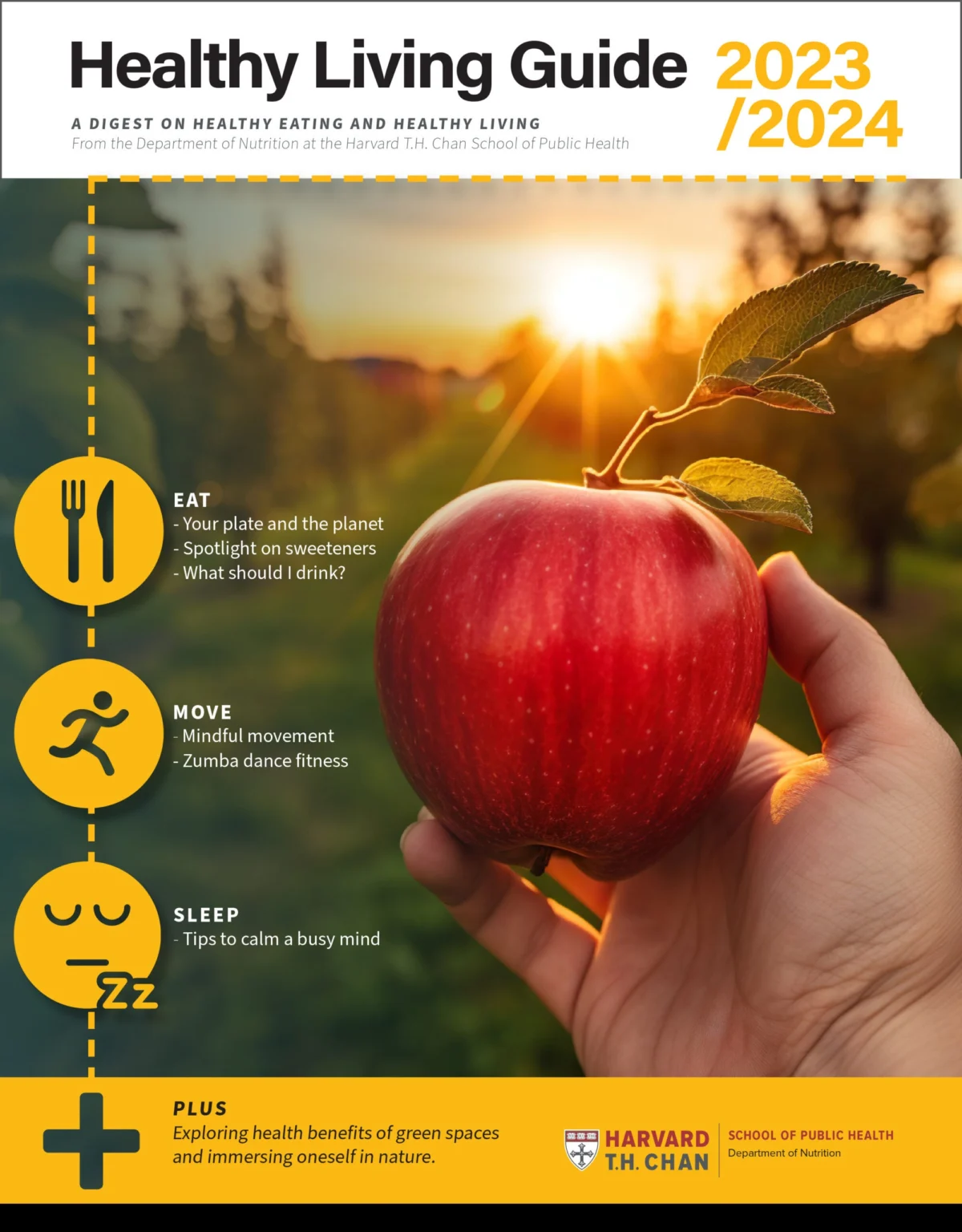
In an era defined by rapid technological advancement and increasing global instability, the quest for personal well-being has become inextricably linked to the health of the planet. As we step into 2024, the Department of Nutrition at the Harvard T.H. Chan School of Public Health has released its fourth annual Healthy Living Guide. This year’s publication marks a significant shift in the scientific approach to wellness, moving beyond simple caloric counting and exercise regimens to embrace the profound, often overlooked intersection of mindfulness, dietary habits, and global sustainability.
Drawing inspiration from the late Zen master Thich Nhat Hanh, who once famously noted, “The apple in your hand is the body of the cosmos,” the latest edition serves as both a roadmap for individual health and a manifesto for planetary stewardship.
The Core Philosophy: Mindfulness as a Public Health Tool
The Thich Nhat Hanh Center for Mindfulness in Public Health
The 2023-2024 edition is fundamentally shaped by a landmark development within the department: the formal establishment of the Thich Nhat Hanh Center for Mindfulness in Public Health. Unlike traditional medical research, which often treats health as a localized physiological state, this new center is tasked with a radical inquiry: How can the ancient practice of mindfulness be operationalized to improve well-being at the population level?
Researchers at the Center are currently investigating how mindful eating—the practice of maintaining a non-judgmental awareness of physical and emotional sensations while eating—can serve as a preventative measure against chronic metabolic diseases. By bridging the gap between individual psychological states and large-scale public health outcomes, the Center aims to influence how global food systems are designed and how communities interact with their environments.
Chronology of Research and Development
To understand the trajectory of the Healthy Living Guide, one must look at the progression of the Department of Nutrition’s focus over the past four years:
- 2020-2021 (The Foundational Year): The guide was born out of the necessity to provide evidence-based health information during the height of the global pandemic. The focus was largely on immunity, home-based physical activity, and stress management.
- 2021-2022 (The Nutritional Deep Dive): The second iteration shifted toward the science of specific nutrient profiles and the debunking of "fad" diets that gained traction during periods of isolation.
- 2022-2023 (The Holistic Integration): This year introduced the "pillars" approach, linking sleep hygiene, consistent physical activity, and dietary quality as an inseparable triad.
- 2023-2024 (The Mindful Transformation): The current guide represents the maturation of these concepts, integrating the philosophy of mindfulness into the scientific data of nutrition, sleep, and movement.
Supporting Data: Emerging Science in Modern Wellness
The 2023-2024 guide synthesizes vast amounts of recent research to provide actionable insights. Key areas of focus include:
1. The Ultra-Processed Food (UPF) Crisis
Perhaps the most alarming data presented in this year’s guide concerns the correlation between ultra-processed foods and mental health. Recent longitudinal studies cited by the Harvard team indicate that diets high in UPFs—products containing high levels of additives, artificial sweeteners, and preservatives—are associated with an increased risk of depressive symptoms. The guide posits that the "mindless" consumption of these foods disrupts the gut-brain axis, potentially exacerbating anxiety and cognitive decline.
2. Physical Activity: The Rhythm of Movement
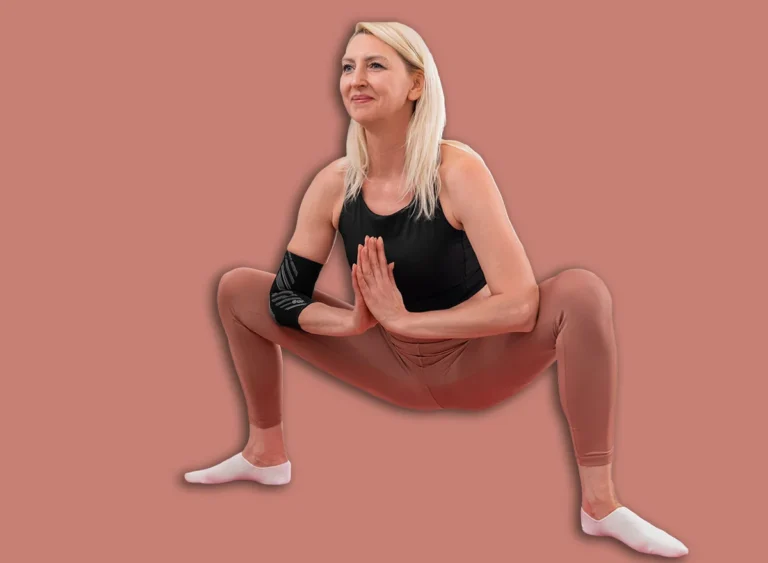
Moving beyond the "10,000 steps" metric, this year’s research highlights the physiological benefits of "joyful movement." The report showcases evidence regarding the efficacy of group-based activities, such as Zumba. The data suggests that when exercise is combined with music and social interaction, the release of endorphins and dopamine is significantly higher than in solitary, mechanical exercise, leading to greater long-term adherence.
3. Chronotypes and Circadian Health
The guide also addresses the science of "chronotypes"—the biological predisposition of an individual to be an "early bird" or a "night owl." By analyzing sleep latency and quality, the researchers emphasize that a "one-size-fits-all" sleep schedule is outdated. The report provides evidence that aligning work and social responsibilities with one’s natural internal clock is a critical, yet underutilized, intervention for metabolic health and hormonal regulation.
Official Responses and Expert Perspectives
Experts from the Harvard T.H. Chan School of Public Health emphasize that this year’s guide is not meant to be a restrictive rulebook. "The goal is not to create more anxiety about health," says a representative from the department. "The goal is to empower individuals to make choices that are both good for their bodies and sustainable for the environment."
The consensus among the contributors is that "Healthy Living" has become a buzzword often co-opted by marketing interests. By publishing a transparent, peer-reviewed, and free resource, the Department of Nutrition seeks to reclaim the narrative. They argue that healthy eating is an act of mindfulness—a conscious decision to acknowledge the source of one’s food, the labor involved in its production, and the impact of its consumption on the planet.
Implications: A New Era for Public Health Policy
The implications of this report are far-reaching. By shifting the focus toward mindfulness, the Department of Nutrition is signaling a change in how public health messaging should be constructed.
Global Sustainability
The guide draws a direct line between personal food choices and the "planetary health" diet. The research suggests that a diet rich in plant-based, whole foods is not only optimal for human heart health but is also the most effective way to reduce an individual’s carbon footprint. This represents a fundamental shift in public health: health is no longer viewed as an isolated outcome but as a byproduct of a balanced relationship with the biosphere.
Workplace and Institutional Change
The findings on sleep chronotypes and the mental health impacts of diet have significant implications for corporate and academic environments. The guide encourages institutions to adopt more flexible scheduling and to provide access to whole-food options in communal spaces. If, as the data suggests, mental health is inextricably linked to nutrition and circadian alignment, then institutional wellness policies must evolve to reflect these biological realities.
The Challenge of Access
While the Healthy Living Guide provides the "how-to," the authors acknowledge the systemic challenges of access. A significant portion of the population lives in "food deserts" where fresh, unprocessed foods are unavailable or unaffordable. The guide calls for policy-level advocacy to ensure that the knowledge shared within these pages is not a privilege of the few, but a standard for all.
Conclusion: A Call to Mindful Action
As we navigate 2024, the Healthy Living Guide serves as a sobering yet hopeful reminder of our potential for change. The integration of mindfulness into the bedrock of public health research is not merely a trend; it is a necessary evolution in how we treat the human organism.
Whether through the simple act of choosing a whole apple over a processed snack, or by honoring one’s own biological sleep needs, the path to better health is paved with small, conscious decisions. The Harvard Department of Nutrition invites readers to move away from the frantic pace of modern life and toward a more deliberate, informed, and compassionate way of living.
For those looking to start their journey, the full 2023-2024 Healthy Living Guide is available for download, complete with printable tip sheets, meal-planning summaries, and an updated knowledge quiz to help readers assess their progress. In the words of the guide, "May your 2024 be a year of fulfillment, health, and profound mindfulness."
To access the full suite of resources, including the printable PDF, interactive quizzes, and deeper dives into the research mentioned, please visit the official Harvard T.H. Chan School of Public Health Nutrition Source website.