










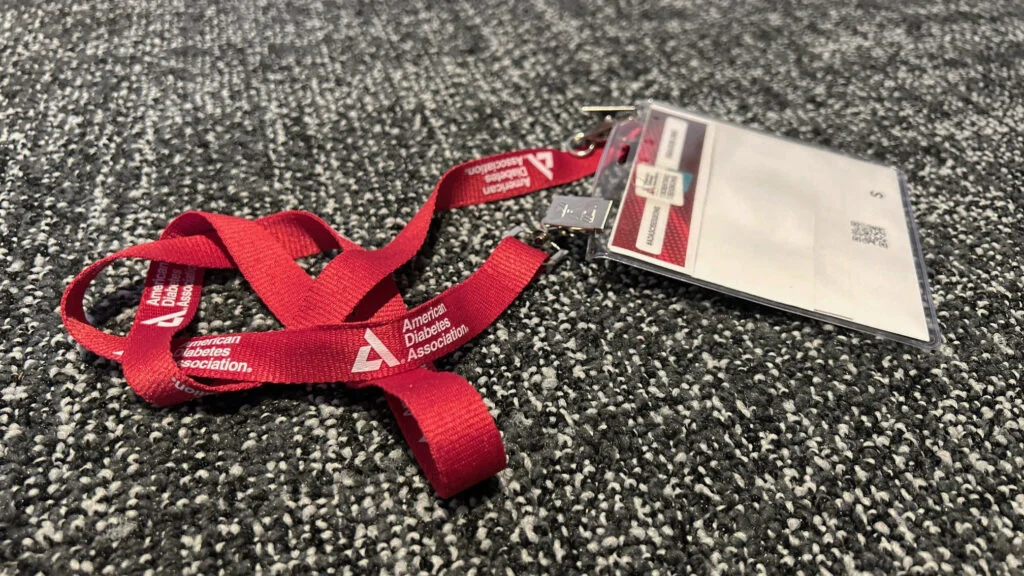
The American Diabetes Association (ADA), one of the world’s most influential medical organizations, finds itself embroiled in a deepening internal crisis. Three months after the dramatic expulsion of five members from its annual scientific conference in New Orleans, the dust has far from settled. What was initially framed by the organization as a closed chapter has instead evolved into a complex investigation, revealing significant internal fractures regarding governance, transparency, and the limits of dissent within a professional medical society.
Main Facts: A Disputed Expulsion
On June 5, the ADA made the extraordinary decision to remove five attendees from its annual conference. The incident, which occurred in the high-stakes environment of one of the largest diabetes research gatherings in the world, drew immediate condemnation from onlookers and raised alarm bells regarding the ADA’s commitment to fostering open scientific discourse.
The incident was initially met with silence by the organization’s leadership, followed by a top-line summary issued on September 1. In that report, the ADA maintained that the expulsion did not constitute an attempt to censor specific scientific or political opinions. However, the internal Audit and Governance Committee (AGC) has since signaled that the initial review was fundamentally incomplete.
The core of the dispute rests on whether the ADA’s leadership used security protocols to suppress voices that were critical of the organization’s policies or research directions. The ADA has officially denied these claims, but the AGC’s recent admission—that its own initial findings failed to capture the "breadth and depth" of the situation—has cast a long shadow over the credibility of the organization’s internal investigation.
Chronology of the Incident and Aftermath
The trajectory of this controversy has been marked by a series of delays and conflicting narratives:
- June 5: The five members are expelled from the ADA conference in New Orleans, sparking immediate controversy and viral social media backlash.
- June–August: A period of internal investigation begins, led by the ADA’s Audit and Governance Committee (AGC). During this time, the ADA faces mounting pressure from its membership to provide a clear justification for the security intervention.
- September 1: The ADA releases its top-line findings, claiming the expulsion was handled according to established protocols and denying any intent to censor opinions.
- September 8 (approx.): In a surprise reversal, the AGC notifies the ADA Board of Directors that the September 1 findings were based on an incomplete set of data and interviews.
- The Present: The organization is currently in a state of flux, awaiting a "supplemental" report from the AGC that may force the Board of Directors to reconsider its previous stance and potentially initiate further disciplinary or policy actions.
Supporting Data and Internal Friction
The situation is complicated by the nature of the AGC’s recent statement. The committee acknowledged that "certain interviews" were conducted after the initial findings were already prepared. In the context of corporate and organizational governance, this is a significant admission. It suggests a lack of coordination or, at worst, an attempt to rush a conclusion before the full facts had been ventilated.
While the full report remains confidential, the admission by the AGC suggests that the investigation’s scope was far wider than the public was initially led to believe. Observers note that when an audit committee openly admits its initial report did not account for the "full breadth and depth" of an incident, it is a clear indicator that the initial investigation was either intentionally narrowed or fundamentally flawed.

For the membership of the ADA—comprising thousands of doctors, researchers, and patient advocates—this lack of clarity is particularly damaging. The ADA relies on the trust of the medical community to set standards of care and influence federal research funding. When that trust is compromised, the legitimacy of its scientific guidance is called into question.
Official Responses and the Stance of the Board
The ADA’s communication strategy has been characterized by defensive posturing followed by reluctant transparency. In its Sunday release, the organization stated:
"The AGC has notified the Board that its initial findings did not take into account the full breadth and depth of the AGC’s investigation and certain interviews that were conducted after the initial findings were prepared. Additional findings are expected to be presented to the Board, which may clarify or correct information previously provided and could result in further actions by the Board."
This statement is a remarkable pivot. By acknowledging that previous information may need to be "clarified or corrected," the ADA leadership is implicitly admitting that the September 1 summary may have been misleading. The "further actions" mentioned in the statement remain the subject of intense speculation within the medical community, with some calling for a public apology to the expelled members, and others demanding the resignation of those responsible for the security decisions on June 5.
Implications: The Future of Dissent in Medical Societies
The implications of this incident extend far beyond the immediate fallout in New Orleans. Medical societies are increasingly facing pressure to balance their roles as professional gatekeepers with their responsibilities to protect academic freedom.
1. The Erosion of Institutional Trust
The ADA’s handling of this incident risks alienating a significant portion of its base. When members feel that they can be silenced or removed for challenging the status quo, they are less likely to participate in future scientific dialogues. This creates an echo chamber that is antithetical to the goals of medical research.
2. The Governance Gap
The fact that the Board of Directors was presented with an incomplete report suggests a potential breakdown in governance. Does the Board hold enough power to oversee the committees, or are the committees operating in silos? The coming months will likely see calls for a restructuring of how the ADA manages its internal inquiries to ensure that transparency is not sacrificed for the sake of reputation management.

3. The Precedent for Future Conferences
What happens when a researcher at a major conference poses a question that the organizers find disruptive? The ADA has set a precedent that could be used by other organizations to justify the removal of critics. Conversely, if the ADA is eventually forced to apologize or change its policies, it could set a positive precedent for the protection of dissenters in professional settings.
4. Legal and Reputational Risk
While no legal filings have been widely publicized, the threat of civil litigation regarding the June 5 expulsion remains a non-zero possibility. If the expelled members were targeted based on their viewpoints, they may have grounds for claims related to contractual breach or professional harm. Furthermore, the reputational cost—the loss of prestige and the "taint" of censorship—is a currency that the ADA cannot afford to spend lightly.
Conclusion: A Call for Accountability
The American Diabetes Association stands at a crossroads. By acknowledging that its initial inquiry was insufficient, the organization has opened the door to a more painful, but necessary, period of self-reflection. The membership is no longer satisfied with top-line summaries or vague assurances of "due process."
As the Board of Directors prepares to receive the supplemental findings from the Audit and Governance Committee, the organization faces a critical test. Will it use this as an opportunity to implement genuine reforms, ensure total transparency, and restore its role as a champion of free and open scientific debate? Or will it continue to manage the fallout through incremental, defensive releases?
The eyes of the medical community remain fixed on New Orleans—or rather, on the events that took place there in June. The story is far from over, and for the ADA, the cost of silence may ultimately prove far higher than the cost of admitting to, and correcting, its errors. The coming report is not just a document; it is a litmus test for the future of the organization. If the ADA wishes to remain a leading voice in the fight against diabetes, it must prove that it is capable of holding itself to the same rigorous standards of accountability that it expects from the scientists it represents.