










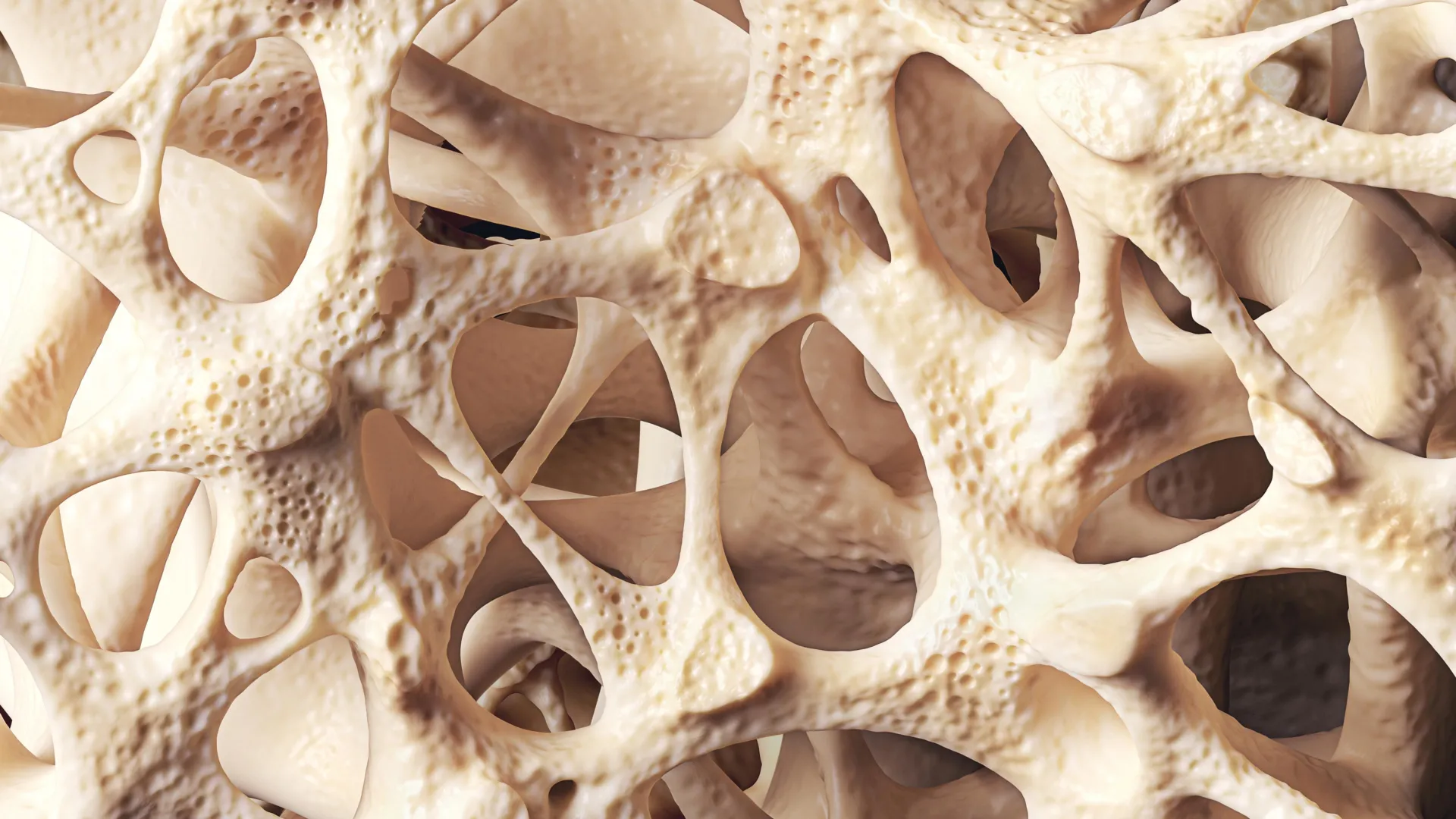
Around 40% of the global adult population is currently living with a condition that often goes unnoticed until it is too late: osteopenia. Frequently described as the "precursor" to osteoporosis, osteopenia represents a significant reduction in bone mineral density (BMD) that sits just below the threshold of normal, yet above the diagnostic criteria for more advanced bone disease. With over 500,000 fractures occurring annually in the UK alone due to low bone density, this silent, systemic issue is increasingly recognized as a major public health crisis.
The Nature of the Condition: What is Osteopenia?
Osteopenia is a state of bone density loss where the skeletal structure is weaker than that of a healthy young adult, but not yet brittle enough to be classified as osteoporosis. Because it is largely asymptomatic, many individuals remain oblivious to the state of their skeletal health until they experience a fragility fracture—a break that occurs from a fall that would not typically cause injury in a person with healthy bones.
Bone is not a static, inanimate object; it is a dynamic, living tissue. Throughout our lives, our bodies engage in a process known as bone remodeling, a continuous cycle of renewal. In this process, specialized cells break down old or damaged bone tissue (resorption), while others build new, healthy tissue (formation).
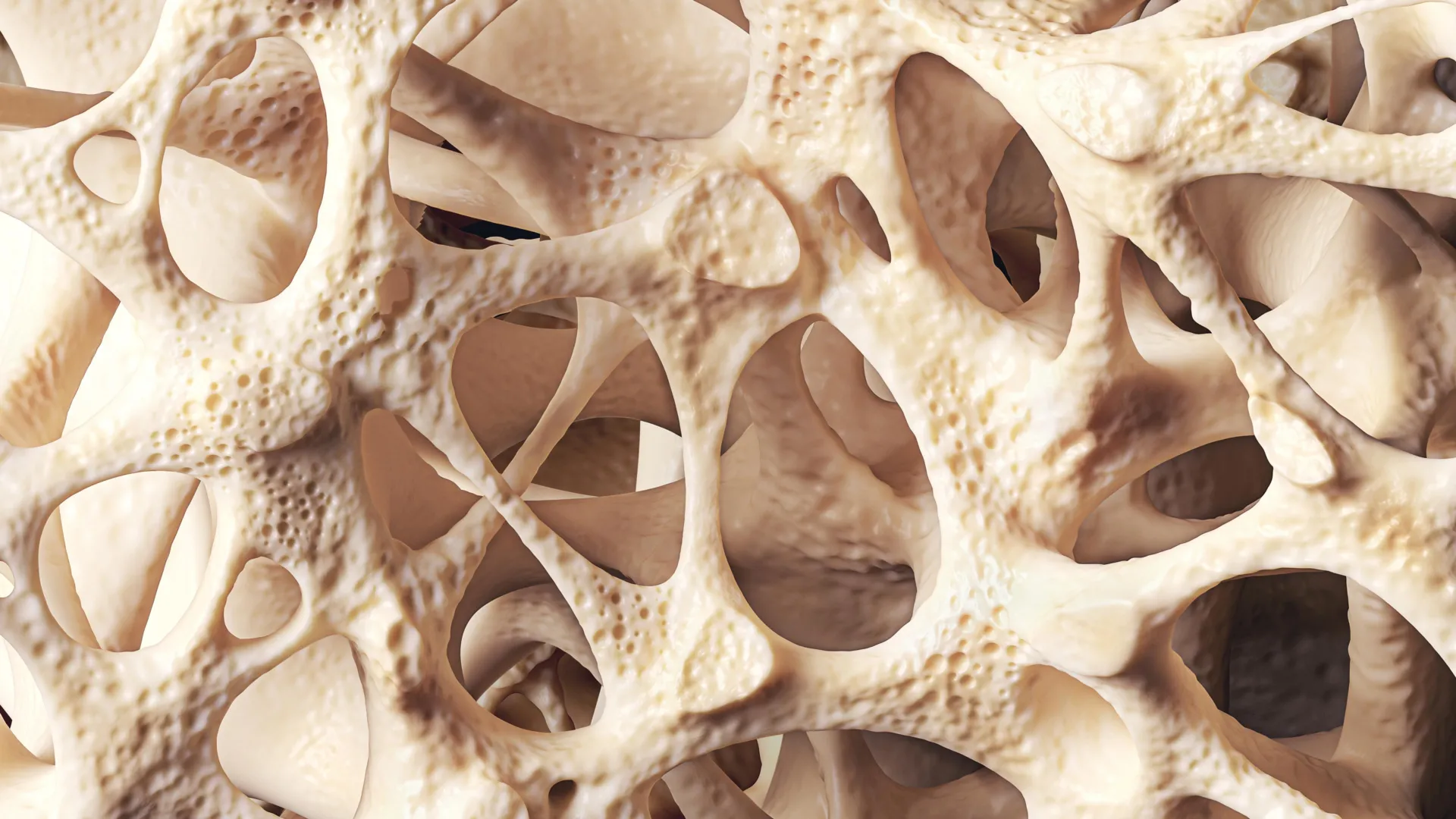
In our early adult years, this process is characterized by equilibrium. However, once we reach our peak bone mass—typically in our mid-20s to early 30s—the tide begins to turn. For the remainder of our lives, the rate of bone resorption gradually begins to outpace the rate of bone formation. When this disparity becomes significant, the result is the porous, thinner architecture associated with osteopenia.
Chronology of Bone Density: From Peak to Decline
To understand the trajectory of bone health, one must view it as a lifelong investment.
The Formative Years (Adolescence to Age 30)
The foundation of skeletal health is built in the first three decades of life. During these years, the focus is on achieving the highest possible "peak bone mass." Nutrition rich in calcium and vitamin D, combined with weight-bearing physical activity, serves as the primary driver for bone density accumulation.
The Plateau and Early Shift (Ages 30–50)
Following the attainment of peak bone mass, the body enters a period of relative stability. However, as individuals approach the age of 50, the subtle imbalance between bone breakdown and creation begins to accelerate. This is the period where early indicators of osteopenia may begin to manifest, though they remain invisible to the naked eye.
The Post-Menopausal and Senior Years (Ages 50+)
The most dramatic shift in bone density often occurs following the menopause. The decline in estrogen—a hormone that plays a protective role by inhibiting the cells that break down bone—means that women are particularly vulnerable. Studies indicate that approximately one in two women over the age of 50 will suffer a fragility fracture. For the elderly, this decline continues, making falls a life-altering event.
Supporting Data and Risk Factors
The medical community categorizes risk factors into two groups: non-modifiable and modifiable. While we cannot change our age or genetic predisposition, we have significant control over the lifestyle choices that dictate the speed of bone loss.
The Role of Biology and Hormones
Ageing is the primary, unavoidable risk factor. Beyond this, hormonal fluctuations—specifically the loss of estrogen in women and the decline of testosterone in men—are major drivers of bone density depletion. Certain chronic conditions also interfere with the body’s ability to maintain bone density, including:
- Gastrointestinal issues: Conditions like coeliac disease and Crohn’s disease can severely impair the absorption of vital nutrients like calcium and vitamin D.
- Medication side effects: Long-term use of corticosteroids, often prescribed for inflammatory conditions, is a known culprit in the reduction of bone mineral density.
The Modifiable Lifestyle Factors
Lifestyle choices act as a catalyst for bone loss. The following behaviors are strongly correlated with decreased bone strength:
- Smoking: Chemicals in tobacco interfere with the body’s ability to use calcium and estrogen.
- Alcohol Consumption: Excessive intake can disrupt the balance of calcium and the production of hormones necessary for bone health.
- Physical Inactivity: Bones require mechanical stress to remain strong. A sedentary lifestyle essentially sends a signal to the body that dense bone is unnecessary, leading to increased resorption.
- Nutritional Deficiencies: A lack of calcium and vitamin D creates a "resource deficit," preventing the body from performing the necessary repairs during the remodeling process.
Clinical Diagnosis and Official Medical Perspectives
The diagnosis of osteopenia is rarely based on symptoms; rather, it is a data-driven process. The gold standard for assessment is the Dual-energy X-ray Absorptiometry (DXA) scan.
Understanding the T-Score
The DXA scan provides a T-score, which serves as the diagnostic benchmark. This score compares the patient’s bone density to that of a healthy 30-year-old.
- Normal: A T-score of -1.0 or higher.
- Osteopenia: A T-score between -1.0 and -2.5.
- Osteoporosis: A T-score of -2.5 or lower.
Medical professionals use these scores in conjunction with fracture risk assessment tools (such as FRAX) to calculate the ten-year probability of a fracture. This assessment accounts for personal and family history, medication use, and comorbidities.
Implications: A Call to Early Intervention
The most critical message for the public is that osteopenia is not an inevitable path to osteoporosis. It is, instead, a "yellow light"—a warning sign that allows for intervention before the skeletal system reaches a critical state.
Lifestyle as Medicine
For many, the first line of defense is a lifestyle overhaul. Weight-bearing exercises—such as brisk walking, jogging, dancing, or climbing stairs—are essential. These activities force the bones to work against gravity, stimulating the formation of new tissue. Resistance training further reinforces this by building the muscle strength required to support the skeleton and improve balance, thereby reducing the likelihood of falls.
The Role of Nutrition and Pharmacotherapy
While diet remains the cornerstone of bone health, supplementation is often necessary. Given the prevalence of vitamin D deficiency in many regions, clinicians frequently recommend supplementation to ensure the body can effectively absorb the calcium it needs.
In cases where the risk of fracture is deemed high, pharmacological intervention may be necessary. Antiresorptive drugs, such as bisphosphonates, work by slowing the cells that break down bone. While these are the standard of care for osteoporosis, they are increasingly being prescribed to high-risk patients with osteopenia to "lock in" existing bone density and prevent further decline.
The Future of Bone Health
We are shifting from a paradigm of "treating breaks" to "preventing fractures." The modern medical consensus is clear: bone health is a cumulative result of our entire lifespan. By viewing osteopenia as a point of intervention rather than an inevitable aging process, we can effectively mitigate the burden on healthcare systems.
Progression to osteoporosis is not a certainty. Through early detection via DXA screening, the adoption of bone-strengthening exercise, and a proactive approach to nutrition and hormonal health, individuals can maintain their independence and mobility well into their later years. The goal is simple but profound: to ensure that the skeleton remains a sturdy framework rather than a source of fragility. The silent epidemic of osteopenia can be managed, but only if we listen to the warning signs before the first fracture occurs.