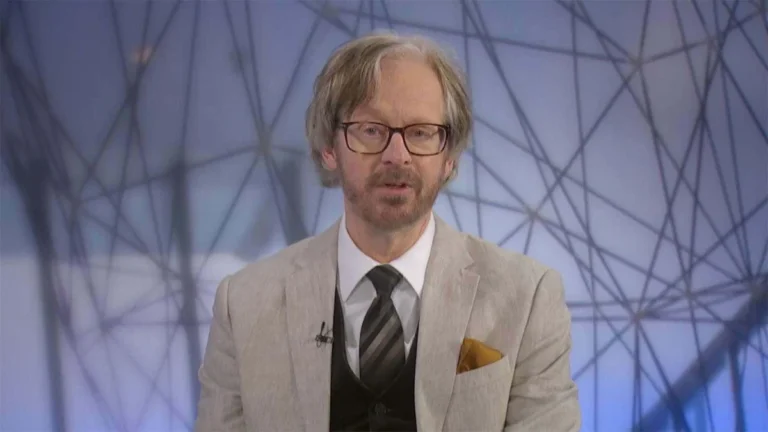










By Randall Dwenger, M.D.
In the span of a single generation, the American landscape regarding cannabis has undergone a seismic shift. Once relegated to the fringes of counterculture and strictly prohibited by federal law, marijuana has been rebranded as a mainstream consumer product. With over 37 states now permitting medical use and more than 20 states legalizing recreational consumption, the cultural perception of cannabis has transitioned from "illicit drug" to "safe commodity."
However, this societal adaptation masks a sobering reality: while our laws have evolved, human biology has not. For adolescents and young adults whose brains are in a critical state of neurological development, the current environment of high-potency products and ubiquitous marketing represents an unprecedented public health challenge.
Main Facts: The New Reality of Consumption
The "new normal" of cannabis is characterized by a dangerous disconnect between public perception and pharmacological reality. Many parents and community members operate under the assumption that today’s marijuana is similar to the substance consumed in previous decades. This is a profound misconception.
Today’s cannabis is significantly more potent, more accessible, and more aggressively marketed than ever before. The increase in availability—both through licensed dispensaries and a rampant, unregulated "grey market"—has made cannabis a constant presence in the lives of American youth. Furthermore, the diversification of delivery methods, from candy-like edibles to high-concentration wax and shatter, has effectively lowered the barrier to entry for underage users, masking the potency of the drug behind flavors and formats that appeal to younger demographics.
Chronology: A Rapid Path to Normalization
The trajectory of the cannabis industry’s expansion in the United States has been nothing short of explosive.
- 2012–2020: The number of American marijuana users saw a dramatic climb from 28 million to 47 million.
- 2020: Legal cannabis sales reached $17.5 billion, representing a 46% increase over 2019.
- January 2023: Connecticut launched its adult-use cannabis market, recording $5 million in sales in its first month. By May, that figure had more than doubled.
- June 2023: New Jersey reported $180 million in legal sales, while New York state projected an annual revenue of $4.2 billion, highlighting the massive economic incentives driving the normalization of the industry.
- Current Outlook: Experts predict that the U.S. cannabis market could balloon to $41.5 billion by 2025, a growth rate that continues to outpace the development of regulatory safeguards for minors.
Supporting Data: The Potency and Prevalence Gap
To understand the risk, one must look at the chemistry. In the 1990s, the average THC concentration in seized cannabis samples was roughly 4%. Today, it is common to find commercially available strains with 15% to 30% THC, with refined products like "shatter" and "dabs" reaching concentrations as high as 95%. This hyper-potent THC exposure is entirely foreign to the evolutionary history of the human brain.
The prevalence of use is equally concerning. Data suggests that 2.5 million teens between the ages of 12 and 17 are regular consumers. Among 12th graders, roughly 30.5% report having used cannabis within the past year. This is not a marginal issue; it is a widespread behavior pattern fostered by a digital marketing ecosystem that specifically targets youth while navigating the loopholes of age-restricted advertising.
The Marketing Machine
From billboards in the Berkshires promising "better health" to social media campaigns that normalize daily use, the cannabis industry has mastered the art of omnipresent branding. By positioning products as wellness aids, dispensaries create a "halo effect," convincing consumers—including teenagers—that the substance is medically benign. This marketing is a primary driver of the false sense of safety that prevents families from having critical conversations about the risks of usage.
Implications: The Neurobiological Vulnerability of the Teen Brain
The most significant point of friction between modern cannabis culture and public health is the fact that the human brain remains under construction until approximately age 25. Specifically, the prefrontal cortex—the command center for judgment, impulse control, and executive function—is the last region to reach maturity.
The Mental Health Nexus
The implications of exposing this developing organ to high-potency THC are severe. Research from Columbia University reveals that teens who use cannabis recreationally are two to four times more likely to develop psychiatric disorders, including clinical depression and suicidality, compared to their non-using peers.
We are also witnessing a troubling surge in cannabis-induced psychosis. Users, particularly those consuming high-THC concentrates, are increasingly presenting with symptoms of paranoia, severe confusion, and acute psychological distress. While the debate regarding a direct causal link to schizophrenia remains ongoing, the vulnerability of the late-adolescent brain to these acute episodes is undisputed in the clinical community.
The "Gateway" Concern
Beyond direct psychiatric impacts, cannabis often serves as a "gateway"—not merely in the sociological sense, but in the physiological sense of introducing a young person to the habit of mood-altering substance use. Once the threshold for chemical coping is crossed, the trajectory toward more dangerous substances, including opioids, benzodiazepines, and stimulants, becomes statistically more likely.
Official Responses and The Path Forward
Addressing this crisis requires a two-pronged approach: rigorous self-reflection by adults and proactive, honest communication with the youth.
Taking Our Own Pulse
Adults must first examine their own relationship with cannabis. A 2019 study from the University of Washington found that children of chronic marijuana users were 4.5 times more likely to use marijuana and 2.75 times more likely to use alcohol than children of non-users. We cannot expect our children to prioritize their brain health if we are not modeling the behavior we wish to see.
The Necessity of Dialogue
"Practicing what we preach" is essential, but we must also preach. Parents, teachers, and coaches must move past the fear of confrontation and engage in frank, open discussions with teens about their values, their pressures, and the reality of how these substances interfere with their long-term potential.
These conversations should not be lectures; they should be collaborative explorations of why a young person might feel the need to use cannabis—whether to mask anxiety, manage social stress, or simply to fit in. By identifying the underlying need, we can provide healthier outlets and professional support before a habit becomes a disorder.
Seeking Professional Support
Finally, we must destigmatize the act of seeking help for cannabis use disorder. If a teen or young adult is showing signs of dependency, withdrawal, or declining performance in school and social settings, professional intervention is necessary.
As a society, we have allowed the economic allure of a new industry to outpace our protection of the next generation. It is time to recalibrate our priorities. The legalization of cannabis may be a political reality, but the protection of the developing brain is a moral imperative. We must inform ourselves, monitor our communities, and, most importantly, empower our youth to make decisions that prioritize their mental health over the industry’s bottom line.