








Published: September 9, 2026
For millions of professionals, the modern workday is defined by a singular, persistent posture: the "desk slouch." As global work culture continues to favor extended periods of computer-based tasks, the physical toll of sedentary behavior has become a primary concern for occupational health experts. Yet, the prevailing narrative surrounding workplace wellness—which often demands grueling, hour-long gym sessions or rigid exercise regimens—frequently misses the mark for the average employee.
For many, the pressure to "get fit" while simultaneously struggling to meet professional deadlines creates a paralyzing, all-or-nothing mentality. This creates a cycle of guilt and physical stagnation. However, a growing body of evidence suggests that the solution is not a complete lifestyle overhaul, but rather the strategic implementation of "movement snacks." A five-minute yoga break, designed specifically for the desk-bound worker, offers a full-body reset that significantly improves both physical comfort and cognitive productivity.
The Physiology of the Desk Slouch
The human body is evolutionarily designed for movement, not for static, seated positions. When we spend hours hunched over a keyboard, we enter a state of muscular compensation. The chest muscles tighten, the shoulders round forward, the hip flexors shorten, and the spine loses its natural curvature. Over time, this leads to chronic tension, decreased circulation, and a decline in cognitive alertness—often referred to as "brain fog."
Occupational therapists emphasize that the goal of a movement break is not necessarily to burn calories, but to interrupt the "holding pattern" of the body. By shifting the position of the joints and engaging neglected muscle groups, we signal to the nervous system that it is time to exit the "fight or flight" stress response often associated with high-pressure work environments.
Chronology of a Full-Body Reset
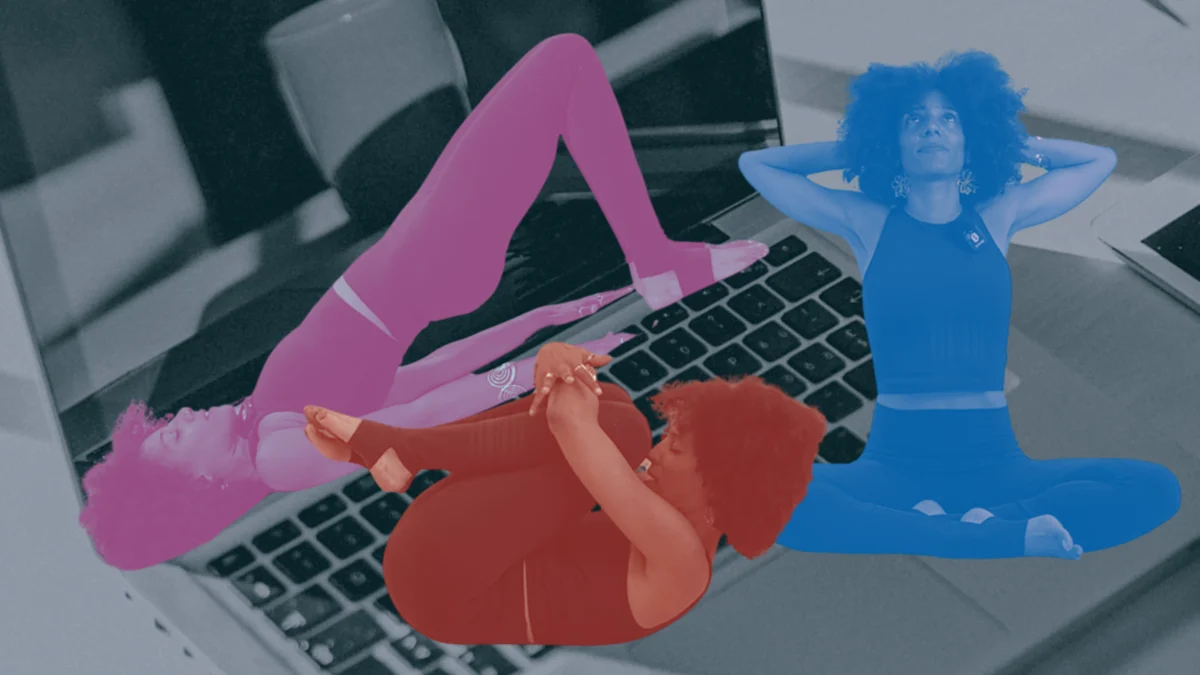
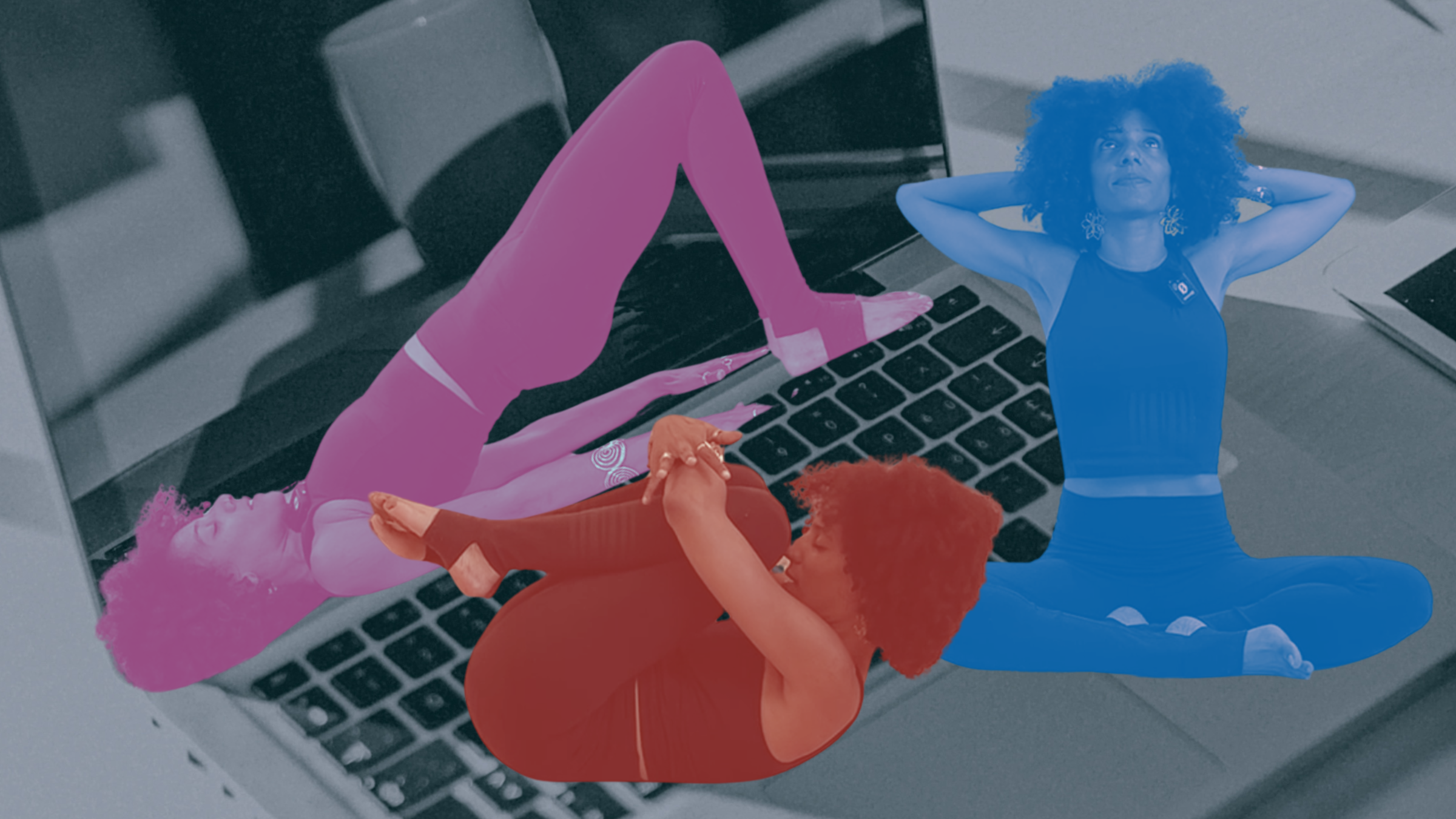
This 12-step sequence is curated to be completed in five minutes or less. Whether you are using a dedicated yoga mat or simply clearing space on your office floor, these movements follow a logical progression: from initial spinal activation to deep release and final recalibration.
Phase 1: Awakening the Body (Poses 1–3)
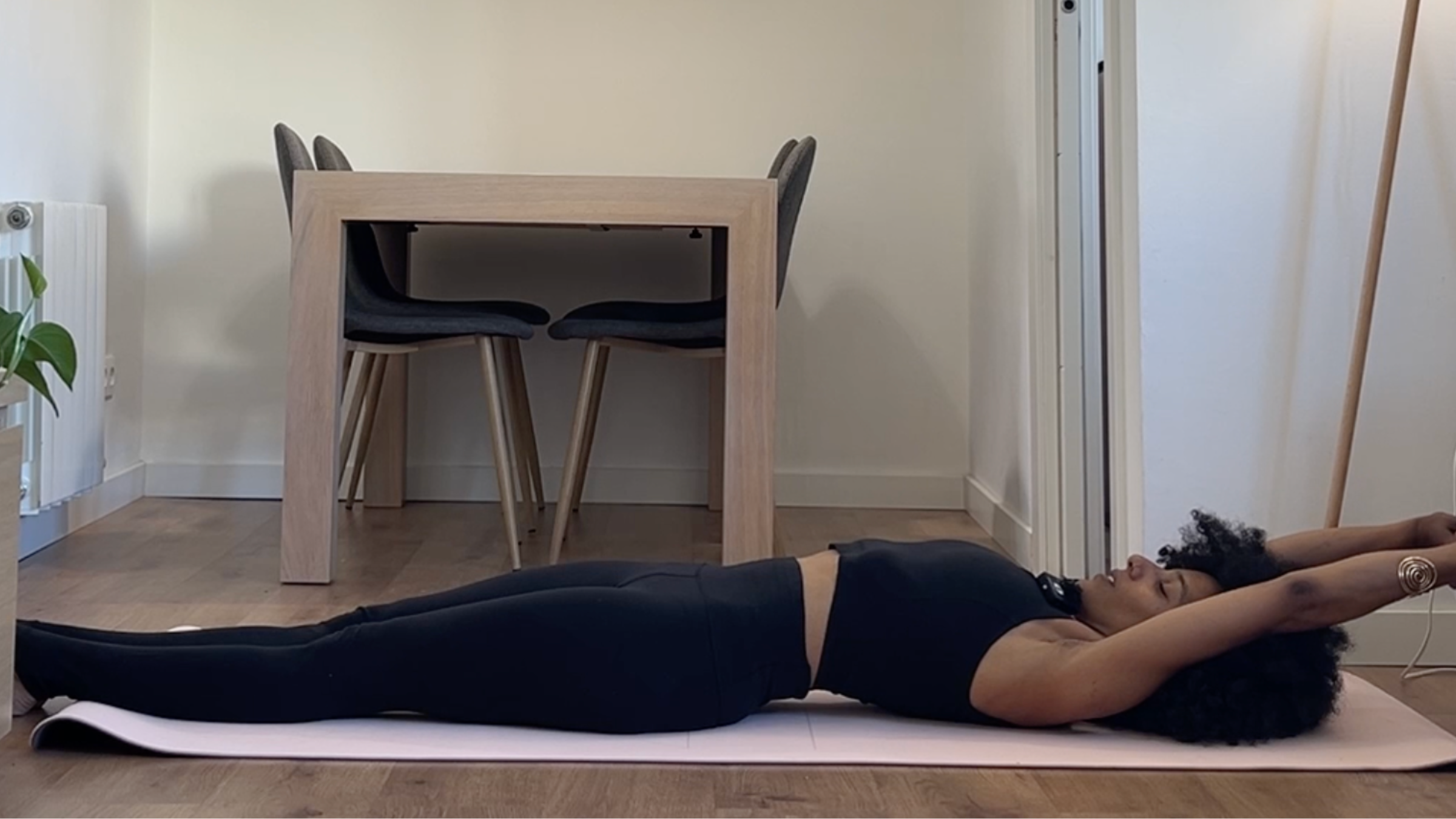
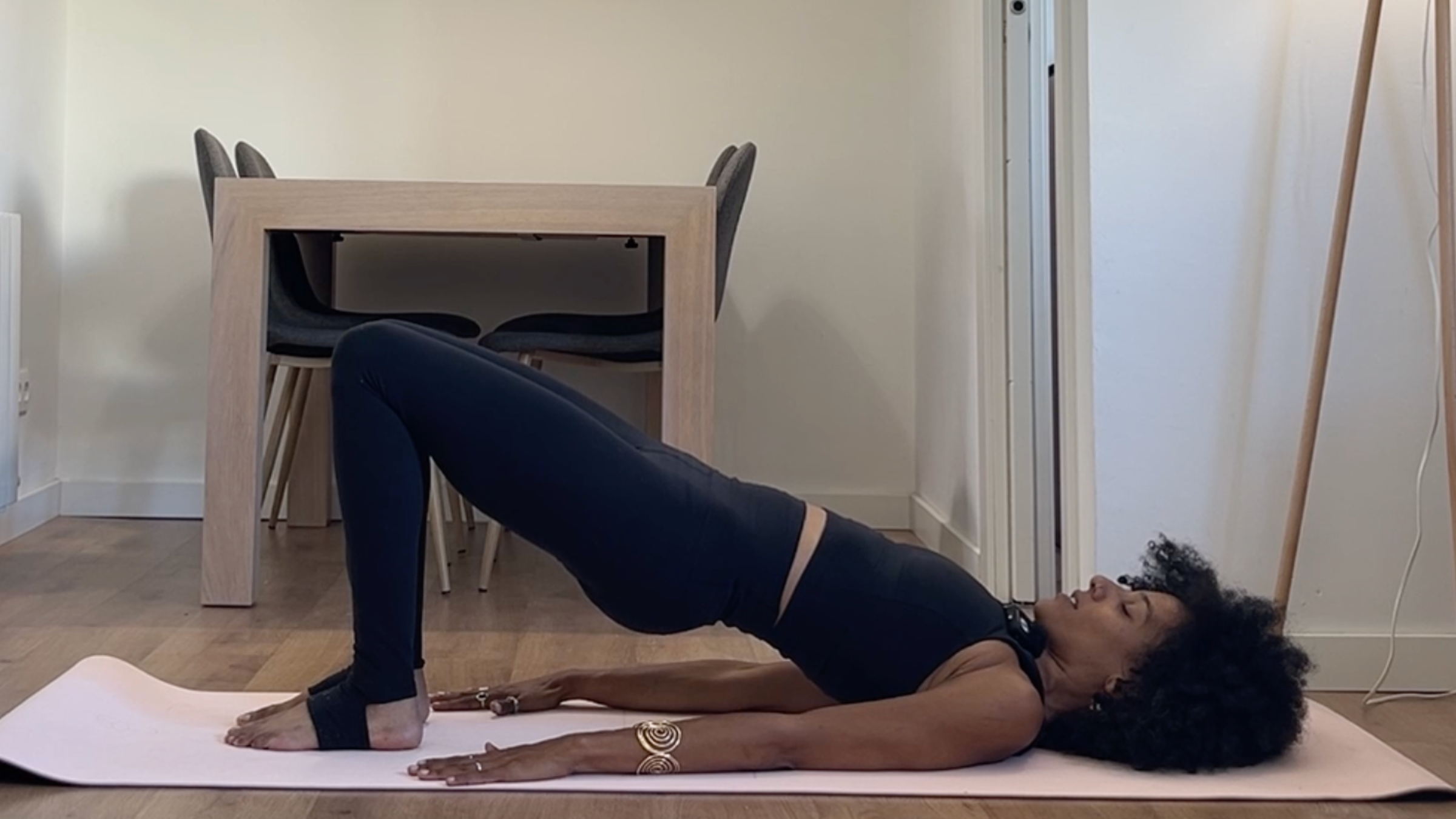
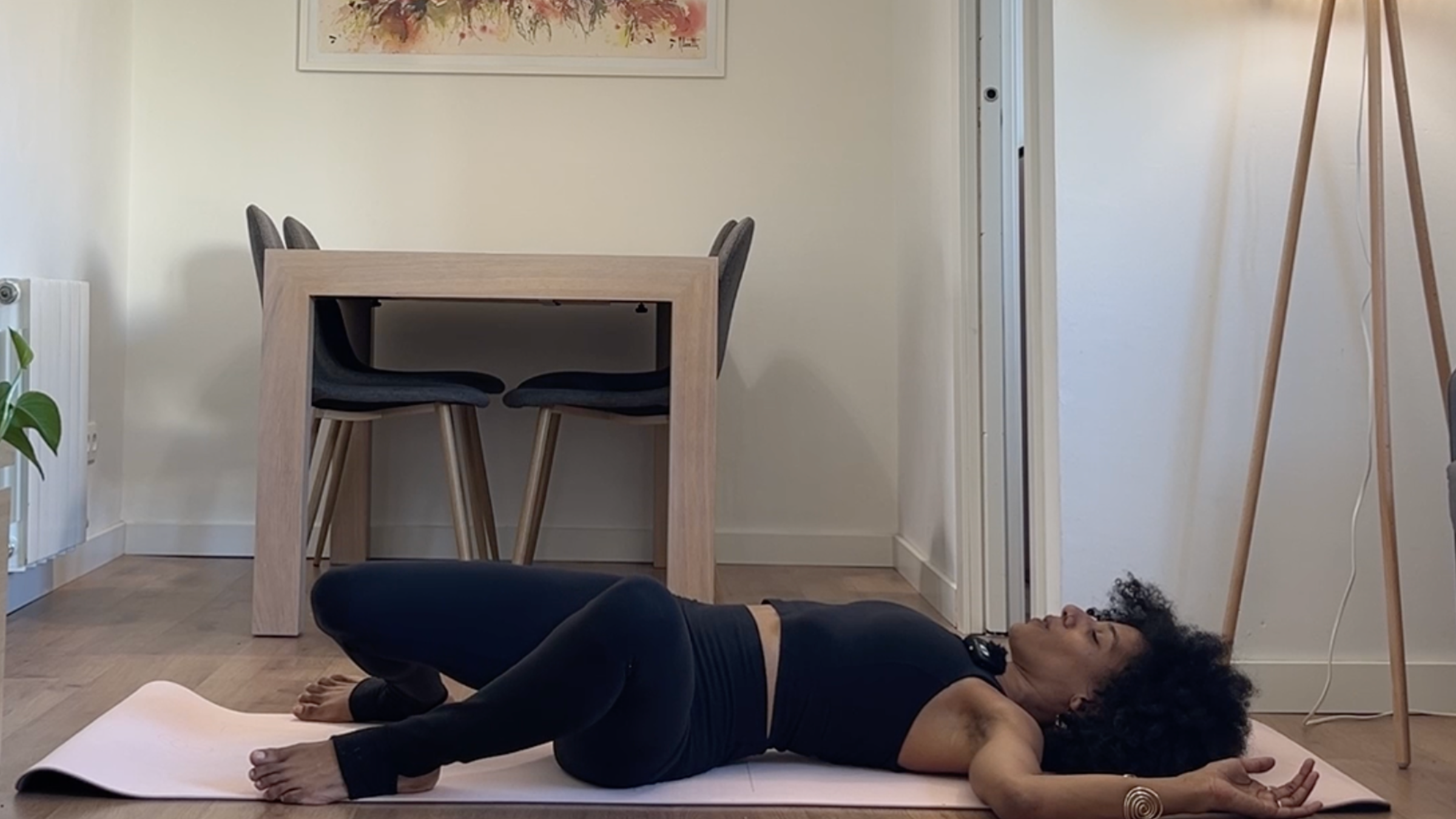
The sequence begins with a Full-Body Stretch to signal to the nervous system that movement has commenced. By lying supine and extending the limbs, we counteract the compression of the spine. This is followed by Bridge Pose, which activates the glutes and opens the hip flexors—the very muscles that become chronically tight during prolonged sitting. We conclude this phase with Windshield Wipers, a dynamic movement that releases the lower back and promotes lateral spinal mobility, essential for those who spend their day in a fixed, forward-facing orientation.
Phase 2: Targeted Release (Poses 4–8)
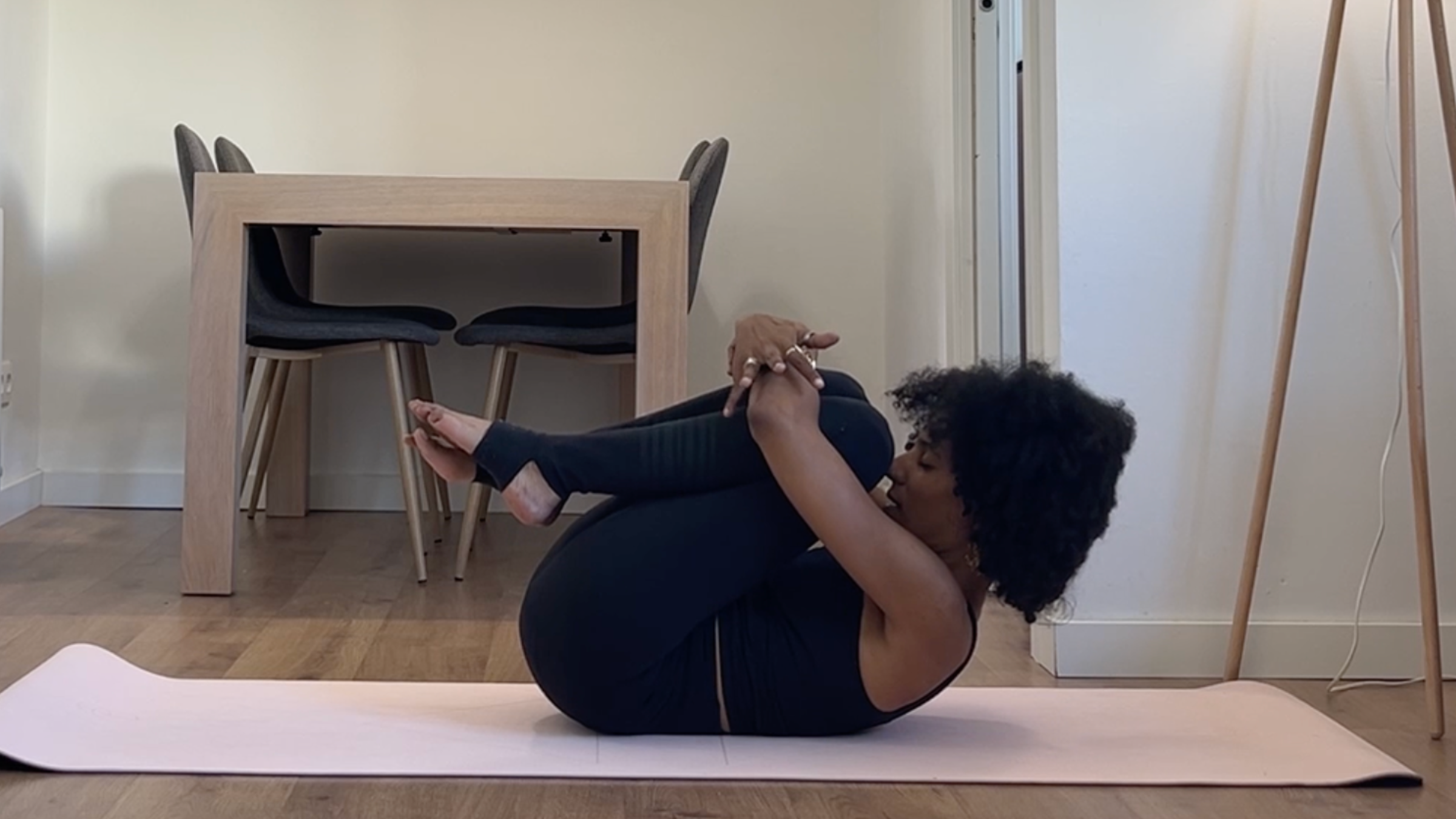
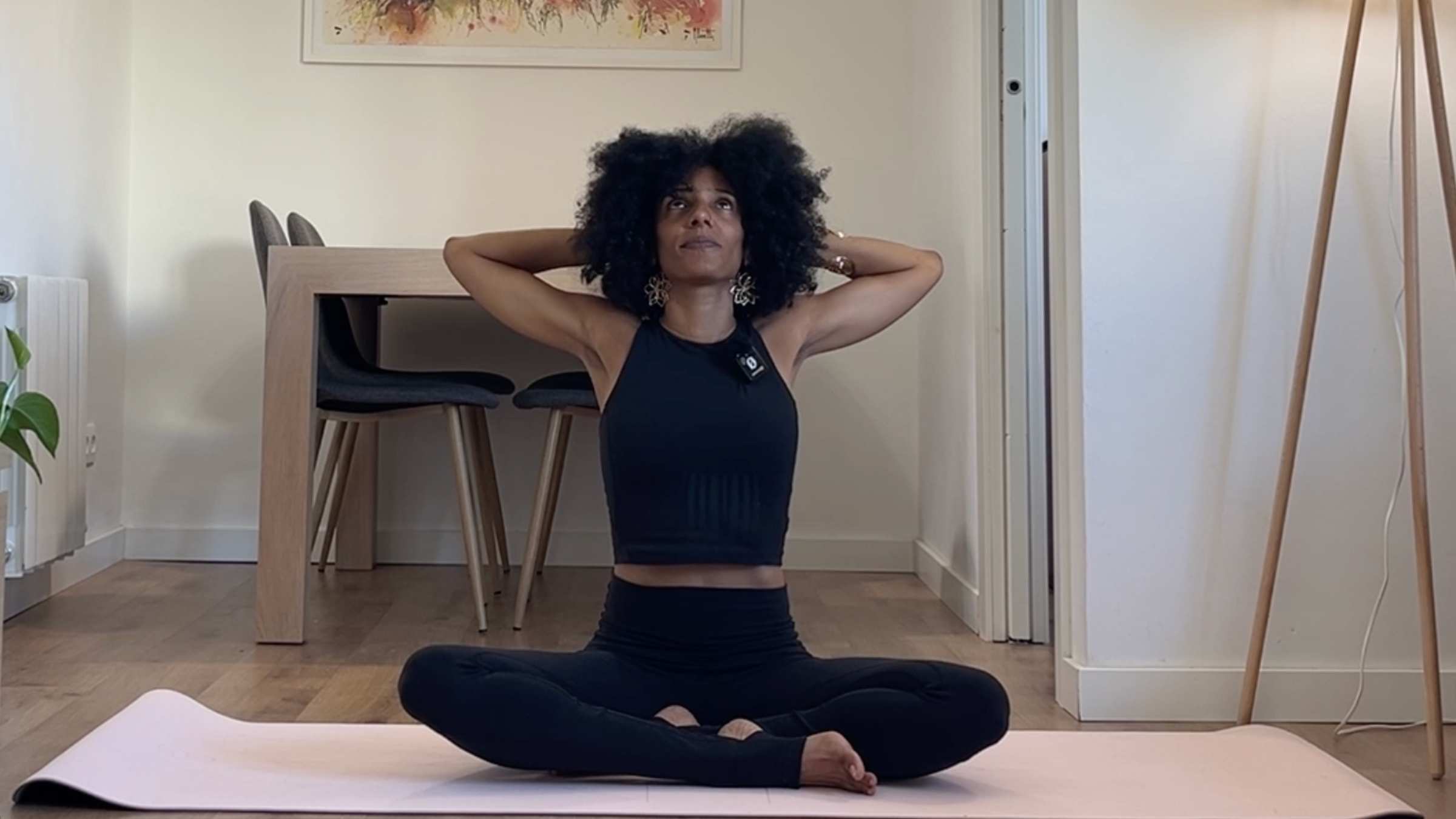
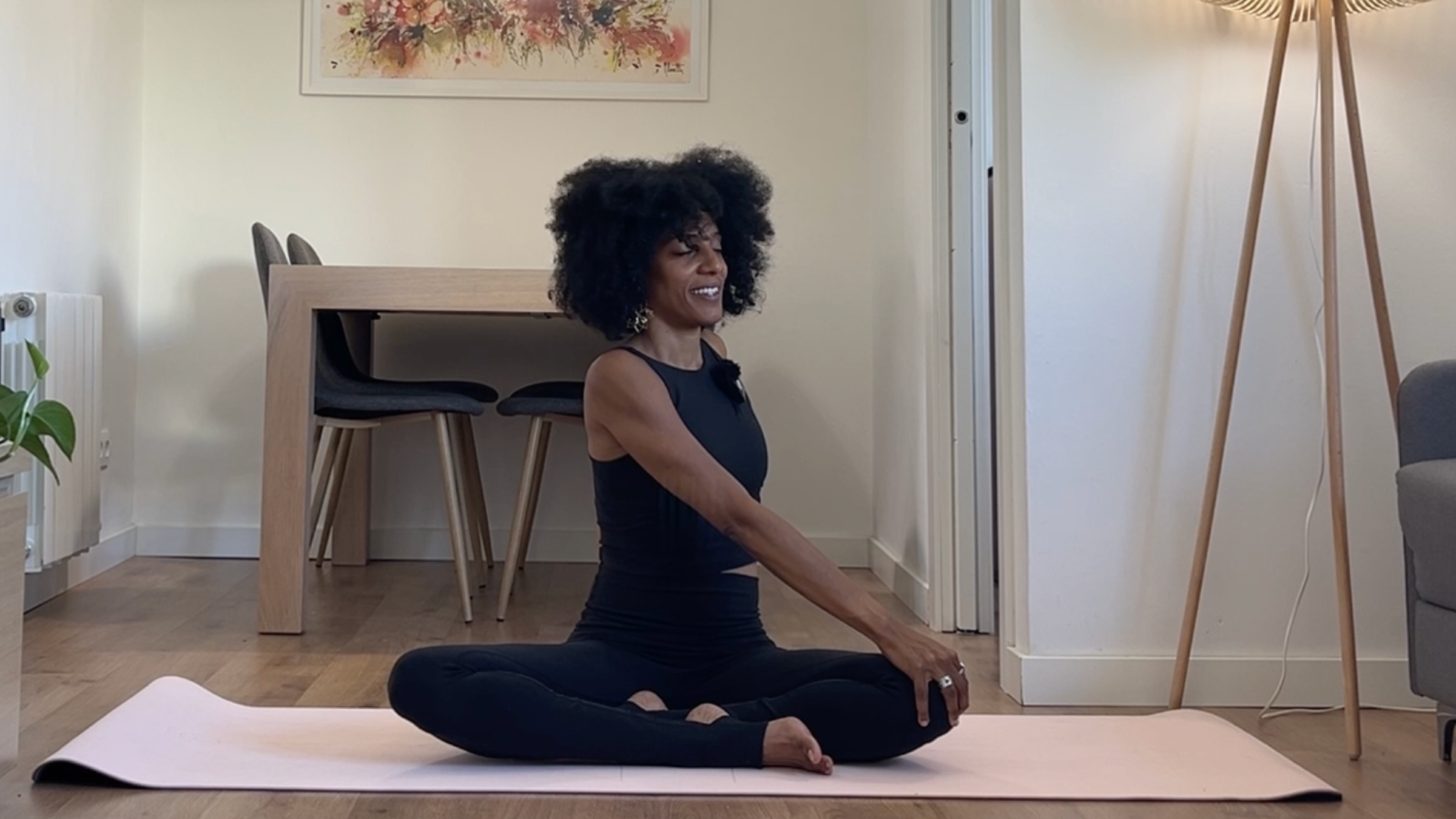
Once the body is warm, the focus shifts to specific areas of high tension. The Wind-Relieving Pose serves as a gentle compression to the abdominal organs and a release for the lumbar spine. Moving into a seated position, Seated Shoulder Rolls and Seated Cat-Cow variations address the thoracic spine and neck, the primary sites of "tech neck." By interlacing fingers behind the head during Cat-Cow, we open the chest cavity, allowing for deeper, more oxygenating breaths. The Seated Spinal Twist then provides rotational mobility, a plane of movement rarely utilized in office chairs. Finally, Hand Opening & Closing addresses the often-overlooked strain of repetitive typing, helping to alleviate tension in the forearms and wrists.
Phase 3: Final Integration (Poses 9–12)
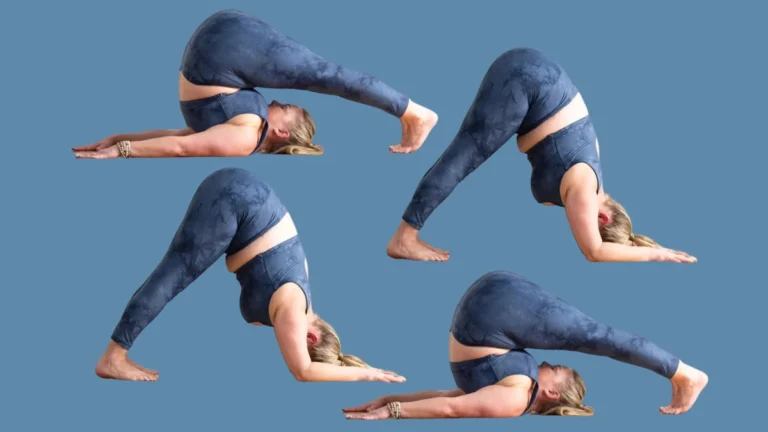
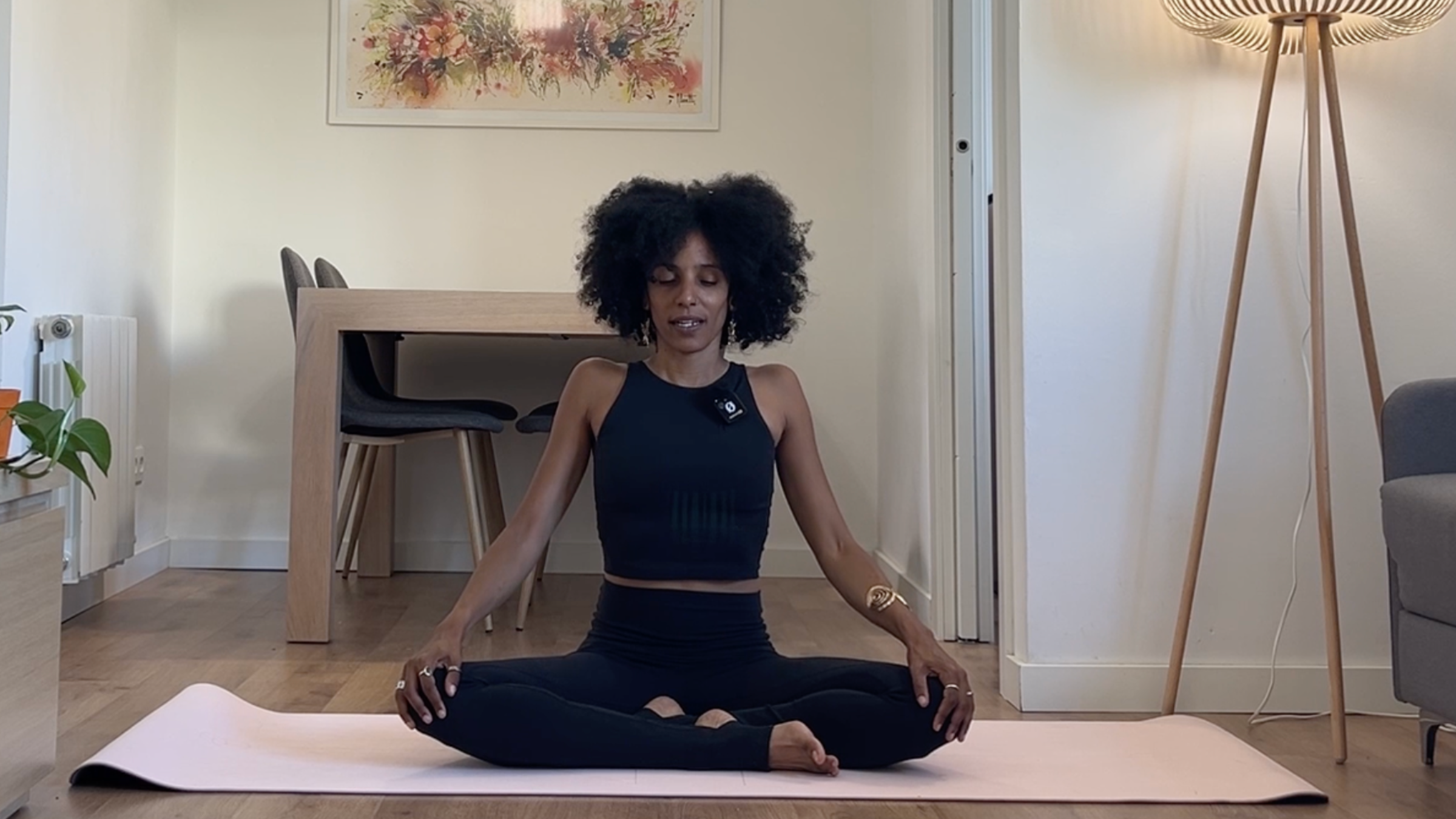
The concluding phase focuses on grounding and restoration. Reverse Tabletop engages the posterior chain and opens the shoulders. Bound Angle Pose provides a deep stretch to the inner thighs and pelvic floor, while the Half Plow Pose uses gravity to assist in lymphatic drainage and venous return in the legs. The sequence concludes with Savasana, a critical period of stillness. Even one minute of Savasana allows the nervous system to integrate the benefits of the movement, leaving the practitioner significantly more centered than they were prior to the break.
Supporting Data: Productivity and Movement
Recent studies in workplace ergonomics have consistently demonstrated that sedentary behavior is the enemy of sustained focus. A 2025 study from the Institute of Workplace Performance found that employees who incorporated brief, hourly movement breaks into their schedules reported a 22% increase in subjective productivity compared to those who remained seated for four-hour blocks.
The data suggests that the "break" is not a loss of time, but a tactical investment. When the body moves, blood flow to the brain increases, delivering essential oxygen and glucose. This process helps to clear metabolic waste products that accumulate during periods of intense concentration, effectively "refreshing" the brain’s ability to process complex information.
Official Responses and Industry Trends
Corporate wellness programs are increasingly moving away from "wellness challenges" that focus on weight loss or steps, shifting instead toward "micro-breaks" and "active sitting" initiatives. Human Resources departments across various sectors are now encouraging, rather than discouraging, short, self-guided movement periods.
"The shift is toward autonomy," says Dr. Elena Vance, a consultant in organizational health. "When an employee feels they have permission to step away for five minutes to stretch, they return with higher emotional regulation and lower levels of cortisol. We are seeing that the most successful companies are those that view movement as a standard part of the professional toolkit, rather than a luxury or an act of defiance against productivity."
Implications for Future Workplace Culture
The implication of these findings is profound: the future of work is not about how long we stay at our desks, but how we manage our physical presence while we are there. The "desk-bound" culture of the last two decades is undergoing a necessary evolution. As we integrate tools like yoga and intentional movement into our daily workflows, we are redefining what a "professional" looks like.
A professional is no longer the person who remains glued to their seat for eight hours straight. A professional is someone who manages their energy, respects their body’s need for movement, and utilizes evidence-based strategies to maintain high-level performance throughout the day. By normalizing the five-minute movement break, we are not only improving our posture; we are building a more sustainable, human-centric way to work.
Conclusion: Moving Forward
The next time you feel the weight of a long afternoon settling into your shoulders, remember that your body is not a machine—it is a living system that requires periodic resets. Whether you are at home or in a bustling office environment, these twelve poses are accessible tools that can transform a stressful day into a manageable, and perhaps even enjoyable, experience.
You do not need an hour, a gym membership, or a specialized environment. You only need five minutes, a bit of floor space, and the willingness to prioritize your own well-being. By choosing to move, you are not just stretching your muscles—you are reclaiming your time, your health, and your capacity to do your best work.