








As we cross the threshold into our mid-60s, the conversation around health often shifts from performance-based metrics to the essential markers of functional independence. While many focus on cardiovascular health or cognitive sharpness, one of the most critical determinants of how we will live our 70s, 80s, and beyond is tucked away in our lower extremities. The strength of your legs is not just about aesthetics or athletic performance; it is the engine of your daily autonomy.
For those over the age of 65, leg strength is the difference between navigating a grocery store with ease and struggling to complete basic household chores. It is the primary defense against the most common hazard of aging: the fall. Today, we examine a specific "top-tier" fitness benchmark that experts say can provide a clear snapshot of your physical longevity.
The Foundation of Functional Independence
To understand why leg strength is the cornerstone of aging well, we must look at the mechanics of everyday life. Activities that we take for granted in our 30s—climbing a flight of stairs, standing up from a low sofa, or even carrying a bag of groceries—all rely heavily on the quadriceps, hamstrings, and gluteal muscles.
Emily Hollon, a Certified Pilates Instructor and the founder of Core Collective, emphasizes that the decline of these muscles is not an inevitable fate, but a process that can be managed and reversed through intentional movement.
"Maintaining leg strength and endurance is vitally important," says Hollon, who has spent over a decade training diverse age groups. "Your legs are critical for ambulating, climbing stairs, and even just getting up from a chair, which promotes functional independence into your later years. Strong leg muscles also support your knee and hip joints, which make these everyday movements much easier. Furthermore, lower-body strength helps you maintain good balance, which can reduce the risk of falls."
The Two-Minute Benchmark: Testing Your "Top-Tier" Status
If you are over the age of 65, how do you know if your current exercise routine is hitting the mark? Hollon points to a specific, challenging, yet accessible metric: the chair sit-to-stand hold.
If you can successfully maintain a specific standing-squat position for two minutes, you are, by professional fitness standards, in the "top-tier" category of strength for your age group. This is not merely a test of endurance; it is a testament to the neuromuscular connection and the muscular capacity required to keep your body upright against gravity.
How to Perform the Test
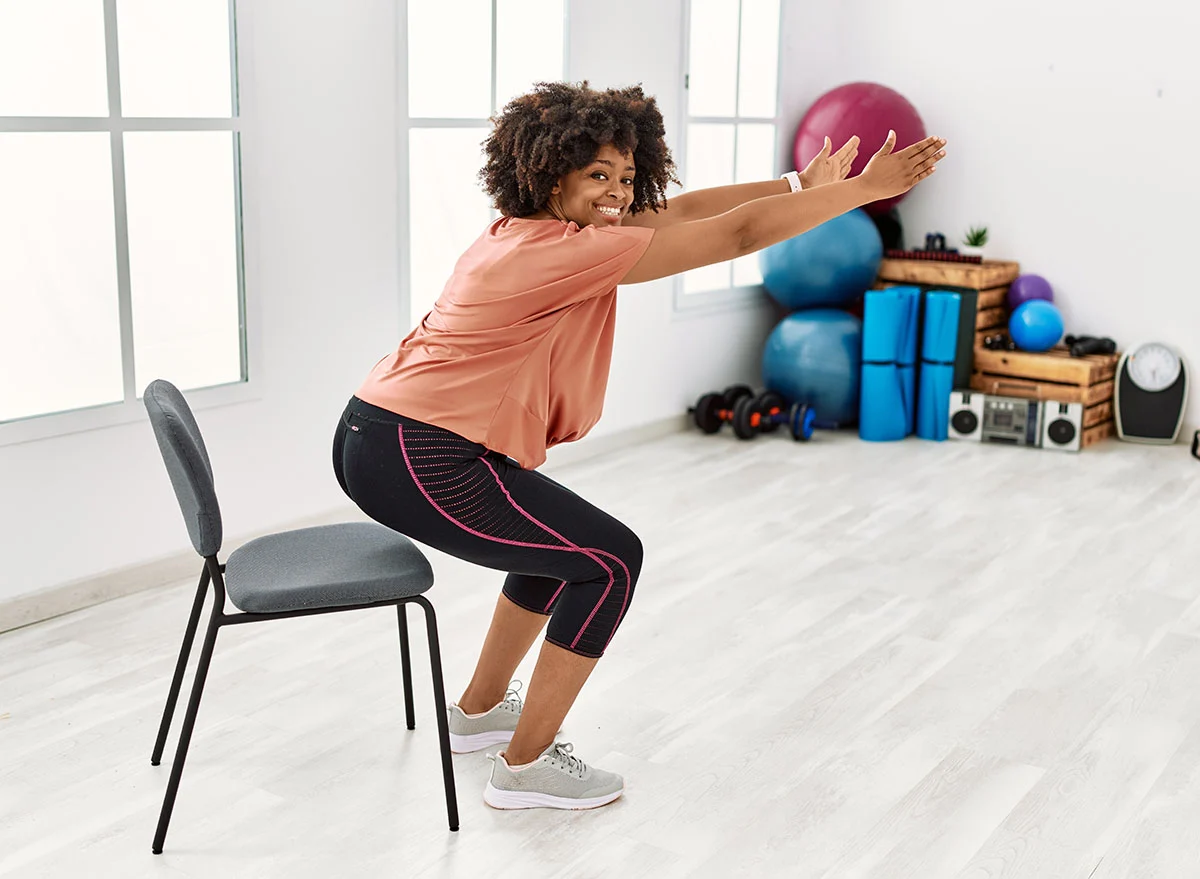
The test requires a sturdy chair and a focused approach to form.
- The Setup: Begin in a standing position in front of a chair.
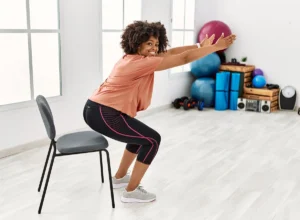
- The Descent: Lower your glutes toward the chair, but do not make contact with it.
- The Hover: Stop shy of sitting. Aim to lower yourself to at least a foot above the chair, or as low as your form allows without compromise.
- The Form: Keep your feet flat on the floor, push your hips back, and hinge slightly forward at the waist. Keep your back straight throughout the entire duration.
- The Goal: Hold this "hover" position for two minutes.
This movement is deceptively simple. While it looks like a standard squat, the requirement to hold the position creates an isometric challenge that pushes the quads and hamstrings to their limit, signaling robust muscle recruitment.
The Science of the "Sit-to-Stand"
Why is this specific movement chosen as the gold standard? The answer lies in the chain of muscles activated during the exercise.
Kinetic Chain Activation
When you hover above a chair, your body is forced to stabilize through a "kinetic chain." Your glutes act as the primary drivers of stability, your quads manage the extension, and your hamstrings work to balance the tension across the knee joint. By keeping the feet flat, you ensure that the entire lower limb is engaged.

Why Two Minutes Matters
For an individual over 65, the two-minute mark is significant. It represents the transition from aerobic muscle activity to anaerobic endurance. Maintaining this position requires the recruitment of Type II muscle fibers—the "fast-twitch" fibers that are often the first to atrophy as we age. Successfully holding this position indicates that your body has retained the structural integrity necessary to prevent falls and maintain a normal, confident gait.
Implications for Long-Term Health
The implications of failing or passing this test extend far beyond the gym. Research consistently shows that lower-body strength is inversely correlated with the risk of mortality in older adults.
The Fall Prevention Factor
According to the CDC, falls are the leading cause of injury-related death among adults aged 65 and older. A significant percentage of these falls occur due to "gait disturbance" or an inability to correct one’s balance after a trip. By training the muscles to hold a squat position, you are essentially training your brain and body to recover from potential stumbles.
Metabolic Health and Bone Density
Muscles are metabolic organs. By engaging the largest muscle groups in the body—the glutes and quads—you are increasing your body’s insulin sensitivity and assisting in the regulation of blood sugar levels. Furthermore, the resistance provided by this exercise puts positive stress on the bones of the hips and knees, which is a vital component in fighting age-related bone density loss (osteopenia and osteoporosis).
Tracking Your Progress Over Time
One of the most empowering aspects of the sit-to-stand test is its repeatability. It is a "living" benchmark.
"The added benefit of this test is that it allows clients to evaluate their progress over time," Hollon explains. "They can easily measure both how close to the chair they’re able to hover and how long they’re able to hold the position."
For those who cannot reach the two-minute mark today, it is not a reason for discouragement. It is a roadmap. Start by holding the position for 30 seconds. Focus on the quality of the movement—keeping the back straight and the feet flat—rather than the duration. As the weeks pass, your muscle fibers will adapt, and you will find yourself lowering further and holding longer.
Conclusion: Investing in Your Future Self
We often think of aging as a passive experience, but the evidence suggests that it is a highly active one. The ability to rise from a chair, to carry groceries, and to maintain balance is not a matter of luck; it is a matter of training.
If you are 65 or older, take the time to attempt the two-minute chair test. Whether you pass with flying colors or discover that you have room for improvement, you are gaining valuable data about your physical future. In the world of longevity, the most expensive medicine is the one you take every day: consistent, functional movement.
By prioritizing the strength of your legs today, you are ensuring that your 70s and 80s are defined by mobility, freedom, and the continued ability to engage fully with the world around you. Do not wait for the loss of strength to begin your journey—start your training today, one hover at a time.