











In a significant milestone for the intersection of artificial intelligence and medical technology, SoundHealth, a pioneering medtech startup, has successfully closed an oversubscribed Series A financing round. Led by Shangbay Capital, the infusion of new capital brings the company’s total cumulative funding to $12.25 million. This financial boost marks a pivotal transition for SoundHealth as it moves from its initial product validation phase to a broader commercial expansion of its non-invasive therapeutic portfolio, specifically targeting the widespread health challenges of chronic nasal congestion and sleep quality.
Main Facts: A New Frontier in Acoustic Therapeutics
SoundHealth’s core value proposition lies in its utilization of artificial intelligence to deliver precision-based, drug-free relief. Unlike traditional pharmaceutical interventions that often carry the risk of systemic side effects, SoundHealth leverages acoustic resonance technology—a sophisticated, non-invasive method of modulating physiological responses.
The company’s flagship device, the "Sonu band," has already established a footprint in the market. FDA-cleared for the relief of moderate to severe allergic rhinitis, the device has successfully administered over 500,000 acoustic resonance treatment sessions to patients aged 12 and older. By serving as a clinically validated, steroid-free alternative to traditional nasal sprays and antihistamines, the Sonu band represents a significant departure from the status quo in otolaryngology.
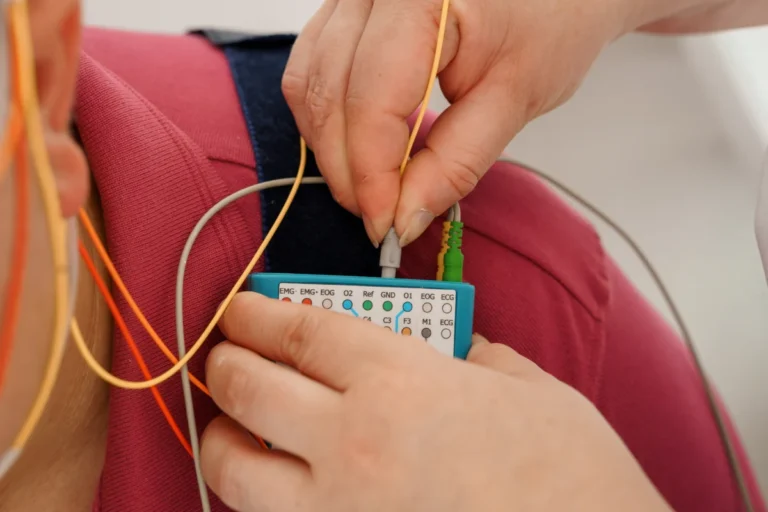
Beyond the realm of respiratory health, the company is diversifying into the sleep wellness market with its "Spatial Sleep" product. Utilizing a proprietary craniofacial anatomical dataset, the device is designed to harmonize brainwaves, offering a personalized approach to help users achieve deeper, more restorative sleep—a market segment currently experiencing explosive growth as consumer interest in non-pharmacological sleep aids intensifies.
Chronology: From Concept to Clinical Validation
The trajectory of SoundHealth reflects a meticulous approach to medical device development, emphasizing clinical rigor over rapid, unverified scaling.
- Foundation and R&D: The company began by building a foundational craniofacial anatomical dataset. This data was essential, as it allowed the engineering team to create algorithms capable of delivering precise acoustic therapies tailored to individual physiological structures.
- The Regulatory Milestone: A defining moment in the company’s history was the FDA clearance of the Sonu band. This regulatory hurdle was critical in validating the efficacy of acoustic resonance as a legitimate medical treatment for allergic and non-allergic rhinitis, separating SoundHealth from the broader "wellness" gadget market.
- Market Penetration: Following the receipt of clinical credentials, the company began a focused rollout, targeting medical and dental professionals. This strategy proved effective, with more than 1,000 practitioners nationwide now recommending SoundHealth’s non-drug treatments to their patients.
- The Series A Oversubscription: The most recent development—the oversubscribed Series A—serves as a vote of confidence from the venture capital community, signaling that the company is ready to transition from a boutique medtech firm to a major player in the therapeutic device landscape.
Supporting Data: Why Acoustic Resonance Matters
The success of SoundHealth is underpinned by the clinical limitations of current therapeutic standards. For millions of people suffering from rhinitis, the primary treatment options involve corticosteroids. While effective for many, these medications can cause long-term side effects, including mucosal thinning, dryness, and in some cases, dependency.
SoundHealth’s acoustic resonance technology offers a paradigm shift. By using sound frequencies that resonate with the specific anatomy of the nasal cavity, the Sonu band can provide relief without introducing chemical agents into the patient’s system. The data is compelling: 500,000 treatment sessions have demonstrated a consistent ability to manage congestion, providing a real-world evidence base that is increasingly difficult for traditional medicine to ignore.
In the sleep sector, the challenge is equally pressing. The global sleep economy is valued in the billions, yet many consumers are hesitant to rely on sedative medications that can lead to morning grogginess or long-term sleep architecture disruption. The Spatial Sleep headband addresses this by utilizing data-driven acoustic stimulation to assist the brain in transitioning to sleep states more efficiently. By focusing on the mechanics of sleep rather than the chemistry of sleep, SoundHealth is tapping into a growing consumer demand for "bio-hacking" tools that are grounded in legitimate medical science.
Official Responses: Strategic Alignment
The leadership teams at both SoundHealth and Shangbay Capital have expressed deep optimism regarding this partnership. The collaboration is viewed not merely as a transaction of capital, but as a strategic alignment of resources and expertise.
Paramesh Gopi, PhD, CEO of SoundHealth, highlighted the strategic importance of this funding in a recent release: “We are excited to work with Shangbay Capital to help accelerate the growth of our business. This capital provides the runway necessary to scale our operations and reach the millions of patients who are currently searching for safer, more effective alternatives to traditional pharmaceutical treatments.”
Bryant Lin, MD, MEng, co-founder of SoundHealth, echoed this sentiment, emphasizing the value of the investor’s background. “Shangbay’s deep expertise in scaling medtech companies will benefit our growth trajectory. We are thrilled to have them as our Series A lead investor, as their guidance will be instrumental in navigating the complexities of the medical device market.”
William Dai, founder of Shangbay Capital, provided the investor’s perspective on why SoundHealth stood out in an increasingly crowded health-tech field: “We are excited to invest in SoundHealth’s portfolio of non-invasive, FDA-cleared, AI-enabled therapeutics that address large, population-scale problems. Their unparalleled dataset and proprietary algorithms have tremendous potential going forward. We believe in the company’s ability to change how we think about common ailments.”
Implications: The Future of Non-Invasive Therapeutics
The implications of SoundHealth’s success extend far beyond its immediate product line. This financing round highlights a broader industry trend toward "Digital Therapeutics" and "Electroceuticals"—medical interventions that utilize physics, light, sound, or electricity to replace or augment traditional drugs.
1. The Decentralization of Healthcare
By providing clinical-grade treatments that can be used at home, SoundHealth is contributing to the decentralization of healthcare. This shift reduces the burden on outpatient clinics and emergency rooms, moving the site of care directly to the patient’s home.
2. The Power of Proprietary Datasets
The company’s investment in a craniofacial anatomical dataset is a masterstroke of defensive intellectual property. In the AI era, algorithms are only as good as the data they are trained on. By owning a highly specific, medically accurate dataset, SoundHealth creates a significant barrier to entry for competitors attempting to replicate their results.
3. A Shift in Patient Preferences
Modern patients are increasingly "medication-hesitant." As the opioid crisis and the side effects of chronic prescription usage continue to dominate headlines, patients are actively seeking out "clean" alternatives. SoundHealth is perfectly positioned to capitalize on this demographic shift, offering a high-tech solution that aligns with the values of the modern, health-conscious consumer.
4. Future Expansion
With the Series A in the bank, the industry will be watching to see how SoundHealth evolves. Will they expand into other areas of ENT (Ear, Nose, and Throat) health? Can their acoustic algorithms be applied to other chronic conditions? The potential for expansion is vast. As the company continues to refine its machine learning models, the accuracy and efficacy of their devices are likely to improve, potentially opening doors to new indications and regulatory clearances.
Conclusion
The $12.25 million raised by SoundHealth is more than just a financial milestone; it is a signal that the era of AI-driven, non-invasive therapy has arrived. By combining deep medical research with sophisticated signal processing, SoundHealth is proving that the future of medicine may not be found in a pill bottle, but in the precision of sound. As they scale their operations and continue to build out their clinical evidence, the company is well-positioned to transform how the medical community treats some of the most common, yet frustrating, human health conditions. With the backing of Shangbay Capital, the road ahead looks promising, both for the company’s investors and for the half-million patients who have already found relief through their technology.