For decades, the global food industry has marketed sugar substitutes as the "silver bullet" for a health-conscious public. From the neon-colored packets of aspartame in our coffee to the "sugar-free" labels adorning everything from protein bars to chewing gum, these alternatives have been widely accepted as a harmless, low-calorie bypass to the metabolic wreckage caused by refined sugar. However, a groundbreaking study from Washington University in St. Louis is challenging the core assumption that these synthetic and natural sugar alcohols are inert.
New research suggests that sorbitol—a sugar alcohol ubiquitous in "low-calorie" snacks—may be far more metabolically active than previously believed. By tracing its path through the gut and into the liver, researchers have revealed that our bodies, and the bacteria residing within them, may be struggling to keep up with the modern influx of these sweeteners.
The Metabolic Connection: One Step Away from Fructose
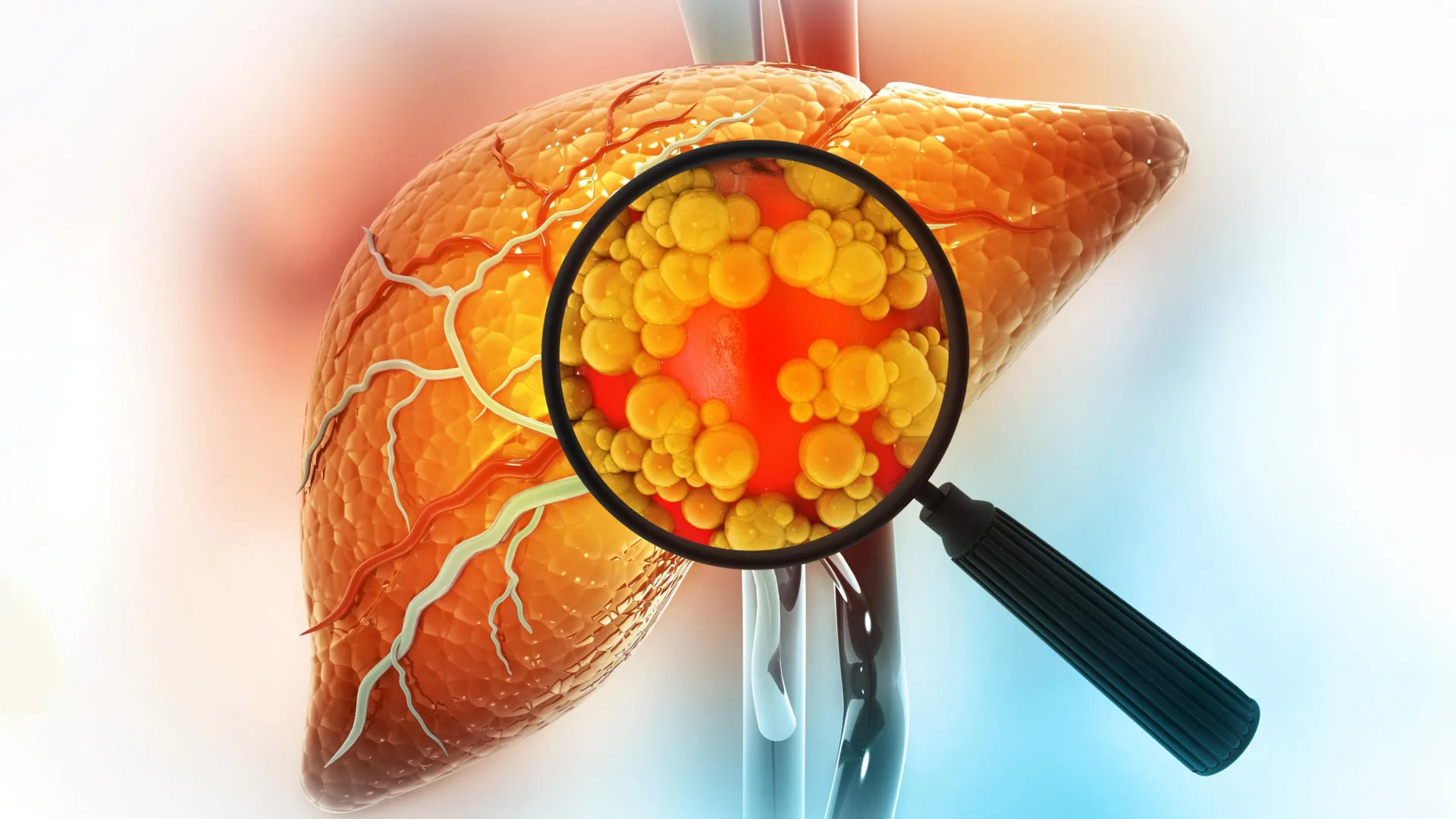
At the center of this discovery is the work of Gary Patti, the Michael and Tana Powell Professor of Chemistry, Genetics, and Medicine at WashU Medicine. Patti’s laboratory has long been obsessed with the metabolic journey of fructose—a sugar now notorious for its role in steatotic liver disease, a condition affecting nearly 30% of the global adult population.
Previous studies from the lab highlighted how the byproducts of fructose metabolism can act as a catalyst for cancer cell growth and liver fat accumulation. The new findings, published in the journal Science Signaling, suggest that sorbitol is not merely a benign substitute; it is, in Patti’s words, "essentially one transformation away from fructose."
While the chemical structures differ, the body’s metabolic machinery can easily convert sorbitol into a derivative of fructose. This implies that consuming sorbitol may trigger the same physiological alarm bells in the liver that we have long associated with high-fructose corn syrup and table sugar.
Chronology of a Discovery: From Diabetic Pathophysiology to Daily Diet
Historically, the scientific community’s interest in sorbitol was almost exclusively confined to the study of diabetes. In the context of severe hyperglycemia, the body’s production of sorbitol is a known consequence of elevated glucose levels.
The Low-Affinity Barrier
Under normal metabolic conditions, the enzyme responsible for converting glucose into sorbitol—aldose reductase—has a relatively low affinity for its substrate. It generally remains dormant unless blood glucose levels spike significantly. Because of this, medical science long assumed that sorbitol production was a "side effect" exclusive to the uncontrolled glucose levels found in diabetic patients.
The Zebrafish Breakthrough
Patti’s team shattered this assumption through a series of experiments using zebrafish. By tracing the metabolic fate of sorbitol, the researchers discovered that the gut environment is far more dynamic than previously understood. Even in healthy subjects without diabetes, the concentration of glucose in the intestine following a meal can reach levels sufficient to trigger significant sorbitol production.
This means that sorbitol does not have to be ingested directly from a "sugar-free" candy bar; it can be manufactured endogenously by the human body’s own intestinal enzymes after a standard carbohydrate-rich meal.
The Microbial Filter: Why Your Gut Bacteria Matter
One of the most compelling aspects of the study is the role of the gut microbiome as a biological gatekeeper. The research identified that certain strains of Aeromonas bacteria possess the unique ability to degrade sorbitol, converting it into a harmless byproduct before it can be absorbed into the bloodstream.
The Protective Filter
In a healthy gut, this microbial cleanup crew acts as a filter, preventing the transit of sorbitol from the intestines to the liver. This explains why moderate, natural consumption—such as eating stone fruits, which contain trace amounts of sorbitol—rarely leads to metabolic distress in healthy individuals. The bacterial population is capable of handling the load.
The Point of Failure
The problem arises when the "filter" is bypassed or overwhelmed. There are two primary ways this happens:
- Microbial Imbalance: If an individual lacks the specific strains of Aeromonas required to break down sorbitol, the substance travels unimpeded to the liver, where it is converted into fructose derivatives.
- Systemic Overload: When a person consumes a diet high in both glucose and direct sorbitol (via processed foods), the sheer volume of these compounds exceeds the capacity of the gut bacteria to process them.
"If you don’t have the right bacteria, that’s when it becomes problematic," Patti noted. "In those conditions, sorbitol doesn’t get degraded, and as a result, it is passed on to the liver."
Implications for Modern Nutrition and Labeling
The findings serve as a sobering reminder of the unintended consequences of processed food science. As the researchers pointed out, navigating the grocery store aisles has become increasingly complex. Many "healthy" protein bars and low-calorie snacks contain a cocktail of sweeteners, including sorbitol, maltitol, and others, often layered on top of high-glucose ingredients.
The "Sugar-Free" Trap
For millions of people managing diabetes or metabolic syndrome, the label "sugar-free" is a directive to consume a product safely. This study suggests that such consumers may be inadvertently exposing themselves to the very metabolic pathways they are trying to avoid. If the body converts dietary sorbitol into fructose-like compounds, the perceived health benefits of these products may be largely illusory.
A Systemic Issue
The researchers emphasize that sorbitol does not stay confined to the digestive tract. Experiments showed that sorbitol introduced into the system quickly permeates tissues throughout the entire body. This invalidates the long-held assumption that sugar alcohols are simply "expelled" from the body without interacting with systemic metabolism.
Moving Forward: Is There a "Free Lunch"?
The implications for public health policy and individual dietary choices are profound. If we accept that there is "no free lunch" when it comes to sugar alternatives, the current strategy of simply swapping one sweetener for another begins to look like a temporary fix for a deeper, systemic issue.
Future Research Directions
Patti’s laboratory is now turning its attention to the specific mechanics of how different bacterial species interact with polyols. By mapping the exact enzymatic pathways used by these microbes, scientists hope to eventually determine whether probiotic interventions or dietary modifications could restore the "protective filter" in the human gut.
A Call for Skepticism
For the average consumer, the lesson is clear: caution is warranted. While research continues to evolve, the current evidence suggests that processed foods—even those labeled as healthy alternatives—carry hidden risks that standard nutritional labeling often fails to communicate. The focus, according to the research team, should shift away from finding a perfect, synthetic substitute for glucose and toward understanding how the entire biological ecosystem—from gut bacteria to liver enzymes—responds to the complex chemistry of modern food.
As we continue to rely on the chemical engineering of our food supply, we must remain cognizant of the limitations of our own bodies. The gut, once viewed as a simple transit point, is proving to be a highly sophisticated chemical processing plant. When we flood that plant with substances it was never evolutionarily designed to handle in bulk, we should not be surprised when the metabolic output is far from harmless.
This study, supported by the National Institutes of Health, serves as a vital reminder that in the world of human biology, the simplest path—a diet rooted in whole, unprocessed foods—remains the only one that truly avoids the metabolic pitfalls of the "sugar-free" illusion.