








In a significant advancement for public health, the American Academy of Dental Sleep Medicine (AADSM) has announced a landmark achievement: 2,500 dentists across the United States have officially earned the designation of "AADSM Qualified Dentist." This milestone marks a pivotal shift in the landscape of obstructive sleep apnea (OSA) treatment, effectively decentralizing care and bringing high-quality, evidence-based oral appliance therapy (OAT) directly into local communities.
For the millions of Americans suffering from the chronic, often debilitating effects of OSA, this development represents more than just a logistical update—it signifies a robust expansion of the therapeutic toolkit available to patients who struggle with traditional treatment modalities.
Main Facts: A Network of Specialized Care
The core of this initiative lies in the standardization of dental sleep medicine. The AADSM Qualified Dentist status is not merely a professional credential; it is a clinical benchmark. To achieve this status, practitioners must undergo rigorous, standardized education that aligns with the academy’s evidence-based clinical practice guidelines.
The fundamental facts of this expansion include:
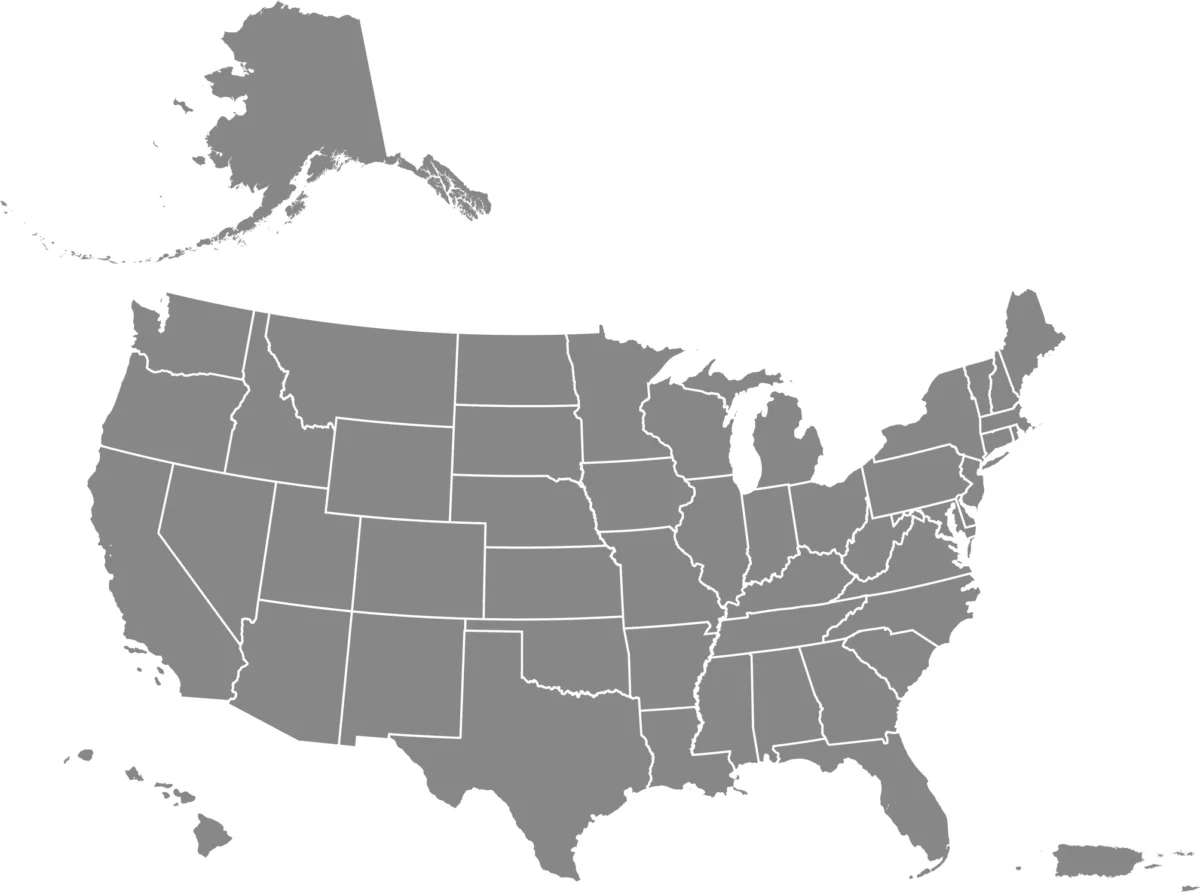
- National Reach: There are now qualified providers in all 50 states, the District of Columbia, and Puerto Rico.
- Collaborative Care: These practitioners are specifically trained to work in tandem with medical physicians, ensuring a holistic, team-based approach to patient health.
- Accessibility: By reaching the 2,500-dentist threshold, the AADSM has significantly lowered the geographical barrier to entry for patients seeking alternatives to Continuous Positive Airway Pressure (CPAP) therapy.
- Evidence-Based Practice: Every qualified dentist is mandated to follow protocols that prioritize patient safety, including custom-fitting devices, long-term monitoring, and adjustments based on physiological feedback.
Chronology: The Evolution of Dental Sleep Medicine
The road to this milestone was not paved overnight. The integration of dentistry into the broader field of sleep medicine has been a decades-long endeavor.
Early Foundations (1990s – 2000s)
In the early years, oral appliances were often viewed as niche, secondary alternatives. The primary medical community relied almost exclusively on CPAP. However, the AADSM recognized that poor patient compliance with CPAP—often caused by mask discomfort or noise—left a massive "treatment gap." The academy began formalizing the education of dentists, moving from informal workshops to structured, evidence-based curricula.
Standardization (2010 – 2020)
As clinical research solidified the efficacy of mandibular advancement devices (MADs) for mild to moderate OSA, the demand for qualified providers skyrocketed. The AADSM implemented the "Qualified Dentist" designation to ensure that any patient seeking OAT would receive a consistent level of care. This era saw the development of digital workflows, 3D scanning, and improved material sciences that made oral appliances more comfortable and durable.
The Scaling Phase (2020 – Present)
The COVID-19 pandemic accelerated the need for decentralized care. As patients sought to avoid hospital-based sleep centers and multi-visit clinical journeys, the ability to receive sleep apnea treatment in a local dental office became a preferred option for many. The recent push to reach 2,500 qualified dentists reflects a strategic effort to ensure that this decentralized model of care is available to every American, regardless of their proximity to a major metropolitan academic medical center.
Supporting Data: Why Oral Appliance Therapy Matters
Obstructive sleep apnea is characterized by the repeated collapse of the upper airway during sleep, leading to oxygen desaturation and fragmented sleep cycles. If left untreated, OSA is linked to a cascade of comorbidities, including hypertension, cardiovascular disease, stroke, and type 2 diabetes.
Data consistently highlights the urgency of this care:
- The Compliance Hurdle: Studies indicate that CPAP compliance rates can fluctuate significantly, with some estimates suggesting that up to 30% to 50% of patients do not use their machines as prescribed.
- Patient Preference: When given a choice, many patients prefer the portability and silence of an oral appliance. Research published in sleep medicine journals consistently shows that while CPAP may be superior in absolute reduction of the Apnea-Hypopnea Index (AHI) in severe cases, OAT often yields superior long-term adherence due to patient comfort.
- The Geographic Gap: Prior to the current expansion, the distribution of sleep medicine specialists was heavily skewed toward urban hubs. The AADSM’s strategy of utilizing local dentists bridges this gap, placing specialized care within a 15-to-30-minute drive for a vast majority of the population.
Official Responses: A Milestone for Patient Health
The leadership of the AADSM views this milestone as a triumph of clinical cooperation. Paul Jacobs, DDS, DABDSM, President of the AADSM, emphasizes that the significance lies in the patient-provider relationship.
"Reaching 2,500 AADSM Qualified Dentists is an important milestone for patients who need convenient access to high-quality care close to home," Dr. Jacobs stated in a recent press release. "Obstructive sleep apnea is a serious condition, and oral appliance therapy can be a comfortable and effective option for many patients. By expanding the number of qualified dentists available nationwide, we are helping more people connect with the care they need in their own communities."
The sentiment is echoed by many in the medical community who advocate for a "medical-dental integration." The AADSM’s training programs specifically emphasize that dentists do not operate in a vacuum; rather, they function as vital members of the patient’s overall healthcare team, coordinating with primary care physicians, pulmonologists, and cardiologists.
Implications: The Future of Sleep Health
The expansion of this network has profound implications for the future of healthcare delivery in the United States.
1. Shift Toward Personalized Medicine
Not every patient is a candidate for CPAP. The rise of a massive network of qualified dentists allows for true "personalized sleep medicine." Clinicians can now make treatment decisions based on anatomy, lifestyle, and patient preference, rather than being forced to shoehorn every patient into a single treatment modality.
2. Improved Health Outcomes
By increasing the number of qualified providers, the AADSM is essentially increasing the number of people who will actually adhere to their sleep apnea treatment. A patient who is comfortable with their appliance is a patient who is protecting their cardiovascular health night after night.
3. Strengthening the Medical-Dental Referral Pipeline
The growth of this network encourages physicians to refer more patients for sleep evaluations, knowing that there is a qualified dental partner nearby. This symbiotic relationship reduces the burden on sleep laboratories and ensures that the diagnosis-to-treatment pipeline is more efficient.
4. Continued Standardization
As the network grows, the AADSM remains committed to maintaining high standards. The challenge moving forward will be ensuring that as the number of providers increases, the quality of care remains uniform. This will likely involve the implementation of advanced tele-health monitoring, standardized digital data sharing between dentists and physicians, and continuous education modules for all qualified members.
Final Thoughts
The designation of 2,500 AADSM Qualified Dentists is a landmark achievement that changes the trajectory of sleep apnea treatment in America. It shifts the paradigm from a centralized, institution-heavy model to one that is patient-centric and community-based. As this network continues to mature, it offers hope to millions of individuals who have previously struggled to find an effective, sustainable way to treat their sleep apnea. Through continued collaboration, education, and commitment to evidence-based practice, these dentists are proving that the most effective way to treat a national health crisis is by empowering the local providers who know their patients best.