








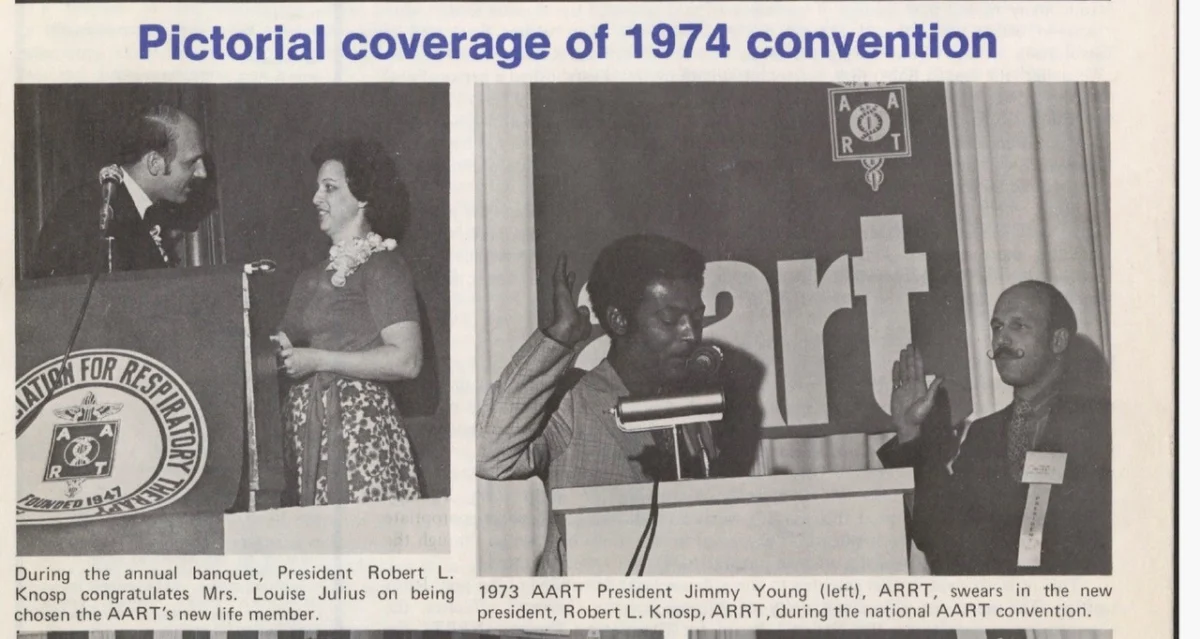
The Jimmy A. Young Award stands as the pinnacle of professional recognition within the American Association for Respiratory Care (AARC). Named in honor of the late AARC president—a man whose life was synonymous with the advancement of the profession—the award serves as a lifetime achievement honor for those whose sustained, transformative contributions have fundamentally shaped the landscape of respiratory therapy.
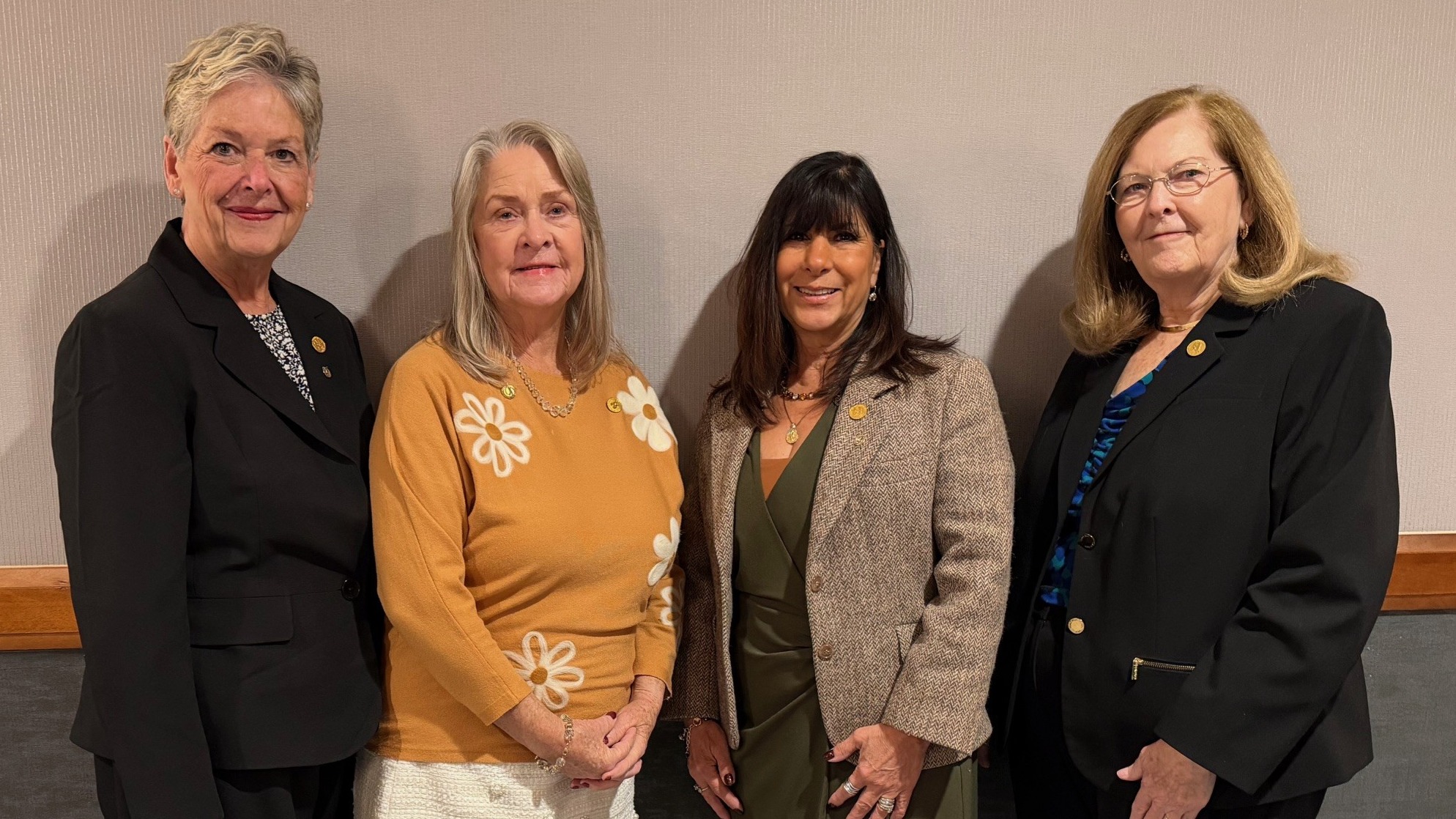
In a recent, deeply personal retrospective, Lisa Weisenberger, AARC Director of Content and Communications, facilitated a roundtable discussion with four of the five women who have earned this distinction. These luminaries—Dianne Lewis, MS, RRT, FAARC (2025); Trudy Watson, BS, RRT, FAARC (2018); Margaret Traband, MEd, RRT, FAARC (2011); and Teresa Volsko, MBA, MHHS, LSSBB, RRT, FAARC (2020)—gathered to discuss the evolution of their field, the shifting dynamics of gender in clinical leadership, and the enduring legacy of service required to reach the height of the profession. They joined a rare company, which includes the 1988 co-recipient Louise Julius, who was honored alongside her husband, John.
The Foundation of Excellence: A Legacy of Service
For the recipients of the Jimmy A. Young Award, the road to recognition was never paved with the intent of winning an accolade. Instead, it was constructed through decades of quiet, persistent service.
Dianne Lewis, the most recent recipient (2025), traces her professional journey back to the grassroots level. Her foundational years were spent navigating the complex dynamics of the AARC’s House of Delegates. It was there, amidst the rigorous debate and organizational planning, that she began her pivotal work on the Clinical Practice Guidelines Steering Committee.
“My group wrote and published the first clinical practice guideline for the association,” Lewis recalled. This was not merely an administrative task; it was a watershed moment for the profession. By codifying standards of care, Lewis and her peers transitioned respiratory therapy from a task-oriented role to an evidence-based medical discipline. This standardization did more than provide structure; it ensured that patients nationwide received consistent, high-quality care, regardless of their geography.
For Margaret Traband, who began her AARC journey in 1972, the philosophy of leadership is rooted in local action. “We began with our state societies,” Traband explained. “You don’t do it looking for what else you need to check off a list to get an award. You’re just moving ahead where you think you can do the most good.” This sentiment resonates across the cohort: the Jimmy A. Young Award is a byproduct of a career spent solving problems, rather than a goal-oriented destination.
Breaking the Glass Ceiling: From Isolation to Inclusion
The historical narrative of respiratory care, like many medical fields, was long dominated by male leadership. While the workforce today boasts a significant percentage of women, the trajectory of leadership positions has historically been a steeper climb.
Teresa Volsko offered a candid assessment of how the culture of mentorship has evolved. “In 1979, if you were invited to the table, you didn’t dare bring another woman up with you because there was only one or two seats,” Volsko said. This "scarcity mindset" was a survival mechanism in a male-dominated environment. If a woman occupied a seat at the leadership table, she often felt the need to protect that position, fearing that the "quota" for female representation had been filled.
However, the current era represents a seismic shift. Volsko emphasized that the modern generation has moved from a competitive environment to one of collaborative advancement. “Now we have the power to change that landscape from being competitive to really lifting each other up,” she noted. By actively pulling the next generation of female leaders into the fold, these women have fundamentally altered the power structure of the AARC.
Chronology of Influence: Key Milestones
To understand the significance of these women’s contributions, one must look at the timeline of the profession’s maturation:
- The 1970s (The Formative Years): During this decade, leaders like Margaret Traband were instrumental in establishing professional rigor. The introduction of "Journal Clubs" and the early formation of Clinical Practice Guidelines served as the intellectual bedrock of the profession.
- The 1980s (The Institutionalization): The 1988 recognition of Louise Julius signaled an early, albeit rare, acknowledgement of the vital role women played in the partnership of respiratory care leadership.
- The 2010s–2020s (The Era of Specialized Leadership): Recipients like Traband (2011), Watson (2018), and Volsko (2020) demonstrated that leadership in respiratory care required interdisciplinary skill sets—ranging from business administration (MBA) to Lean Six Sigma (LSSBB)—allowing them to bridge the gap between clinical care and hospital operations.
- 2025 (The Modern Standard): With the selection of Dianne Lewis, the focus has shifted toward long-term policy advocacy and the continued refinement of evidence-based practice standards.
Supporting Data: The Current State of the Profession
The AARC’s analysis of the workforce indicates a profession in flux. While the demand for Respiratory Therapists (RTs) is projected to grow significantly over the next decade due to an aging population and the long-term respiratory health needs of the post-pandemic era, there is a clear tension between supply and demand.
Trudy Watson highlighted the critical concern regarding student enrollment. While the job market for graduates is robust, the challenge lies in “finding the students to fill the seats in the classroom.” This creates a bottleneck that could threaten the future of the profession if not addressed. The recipients of the Jimmy A. Young Award argue that the solution lies in better advocacy and visibility—ensuring that young people entering the workforce understand that respiratory therapy is a dynamic, high-stakes medical profession with a clear career ladder.
Official Responses and Strategic Advice
The roundtable concluded with a set of "best practices" for the next generation of RTs. These lessons are not just tactical; they are philosophical guides for long-term career satisfaction.
1. The Power of Networking
Trudy Watson emphasized that clinical excellence is only half the battle. “Get involved so your name is known and you are trusted within your own organization,” she advised. She encouraged RTs to look beyond the hospital walls and engage with external organizations like the American Lung Association. Networking, in this context, is about building a reputation for reliability and expertise that extends beyond the immediate shift.
2. The Mandate of Preparation
Margaret Traband’s advice is rooted in the high-stakes reality of the ICU and emergency department. “Being over-prepared is status quo for most of us,” she stated. Her experience in the 1970s, where therapists were expected to defend their clinical decisions based on the latest research, remains a vital lesson. In an era of misinformation, the RT who is well-versed in clinical literature is the one who gains the respect of the multidisciplinary medical team.
3. Leadership at the Point of Care
Perhaps the most crucial takeaway came from Teresa Volsko, who reminded clinicians that leadership is not a job title. “Don’t let the fact that you have the title of a clinical respiratory therapist stop you from doing great things. Lead where you are.” This democratization of leadership encourages every RT to take ownership of patient outcomes and departmental efficiency, regardless of their rank on the organizational chart.
Implications for the Future
The profession of respiratory care is currently facing a dual challenge: the exhaustion born of the post-pandemic landscape and the urgent need to replenish the workforce.
Traband offered a poignant piece of advice for those grappling with burnout. “The further away you get from the bedside, the less positive reinforcement happens,” she noted. She urged therapists to actively practice mindfulness at the end of every shift. By reflecting on the moments where they successfully alleviated breathlessness or provided comfort to a patient in distress, RTs can find the internal fortitude to continue their work.
The Jimmy A. Young Award is far more than a physical trophy or a line on a resume; it is a symbol of the profound impact a single clinician can have on the trajectory of a profession. As these four leaders move forward, their legacy is secured not just in their past accomplishments, but in their ongoing commitment to mentoring the next generation. They have proven that the future of respiratory care is in good hands, provided that those hands remain grounded in clinical excellence, driven by advocacy, and united by a shared mission to serve.
As the medical community continues to rely on the expertise of respiratory therapists, the insights provided by these award recipients serve as a blueprint for success. Whether through standardizing care guidelines, breaking down gender-based barriers to leadership, or simply mastering the art of the bedside, their careers offer a testament to what is possible when service is the primary motivator of professional life.