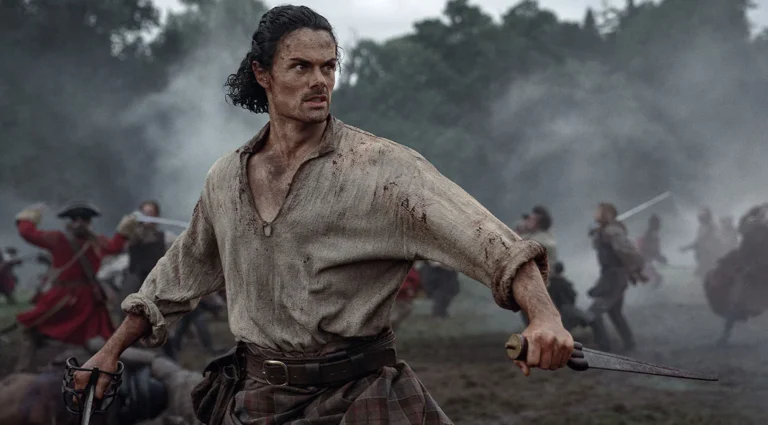









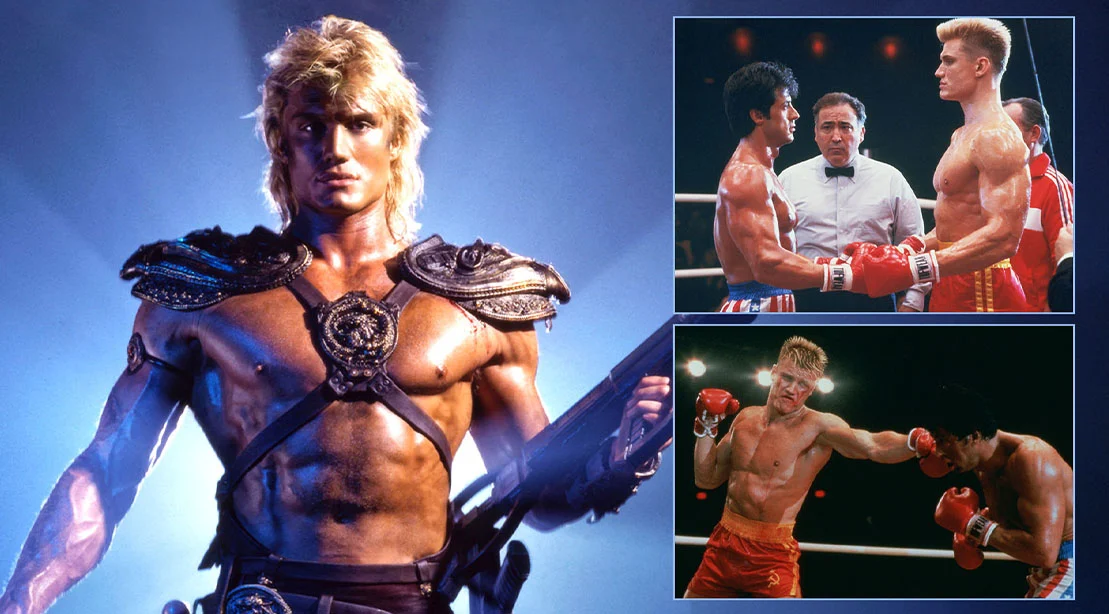
For decades, the world has known Dolph Lundgren as a titan of the silver screen—a 6’5” physical powerhouse who defined the archetype of the unstoppable action hero. From the menacing, steel-eyed stare of Ivan Drago in Rocky IV to the heroic mantle of He-Man in Masters of the Universe and the gritty intensity of the Universal Soldier franchise, Lundgren has been a fixture of global pop culture. Yet, behind the celluloid muscles and the high-octane stunts, the Swedish-born actor was quietly waging a war far more harrowing than any he had faced on set: a decade-long, life-altering battle against cancer.
With the release of his new autobiography, Fights Worth Fighting: Finding Strength in Struggle, and an upcoming documentary, Dolph: Unbreakable, the 68-year-old icon is stepping out from behind the curtain. He is no longer just the man who broke Apollo Creed; he is a survivor, a scholar, and a beacon of resilience, offering a blueprint for anyone navigating their own darkest chapters.
The Scholar Behind the Screen: A Life of Discipline
It is a common misconception that action stars are one-dimensional figures defined solely by their physical prowess. In Lundgren’s case, the reality is far more intellectual. Before he ever stepped into a boxing ring opposite Sylvester Stallone, Lundgren was a man of science. A former Swedish ice hockey standout and a formidable martial artist—he earned his fourth-dan black belt and became a European karate champion in the early 1980s—Lundgren also excelled in academia.
He holds a master’s degree in chemical engineering and was a prestigious Fulbright scholar. This analytical mindset, combined with the discipline of a lifetime of combat sports, provided the foundation for the man who would eventually face a medical diagnosis that almost ended his life. With over 100 IMDB credits to his name, Lundgren has been one of the most prolific actors in Hollywood for thirty years, but nothing could have prepared him for the internal "fight" that began in 2015.
Chronology of a Medical Odyssey
The story of Lundgren’s struggle is not one of overnight victory; it is a grueling timeline of endurance.
- 2015: The First Warning Sign: While training, Lundgren noticed blood in his urine. Medical testing identified a cancerous tumor in his kidney. The tumor was surgically removed, and he entered a period of regular surveillance.
- 2020: The Relapse: Five years later, the cancer returned with a vengeance. Several new tumors were discovered in the same area. Again, the star underwent surgery to remove the growths.
- The Escalation: Shortly after, a malignant tumor was discovered in his liver. Because of its size and location, surgery was deemed impossible. The medical team shifted to a regimen of infusions every three weeks.
- The Darkest Hour: As the cancer continued to spread, the situation became dire. Lundgren suffered from debilitating side effects, including severe blood clots caused by his medication. He reached a point where his medical team essentially told him his time on Earth was coming to an end, advising him to spend his remaining days with his family.
- The Turning Point: Refusing to accept the prognosis, Lundgren sought a second opinion at UCLA Health. Under the care of Dr. Alexandra Drakaki, the actor’s tissue was re-examined. Dr. Drakaki identified a mutation in the tumor that was typically associated with lung cancer.
- 2024: The Breakthrough: This pivotal discovery allowed for a targeted, more effective treatment plan. The results were nothing short of miraculous: the tumors shrank by approximately 90%. The remaining tissue was eventually cleared via ablation, and by late 2024, Lundgren was declared cancer-free.
The Power of the Second Opinion
Reflecting on the darkest moments of his diagnosis, Lundgren acknowledges that the decision to seek a second opinion was the most important move of his life. "I was reluctant to do it at first," he admits. "But I ended up being smart enough to just go ahead and get a second opinion. I just had a feeling about it, that it was going to help me. I wasn’t sure, but it turned out to be the right decision."
This sentiment is central to the thesis of his new book. Fights Worth Fighting is not merely a celebrity memoir; it is a guide for the vulnerable. Lundgren wrote the book to bridge the gap between his own struggle and the silent battles of his fans. "It’s for other people who have their own fights, medically or going through hardships in life," he explains. By re-examining his life, he has found a way to honor the young man who left Sweden decades ago to chase a dream, while simultaneously offering a roadmap for others to advocate for themselves when faced with institutional indifference or despair.
Maintaining the Machine: Strength at 68
Despite the toll of his illness, Lundgren remains a testament to the importance of physical maintenance. Even at 68, he continues to train three times a week, blending traditional weightlifting with his lifelong passion for karate.
"It’s very important, I think, as you get older, to keep your muscle mass, keep your testosterone level up," Lundgren notes. He credits his strength training as the literal engine that helped him survive the toxic treatments of his cancer journey. "Those treatments were quite tough, so the strength training really helped me."
He is an advocate for the "simple" approach to health: 30 minutes of intentional activity, disconnected from technology. "Just 30 minutes of sweating it out away from your computer can lead to significant results for body and mind," he asserts. For a man who has lived a life of extreme physical demand, the takeaway is surprisingly accessible: consistency is the ultimate currency of health.
Implications: A Legacy of Resilience
Dolph Lundgren’s journey offers profound implications for how we view celebrity and human fragility. He has successfully transitioned from the "unstoppable" caricature of the 80s action star to a more relatable, humanized figure who recognizes that strength is not the absence of struggle, but the persistence through it.
When asked about his "alternative life"—the path he might have taken had he not become an actor—Lundgren reflects on the life of a teacher or a karate coach. He admits that he would have been frustrated in those roles because of his inherent creative energy. "I think I made the right choice," he says.
The public certainly agrees. By opening up about his cancer battle, Lundgren has arguably created his most compelling character yet: himself. He has shown that even the most "invincible" icons are susceptible to life’s cruelest blows, and that the tools for survival are often found in the courage to ask questions, the refusal to quit, and the discipline to maintain one’s body even when the spirit is tested.
As he embarks on his book tour and prepares for the October 2026 release of Dolph: Unbreakable, the actor continues to show that while the roles he plays may change, his status as a fighter is permanent. For anyone currently in the trenches of a personal crisis, Lundgren’s message is clear: trust your intuition, demand answers, and never stop fighting for your seat at the table of life.
For more information on Dolph Lundgren’s "Fights Worth Fighting: Finding Strength in Struggle," visit the official HarperCollins website. You can also follow his ongoing journey and fitness insights on Instagram.