











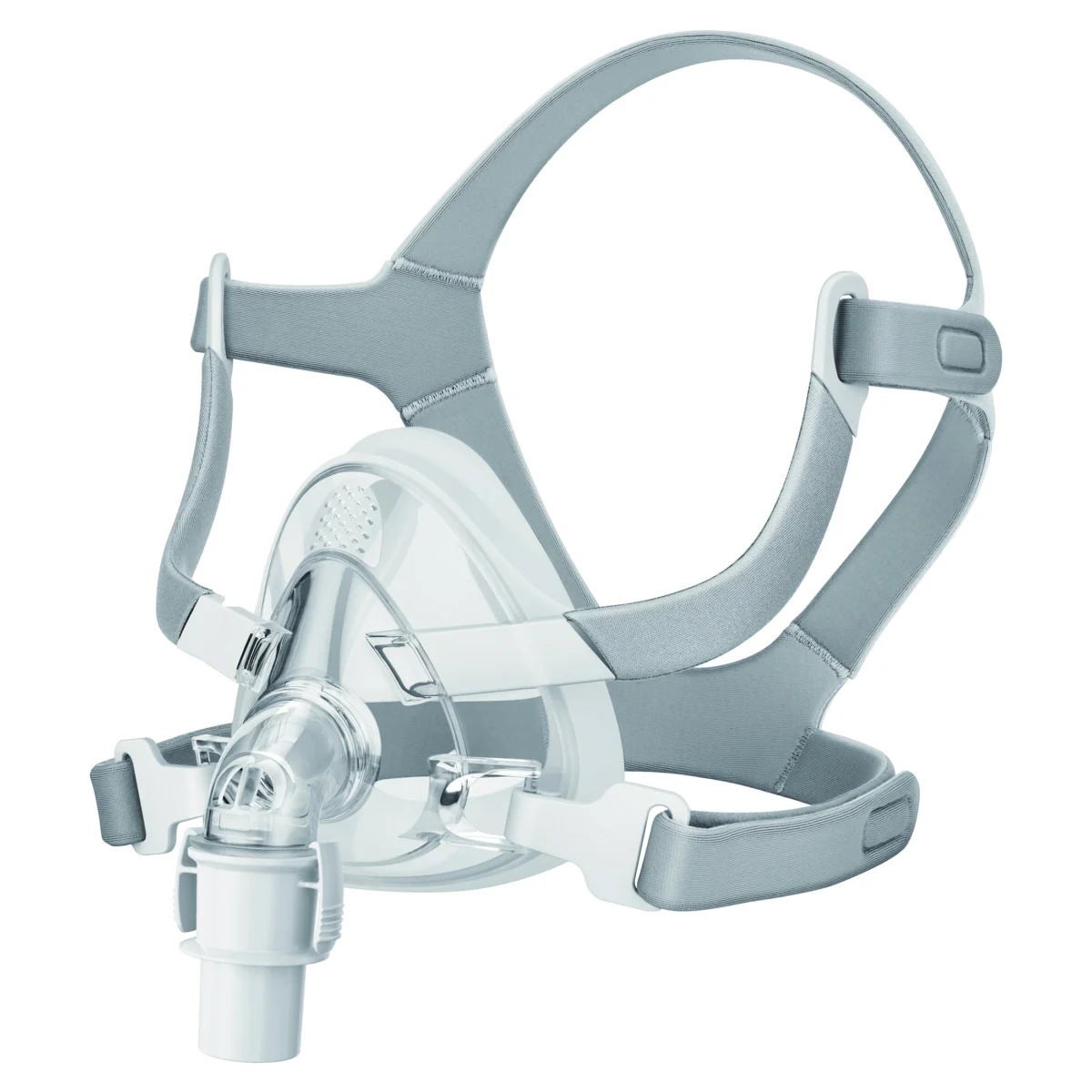
For millions of individuals living with obstructive sleep apnea (OSA), the nocturnal battle for consistent, restorative breath is a lifelong journey. At the heart of this medical management is Positive Airway Pressure (PAP) therapy. While often colloquially referred to as "CPAP" (Continuous Positive Airway Pressure), the field has evolved into a sophisticated landscape of varying pressure delivery methods designed to keep the upper airway open, preventing the catastrophic collapses that lead to daytime fatigue, cardiovascular strain, and cognitive decline.
Selecting the right mask—or "interface"—is arguably the most critical decision a patient makes after their initial diagnosis. Because an ill-fitting mask is the primary driver of therapy abandonment, the industry has shifted its focus toward personalization, material comfort, and seamless integration with the user’s sleep habits. This report provides a detailed analysis of current market-leading interfaces, examining how engineering advancements are bridging the gap between clinical efficacy and patient compliance.
The Evolution of PAP Therapy: Main Facts and Clinical Utility
The fundamental goal of PAP therapy remains unchanged: to act as a pneumatic splint for the airway. By applying pressurized air through the nasal passages or the mouth, the therapy ensures that the pharyngeal muscles do not collapse during the transition into deeper stages of sleep.

However, the "gold standard" is only as effective as the patient’s ability to tolerate it for the duration of the night. Modern interfaces have moved away from the bulky, rigid plastic masks of the early 2000s. Today, we see a rise in "minimalist" designs, such as nasal pillows and under-the-nose cushions, which aim to provide an unobstructed field of vision. This is particularly important for patients who experience claustrophobia or those who wear glasses while reading in bed.
Key Factors in Selection
When evaluating the masks featured in this guide, patients and clinicians must consider four primary pillars:
- Anatomy: The bridge of the nose, the width of the nostrils, and the profile of the jawline dictate the seal’s integrity.
- Pressure Requirements: Higher pressure settings (e.g., 20+ cm H2O) often require more robust, full-face interfaces to ensure the seal doesn’t break under the force of the air.
- Sleep Position: Side sleepers require interfaces with swiveling elbows and low-profile frames to prevent the mask from being dislodged against the pillow.
- Nasal Breathing Ability: Those with chronic congestion or deviated septa may require full-face interfaces to ensure air is delivered regardless of nasal obstruction.
Chronology of Innovation: From Basic Straps to Smart Integration
The history of the PAP interface is a timeline of incremental comfort improvements. In the early years of OSA treatment, the focus was purely on air delivery; comfort was an afterthought. The industry entered a new phase around 2010 when manufacturers began prioritizing the "user experience" to combat high rates of non-compliance.

- The Early Era: Dominated by heavy silicone cushions and rigid forehead supports. These often caused pressure sores and skin breakdown.
- The Minimalist Shift: Around 2015, the introduction of nasal pillows and "frame-less" designs began to gain traction. Companies like Philips Respironics and ResMed revolutionized the field by moving the tube connection to the top of the head.
- The Digital Integration Era (2020–Present): We are now in the age of "Remote Mask Fitting." Utilizing AR (Augmented Reality) and specialized software, clinicians can now guide patients through the selection process digitally, ensuring a precise fit without requiring multiple physical appointments. The inclusion of software like MaskFit AR and SleepGlad represents a massive leap forward in ensuring that patients receive the right equipment on the first attempt.
Supporting Data: A Comparative Analysis of Market Leaders
The following data, updated as of September 2026, highlights the diversity in engineering philosophies across the industry.
Feature Matrix
| Manufacturer | Interface | Warranty | Pressure Range (cm H2O) | Notable Feature |
|---|---|---|---|---|
| Airway Management | myTAP PAP | 3 Months | 4-18 | Strapless, mouthpiece-anchored |
| Fisher & Paykel | Nova Nasal | 3 Months | 4-30 | SwingFit headgear for alignment |
| Hans Rudolph | 7600 V2 Full Face | 6 Months | 3-40 | One-piece molded silicone |
| Philips Respironics | DreamWear | 3 Months | 4-30 | Interchangeable cushions |
| ResMed | AirTouch F30i | 3 Months | 4-30 | Fabric-wrapped "ComfiSoft" |
| Sunset Healthcare | Vesper Full Face | 1 Month | 4-30 | Ergonomic temple arms |
The data reveals that manufacturers are increasingly catering to high-pressure needs. Devices like the Hans Rudolph 7600 V2 support pressures up to 40 cm H2O, making them vital for patients with complex breathing disorders or severe obesity-hypoventilation syndrome. Conversely, the focus on "intentional leak" rates (typically between 26 and 30 l/min) highlights the ongoing effort to balance effective venting of exhaled CO2 with the need for a quiet, unobtrusive experience for the bed partner.
Official Responses and Industry Perspectives
The manufacturers listed above have largely converged on a "patient-first" design language. In recent statements, representatives from these firms have emphasized that the "one-size-fits-all" model is effectively dead.

Fisher & Paykel, for instance, highlights their SwingFit headgear as a response to the common complaint of "mask drift"—where the headgear slips during the night, forcing the patient to tighten straps to an uncomfortable degree. By allowing the mask to swing and naturally align, the interface maintains a seal even as the patient tosses and turns.
ResMed’s approach with the AirTouch F30i represents the industry’s move toward "luxury" materials. By using memory-foam-like fabric surfaces instead of traditional silicone, they are addressing the skin irritation issues that frequently lead to patients discontinuing therapy. These advancements are not merely cosmetic; they are clinical interventions aimed at increasing the "Average Usage Hours," a metric that is the primary predictor of successful long-term outcomes in OSA management.
Implications for the Future of Sleep Health
What does this mean for the patient? The current market trajectory suggests that we are moving toward a future of "hyper-personalization." As 3D scanning and AI-driven fitting software become more accessible, the likelihood of a patient receiving an ill-fitting mask at the start of their journey is dropping significantly.

The Role of the Clinician
While technology is improving, the role of the sleep technician or respiratory therapist remains paramount. An interface is only as good as the clinician’s ability to teach the patient how to maintain it. Proper cleaning—removing facial oils from silicone cushions—is just as important as the initial fit. The industry is currently advocating for a more frequent "refresh" cycle for supplies, as old, degraded materials are often the silent culprit behind mask leaks.
Addressing Therapy Abandonment
The ultimate implication of these diverse choices is a reduction in the "first-year drop-out rate." By offering options like the Airway Management myTAP—which removes the headgear entirely in favor of a mouthpiece anchor—the industry is acknowledging that some patients have sensory processing issues that make traditional headgear impossible to tolerate.
Final Considerations
As we look toward the 2027 update cycle, we expect to see more integration with home-monitoring systems. Imagine a mask that not only provides therapy but also tracks the quality of the seal in real-time, sending data to the user’s smartphone to suggest minor adjustments.

For the patient reading this: your journey with PAP therapy is a process of trial and error. Do not be discouraged if your first mask is not your last. The sheer variety of options available today—from the robust Hans Rudolph full-face systems to the delicate, unobtrusive ResMed nasal cushions—means that the perfect interface for your unique anatomy and lifestyle exists. The challenge is no longer about finding a device that works; it is about finding the device that you can forget you are wearing.
Disclaimer: This guide is based on data submitted by PAP interface marketers as of September 2026. Sleep Review strives for accuracy but cannot be held responsible for individual manufacturer claims. Patients are encouraged to consult with their healthcare provider or a board-certified sleep specialist before changing their prescribed therapy equipment. Pricing and availability are subject to change.