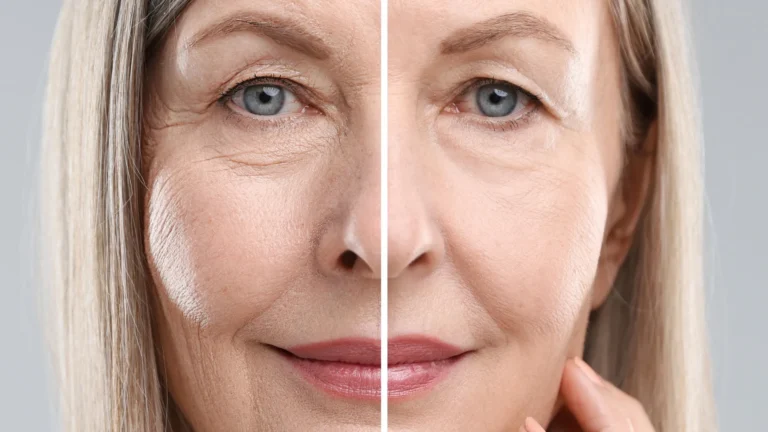











As we cross the age of 55, the body undergoes natural physiological shifts. Among the most common concerns for both men and women is the loss of lean muscle mass—a process known as sarcopenia—and the tendency for adipose tissue to accumulate around the thighs and hips. While the fitness industry is saturated with promises of "spot reduction," the reality of human physiology is more nuanced. You cannot choose exactly where fat disappears, but you can strategically build the muscle architecture beneath it to create a firmer, more toned appearance.
Beyond aesthetics, the importance of leg strength after 55 cannot be overstated. Strong quads, hamstrings, and glutes are the engines of daily independence. They are the difference between navigating a flight of stairs with ease and feeling hesitant; they are the stability that prevents falls and the confidence that turns a sedentary afternoon into a vigorous walk. By shifting your focus from "logging miles" to building force-producing muscle, you can transform your physical profile and your quality of life.
The Science of Body Composition After 55
To understand why standing exercises are the gold standard for midlife fitness, we must look at the "bigger picture" of body composition. Fat loss is a systemic process dictated by a caloric deficit and hormonal health, but muscle maintenance is a localized mechanical process. When you engage in weight-bearing, standing exercises, you are signaling to your body that it needs to maintain and build muscle tissue to support the mechanical load.
According to recent clinical research, resistance training is the single most effective intervention for preserving metabolic rate as we age. When you perform movements that require you to move your own body weight against gravity, you stimulate neuromuscular adaptations that simple steady-state cardio—like long-distance walking—often fails to trigger. Strength-focused standing exercises compel your thighs and glutes to produce force with every repetition. This "time under tension" is what shapes the leg and keeps your metabolism firing long after the workout has concluded.
Chronology of an Effective Lower-Body Routine
A successful fitness routine for those over 55 is not about how much you can lift, but how consistently and safely you can move. The following program follows a deliberate progression: starting with power, moving into unilateral strength, reinforcing with foundational patterns, and finishing with metabolic conditioning.
1. The Squat Jump: Introducing Explosive Power
Squat jumps are the high-octane component of your routine. By adding a jump, you transition from a static movement to an explosive one, which recruits fast-twitch muscle fibers. These fibers are often the first to atrophy as we age, so keeping them active is vital for functional power.
- How to perform: Stand with feet shoulder-width apart. Lower your hips back and down into a controlled squat. Using your glutes and quads, push upward through your heels to leave the ground. The key is in the transition: land softly on the balls of your feet, immediately sinking back into the squat to absorb the impact.
- The Benefit: This increases heart rate and builds "fast" leg strength.
- Safety Protocol: If you have joint sensitivity, replace the jump with a "Squat to Calf Raise," which provides the same vertical drive without the impact.
2. The Walking Lunge: Unilateral Stability
Unilateral, or single-leg, training is essential because it corrects muscle imbalances that develop over decades of uneven movement. The walking lunge forces your core to stabilize your body while your front leg handles the entirety of your body weight.
- How to perform: Take a controlled step forward, lowering your back knee toward the ground while keeping your front knee aligned over your ankle. Push through the front heel to drive yourself forward into the next step.
- The Benefit: This improves balance and coordination, which are critical for injury prevention after 55.
- Safety Protocol: Shorten your stride if you feel discomfort in your knees. A shallower, more controlled lunge is significantly more effective than a deep, shaky one.
3. The Bodyweight Squat: Foundational Strength
The squat is the "king" of lower-body exercises because it mimics the most fundamental human movement: sitting down and standing up. By mastering the bodyweight squat, you ensure that your knees, hips, and ankles are prepared for the demands of daily life.

- How to perform: Keep your chest up and your feet firmly planted. As you lower your hips, imagine sitting into a chair behind you. Pause for a second at the bottom, then stand with purpose, squeezing your glutes at the top of the movement.
- The Benefit: This builds endurance and volume, reinforcing the muscle fibers damaged by the more explosive jump work.
- Safety Protocol: Use a chair as a guide if you are just starting. Touch your glutes to the seat and stand back up to ensure proper depth and form.
4. The Jumping Jack: Metabolic Conditioning
We conclude the session with a rhythmic, total-body movement. Jumping jacks serve as the bridge between strength and cardiovascular health. They keep the inner and outer thighs engaged throughout the duration of the set.
- How to perform: Start in a standing position, then simultaneously jump your feet wide and bring your arms overhead. Return to the starting position with control.
- The Benefit: By increasing your breathing rate, you encourage the fat-burning processes that support your lean muscle gains.
- Safety Protocol: If jumping feels too aggressive, utilize the "Step Jack" variation, where you tap your feet side-to-side without leaving the floor.
Supporting Data: Why Strength Trumps Distance
For decades, the standard advice for weight management has been to "run more miles." However, for those over 55, chronic high-impact cardio can lead to joint wear and, in some cases, the breakdown of muscle tissue if not paired with proper nutrition.
Clinical studies indicate that individuals who incorporate resistance training—specifically targeting the lower body—show higher bone density and better glucose regulation compared to those who stick exclusively to steady-state cardio. By prioritizing the four moves listed above, you are essentially engaging in a "two-for-one" strategy: you are building the structural density of your legs (strength) while simultaneously creating the metabolic demand required for fat loss (conditioning).
Official Perspectives on Longevity and Movement
Experts in gerontology and exercise physiology, such as Jarrod Nobbe, MA, CSCS, emphasize that the goal for the over-55 demographic is "functional longevity." It is not about training for a marathon; it is about training to remain active for the next thirty years.
Official fitness guidelines from major health organizations recommend at least two days of strength training per week for older adults. The routine outlined here meets these requirements perfectly. By utilizing the 45-to-60-second rest intervals, you allow your central nervous system to recover between sets, ensuring that each repetition is performed with perfect form—a non-negotiable factor when training to avoid injury.
Implications for Your Daily Life
What does this mean for you? It means that the "thigh fat" you see in the mirror is not just a cosmetic issue; it is a signal to begin a more intentional relationship with your lower body. When you commit to this program two to four days per week, you are not just working toward a more toned physique; you are investing in your future self.
The Integrated Approach:
- Consistency: Perform these four exercises as a circuit. The muscle-building benefits come from the cumulative stress of the work.
- Nutrition: Pair these moves with a high-protein diet. Lean muscle cannot be built in a nutritional vacuum. Ensure you are getting adequate amino acids to help your thighs recover and adapt.
- Active Recovery: On your "off" days, engage in light walking, yoga, or swimming. The goal is to keep the joints mobile without overtaxing the muscles you’ve just stimulated.
As you integrate these movements into your weekly rhythm, remember: the goal is progress, not perfection. Whether you start with the chair-supported squat or the full-range lunge, every repetition is a victory for your metabolism, your mobility, and your long-term health. The legs that carry you today are the same legs that will carry you through your sixties, seventies, and beyond—make them strong, make them functional, and keep them moving.