





16 September, 2026
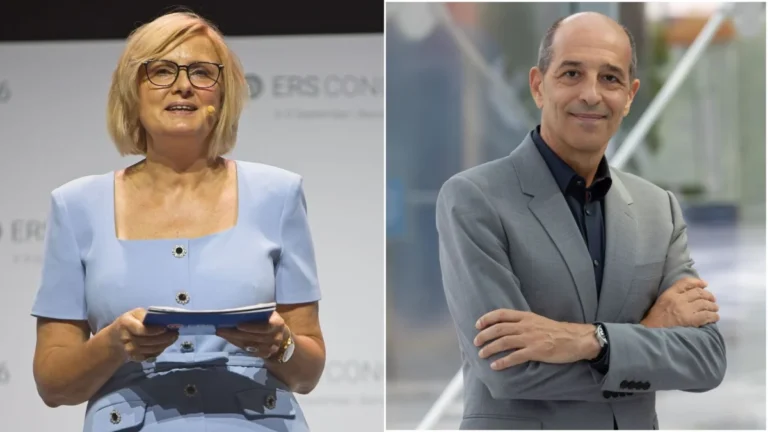
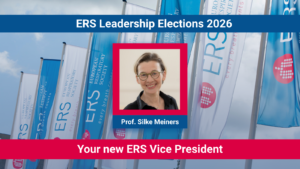
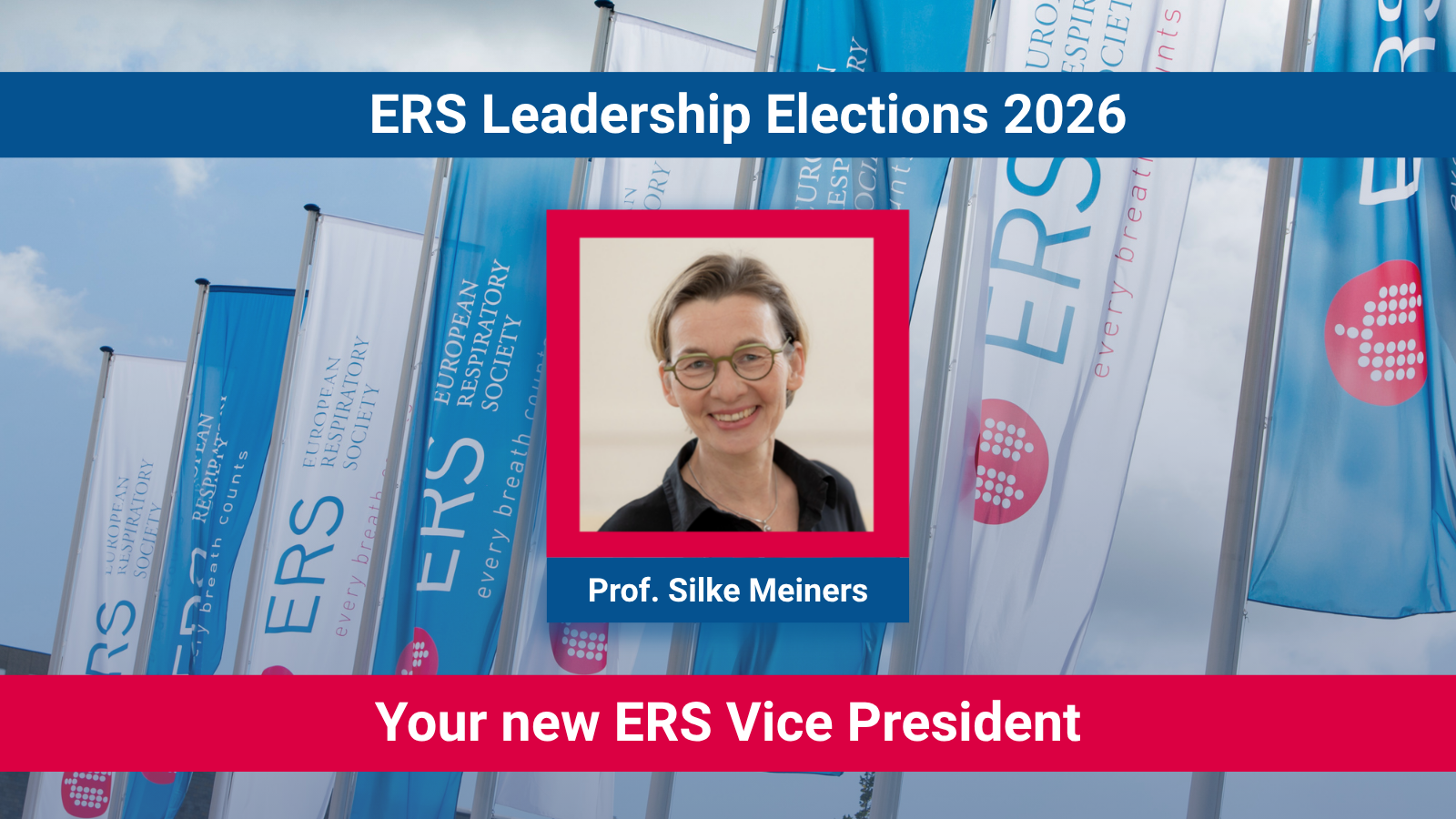
The European Respiratory Society (ERS) has officially concluded its 2026 Leadership Election, marking a pivotal moment in the organization’s trajectory. Following an extensive voting process that engaged thousands of members across the globe, the society has announced the appointment of Professor Silke Meiners as the new ERS Vice President.
This leadership transition comes at a critical juncture for the respiratory community, as the field navigates the complexities of post-pandemic recovery, the rise of chronic respiratory diseases, and the rapid integration of artificial intelligence and personalized medicine into clinical care. Prof. Meiners, a distinguished figure in translational science, steps into this role with a clear mandate: to bridge the historical divide between the laboratory bench and the patient’s bedside.
Main Facts: The New Leadership Transition
The ERS Vice President role is not merely an honorary position; it is a functional leadership post that serves as a cornerstone for the society’s long-term strategy. Prof. Silke Meiners assumes the role following a rigorous democratic process that underscored the high level of engagement within the ERS membership.
Prof. Meiners’ election is the culmination of a career dedicated to respiratory health. She brings over 15 years of active, high-level involvement with the ERS to the table. Her background, rooted deeply in Assembly 3 (Basic and Translational Sciences), positions her uniquely to address the growing demand for research that translates molecular insights into actionable therapeutic strategies.
Her appointment is viewed by industry experts as a strategic move by the ERS to prioritize "end-to-end translation." In an era where the pace of discovery in genomics and molecular biology is accelerating, the ability to synthesize these findings into improved patient outcomes has become the primary metric of success for global health organizations.
Chronology of the 2026 Election Process
The election process for the 2026 cycle was characterized by transparency, inclusivity, and a high degree of member participation.
- January 2026: The ERS Nominating Committee initiated the search for candidates, seeking individuals with proven leadership experience and a vision for the future of respiratory medicine.
- March–April 2026: Candidates were vetted through a series of internal interviews and public-facing Q&A sessions, where they presented their platforms to the assembly members.
- May–July 2026: The voting period opened to all eligible ERS members. The society utilized a secure, digital platform to ensure that the electoral process was both accessible and tamper-proof.
- August 2026: The independent audit of the voting results was conducted, ensuring adherence to the society’s bylaws and governance standards.
- 16 September 2026: The official announcement was made, confirming Prof. Silke Meiners as the successful candidate for the Vice Presidency.
This timeline reflects the ERS’s commitment to maintaining a robust democratic infrastructure, ensuring that the leadership remains accountable to the scientific and clinical communities it serves.
Supporting Data: The Case for Translational Integration
The need for a leader with Prof. Meiners’ specific skillset is supported by current trends in respiratory health. According to recent data from the ERS and the World Health Organization (WHO), chronic respiratory diseases remain a leading cause of morbidity and mortality worldwide.
The Translation Gap
Historically, the "valley of death"—a term used to describe the difficulty of moving scientific discoveries from the lab into the clinical setting—has hampered respiratory progress. Data indicates that while basic research funding has increased by 14% globally over the last decade, the number of new, disease-modifying therapies reaching clinical practice has not kept pace at the same rate.
Assembly 3 and Beyond
Prof. Meiners’ work within Assembly 3 has been instrumental in addressing this. Her research has consistently focused on the pathophysiology of lung disease, with a particular emphasis on the mechanisms of chronic obstructive pulmonary disease (COPD) and pulmonary fibrosis. By leading this assembly, she has helped foster a collaborative environment where cellular biologists work alongside pulmonologists, creating a feedback loop that informs both clinical trials and basic research.
Official Response: A Vision for the Future
Upon her appointment, Prof. Silke Meiners issued a statement that outlined the core pillars of her tenure as Vice President. Her focus, she noted, is on creating a seamless pipeline of discovery.
"I am delighted to take on this responsibility within ERS," Prof. Meiners stated. "One of my key priorities will be to strengthen end-to-end translation, connecting discoveries in basic and translational research more closely with clinical practice and ultimately with better outcomes for patients."
She emphasized that the strength of the ERS lies in its diversity—not just of geography, but of discipline. "A great strength of ERS is that it brings together expertise from across the entire respiratory community. By combining these strengths, we have a great opportunity to accelerate progress in lung health and improve outcomes for patients worldwide."
The ERS leadership team has welcomed her appointment, noting that her background in equity and support for early-career researchers aligns perfectly with the society’s long-term objectives for sustainable growth and talent retention.
Implications for the Respiratory Community
The election of Prof. Meiners signals several significant shifts for the ERS and the broader respiratory community.
1. The Rise of the "Translationalist"
For years, there has been a siloed approach to respiratory care, with basic researchers and clinical practitioners operating in parallel rather than in tandem. Prof. Meiners represents a new generation of leadership that views these two domains as intrinsically linked. This will likely result in more integrated conference programming, joint research funding initiatives, and a curriculum reform for younger doctors and scientists.
2. A Focus on Diversity and Equity
Prof. Meiners has been a vocal proponent of diversity, equity, and inclusion (DEI) within the scientific community. Her election suggests that the ERS will double down on initiatives to support researchers from underrepresented regions and backgrounds. By lowering the barriers to entry for early-career scientists, the ERS aims to foster a more innovative and globally representative pipeline of talent.
3. Patient-Centric Research
Perhaps the most significant implication of her leadership is the shift toward patient-centered outcomes. As Prof. Meiners noted, the ultimate goal of any scientific discovery must be the improvement of patient lives. This will likely manifest in an increased emphasis on patient-reported outcomes in clinical research and a closer partnership between the ERS and patient advocacy groups.
Conclusion: Looking Ahead
As the European Respiratory Society looks toward the future, the appointment of Prof. Silke Meiners serves as a catalyst for change. The challenges facing the respiratory community—from the rising burden of asthma in developing nations to the complexities of treating post-viral lung complications—are significant. However, under the guidance of a leader who understands both the microscopic complexities of the cell and the macroscopic realities of clinical care, the ERS is well-positioned to meet these challenges head-on.
The society invites all members to continue their engagement with the electoral process. As new committees are formed and fresh strategic initiatives are launched in the coming months, the participation of the ERS membership will remain the lifeblood of the organization. For those interested in tracking these developments, the ERS elections and open positions page serves as the primary portal for ongoing updates.
As Prof. Meiners begins her term, the global respiratory community watches with anticipation, eager to see how her vision of integrated, translational, and equitable science will redefine the standards of lung health in the years to come.