






Introduction: A Cautious Turning Point
The World Health Organization (WHO) has signaled a shift in the narrative surrounding the ongoing Ebola outbreak in the Democratic Republic of the Congo (DRC). During a recent press briefing in Geneva, Director-General Dr. Tedros Adhanom Ghebreyesus offered a glimmer of optimism, noting that disease transmission rates are finally beginning to show signs of decline across most affected provinces.
However, this optimism is heavily tempered by the reality on the ground. Despite the downward trend in case numbers, the epidemic remains a potent threat to regional stability and public health. As Dr. Tedros emphasized, while the progress is measurable, the mission to fully contain the virus is far from complete, requiring months of sustained, high-intensity intervention to prevent a resurgence.
Main Facts: Understanding the Scope of the Outbreak
The current crisis, driven by the Bundibugyo species of the Ebola virus, represents the second-largest Ebola outbreak in documented history. The geographical footprint is vast, spanning seven provinces in the northeastern DRC.
- The Burden of Disease: As of the most recent reporting period, the DRC has recorded 7,258 confirmed cases of Ebola.
- The Human Toll: The outbreak has resulted in 3,510 confirmed deaths, a sobering figure that highlights the extreme lethality of the virus in the absence of comprehensive healthcare infrastructure.
- The Epicenter: Ituri province remains the primary hot spot of the epidemic, though health authorities are encouraged by recent data suggesting that transmission in this critical zone is finally slowing.
- The Virus: Unlike the Zaire strain that has dominated recent headlines, this outbreak involves the Bundibugyo species, a variant that presents unique challenges for vaccine efficacy and clinical management.
Chronology: The Hidden Genesis of the Crisis
While the international community officially recognized the outbreak in mid-May, retrospective epidemiological investigations suggest that the virus was circulating in the region much earlier.
Early 2026: Silent Transmission
Evidence suggests that the outbreak likely began in the early months of 2026. During this period, the virus spread through remote communities, often obscured by the region’s volatile political climate and the lack of robust surveillance systems.
Mid-May 2026: Official Detection
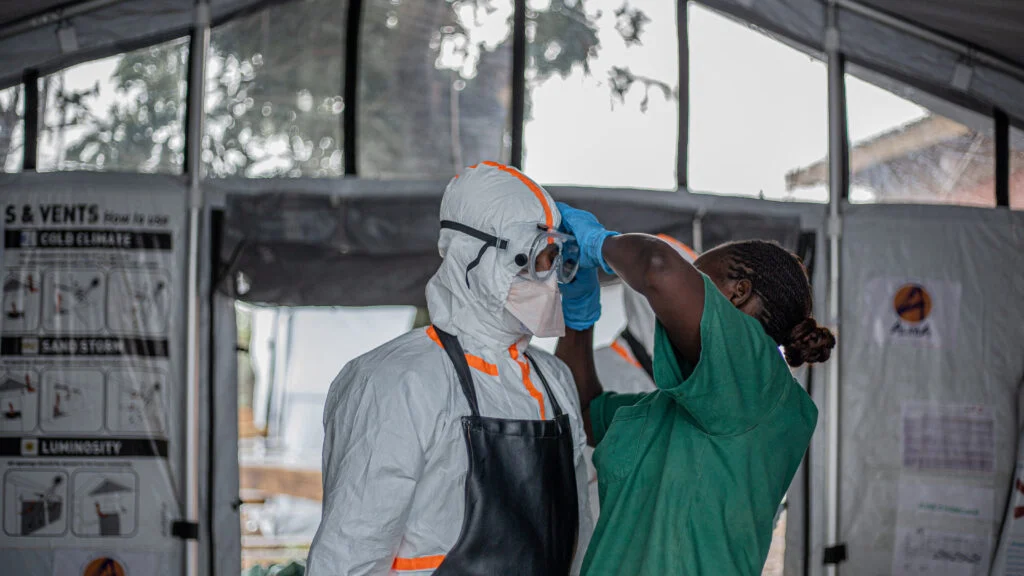
Public health authorities formally identified the outbreak in May 2026. The initial response was hindered by a lack of diagnostic resources and the logistical nightmares posed by the DRC’s rugged, conflict-ridden terrain.
Late 2026 to Present: Escalation and Pivot
Throughout the summer and autumn, the epidemic grew rapidly, prompting a massive surge in international aid. The timeline of the response has been marked by a constant struggle to balance clinical research—such as vaccine trials—with the immediate necessity of contact tracing and safe burial practices.
Supporting Data: Comparative Analysis
To understand the severity of this crisis, one must look at the broader historical context. While the current outbreak is significant, it occupies a distinct space in the annals of global health history.
The West African Comparison
The devastating West African Ebola epidemic of 2014–2016 remains the benchmark for size and impact. The current DRC outbreak is approximately one-quarter the size of the West African crisis. However, the timeframe for the current outbreak is already substantial. While the West African epidemic lasted nearly two years, the current DRC crisis has managed to sustain transmission for a significant period despite aggressive efforts to curb it.
Epidemiological Trends
The decline in cases in Ituri province is the most promising statistic to date. However, epidemiologists warn that this decline is relative. Because the starting point of the outbreak was so intense, the "reduction" must be viewed through the lens of a still-high baseline. The virus remains endemic in pockets, and health officials are particularly concerned about the potential for "seeding" events, where the virus moves from urban centers back into remote, unmonitored villages.

Official Responses: The WHO and International Cooperation
Dr. Tedros Adhanom Ghebreyesus has been the public face of the WHO’s response, frequently traveling to the DRC to assess the situation firsthand. His remarks highlight a complex shift in local perception.
The Perception Gap
In his early visits to the DRC, Dr. Tedros encountered a population that was deeply skeptical of international intervention. Many locals viewed Ebola as merely one of many existential threats—often ranking it lower than the immediate, daily risks of malaria, starvation, and political violence. There was a pervasive sentiment that international organizations only mobilized for Ebola because of the fear that it would reach Western nations.
A Shift in Engagement
As the death toll climbed, the perception began to evolve. Dr. Tedros noted that there is now "better cooperation" on the ground. Local communities, recognizing the severity of the virus, have become more willing partners in containment efforts. This shift is critical; in regions where trust in government and international bodies is historically low, community cooperation is the single most important factor in the success of contact tracing and vaccination campaigns.
Implications: The Future of Vaccination and Research
A pivotal component of the containment strategy is the deployment of vaccines. The WHO is currently coordinating a multi-pronged approach to both study and utilize available tools.
Phase 3 Clinical Trials
In the coming weeks, the WHO expects to launch a Phase 3 randomized clinical trial for Ebola vaccines. The primary candidate for the initial phase is Merck’s Ervebo, which was designed to target the Zaire strain. While Ervebo is highly effective against Zaire, researchers are cautiously optimistic about its potential for cross-protection against the Bundibugyo species.
Observational Field Trials
Simultaneously, a separate observational study led by the DRC government and Doctors Without Borders (MSF) is set to commence. This trial will utilize a "prime-boost" strategy: participants will receive a dose of Ervebo, followed one month later by an experimental vaccine specifically designed to protect against the Sudan version of the Ebola virus. This strategy is an attempt to create a broader immunological net.
The Role of Meg Doherty
Meg Doherty, the WHO’s director of the department of science for health, has outlined a clear path for future expansion. Once vaccines specifically engineered for the Bundibugyo species complete their Phase 1 safety and dosing trials, they will be integrated into the ongoing Phase 3 study. This modular approach to research ensures that the most cutting-edge data informs the field response in real-time.
Conclusion: The Long Road Ahead
The path to declaring the DRC free of Ebola is fraught with systemic challenges. Decades of civil unrest have left the region with a fragile, often non-existent, health infrastructure. Displaced populations, struggling to secure basic necessities, are naturally less inclined to prioritize an abstract threat like a virus over the immediate need for food and safety.
Yet, the current trajectory provides a basis for cautious optimism. The combination of improved community engagement, a more coordinated vaccination strategy, and the measurable decline in transmission in key provinces suggests that the collective effort is beginning to pay dividends.
As the world watches the situation in the DRC, the lessons learned here will undoubtedly shape the global response to future hemorrhagic fever outbreaks. The crisis serves as a stark reminder that in the fight against infectious disease, medical technology—while essential—is only as effective as the social and political stability in which it is deployed. For the people of the DRC, the next few months will be a test of endurance, as the international community attempts to translate these initial signs of progress into a definitive, long-term victory over the virus.