











Featured Buzz – January 11, 2026
The landscape of respiratory medicine is undergoing a profound transformation. As clinical demand for efficient, accurate diagnostics grows, researchers are increasingly turning to artificial intelligence (AI) and non-invasive imaging technologies to bridge the gap between initial patient contact and life-saving interventions. From the early detection of Chronic Obstructive Pulmonary Disease (COPD) to the delicate management of neonatal ventilation and the reduction of antibiotic misuse in intensive care, three recent studies published in leading medical journals highlight a shift toward high-precision, data-driven clinical workflows.
I. AI-Enhanced ECGs: A New Horizon for COPD Screening
Chronic Obstructive Pulmonary Disease (COPD) remains one of the leading causes of morbidity and mortality worldwide, yet it is notoriously underdiagnosed in its early stages. Traditionally, diagnosis relies on spirometry—a test that is often unavailable in primary care settings or omitted during routine visits.
The Mount Sinai Breakthrough
Researchers from the Mount Sinai Health System have introduced a novel approach: utilizing the ubiquitous electrocardiogram (ECG) as a screening tool for COPD. By training a Convolutional Neural Network (CNN) on a massive dataset of over 760,000 ECGs, the team aimed to identify subtle cardiac signatures—or "electrocardiographic footprints"—that correlate with the presence of lung obstruction.
Chronology and Methodology
The study was an exercise in "big data" clinical research. The investigators compiled a retrospective cohort of 18,225 patients with confirmed COPD, alongside a control group of 59,356 individuals matched by age, sex, and race. By feeding the ECG traces into an AI model, the researchers enabled the computer to recognize patterns imperceptible to the human eye. The model was rigorously vetted across internal and external validation cohorts, including a dedicated test group of 258 COPD cases and 1,290 matched controls.
Clinical Implications
The authors emphasize that this technology is not intended to replace the gold standard of spirometry. Instead, it serves as a "pragmatic screening tool." By identifying high-risk patients during routine cardiac exams, clinicians can initiate early smoking cessation counseling, pulmonary rehabilitation, and targeted pharmacological therapies. This proactive shift could fundamentally change the trajectory of the disease, reducing the long-term healthcare burden and improving the quality of life for millions.
II. Predicting Extubation Success in VLBW Infants via Ultrasound
For the most vulnerable patients in the Neonatal Intensive Care Unit (NICU)—specifically very low birth weight (VLBW) infants—the process of weaning off mechanical ventilation is a high-stakes clinical challenge. Failed extubation can lead to further respiratory trauma and extended hospital stays.
The Role of Lung Ultrasound (LUS)
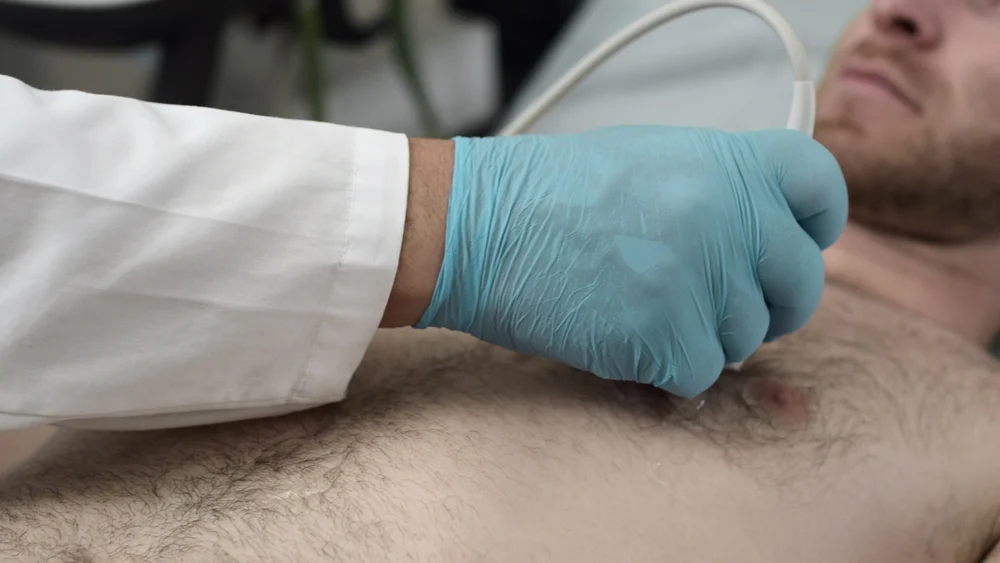
A research team from the University of Chicago recently investigated the predictive power of lung ultrasound (LUS) scores in this fragile population. Unlike chest X-rays, which expose infants to ionizing radiation, LUS is portable, repeatable, and provides real-time dynamic imaging of lung aeration.
Study Design and Findings
The study followed 45 VLBW infants who had been intubated for respiratory distress syndrome (RDS). Over the course of 53 extubation attempts, researchers performed LUS scans three to six hours prior to the procedure. The results demonstrated that the neonatal-adapted LUS score serves as a highly accurate predictor of whether an infant will successfully breathe independently or require reintubation within seven days.
Official Perspectives
The findings suggest that LUS could become a standard component of the extubation decision-making process. Notably, the study found no significant correlation between dexamethasone treatment and lower LUS scores, providing clinicians with clearer guidelines on how to interpret ultrasound data independent of common steroid therapies. By providing a reliable "readiness" metric, LUS allows for more personalized, evidence-based care in the NICU.
III. AI and Biomarkers: Combating Antibiotic Resistance in the ICU
The over-prescription of antibiotics in intensive care settings for patients with suspected Lower Respiratory Tract Infections (LRTIs) is a major driver of multidrug-resistant bacterial infections. Distinguishing between a true bacterial infection and inflammatory lung conditions—such as ARDS or chemical pneumonitis—is one of the most difficult tasks for critical care physicians.
The UCSF Diagnostic Strategy
Researchers at the University of California, San Francisco (UCSF), have pioneered an AI-driven diagnostic framework that integrates biological data with natural language processing. The model focuses on the gene FABP4, which is expressed in lung fluid. In healthy lungs, FABP4 helps manage inflammation, but its expression drops significantly during a bacterial infection.
Integration of Generative AI
The UCSF team combined FABP4 biomarker data with a generative AI analysis of electronic medical records (EMR). The model parsed chest X-ray radiology reports and clinicians’ subjective notes to provide a holistic diagnostic probability.
Performance and Future Directions
In an observational study of critically ill adults, the model achieved a 96% diagnostic accuracy, consistently outperforming experienced ICU clinicians. The researchers suggest that widespread adoption—using a HIPAA-compliant GPT-4 interface—could reduce the use of inappropriate antibiotics by more than 80%.
"This study suggests that integrating a host biomarker with large language model analysis can improve LRTI diagnosis in critically ill adults," the authors noted in Nature Communications. The team is currently scaling this approach to address the diagnosis of sepsis, aiming to provide a comprehensive toolkit for antibiotic stewardship.
IV. The Broader Implications: A Future of Integrated Diagnostics
The convergence of these three studies reveals a common theme in modern medicine: the transition from reactive, symptom-based diagnosis to proactive, data-integrated care.
Data-Driven Precision
The common denominator across these studies is the utilization of existing data streams—ECG waves, ultrasound visuals, and EMR narratives—in ways that were previously impossible. AI serves not as a replacement for the physician, but as an advanced lens that reveals patterns in complex biological data.
Addressing the Healthcare Burden
- For COPD: Early detection via ECG screening means intervening years before severe disability occurs.
- For Neonates: Predictive ultrasound imaging means fewer invasive reintubation procedures, which directly correlates to better developmental outcomes for VLBW infants.
- For the ICU: Using AI to curb antibiotic overuse addresses a global public health crisis while minimizing the side effects of unnecessary medication.
Challenges and Future Hurdles
While the promise is significant, the path to clinical implementation requires rigorous ethical and logistical vetting. Issues regarding data privacy, algorithmic bias, and the necessity of "human-in-the-loop" verification remain central to the discourse. Clinicians must ensure that these AI tools are validated across diverse patient populations to prevent systemic inequalities in care delivery.
Conclusion
The research published in eBioMedicine, the Journal of Perinatology, and Nature Communications marks a pivotal moment in respiratory medicine. By harnessing the computational power of artificial intelligence and the high-resolution insight of modern imaging, the medical community is moving toward a standard of care that is more predictive, less invasive, and increasingly precise. As these tools move from the research phase to clinical practice, they promise not only to improve diagnostic speed but to fundamentally elevate the standard of patient outcomes in hospitals around the globe.
Sources and Further Reading
- Mount Sinai Health System, "ECGs Show Promise for Early Diagnosis of COPD," eBioMedicine (2026).
- University of Chicago, "Lung Ultrasound Predicts Extubation Success in VLBW Infants," Journal of Perinatology (2026).
- University of California, San Francisco, "Using AI to Diagnose LRTIs Could Cut Down on Inappropriate Antibiotic Use," Nature Communications (2026).