







In the complex landscape of human emotion, few experiences are as intoxicating—or as potentially deceptive—as the rush of new love. For those living with bipolar disorder, however, this "natural high" carries a unique set of risks. The neurochemical signatures of intense romantic attraction and a manic or hypomanic episode are so remarkably similar that they can become indistinguishable to the person experiencing them. This overlap creates a profound challenge: how to determine if a burgeoning connection is the start of a meaningful relationship or the first crest of a psychiatric crisis.
Main Facts: The Neurochemical Mirror
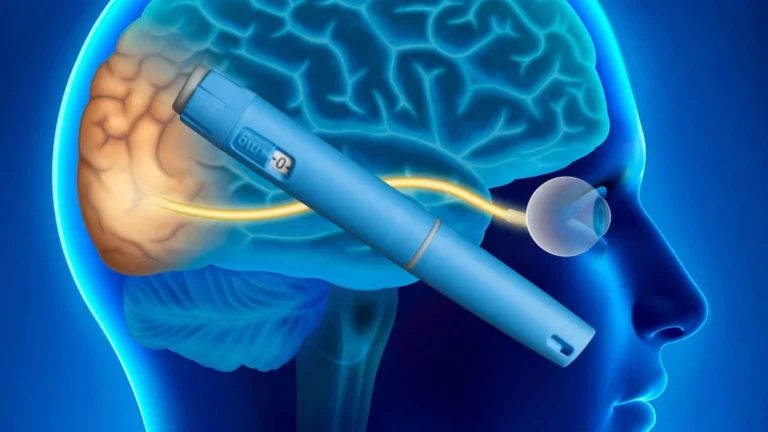
At the heart of both romantic euphoria and bipolar mania lies a surge of dopamine, the brain’s primary chemical messenger for reward, motivation, and pleasure. When a person falls in love, the brain’s reward system—specifically the ventral tegmental area—is flooded with dopamine, creating a sense of "tunnel vision" focused entirely on the object of affection.
In a healthy individual, this surge eventually levels off as the relationship transitions from "passionate love" to "companionate love." However, in the brain of someone with bipolar disorder, the regulatory mechanisms that act as "brakes" on this system may be impaired. Research indicates that for these individuals, the dopamine-driven reward system can enter a feedback loop, where the excitement of a new partner triggers a full-scale manic or hypomanic shift.
The primary difficulty lies in the shared symptoms. Both states are characterized by:
- Euphoria: An expansive, "top of the world" feeling.
- Decreased Need for Sleep: Staying up all night talking or thinking about the person.
- Heightened Energy: A sudden capacity to take on new projects or stay active for hours.
- Intense Focus: An obsessive preoccupation with the partner.
- Impulsivity: Making rapid, life-altering decisions without typical caution.
Chronology: From the "Spark" to the "Shift"
Understanding the progression of these feelings is vital for maintaining long-term stability. The evolution of attraction in the context of bipolar disorder typically follows a recognizable timeline:
1. The Incubation Phase
In the early days, the attraction feels "normal." There is excitement and a healthy level of nervousness. However, for those prone to mania, this phase can be shorter. The "spark" doesn’t just glow; it ignites.
2. The Acceleration Phase
As dopamine levels rise, the person may begin to lose their typical routine. They might skip meals to spend more time with their partner or stay up until 4:00 AM on a weeknight. In a neurotypical person, this leads to exhaustion the next day. In someone entering mania, this lack of sleep actually feeds the fire, providing more energy rather than less.
3. The Peak (The Point of Divergence)
This is where love and mania part ways. In healthy love, the intensity remains focused on the partner, but the individual maintains their sense of self and their responsibilities. In mania, the focus often shifts from the partner to the feeling of being powerful, destined, or invincible. The relationship becomes a backdrop for the individual’s own heightened state of being.
4. The Resolution or Crash
Manic intensity is, by definition, time-limited. Eventually, the episode ends. If the relationship was built solely on manic energy, the individual may wake up to find they are with someone they barely know or don’t actually like. Conversely, if genuine love was present, the challenge becomes navigating the "depressive crash" that often follows mania while trying to maintain the relationship.
Supporting Data: The Science of "Love as Hypomania"
Scientific literature increasingly supports the idea that love is the closest non-drug-induced experience to a manic state. A landmark review published in Molecular Psychiatry traced the pathways of mania to the same circuitry that governs goal-seeking and reward. When these circuits lose their "brakes," dopamine continues to fire long after the initial stimulus has passed.
The behavioral data is equally compelling. A study published in the journal Bipolar Disorders examined the impact of mood disorders on modern dating. The findings were stark: approximately 65 percent of participants with bipolar disorder reported significant regret over decisions made while using online dating sites during mood episodes. This compared to only 31 percent in the control group. These regrets often centered on oversharing personal information, moving too quickly toward physical intimacy, or making financial commitments to people they had just met.
Furthermore, anthropologist Helen Fisher, PhD, utilized fMRI imaging to show that the brains of people in the early stages of "madly-in-love" romantic attraction look strikingly similar to the brains of people using cocaine or experiencing hypomania. The primary difference found in her research was the duration and the presence (or absence) of social functioning.
Official Responses: Insights from Clinical Experts
Psychiatric professionals emphasize that the distinction between love and mania is not found in the intensity of the feeling, but in its quality and consequences.
Joseph F. Goldberg, MD, a clinical professor of psychiatry at Mount Sinai Hospital, notes that mania is a "pathological condition" characterized by a speediness of thought and behavior that is physically overactive without causing fatigue. "Being in love isn’t a pathological condition," Dr. Goldberg explains. "It isn’t particularly characterized by excessive energy, fast speech, or sleeplessness without fatigue."
Dr. Goldberg further points out a critical psychological difference: the direction of the focus. In healthy love, the welfare and well-being of the partner are paramount. In mania, the individual often views the relationship through a lens of grandiosity. The partner is seen as a "soulmate" not because of their unique qualities, but because they fit into a manic narrative of destiny or extraordinary importance.
Clinical guidelines from institutions like Johns Hopkins Medicine suggest that the "sleep test" is one of the most reliable diagnostic tools. If a person is losing sleep because they are excited about a date but feels tired and "drained" the next day, it is likely healthy attraction. If they lose sleep and feel "wired," "electric," or "better than ever" the next morning, it is a clinical red flag for a manic shift.
Implications: Protecting Relationships and Stability
The implications of mistaking mania for love are significant, affecting both the individual with bipolar disorder and their partner. When a relationship is forged in the fires of mania, the "fallout" can be emotionally devastating.
The Impact on the Partner
For the partner, the experience can be a "bait and switch." They are introduced to a version of a person who is hyper-attentive, endlessly energetic, and deeply romantic. When the episode fades and stability (or depression) returns, the partner may feel abandoned or wonder where the person they fell in love with has gone.
The Risk of Relationship Triggers
It is a cruel irony that the very thing most people crave—love—can be a trigger for instability. The "Social Rhythm Theory" of bipolar disorder suggests that stability is maintained through strict routines (consistent sleep, eating, and social interaction). New romance is the ultimate "routine-buster." The late nights and emotional volatility of early dating can inadvertently push a stable individual into a new episode.
Strategies for Long-Term Success
To navigate these waters, experts recommend several proactive steps:
- The "Wait and See" Rule: Clinicians often advise patients with bipolar disorder to avoid making major life decisions (moving in, getting engaged, or quitting a job) for at least six months to a year. This allows the "manic dust" to settle and reveals if the attraction is sustainable.
- Involving the Care Team: A psychiatrist or therapist can provide an objective "reality check." They can track symptoms that the individual might be too "high" to notice.
- Radical Transparency: Once a relationship shows potential for longevity, being honest about the diagnosis allows the partner to become an ally in mood tracking rather than a confused bystander.
- Protecting the Routine: Couples should strive to maintain "sleep hygiene" even in the honeymoon phase. Choosing a brunch date over a late-night club outing can be a romantic act of self-preservation.
In conclusion, while the rush of new love and the surge of bipolar mania share a common chemical ancestry, they lead to very different destinations. Love seeks to build a bridge between two people over time, while mania builds a pedestal for the ego in the moment. By understanding the neurobiology of these states and adhering to the safeguards of clinical treatment, individuals with bipolar disorder can enjoy the profound beauty of romantic connection without sacrificing their hard-won stability.