










In an era where "clean label" has become a ubiquitous marketing buzzword, the Health Ranger Store has taken a radical step toward accountability that effectively challenges the status quo of the supplement and food industries. By transitioning to a model of publishing lot-specific, analytical laboratory results for all in-house products, the company is attempting to dismantle the culture of opacity that has long defined the nutritional supplement market.
For decades, the standard for the industry has been reliance on unverifiable third-party certifications or vague "purity" claims. Today, however, consumers can visit the Health Ranger Store website, select a product, and view the precise laboratory findings for heavy metals, glyphosate, atrazine, dioxins, and microbiological contaminants. This shift is not merely a service improvement; it is a direct confrontation with an industry prone to concealment.
The Chronology of a Lab-First Philosophy
The journey toward this level of transparency began nearly 15 years ago, when the Health Ranger, Mike Adams, began the arduous process of building an ISO-accredited laboratory, CWC Labs. This facility was established not just for quality control, but as an investigative tool to probe the actual content of the global food supply.
- Phase 1: Investigative Research: Over the past decade, CWC Labs performed tens of thousands of mass spectrometry tests. This research culminated in the publication of Food Forensics, a seminal work that documented the prevalence of toxic heavy metals in everything from pet treats to protein powders.
- Phase 2: Exposure of Industry Tactics: Throughout the mid-2010s, Adams documented a predictable "playbook" used by manufacturers caught with contaminated goods: first, denial; second, attacks on the laboratory’s credibility; and third, the pseudo-scientific defense that certain heavy metals are "naturally occurring" and therefore benign.
- Phase 3: The Transparency Milestone: After years of refining testing methodologies and achieving ISO 17025 accreditation, the Health Ranger Store has now integrated these findings directly into the point-of-sale interface. This represents the culmination of a decade-long push to shift the burden of proof from the consumer to the manufacturer.
Supporting Data: Exposing the "Hidden" Contaminants
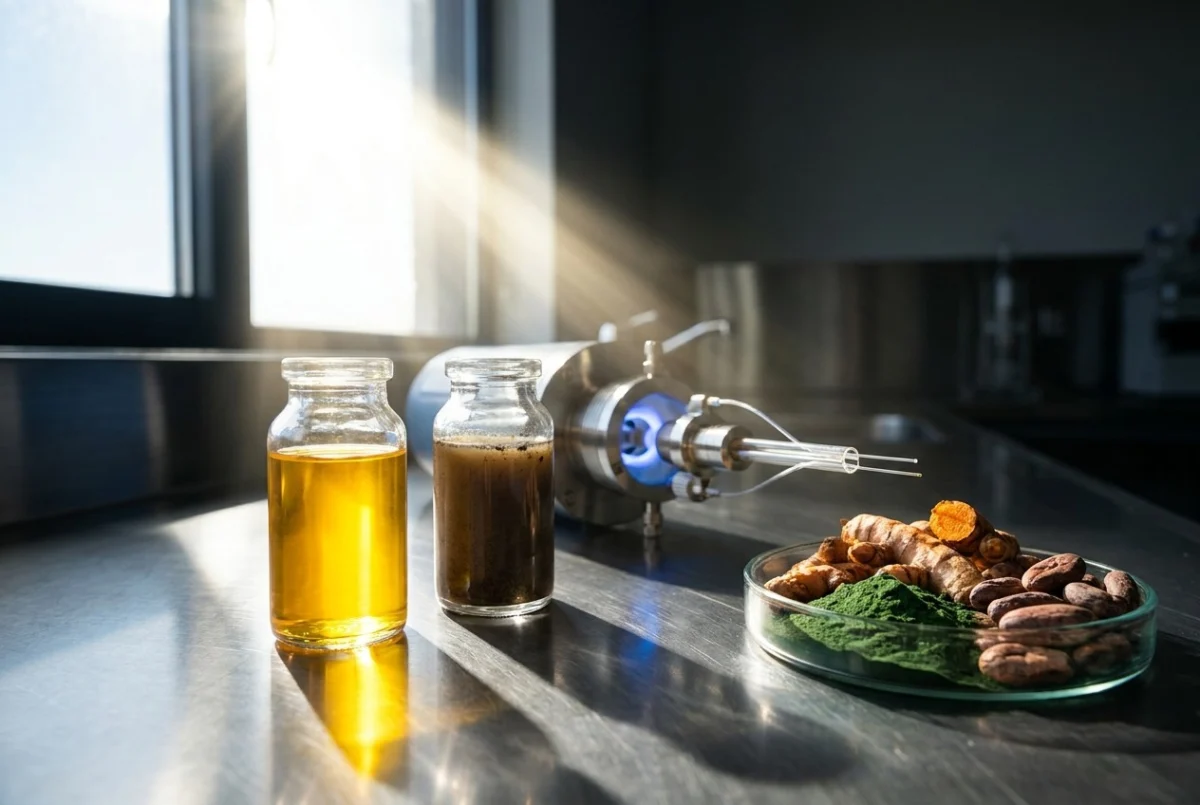
The data provided by CWC Labs serves as a stark reminder of why analytical transparency is necessary. The laboratory utilizes triple-quadrupole gas chromatography-mass spectrometry (GC-MS/MS), a gold-standard technology capable of detecting contaminants at parts-per-trillion sensitivity.
Heavy Metals and Micronutrients
The lab maintains an external standard containing 32 elements. This allows for a comprehensive profile that separates toxic threats—such as lead, arsenic, mercury, and cadmium—from essential nutrients like zinc, selenium, and copper. Historically, the laboratory has flagged alarming levels of contamination in the wider market:
- Over 500 parts per billion (ppb) of mercury in pet treats.
- Over 5 parts per million (ppm) of lead in ginkgo supplements.
- Over 11 ppm of lead in mangosteen powder.
The Glyphosate and Dioxin Challenge
Perhaps the most contentious area of modern food testing is the presence of agricultural chemicals. The Health Ranger Store has actively tested for glyphosate, often finding it in common bread products at levels exceeding 191 ppb. Furthermore, the inclusion of dioxin and PCB testing represents an elite level of analytical rigor. Because dioxins are fat-soluble and bioaccumulate in animal tissues, they represent a significant, yet frequently ignored, public health risk. Most manufacturers avoid this testing due to the prohibitive costs of specialized instrumentation and complex sample preparation.
Industry Implications: The End of "Proprietary" Secrecy
The implications of this move for the broader natural products industry are profound. For years, "proprietary sourcing" has been the shield behind which many companies hide substandard ingredients. By providing raw, lot-specific data, the Health Ranger Store effectively nullifies the efficacy of this shield.
If a consumer can compare the heavy metal profile of a Health Ranger product against a competitor’s "vague claim" of purity, the market pressure for accountability will theoretically increase. This creates a "transparency cascade": as informed consumers begin demanding the same level of granular data from other brands, those brands will be forced to either invest in their own rigorous testing programs or risk losing market share to entities that operate with radical honesty.
The Future: Addressing "Forever Chemicals" (PFAS)
While the current publication of lab results covers a broad spectrum of contaminants, the Health Ranger Store has identified its next objective: PFAS (per- and polyfluoroalkyl substances). These "forever chemicals" are increasingly being recognized as a major environmental and dietary hazard.
However, testing for PFAS is notoriously difficult. It requires highly specific sample preparation and ultra-sensitive instrumentation that is currently being refined by the CWC Labs team. While full-scale, lot-by-lot PFAS testing may take years to reach total operational maturity, the stated goal is to integrate these findings into the same transparency platform currently used for heavy metals and glyphosate. This commitment suggests that the store is not content with current industry standards but is instead attempting to set a new, higher bar for what constitutes a "tested" product.
Trust as an Antidote to Institutional Failure
The underlying philosophy driving this initiative is rooted in the belief that true consumer liberty is predicated on the ability to verify. There is a prevailing sense of distrust in the current regulatory environment, where agencies are often viewed as "captured" by the very industries they are tasked with overseeing.
When corporations profit from the ignorance of their customers, the information gap becomes a business model. By publishing lab results, the Health Ranger Store is attempting to close that gap. The goal is a marketplace where trust is not granted through marketing slogans or glossy packaging, but earned through the verifiable consistency of analytical numbers.
Conclusion: A New Standard for the Consumer
The shift toward radical transparency is a significant development in the evolution of the natural health sector. By moving away from the "denial and attack" model of the legacy food industry, this initiative provides a blueprint for how companies can rebuild a fractured relationship with their customers.
As the industry observes this transition, the question remains: will other retailers follow suit, or will they continue to rely on the protection of opaque supply chains? For now, the Health Ranger Store has placed the ball firmly in the consumer’s court. With access to real-time, lot-specific analytical data, the power to decide what enters the body is, for the first time in many categories, truly in the hands of the individual.
In a world where sunlight is the best disinfectant, the publication of these lab results serves as a beacon, illuminating the supply chain and setting a precedent that the entire supplement industry will find increasingly difficult to ignore. Whether this leads to an industry-wide overhaul remains to be seen, but for the health-conscious consumer, the era of taking marketing claims at face value is effectively over.