









For millions of individuals worldwide, the transition from day to night is not a relief—it is a source of profound anxiety. Chronic insomnia, characterized by persistent difficulty falling or staying asleep, acts as a silent thief of health, productivity, and emotional well-being. To bring this often-stigmatized disorder into the light, the American Academy of Sleep Medicine (AASM) and the Society of Behavioral Sleep Medicine (SBSM) recently hosted their annual "Insomnia Awareness Night."
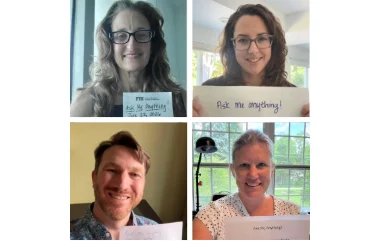
This year, the initiative transcended traditional awareness campaigns by taking the conversation directly to the public through a live "Ask Me Anything" (AMA) session on Reddit. A panel of preeminent sleep scientists—Spencer Dawson, PhD; Sarah Honaker, PhD; Monica Kelly, PhD; and Jennifer Martin, PhD—fielded questions from a community desperate for clarity in an era saturated with conflicting health advice, wearable tech, and unregulated supplements.
The State of Sleep: Defining the Crisis
Insomnia is more than just a "bad night." Clinically, it is defined by difficulty sleeping that negatively impacts daytime functioning, occurs at least three times per week, and persists for longer than three months. When sleep is compromised, the physiological consequences are systemic. Chronic sleep deficiency is linked to an increased risk of cardiovascular disease, cognitive decline, metabolic disturbances, and mental health challenges like depression and anxiety.
The recent Reddit AMA served as a digital town hall, highlighting the gap between consumer trends and evidence-based medicine. As the experts unpacked common myths—from the efficacy of sleep trackers to the reliance on melatonin—a clear consensus emerged: there is no "quick fix" for sleep, but there is a scientific path to recovery.
Chronology: From Bedtime Rituals to Clinical Intervention
The experts’ guidance followed a logical progression, beginning with the common struggles of the average sleeper and moving toward complex, clinical concerns. The dialogue unfolded through a series of specific, real-world inquiries that mirror the challenges faced by the general population.
The Myth of "Catching Up"
One of the most pervasive beliefs in modern society is the concept of the "weekend recovery." Many workers subject themselves to sleep deprivation during the week, hoping to "bank" hours on Saturday and Sunday.
Dr. Jennifer Martin addressed this head-on. While she acknowledged that sleeping longer on weekends is objectively better than remaining chronically sleep-deprived, it is an insufficient strategy for long-term health. The biological requirement for sleep is consistent; the body thrives on a predictable circadian rhythm. By disrupting that rhythm, even if hours are "repaid," the internal clock remains misaligned. The gold standard, according to the experts, remains a consistent seven-plus hours of quality sleep every night.
The Wearable Tech Dilemma
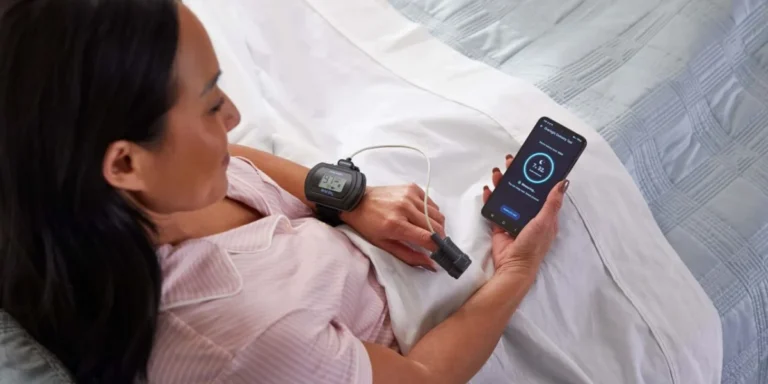
As smartwatches and fitness trackers become ubiquitous, many users have developed a form of "orthosomnia"—a preoccupation with achieving "perfect" sleep data. Dr. Sarah Honaker provided a balanced perspective: trackers can be useful if they nudge a person toward better habits, such as setting a consistent bedtime.
However, the psychological cost can be high. If a device reports a "poor" sleep score, the user may feel heightened anxiety, which ironically makes future sleep even more elusive. The experts reminded the audience that the device is not the ultimate authority; the most reliable indicator of sleep health is how an individual feels throughout the day.
Supporting Data: Navigating the Supplement Minefield
Perhaps the most contentious area of sleep health is the booming supplement market. Consumers are increasingly turning to melatonin, CBD, and THC to force their bodies into slumber.
Dr. Martin’s assessment was sobering: the market for sleep supplements is currently outpacing scientific scrutiny. Many products rely on the placebo effect; by taking a pill, the user feels a sense of control, which reduces the "performance anxiety" that often prevents sleep onset.
Regarding THC microdosing, the panel highlighted a critical lack of high-quality, large-scale studies. While some anecdotal reports are positive, there is insufficient evidence to support these substances as reliable, safe, or effective treatments for chronic insomnia. Similarly, melatonin, while helpful for circadian rhythm adjustments like jet lag, is not a "cure-all" for the structural, psychological, or behavioral drivers of chronic insomnia.
Official Expert Responses: A Roadmap to Recovery
When asked about the most effective treatment for those who meet the diagnostic criteria for insomnia, the experts were unanimous: Cognitive Behavioral Therapy for Insomnia (CBT-I).
Unlike sleep medications, which often act as a sedative "crutch," CBT-I targets the underlying thoughts and behaviors that perpetuate sleep issues. It teaches patients how to decouple the bed from the frustration of being awake, how to manage the internal monologue of "sleep effort," and how to align their biological drive for sleep with their environment.
Addressing Complex Sleep Architecture
The panel also navigated nuanced questions about specific sleep phenomena, such as "binaural beats" and early morning awakenings:
- Binaural Beats: Dr. Spencer Dawson suggested that while research on the direct neurological impact of these sounds is thin, their role as a "distraction" should not be undervalued. If they serve to quiet the mind or create a relaxing environment, they are a harmless, potentially beneficial tool—not because of the beats themselves, but because they provide a mental buffer against the day’s stresses.
- Early Morning Awakenings: For those waking at 4:00 a.m. unable to return to sleep, Dr. Dawson advised caution against "forcing" sleep. Forcing sleep only generates more cognitive arousal. Instead, he suggested allowing the body to settle. If it persists, it may be a sign of a "morning-type" circadian phase or, in more concerning cases, an undiagnosed condition like obstructive sleep apnea.
- Frequent Arousals: For users suffering from hyperarousal—waking every few minutes—the experts emphasized that this is a medical red flag. It is rarely a simple behavioral issue and often points to a physiological disorder that requires a formal evaluation by a sleep medicine specialist.
Implications for the Future of Sleep Health
The dialogue held during Insomnia Awareness Night underscores a fundamental shift in how we approach rest. We are moving away from the era of "hacks" and toward an era of informed self-regulation and clinical partnership.
The Path Forward
The primary takeaway from the Reddit AMA is the importance of "sleep hygiene" paired with psychological resilience. The experts’ advice suggests that:
- Consistency is King: The body’s internal clock is far more resilient when anchored by regular wake and sleep times.
- Externalize the Anxiety: Stop viewing the bed as a place to solve the problem of insomnia. If you are awake and frustrated, leave the bed. Do not allow your brain to associate the pillow with stress.
- Prioritize Proven Therapies: If self-management fails, seek out practitioners trained in CBT-I. Avoid self-prescribing supplements until you have spoken with a medical professional who can rule out underlying issues like sleep apnea or restless leg syndrome.
Conclusion
As we look to the future, the integration of digital platforms like Reddit into the medical discourse is a promising development. By democratizing access to experts, the AASM and SBSM are helping to break the cycle of isolation that often traps insomnia sufferers.
Sleep is a biological necessity, not a luxury or a skill to be mastered. While the temptation to rely on technology or supplements is high, the experts remind us that the most effective tools for a better night’s sleep are often the most fundamental: a consistent schedule, a quiet mind, and a willingness to seek professional help when the silence of the night becomes too loud to bear.
For those still struggling, the conversation does not end here. The experts encourage patients to utilize the resources provided by the American Academy of Sleep Medicine and to treat their sleep health with the same rigor they would apply to any other aspect of their physical well-being. By fostering a culture of informed, evidence-based sleep hygiene, we can begin to turn the tide on the global insomnia crisis, one night at a time.