










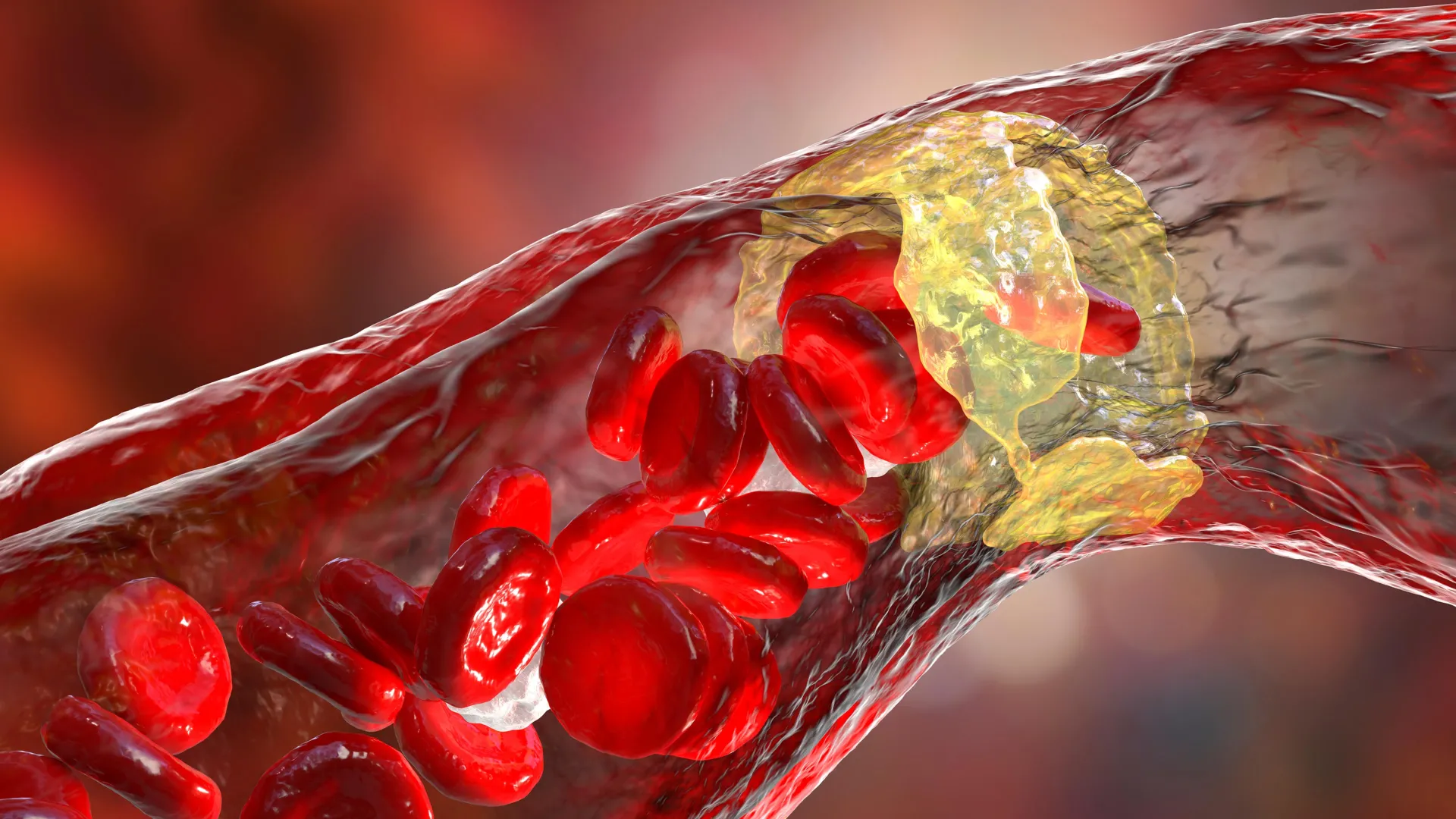
In an era where synthetic polymers have become a foundational element of modern civilization—embedded in everything from the clothes we wear to the containers housing our food—a new, sobering reality is emerging from the laboratory. A groundbreaking study conducted by researchers at the University of California, Riverside (UCR), has uncovered evidence that routine exposure to microplastics may act as a silent accelerator for atherosclerosis, the life-threatening condition characterized by the narrowing of arteries that often precedes heart attacks and strokes.
The study, published in the journal Environment International, offers a chilling insight into how these microscopic particles—often invisible to the naked eye—may be actively rewiring our cardiovascular health. Perhaps most notably, the researchers discovered a striking sex-specific disparity: while male subjects experienced a dramatic surge in arterial plaque, female subjects remained largely unaffected, a finding that provides a crucial new roadmap for understanding human biological vulnerability.
The Ubiquity of the Microplastic Crisis
To understand the gravity of the UCR study, one must first appreciate the scale of the crisis. Microplastics—defined as synthetic polymer particles smaller than five millimeters—have infiltrated every corner of the global ecosystem. They have been detected in the deepest reaches of the ocean, the peak of Mount Everest, and the clouds above our cities.
For humans, the primary entry points are ingestion and inhalation. We consume them through contaminated drinking water, sea salt, and processed foods that leach particles from plastic packaging. Once inside the body, these persistent pollutants do not simply pass through; they circulate. Recent clinical observations have identified microplastics lodged directly within atherosclerotic plaques in human patients. However, until the UCR study, the scientific community had been unable to definitively confirm whether these particles were passive bystanders or active catalysts for arterial injury.
Chronology of a Cardiovascular Investigation
The UCR research team, led by Professor Changcheng Zhou of the School of Medicine, approached the question using a high-precision biological model. To simulate the conditions of human heart disease, the team utilized LDLR-deficient mice—a standard laboratory model that mimics human predisposition to high cholesterol and arterial buildup.
The experiment was meticulously structured to mirror real-world human exposure:
- Baseline Conditions: Both male and female mice were placed on a low-fat, low-cholesterol diet, simulating the intake of a health-conscious individual.
- The Exposure Phase: Over a period of nine weeks, the subjects were administered a daily dose of microplastics (10 milligrams per kilogram of body weight). This dosage was specifically calibrated to reflect the levels of ingestion that an average human might realistically accumulate through a modern diet and water consumption.
- Analysis: Following the exposure period, the researchers utilized single-cell RNA sequencing to observe gene activity within individual cells, alongside advanced imaging to track the movement of fluorescently tagged microplastics within the cardiovascular system.
Supporting Data: A Dramatic Divergence
The results of the nine-week trial were stark and, in many ways, unexpected. The researchers confirmed that the microplastics did not induce weight gain or alter the lipid profiles of the mice; both groups remained lean with stable cholesterol levels. This effectively ruled out obesity and standard dietary complications as the drivers of the observed cardiovascular damage.
However, the impact on arterial health was profound. In male mice, the presence of microplastics led to a significant intensification of plaque formation:
- Aortic Root: Male subjects showed a 63% increase in plaque buildup in the aortic root, the critical junction where blood exits the heart.
- Brachiocephalic Artery: In the major vessel branching from the aorta into the upper chest, plaque accumulation spiked by a staggering 624%.
Conversely, female mice exposed to the exact same dosage showed no statistically significant progression of atherosclerosis. This physiological "shield" in females is the subject of intense ongoing investigation, with experts pointing toward hormonal protections—specifically estrogen—as a primary candidate for the discrepancy.
Mechanistic Insights: The Endothelial Vulnerability
Why do these particles cause such localized destruction? The UCR study provides a granular explanation by identifying the "first responders" of the vascular system: endothelial cells. These cells form the delicate inner lining of blood vessels, regulating inflammation and maintaining the smooth flow of blood.
Using single-cell RNA sequencing, the research team found that endothelial cells were the primary site of microplastic-induced dysfunction. Because these cells are the first to encounter circulating microplastics, their exposure triggers a cascade of inflammatory gene pathways.
"We found endothelial cells were the most affected by microplastic exposure," Professor Zhou explained. "Their dysfunction can initiate inflammation and plaque formation, acting as a biological trigger that essentially primes the artery for damage." By activating pro-atherogenic gene pathways, the microplastics appear to fundamentally change the behavior of the vessel walls, turning a healthy artery into a site of active disease.
Official Responses and Expert Perspective
The implications of this study are being felt across the broader scientific community, reinforcing the urgent need for a regulatory and lifestyle shift. Dr. Zhou and his collaborators—who include experts from Boston Children’s Hospital, Harvard Medical School, and the University of New Mexico Health Sciences—have been quick to emphasize that while the findings are alarming, they also provide a clear path forward for public health policy.
"Our study provides some of the strongest evidence so far that microplastics may directly contribute to cardiovascular disease, not just correlate with it," said Zhou.
From a practical standpoint, the researchers offer a pragmatic, if difficult, directive. "It’s nearly impossible to avoid microplastics completely," Zhou acknowledged. "Still, the best strategy is to reduce exposure by limiting plastic use in food and water containers, reducing single-use plastics, and avoiding highly-processed foods." Because the medical community has yet to develop a reliable method for "detoxing" the body of these persistent particles, the emphasis must remain on prevention, maintaining cardiovascular health through traditional means like exercise and a clean diet, and minimizing systemic exposure to synthetic materials.
The Path Forward: Future Research and Societal Implications
The "sex-specific" nature of the UCR findings has opened a new frontier in toxicology and cardiovascular research. The team plans to pivot their future studies toward several key questions:
- Molecular Mechanisms: What is the precise interaction between estrogen and microplastic-induced inflammation? Can these mechanisms be leveraged to protect both men and women?
- Particle Variation: Do different shapes, sizes, or polymer types of microplastics produce different levels of damage?
- Human Translation: Do these mouse models accurately predict the rate and severity of plaque progression in humans, and at what timeline?
As the global production of plastic continues to rise, the urgency of this research cannot be overstated. The UCR study acts as a sentinel, warning that our environmental footprint is not merely a waste management issue, but a profound medical challenge. By uncovering the biological mechanisms by which plastics harm our arteries, researchers are finally moving from observation to understanding—a necessary step before we can hope to mitigate the long-term impact of the plastic age.
This research, partially supported by the National Institutes of Health, serves as a cornerstone for future environmental health policy. As scientists continue to untangle the complex relationship between the micro-world of polymers and the macro-world of human health, the message remains clear: the arteries of the next generation may depend on the choices we make to reduce our plastic consumption today.