









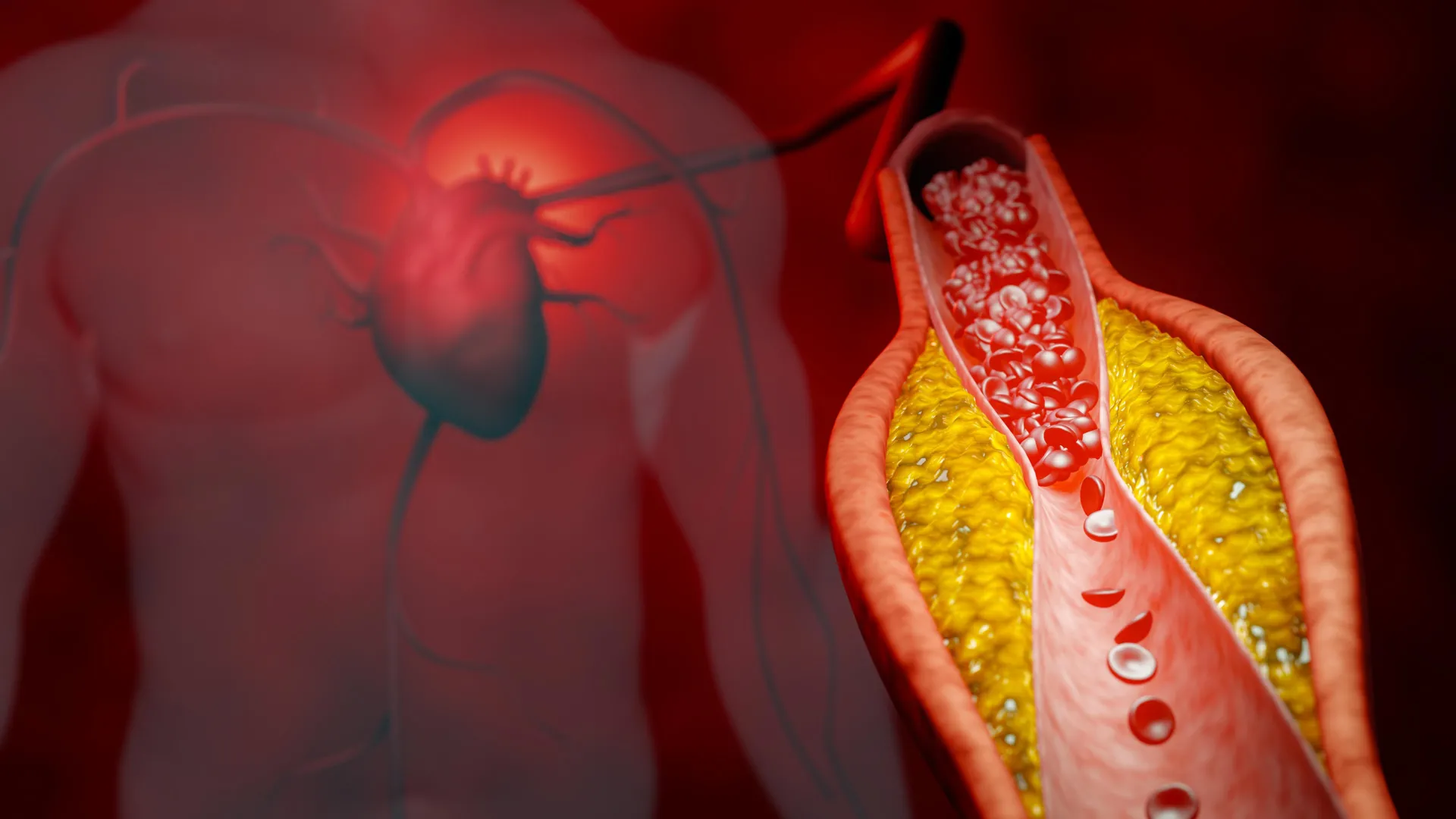
High cholesterol—specifically the accumulation of low-density lipoprotein (LDL-C)—remains one of the most persistent threats to global public health. For decades, it has functioned as a silent architect of cardiovascular disease, slowly narrowing arteries with fatty plaques and setting the stage for heart attacks and strokes. While current medical interventions, most notably statins, have saved countless lives, they are not a panacea for all patients.
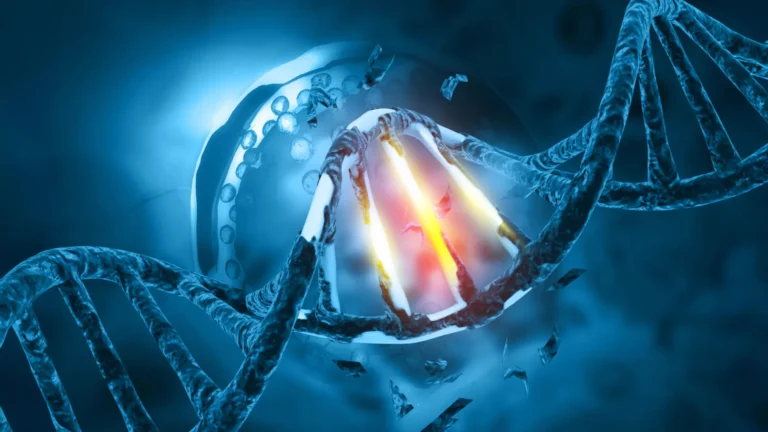
Now, a collaborative effort between the University of Barcelona and the University of Oregon has unveiled a pioneering genetic strategy that could redefine how we manage cholesterol. By utilizing "polypurine hairpins" (PPRHs)—specialized DNA molecules—researchers have successfully suppressed the protein responsible for preventing cholesterol clearance in the bloodstream. This experimental approach represents a potential paradigm shift in lipid management, offering a highly specific, stable, and cost-effective alternative to existing therapies.
The Biological Mechanism: Unmasking the Role of PCSK9
To understand the significance of this research, one must first look at the role of PCSK9 (proprotein convertase subtilisin/kexin type 9). Over the past decade, PCSK9 has emerged as a "master regulator" in cardiovascular medicine. In a healthy physiological state, liver cells deploy LDL receptors to the surface of the cell, acting like magnets that pull LDL cholesterol out of the bloodstream and into the cell for processing.
However, PCSK9 acts as a molecular saboteur. It binds to these receptors and forces them into a degradation pathway, effectively removing them from the cell surface. With fewer receptors available, the "bad" cholesterol is left to circulate freely, where it eventually embeds itself into arterial walls, leading to the development of atherosclerosis.
The research team, led by Professors Carles J. Ciudad and Verònica Noé of the University of Barcelona’s Faculty of Pharmacy and Food Sciences, sought to intervene at the source. Instead of simply blocking the protein after it is created—as some current injectable therapies do—the team aimed to halt the production of the PCSK9 gene itself.
Chronology: From Theoretical DNA Design to In Vivo Success
The path to this discovery was rooted in the development of PPRHs, which are short, single-stranded DNA oligonucleotides. Unlike traditional gene-silencing techniques that often require complex delivery systems or risk triggering the body’s immune defenses, PPRHs are designed to recognize and bind to specific DNA sequences with high precision.
Phase 1: In Vitro Validation
The researchers focused on two specific hairpins, dubbed HpE9 and HpE12, targeting exons 9 and 12 of the PCSK9 gene. In laboratory tests conducted on HepG2 cells (a human liver cancer cell line often used to model liver function), both molecules proved remarkably effective. By binding to the polypyrimidine sequences of the gene via Watson-Crick bonds, the hairpins effectively stifled the transcription process.
The results were immediate and measurable: RNA polymerase—the enzyme responsible for reading DNA instructions—was blocked, and the production of PCSK9 protein plummeted.
Phase 2: The In Vivo Breakthrough
Following the cellular success, the researchers moved to a transgenic mouse model engineered to express the human PCSK9 gene. This step was critical for assessing how the molecules would perform in a living organism.
The findings, published in the journal Biochemical Pharmacology, were striking. A single injection of the HpE12 hairpin resulted in a 50% reduction in plasma PCSK9 levels. Most importantly, the total cholesterol levels in the mice dropped by 47% within just three days. This demonstrated that by starving the body of the PCSK9 protein, the liver was able to significantly ramp up its collection of LDL cholesterol from the blood.
Supporting Data: Why HpE12 Stands Out
The data presented by the team highlights a high degree of efficacy compared to current standards. The HpE12 molecule, in particular, demonstrated a robust capacity for gene silencing:
- RNA Reduction: HpE12 achieved a 74% decrease in PCSK9 RNA levels.
- Protein Suppression: The protein levels of PCSK9 were slashed by 87% in cellular models.
- Rapid Response: In the transgenic mouse model, the 47% reduction in total cholesterol occurred within a 72-hour window, suggesting that the treatment is both fast-acting and potent.
The researchers note that the binding mechanism is highly specific. Because the PPRHs are designed to recognize unique DNA sequences, they minimize "off-target" effects—a common hurdle in genetic medicine where unintended genes might be accidentally silenced.
Official Perspectives: The Researchers Weigh In
The research team emphasizes that while the results are promising, this is an experimental milestone rather than a finished clinical product. However, the potential for these molecules is vast.
"Specifically, one of the arms of each chain of the HpE9 and HpE12 polypurines binds specifically to polypyrimidine sequences of exons 9 and 12 of PCSK9, respectively," explains Professor Carles J. Ciudad. By disrupting the transcription process at the DNA level, the team has bypassed the need for more complex, protein-based inhibitors that require constant, high-dose administration.
Professor Verònica Noé points to the practical advantages of this approach: "The results show that both HpE9 and HpE12 are highly effective. In addition, such a PPRH-based approach against PCSK9 would not lead to side effects such as the myopathies [muscle pain] associated with traditional statin therapy."
The research was supported by the Spanish Ministry of Science, Innovation and Universities (MICINN) and the National Institutes of Health (NIH) in the United States, signaling broad institutional interest in the potential of this technology.
Implications: A New Era for Cholesterol Treatment?
The cardiovascular landscape is currently occupied by statins, which inhibit the enzyme HMG-CoA reductase. While effective, statins are not tolerated by all patients, and some individuals fail to reach their target LDL levels even with high-dose regimens.
Existing PCSK9 inhibitors, such as monoclonal antibodies (evolocumab and alirocumab) and siRNA-based treatments (inclisiran), have already demonstrated that targeting the PCSK9 pathway is a highly effective way to prevent heart attacks. However, these treatments can be expensive and require specific storage and administration protocols.
The Competitive Edge of PPRHs
The researchers argue that PPRHs could offer a "third way" in lipid management, boasting several distinct advantages:
- Cost-Effectiveness: The synthesis of oligonucleotides like PPRHs is significantly cheaper than the production of monoclonal antibodies, which require complex biological manufacturing processes.
- Stability: These molecules are designed for durability, potentially allowing for less frequent dosing schedules.
- Low Immunogenicity: One of the greatest challenges in gene therapy is the body’s immune system identifying the treatment as a foreign invader. PPRHs are designed to be "stealthy," avoiding the inflammatory responses that sometimes plague other nucleic acid-based therapies.
- No Myopathy Risk: Because they do not interfere with the HMG-CoA pathway (the target of statins), they avoid the common, sometimes debilitating, side effects of muscle soreness and fatigue that lead many patients to abandon their cholesterol medication.
Conclusion: The Road Ahead
While the reduction of cholesterol by 47% in mice is a landmark achievement, the journey to the pharmacy shelf is long. The next phase of research will inevitably involve rigorous safety testing in larger animal models to ensure that no long-term off-target genetic consequences exist. Following that, human clinical trials would be required to establish dosing, safety, and long-term efficacy.
If those trials confirm the success seen in the lab, PPRH technology could provide a versatile, affordable, and potent tool in the cardiologist’s toolkit. By moving beyond the chemical inhibitors of the past and into the precision world of gene regulation, the researchers from Barcelona and Oregon have opened a promising new chapter in the fight against heart disease. For the millions of people living with resistant hypercholesterolemia, these "hairpins" might one day provide the key to a healthier, longer life.