










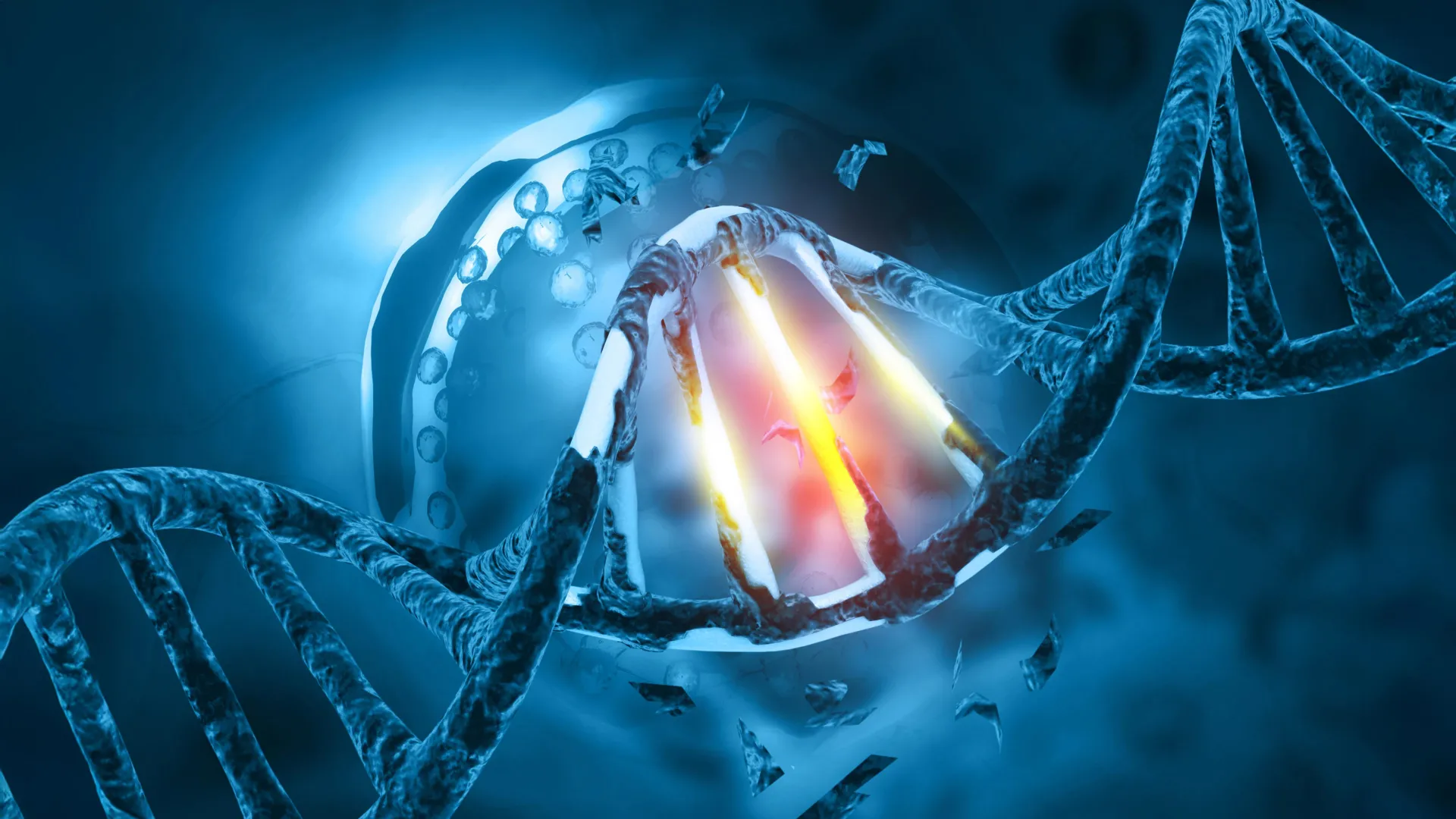
In a landmark study that promises to reshape our understanding of oncology, an international team of researchers has provided the first definitive evidence that our inherited genetic makeup acts as a "master conductor" for the development of cancer. Published in the prestigious journal Nature, the findings reveal that the genes a person is born with do not merely influence cancer risk; they fundamentally dictate the evolutionary trajectory of a tumor once it begins to form.
For decades, the medical community has grappled with a persistent mystery: why two individuals, exposed to identical environmental hazards—such as tobacco smoke or UV radiation—can face vastly different cancer outcomes. This study suggests that the answer lies in the complex interplay between an individual’s inherited genetic background and the somatic mutations they acquire throughout their lifetime.
The Foundations of the Study: Decoding the Genetic Shield
Cancer is, at its core, a disease of the genome. It begins when cumulative errors—mutations—in cellular DNA cause cells to proliferate uncontrollably, bypassing the biological "kill switches" that typically eliminate damaged cells. While environmental factors have long been acknowledged as primary drivers of this DNA damage, the role of inherited genetics has remained difficult to isolate.
In human populations, disentangling the influence of genetics from the "noise" of diverse lifestyles, geographic locations, and varying exposure histories is nearly impossible. To solve this, researchers from the University of Cambridge, the University of Edinburgh, and institutions across the US and Europe established a highly controlled experimental framework.
The team, co-led by Professor Duncan Odom (formerly of the CRUK Cambridge Institute and now at the German Cancer Research Centre), Dr. Sarah Aitken of Yale School of Medicine, and Professor Martin Taylor, utilized a mouse model to isolate the influence of genetics. By breeding four distinct strains of mice—each possessing different levels of susceptibility to liver cancer—the researchers created a controlled environment that mirrored the genetic diversity found within human populations.
Chronology of the Research
The multi-year international collaboration followed a rigorous, multi-stage experimental process designed to track tumor evolution from its inception to maturity:
- Standardization (The Baseline): Researchers ensured all mice were kept under identical environmental conditions to eliminate external variables.
- Controlled Induction: At 15 days of age, each mouse was administered a single, uniform dose of diethylnitrosamine (DEN), a potent liver carcinogen found in processed foods and tobacco smoke. This ensured that the starting point of DNA damage was identical across all groups.
- Genomic Sequencing: As tumors developed, the team sequenced the genomes of nearly 600 individual tumors. They meticulously mapped the mutations and examined changes in gene activity.
- Evolutionary Reconstruction: By analyzing the data, the scientists were able to "rewind" the clock, identifying the original mutations that triggered tumor growth and tracing how different genetic backgrounds channeled those tumors down specific evolutionary pathways.
Supporting Data: How Genetics Steers the Path
The data yielded a surprising discovery: while the tumors in all four mouse strains were remarkably consistent in their biological "end goal," the path they took to get there was profoundly different.
In almost every case, the tumors activated the MAPK pathway—a critical signaling sequence that governs cell growth and differentiation. However, the specific driver mutations required to activate this pathway varied based on the mouse’s inherited DNA.
Furthermore, the researchers observed significant differences in "genomic instability." Certain genetic backgrounds were highly prone to whole-genome duplication—a catastrophic event where a cell copies its entire set of chromosomes. This phenomenon often leads to more aggressive tumor behavior and resistance to treatment. The evidence suggests that an individual’s inherited DNA creates a "predisposition landscape," making it easier for some tumors to follow a more dangerous evolutionary route than others.
Official Responses and Expert Insight
The findings have been met with enthusiasm from the global medical community, as they bridge the gap between abstract genetic theory and practical clinical application.
"Cancer does not arise entirely by chance," says Professor Duncan Odom, senior author of the study. "Although tumors often reach the same biological endpoint, the path to that endpoint is determined by an individual’s genetic background. We’ve been able to show for the first time the extent to which genetic background influences both the mutation processes and the pathways leading to tumor development."
Dr. Sarah Aitken, the study’s first author, emphasizes the necessity of shifting toward more granular, personalized medicine. "If genetic background influences both cancer risk and the evolutionary trajectory of tumors, future cancer prevention and screening strategies will need to take into account inherited genetics and population diversity," Aitken noted.
Dr. Sam Godfrey, research information lead at Cancer Research UK, highlighted the long-term potential of this work: "This study gives us a fascinating hint that our inherited genes might have a big influence on the way that cancers develop after DNA damage. We still need to see more research before we can understand what this means in humans, but this finding could change our understanding of how cancer starts, and lead to more powerful and precise ways of tackling cancer."
Implications for Future Medicine: A Shift Toward Precision
The implications of this research are wide-reaching, particularly for the future of oncology, screening, and drug development.
1. Tailored Diagnostics
Currently, most cancer screenings focus on environmental risks or general population markers. This study suggests that a "one-size-fits-all" approach may be fundamentally flawed. Future diagnostics could incorporate a patient’s polygenic risk score—a calculation of their inherited genetic susceptibility—to predict not just if they are at risk, but what type of tumor evolution they are most prone to.
2. Precision Treatment Strategies
The research indicates that an individual’s genetic background dictates how they respond to DNA-damaging treatments, such as certain forms of chemotherapy or radiation. If a patient’s genetic background makes them prone to specific evolutionary pathways, clinicians might be able to predict whether a particular drug will be effective or if the tumor is likely to evolve resistance. This could prevent the "trial-and-error" approach currently common in oncology, sparing patients from ineffective treatments and the associated side effects.
3. Population-Specific Prevention
As the study highlights, the diversity of human populations is a key factor in cancer risk. Understanding the inherited genetic profiles of different groups could allow public health officials to develop targeted screening programs that are more effective for specific populations, potentially leading to earlier detection and better survival rates.
Conclusion: A New Frontier
While the researchers caution that these results were obtained in mice and require further validation in human clinical trials, the study provides a vital piece of the puzzle in the fight against cancer. It proves that the "seeds" of cancer are not merely the mutations we acquire from our environment, but the inherent soil in which those mutations are planted.
By acknowledging that genetics, environment, and somatic evolution are inextricably linked, the medical community can move toward a new era of "evolutionary medicine." In this future, cancer care will be increasingly proactive rather than reactive, utilizing an individual’s genetic blueprint to predict, intercept, and treat malignancy with unprecedented precision. The work, funded by institutions including Cancer Research UK, the Medical Research Council, and the Wellcome Trust, marks a significant step forward in the quest to turn cancer from a lethal, unpredictable adversary into a manageable, and perhaps eventually, preventable, condition.