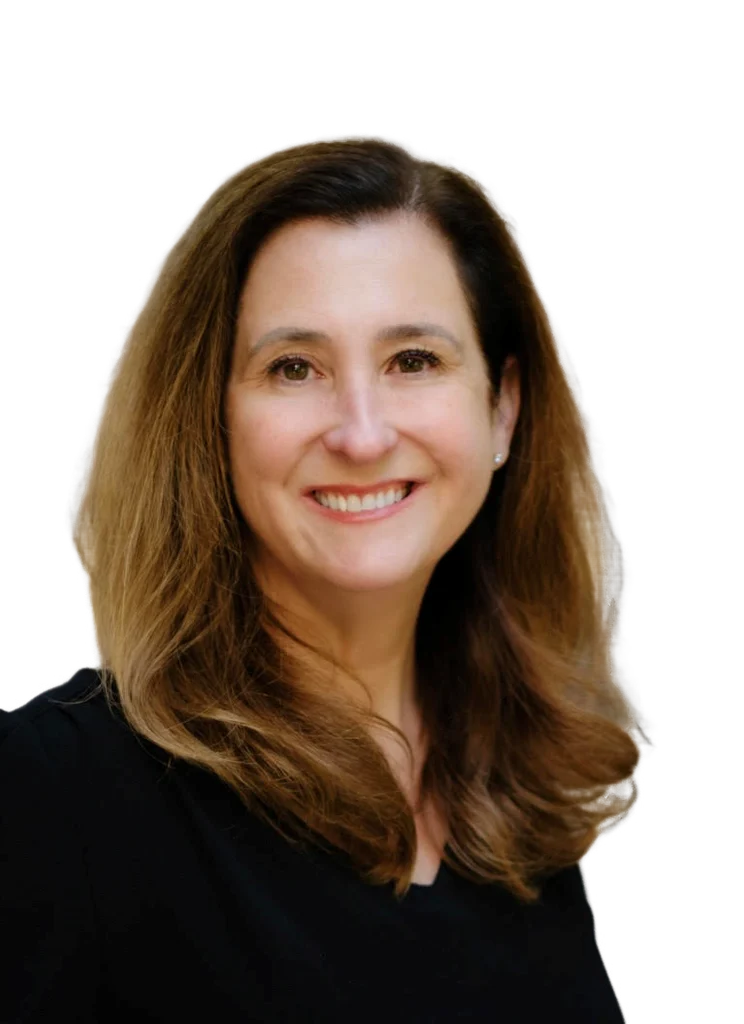











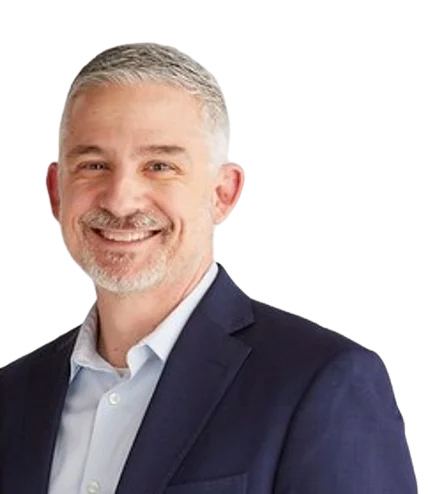
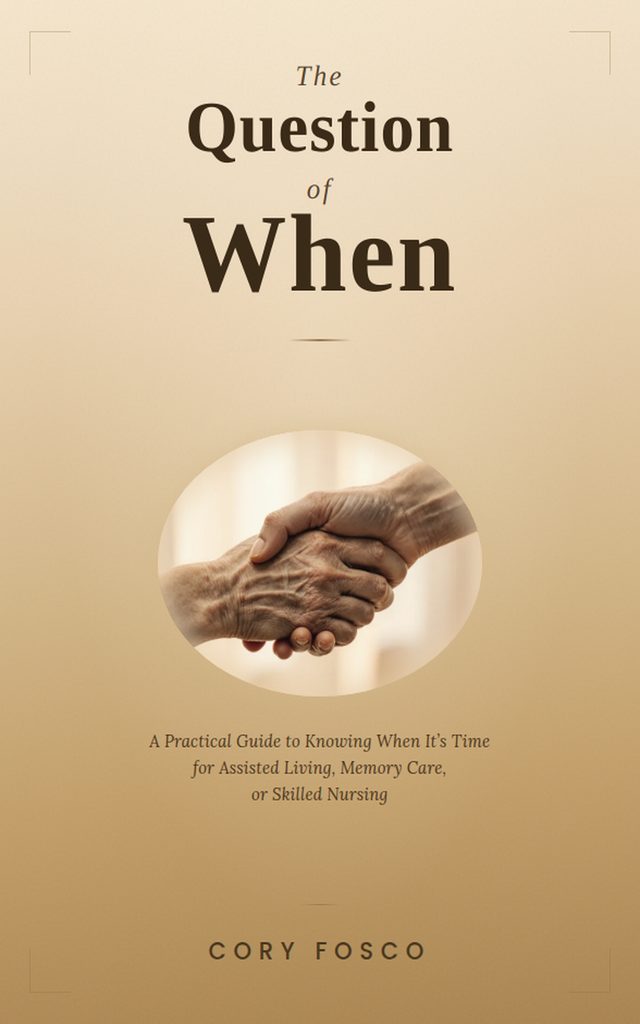
As the United States approaches National Assisted Living Week (September 13–19), the conversation surrounding eldercare has shifted from a private, often taboo subject to a public health imperative. With millions of Americans currently navigating the complexities of aging, the "Caregiving Club On Air" podcast recently hosted an in-depth interview with Cory Fosco, author of the pivotal new guide, The Question of When: A Practical Guide to Knowing When It’s Time for Assisted Living, Memory Care, or Skilled Nursing.
For families caught in the crosshairs of the "Sandwich Generation"—caring for aging parents while managing their own careers and children—the challenge is often not just physical or emotional, but logistical and financial. This report synthesizes expert advice, current market data, and the essential steps families must take to ensure their loved ones are safe, cared for, and financially secure.
The Landscape of Modern Eldercare: Main Facts
The reality of aging in America is vast and multifaceted. According to data from the American Health Care Association (AHCA) and the National Center for Assisted Living (NCAL), between 2 million and 3 million older adults currently reside in some form of long-term care or senior living community. Of that population, approximately 1 million reside within the nation’s 41,000 assisted living communities.
The decision to transition a loved one into a facility is rarely a singular event; it is a cumulative process of observation, assessment, and hard conversations. Cory Fosco emphasizes that the "Question of When" is rarely about a specific calendar date, but rather a series of "signal categories"—observable changes in a senior’s physical health, cognitive function, and daily living capabilities. By utilizing tools like the Four Signal Categories Checklist, families can move away from reactive, crisis-based decision-making toward a proactive, strategic approach.
A Chronology of Care: When and How to Transition
The transition to long-term care typically follows a predictable but often ignored timeline. Understanding this sequence is vital for families who wish to avoid the trauma of an emergency placement.
Phase 1: The Subtle Signals (Age 70+)
In the initial stages, signs of decline may be masked by habit. Family members often overlook missed medications, weight loss, or an unkempt home. Fosco suggests this is the optimal time to open a dialogue about future preferences.
Phase 2: The Assessment Phase
As physical limitations or cognitive lapses (such as early-stage dementia) become undeniable, families must conduct a formal assessment. This involves consulting primary care physicians and, ideally, a professional geriatric care manager to determine the specific level of care required: Independent Living, Assisted Living, Memory Care, or Skilled Nursing.
Phase 3: The Financial Audit
Before touring facilities, families must conduct a thorough audit of available assets. This includes reviewing long-term care insurance policies, pension plans, Social Security benefits, and liquid savings.
Phase 4: The Selection and Transition
Choosing a facility should be a methodical process involving multiple site visits, review of state inspection reports, and interviews with current residents and staff. The transition itself should be handled with sensitivity, prioritizing the autonomy and dignity of the senior.
Supporting Data: The Financial Reality
One of the most significant barriers to long-term care planning is the lack of transparency regarding costs. The 2025 Genworth/Care Scout Cost of Care Survey remains the gold standard for families attempting to project these expenses.
While costs vary significantly by geography—ranging from high-density urban centers to rural communities—the national averages illustrate the necessity of long-term planning. The survey provides a granular look at:
- Adult Day Care: Often the most affordable entry point for socialization and medical monitoring.
- Home Health/Personal Care: Essential for those who wish to "age in place" for as long as possible.
- Assisted Living: A mid-tier option that balances independence with support for Activities of Daily Living (ADLs).
- Nursing Homes: The most intensive and expensive level of care, required for individuals with complex medical needs.
Families are urged to access the annual spring updates of the Genworth survey, as inflation and labor shortages continue to impact the cost of care across all sectors.
Professional Guidance: Who Can Help?
One of the most common pitfalls for family caregivers is the assumption that they must navigate this journey alone. Experts like Cory Fosco and podcast host Sherri Snelling highlight the existence of Professional Geriatric Care Managers (PGCM).
PGCMs are typically licensed social workers or nurses with specific credentials in gerontology. They serve as an objective third party, helping families:
- Evaluate Needs: Conduct an unbiased assessment of the senior’s health.
- Navigate Logistics: Explain the nuances between different types of facilities.
- Mediate Conflict: Facilitate difficult family meetings where siblings may have conflicting views on care.
- Cost Optimization: Help families understand how to stretch their budget and identify potential government aid or veteran benefits.
For those whose employers provide comprehensive benefits packages, many now include access to eldercare consulting services. It is recommended that employees review their HR handbooks for "caregiving support" or "employee assistance programs" (EAPs).
Implications for the Future of Caregiving
The "Caregiving Club On Air" podcast, which has recently ascended to the #3 spot among top caregiving podcasts globally, serves as a bellwether for the growing demand for information. The shift of these resources onto platforms like YouTube—specifically through the new "Caregiving Club News" channel—reflects a broader trend: the democratization of caregiving knowledge.
The "Sandwich Generation" Impact
The implications for the workforce are profound. As more employees act as primary caregivers, the potential for "caregiver burnout" rises, leading to absenteeism and decreased productivity. By normalizing these discussions and providing actionable resources, podcasts and guidebooks like Fosco’s are not just helping families; they are stabilizing a workforce that is increasingly burdened by the dual responsibilities of child-rearing and eldercare.
Policy and Industry Trends
The industry is currently facing a "coming wave" of nursing home closures, a trend driven by staff shortages and evolving consumer preferences for smaller, more personalized care settings. Families are increasingly favoring models that prioritize wellness, social engagement, and home-like environments over traditional, hospital-style institutional care.
Essential Resources for the Journey
As families embark on this complex transition, they are encouraged to utilize the following expert-verified resources:
- Elder Care Locator: A public service of the U.S. Administration on Aging, accessible at eldercare.gov, which helps families find local resources and support services.
- The Four Signal Categories Checklist: A diagnostic tool by Cory Fosco to help identify the specific stage of care needs.
- Me Time Monday: A wellness initiative by Sherri Snelling designed to help caregivers manage the mental and emotional toll of their responsibilities.
- Aging Life Care Association: The primary database for finding qualified, local Professional Geriatric Care Managers.
Final Reflections
The journey of long-term care is one of the most challenging experiences a family will face. However, as Cory Fosco notes, it is also a time when the bonds of family are tested and potentially strengthened. By planning early, engaging professionals, and focusing on the objective needs of the senior, families can transform a moment of crisis into a transition of dignity.

For further insights into navigating these choices, listeners are encouraged to subscribe to the Caregiving Club On Air podcast and explore the comprehensive archives available on the Caregiving Club’s YouTube channel. Whether you are currently in the midst of a transition or simply preparing for the future, the knowledge gained today will serve as your most valuable asset tomorrow.