










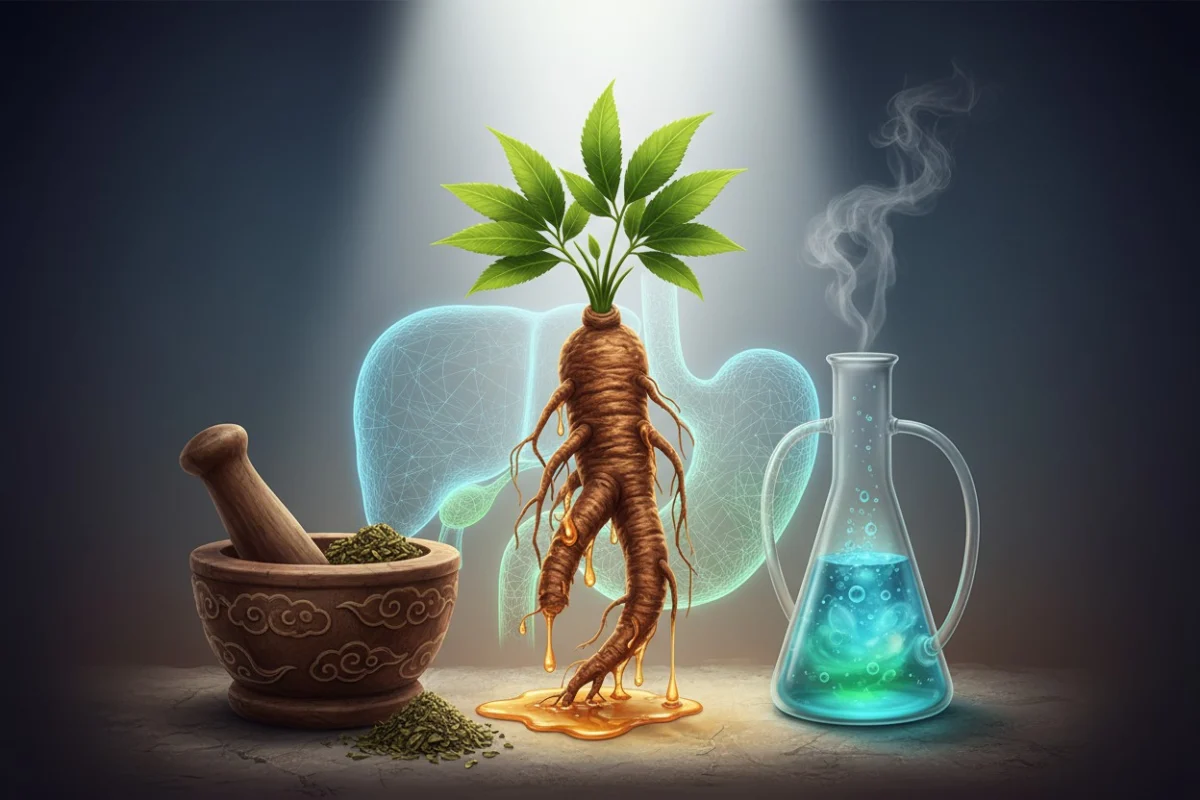
For over 3,000 years, Glycyrrhiza glabra—commonly known as licorice—has occupied a central position in the human pharmacopeia. From the burial chambers of Egyptian pharaohs to the high-tech laboratories of modern pharmaceutical research, this perennial herb has transitioned from a ritualistic offering to a potent therapeutic agent. As we navigate a modern era increasingly interested in integrative health, the story of licorice provides a compelling intersection between ancient wisdom and clinical validation.
Main Facts: The Botany of Sweetness
Licorice root is unique in its chemical composition, boasting approximately 400 distinct bioactive compounds, including nearly 300 flavonoids. Its defining feature, however, is glycyrrhizin, a saponin glycoside that renders the root approximately 50 times sweeter than sucrose.
When ingested, human gut bacteria metabolize glycyrrhizin into glycyrrhetinic acid, the primary driver behind the herb’s anti-inflammatory, antiviral, and antioxidant properties. This chemical transformation is the engine of its therapeutic potential, enabling the herb to modulate the body’s stress response, protect liver tissue, and accelerate the healing of mucous membranes throughout the digestive and respiratory tracts.
A Chronology of Healing: From Antiquity to Modernity
The historical record of licorice is as vast as it is ancient. Its inclusion in the Epic of Gilgamesh marks it as one of the earliest botanical agents to be documented by human civilization.
Ancient Foundations
In ancient Egypt, licorice was more than medicine; it was a staple of the royal court. The discovery of substantial quantities of licorice root in the tomb of King Tutankhamun underscores its perceived value, likely utilized in both medicinal applications and as an ingredient in mai sus, a sweet, ceremonial beverage dedicated to the spirits of the pharaohs. Contemporaneously, the logistical prowess of Alexander the Great’s army was bolstered by the inclusion of licorice root in soldiers’ rations, valued for its unique ability to quench thirst during long, grueling campaigns across arid territories.
The Evolution of Traditional Systems
Licorice has functioned as a foundational pillar in the world’s two most enduring medical traditions:
- Traditional Chinese Medicine (TCM): Known as gan cao, licorice is arguably the most frequently used herb in the Chinese pharmacopeia. It is revered as a "guide herb," believed to possess the unique capacity to direct the medicinal effects of other herbs to all twelve meridians of the body. Furthermore, it acts as a harmonizer, tempering the harshness or toxicity of other ingredients while simultaneously enhancing their absorption.
- Ayurveda: In the Indian system of medicine, licorice is termed Yashtimadhu, or "sweet stick." It is categorized as a potent rejuvenating tonic (rasayana), used to support respiratory health, soothe gastric inflammation, and bolster immunity.
Supporting Data: Clinical Research and Bioactive Mechanisms
Modern clinical science is increasingly validating these traditional claims, particularly in the fields of hepatology and gastroenterology.
Liver Health and Antiviral Activity
A significant body of evidence suggests that glycyrrhizin holds promise for chronic liver disease. In a randomized controlled trial involving 1,400 patients with primary liver disease, licorice supplementation led to a marked reduction in inflammation. Furthermore, laboratory studies have demonstrated that glycyrrhizin can inhibit hepatitis C viral activity in liver cells. When used in conjunction with interferon-alpha, licorice compounds have shown a synergistic effect, potentially amplifying antiviral responses.
Gastrointestinal Protection
Licorice’s efficacy in treating peptic ulcers and acid reflux is well-documented. It works by stimulating the stomach lining to produce protective mucus while simultaneously inhibiting pepsin and stomach acid secretion. Clinical trials have compared favorably the results of licorice extracts against conventional treatments like cimetidine, with many patients experiencing superior relief and accelerated healing of the gastric lining.
The Role of Deglycyrrhizinated Licorice (DGL)
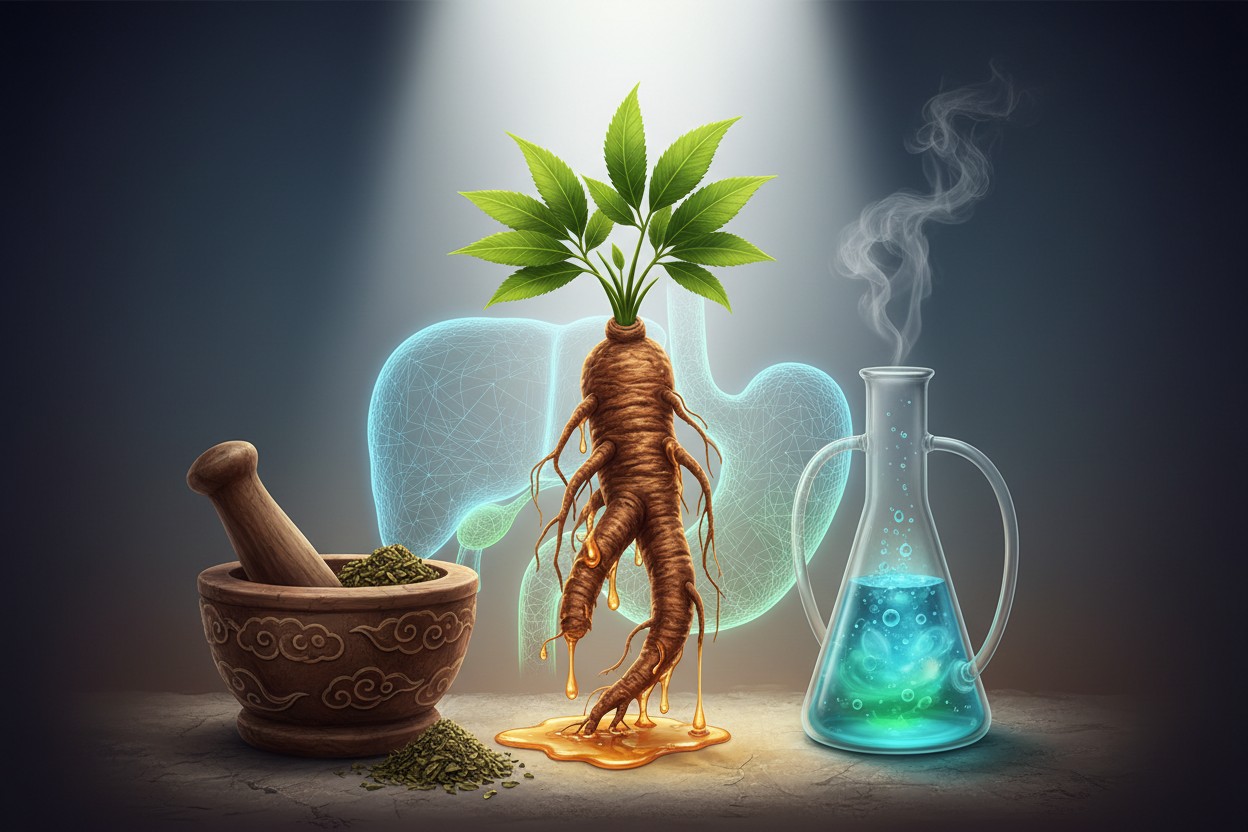
A critical development in the use of this herb is the creation of DGL, or deglycyrrhizinated licorice. By removing glycyrrhizin, researchers have produced a form of the herb that retains its ability to promote mucosal healing while eliminating the potential side effects associated with high-glycyrrhizin intake—specifically hypertension and electrolyte imbalance.
Official Perspectives and Expert Insight
The scientific and medical communities maintain a nuanced view of licorice. While the therapeutic potential is high, the margin for error in dosage is narrow.
Expert Opinion on Therapeutic Application
Naturopathic physician Michael T. Murray has been a vocal proponent of DGL, particularly for the treatment of peptic ulcers. "I have treated many cases of peptic ulcers over the years with 100 percent success using DGL," Dr. Murray stated. He emphasizes that DGL is most effective when chewed, as the process of mixing the extract with saliva appears to trigger a cascade of protective reactions in the esophagus and stomach that capsules alone cannot replicate.
The Safety Paradox
The primary safety concern surrounding whole licorice root is its structural similarity to cortisol. Because glycyrrhizin can mimic this adrenal hormone, it can cause the body to retain excess salt and water while excreting potassium. This "pseudohyperaldosteronism" can lead to high blood pressure, fluid retention, and in severe cases, abnormal heart rhythms.
Consequently, experts advise that while occasional, small-dose consumption is generally safe for healthy individuals, chronic or high-dose use requires professional supervision. The risk is particularly pronounced for patients taking diuretics, corticosteroids, or blood pressure medications.
Implications for Future Health
The shift toward evidence-based herbal medicine suggests that licorice will continue to play a vital role in clinical settings. The ongoing exploration of its adaptogenic properties—its ability to assist the body in managing environmental, emotional, and physical stress—aligns with the growing medical focus on cortisol regulation and adrenal health.
Furthermore, as research into the gut microbiome deepens, the role of licorice in modulating gut bacteria and protecting the integrity of the intestinal barrier offers new avenues for treating conditions such as chronic gastritis and radiation-induced oral mucositis.
Recommendations for Safe Usage
For those considering licorice as a therapeutic agent, the following guidelines are recommended:
- Understand the Source: Always determine whether the product is whole licorice root (containing glycyrrhizin) or DGL.
- Consult a Professional: Given the potential for interactions with blood pressure and cardiac medications, consultation with a qualified herbalist or physician is essential.
- Mind the Dosage: Standard recommendations for powdered root often range from 1 to 2 grams, three times daily, but this must be adjusted based on the specific concentration of active compounds.
- Monitor Physical Cues: Any signs of edema, headaches, or palpitations should be treated as an immediate indicator to discontinue use and seek medical counsel.
In conclusion, licorice remains a testament to the longevity of natural medicine. By bridging the gap between the ancient rituals of pharaohs and the molecular precision of contemporary pharmacology, Glycyrrhiza glabra stands as a potent reminder that the most sophisticated solutions for human health are often those that have been growing in the earth for millennia. As modern medicine continues to parse the complexities of its 400 bioactive compounds, licorice is poised to remain a staple in the future of integrative wellness.