




By [Your Name/Editorial Staff], based on insights by Jana Wu, LCSW, LADC, ICAADC, CASAC
For over 15 years, Jana Wu has navigated the complexities of mental health and substance use treatment. As she reaches a professional and personal milestone—approaching her 50th year—a poignant, systemic question continues to haunt her practice: Why is our healthcare apparatus so conditioned to suppress women’s distress before taking the time to understand its origin?
This inquiry has gained urgent relevance as Wu observes a burgeoning trend: the rise of kratom use among women in their late 30s through their 60s. For these individuals, kratom—a tropical tree leaf from Southeast Asia—is not merely a recreational substance; it is a desperate tool for survival in an era of relentless expectations.
The Modern Crisis: Balancing Life on the Edge
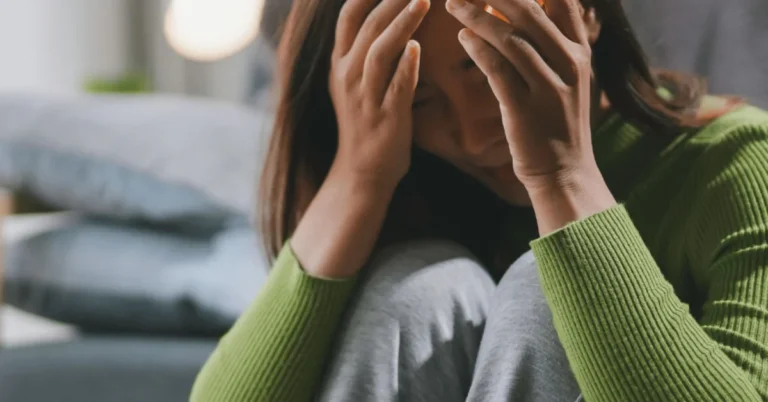
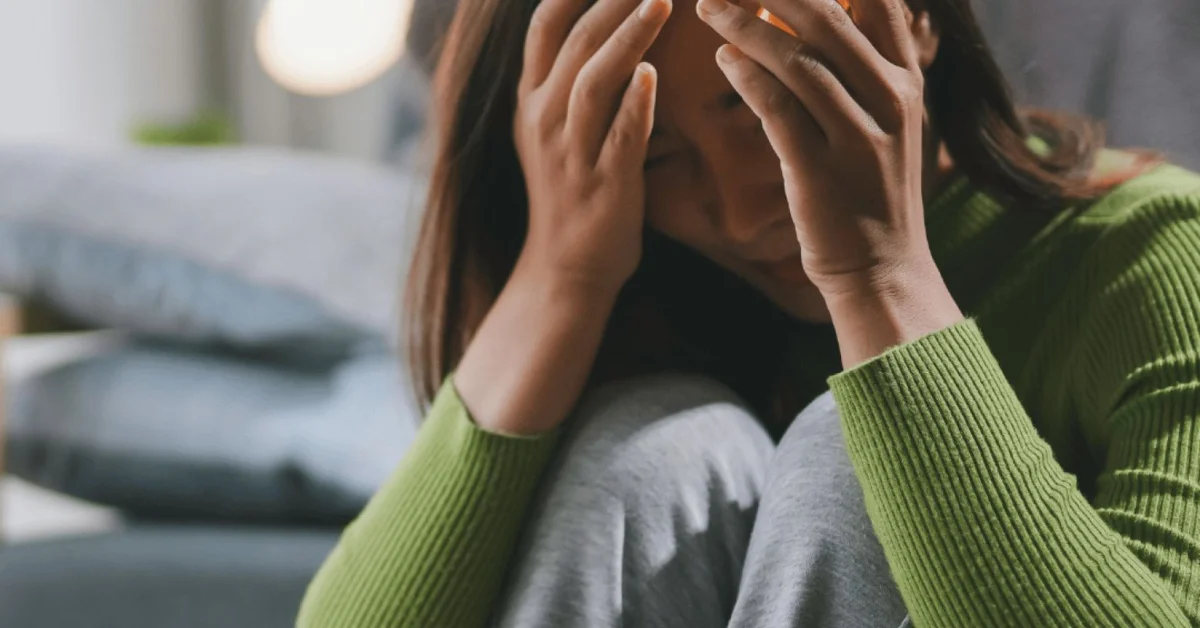
In clinical settings, Wu encounters a demographic of women who have stumbled upon kratom while navigating the turbulent waters of midlife. These women are not seeking a "high"; they are seeking a bridge to their next responsibility. Whether managing the high-pressure demands of a career, raising children, or providing eldercare for aging parents, these women describe their lives as being stretched to a breaking point.
"They describe it not simply as a way to feel better," Wu notes, "but as a way to keep functioning." The substance offers a fleeting, perceived sense of energy and calm, allowing them to maintain the facade of normalcy in lives that have become fundamentally unsustainable. However, this reliance highlights a dangerous gap in our healthcare system: we are expert at quieting the scream of anxiety, but we are failing to investigate what is causing the pain.
A Chronology of Suppression: From Hysteria to "Mother’s Little Helper"
To understand the current reliance on substances like kratom, one must look at the historical trajectory of how medicine has historically categorized and treated female distress.
The 19th Century: The Era of "Hysteria"
For much of the 1800s, medical science pathologized the female experience. Conditions such as "hysteria" and "neurasthenia" served as catch-all diagnoses for any woman who exhibited anxiety, fatigue, insomnia, or irritability. Rather than addressing the social and structural pressures placed upon women, doctors prescribed rest cures or sedation, essentially treating the woman as a broken machine that needed to be powered down.
The Mid-20th Century: The Rise of the Tranquilizer
As the mid-20th century dawned, the medical approach shifted from vague diagnostic labels to chemical intervention. The 1950s saw the introduction of tranquilizers like Miltown, but the game changed in 1963 with the arrival of Valium.
Valium became the most prescribed medication in the United States, cementing its role in the domestic lives of millions of women. Its cultural entrenchment was so absolute that it entered the zeitgeist; the Rolling Stones’ 1966 hit, "Mother’s Little Helper," serves as a haunting historical artifact. The song chronicles a woman relying on "little yellow pills" to cope with the drudgery of domesticity and the anxiety of aging. Nearly 60 years later, the prescription bottles have changed, but the underlying desperation of the "Mother’s Little Helper" archetype remains a defining feature of the American female experience.
Supporting Data: The Risks of Symptom Management
The modern medical response to anxiety—often involving benzodiazepines—is not without its dangers. While these medications provide legitimate, necessary relief in acute scenarios, they were never intended to be the primary solution for the chronic, life-stage-related stressors of midlife.
The Midlife Convergence
Perimenopause and menopause introduce profound hormonal shifts that can exacerbate anxiety, sleep disruption, and mood instability. When this biological reality collides with the "sandwich generation" phenomenon—where women are simultaneously caring for children and aging parents—the psychological pressure is immense.
When healthcare providers opt for a prescription pad to "fix" these symptoms, they often overlook:
- Hormonal health: The role of declining estrogen and progesterone in mood regulation.
- Situational stressors: The systemic imbalance of labor in the home and workplace.
- Long-term dependency: The reality that benzodiazepines carry significant risks of physical dependence, cognitive impairment, and severe withdrawal symptoms.
The Kratom Conundrum: A "Natural" Trap
Kratom has emerged as a decentralized alternative in this landscape. For many, it represents an attempt to reclaim autonomy. By choosing an herbal substance, some women feel they are sidestepping the pharmaceutical industrial complex, opting for something that feels "traditional" or "natural."
The Regulatory Void
The danger, as Wu points out, is that "natural" is not synonymous with "safe" or "predictable." Unlike FDA-approved medications, kratom is largely unregulated in the United States. Potency varies wildly between batches and suppliers, making it nearly impossible for a user to track their dosage or understand the chemical interaction of the substance they are consuming.
Dangerous Poly-Substance Use
Perhaps the most alarming trend in clinical settings is the "stacking" of substances. Wu frequently sees patients who utilize kratom alongside alcohol, prescribed benzodiazepines, or opioids.
- Respiratory Depression: The combination of sedating substances with kratom can suppress the central nervous system to dangerous, even fatal, levels.
- Masking the Underlying Cause: By using multiple substances to regulate mood, the user effectively buries the root cause of their distress deeper, making eventual therapeutic intervention much more complex.
Implications: Whose Discomfort Are We Treating?
The most critical takeaway from the current crisis is the ethical question Wu poses to her colleagues: Whose discomfort are we treating?
Often, the rush to medicate a woman is driven by the discomfort of those around her. A woman who is "too anxious" or "too tired" to perform her caretaking duties is a systemic problem. If the healthcare system treats the woman’s distress as a symptom to be extinguished, it effectively helps society avoid confronting the structural reasons why she is distressed in the first place.
A New Framework for Care
Moving forward, clinical practice must evolve to include:
- Diagnostic Patience: Allowing for the time to untangle the web of hormonal, psychological, and situational factors before reaching for a chemical solution.
- Addressing the "Why": Asking the patient what their anxiety is telling them about their current environment. Is it a signal that their life is unsustainable?
- Holistic Treatment Plans: Moving away from "relief-only" models toward comprehensive treatment that includes psychotherapy, lifestyle adjustments, and potentially endocrinological support.
Conclusion: The Path Toward Understanding
The story of the woman in midlife who turns to kratom is not a story about a specific drug; it is a story about a persistent, unmet need for support. As clinicians and researchers continue to study the implications of kratom use disorder, they must listen to the narratives of these women.
We must stop viewing the suppression of symptoms as the end goal of medicine. When we treat a woman’s distress without investigating its source, we are not curing her; we are merely asking her to continue, at any cost, to keep the world turning. True healing requires us to value the woman’s well-being over her productivity, and to replace the quick-fix culture of "Mother’s Little Helper" with a compassionate, curious, and patient approach to mental health.
About the Expert
Jana Wu, LCSW, LADC, ICAADC, CASAC, is a leading clinician at Mountainside Treatment Center, specializing in PTSD, anxiety, depression, and co-occurring disorders. As a nationally recognized expert on the impact of kratom, she founded the country’s first clinician-led kratom support group. Her work has been featured in The Wall Street Journal, Rolling Stone, and on NBC News. She remains a dedicated advocate for structural reform in how we address women’s mental health and substance use.