











Published September 24, 2026
In the modern yoga studio, the sequence is almost liturgical: we arrive, we ground ourselves, and we are instructed to "tune into the breath." We observe its cadence, gently coaxing it into deeper, more expansive inhalations and rhythmic, grounding exhalations. Once the breath is established, the teacher inevitably cues us to "tune into the body."
For many practitioners, this directive—while poetic—often lacks a concrete instruction manual. How, exactly, does one "listen" to the internal topography of the body?
The answer may lie in a synthesis of ancient movement traditions and modern biomechanics. While yoga classes frequently incorporate circular movements like neck rolls, hip circles, and wrist rotations, these are often performed as perfunctory warm-ups. However, a growing cohort of physical therapists and mobility specialists is advocating for a more deliberate, scientific approach: Controlled Articular Rotations (CARs). By integrating these specialized movements into a traditional yoga flow, practitioners can transform simple mobility exercises into a sophisticated tool for "body literacy," joint longevity, and injury prevention.
The Science of Joint Hygiene
At its core, a joint is a complex nexus where bones meet, held together by connective tissues that facilitate the mechanical marvel of human movement. As we age, these joints naturally gravitate toward stiffness, a process that can be accelerated by sedentary lifestyles or repetitive, high-impact training.
"Joint hygiene" has emerged as a critical concept in physical therapy, referring to the maintenance of the joint capsule’s health and the preservation of its functional range of motion. CARs are the primary mechanism for this maintenance. Unlike passive stretching—which focuses on lengthening muscle tissue—CARs are active, neurological, and structural. They involve moving a joint through its entire available range of motion with total body control, ensuring that no neighboring segments compensate for the movement.

Jen Hosler, a physical therapist and mobility specialist trained in the Functional Range Systems (FRS) framework, views CARs as the ultimate accessibility tool. "CARs are a low-hanging fruit because they are highly accessible to everyone, regardless of their current flexibility level," says Hosler. "We tell people to ‘listen to their body,’ but that advice is abstract. CARs provide the vocabulary to actually do it. They act as a body literacy tool that teaches you exactly what your joints are capable of doing on any given day."
Chronology of a Movement Practice: From Warm-up to CARs
The transition from traditional yoga warm-ups to CARs is not merely a change in movement; it is a shift in intention. In a typical Vinyasa flow, circular movements are often performed with a degree of "swing" or momentum, relying on gravity to carry the limb through space.
In contrast, a CARs approach requires absolute tension and intention.
- Initial Awareness: The practitioner establishes a "neutral" baseline of joint health through daily, low-intensity movement.
- The Integration Phase: Practitioners begin to isolate specific joints during yoga poses, using blocks or the floor as "blocks" to prevent compensatory movement in the spine or hips.
- The Mastery Phase: As neuromuscular control increases, the practitioner adds resistance—such as light weights or bands—to build strength at the end-ranges of motion.
This progression mirrors the evolution of the modern yoga practitioner: moving from the mindless imitation of shapes to a mindful, controlled engagement with their own unique anatomy.
Supporting Data: Why Consistency Trumps Intensity
The clinical utility of CARs rests on their ability to stimulate the production of synovial fluid. This viscous substance acts as a lubricant for the articular cartilage, reducing friction during movement and serving as a nutrient delivery system for the joint. When a joint remains static, this fluid can become stagnant. Controlled, circular loading ensures the fluid is circulated, keeping the cartilage nourished and the joint capsule resilient.
Furthermore, CARs serve as a daily diagnostic. By performing these rotations consistently, a practitioner develops a "baseline." On a morning where a shoulder feels restricted or an ankle feels "sticky," the student immediately recognizes a deviation from their standard range. This early awareness allows for proactive adjustments to the yoga practice—such as skipping an inversion or modifying a pose—long before a minor restriction develops into a chronic injury.
Three Tiers of Implementation
According to the FRS framework championed by specialists like Hosler, CARs are categorized into three levels of intensity and purpose:
- Level One (Unchallenged): These are free-space movements, such as simple wrist or ankle circles. They are the daily "brushing your teeth" equivalent for joint health, designed to maintain current mobility levels.
- Level Two (Blocking): This tier introduces external support. By using a yoga block, a foam roller, or simply pressing a limb against the floor, the practitioner "blocks" adjacent joints. This prevents the body from cheating by utilizing the spine to compensate for a lack of hip mobility. This is a powerful training tool for expanding range of motion.
- Level Three (Resistance): For those who are hyper-mobile—possessing a large range of motion but lacking the strength to control it—adding resistance via light dumbbells or resistance bands is crucial. This helps create "active" range, effectively strengthening the muscles surrounding the joint at its most vulnerable positions.
5 Practical Applications for the Yoga Mat
Integrating these techniques into a standard yoga sequence does not require a complete overhaul of one’s practice. Instead, it requires a "slowing down" of specific transitions.
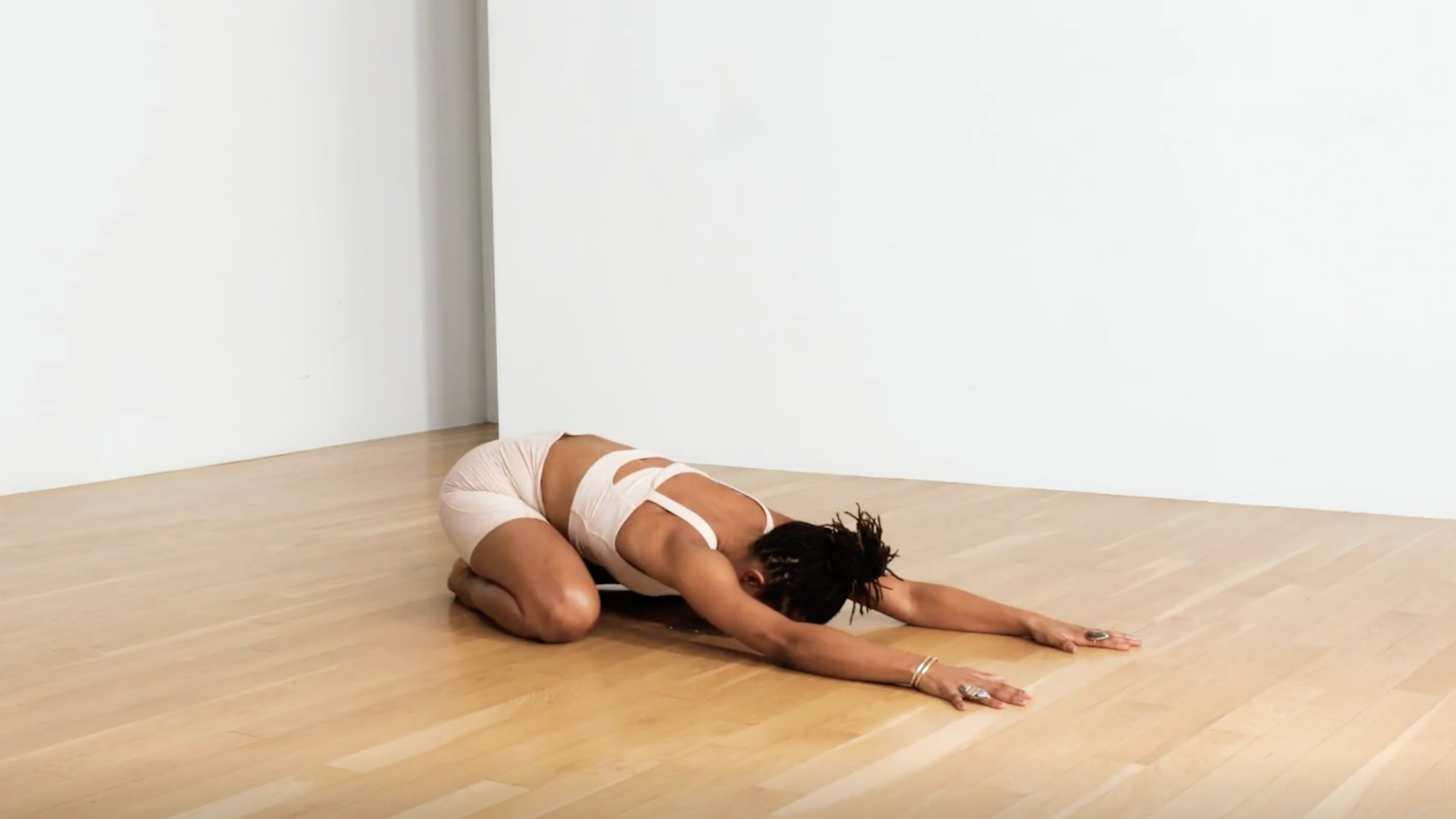
1. Shoulder Circles in Child’s Pose (Balasana)
Child’s Pose provides a stable base that limits thoracic compensation. By placing the forehead on the mat, the practitioner effectively "locks" the spine. From this position, lifting an arm and performing a slow, controlled rotation—elbow pointing to the ceiling—isolates the glenohumeral joint, ensuring the shoulder works independently of the ribcage.
2. Hip Circles in Tabletop
Often seen as a transition into Cat-Cow, the Tabletop position is the ideal laboratory for hip health. By keeping the torso perfectly still while the knee draws wide circles, the practitioner challenges the hip capsule. This movement builds the gluteal and hip-rotator strength necessary to stabilize the pelvis in more demanding standing poses.
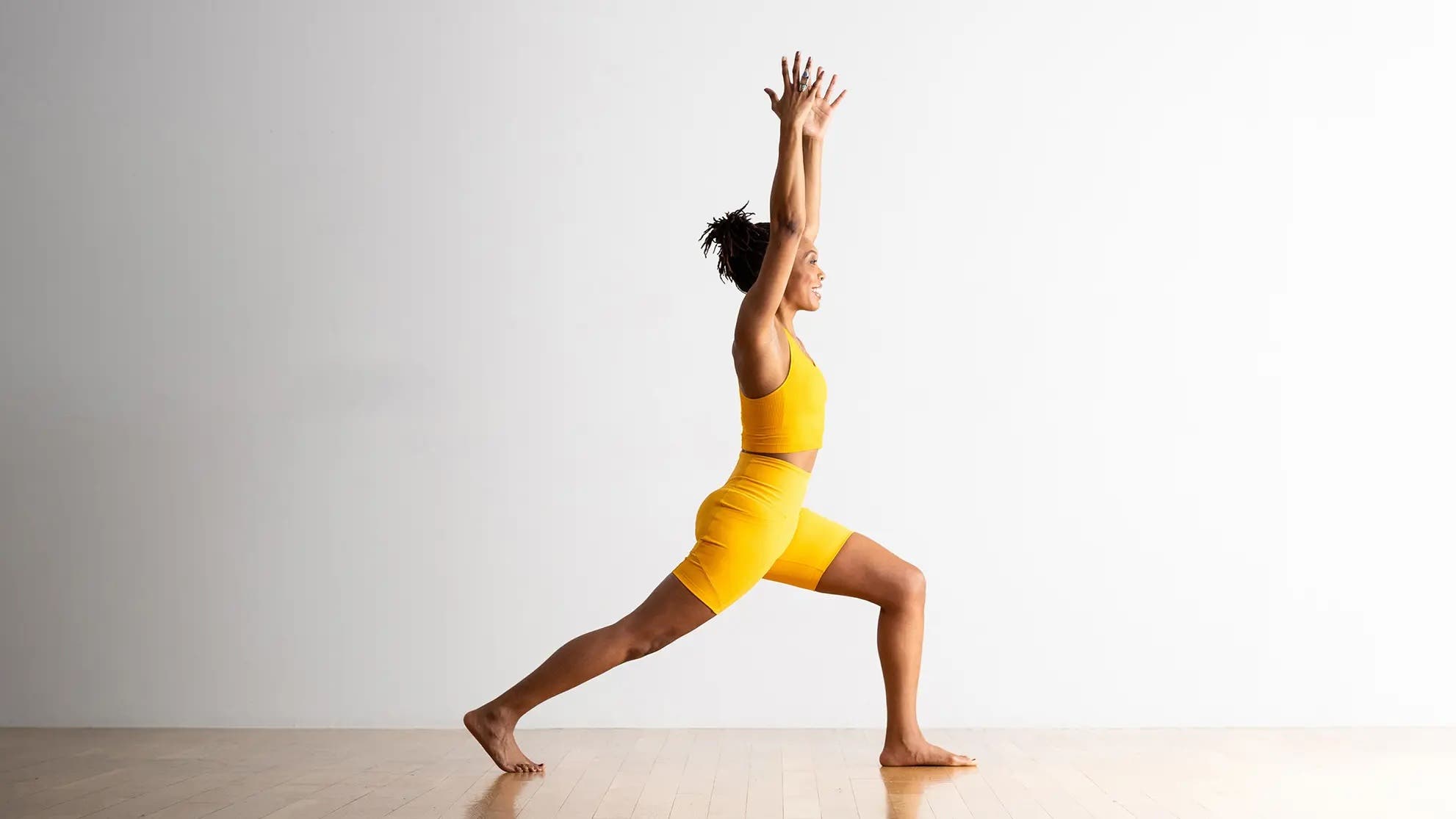
3. Wrist Circles in High Lunge
High Lunge is a challenging, fire-building pose. Adding wrist circles here serves a dual purpose: it prepares the wrists for weight-bearing poses like Downward Dog or Handstand, and it provides a psychological distraction from the exertion in the legs. By grabbing the forearm with the opposite hand, the practitioner ensures the rotation is strictly within the wrist, preventing the forearm muscles from taking over.
4. Ankle Circles in Half Split (Ardha Hanumanasana)
While traditional yoga emphasizes dorsiflexion (toes toward the shin), it rarely explores the full rotational capacity of the ankle. In a Half Split, the grounding of the heel allows the practitioner to explore eversion, inversion, and plantarflexion in a controlled manner, building resilience against the common ankle sprains that often sideline active individuals.
5. Knee CARs in Heron Pose (Krounchasana)
The knee is a hinge joint, but it possesses subtle rotational capabilities. In a modified Heron Pose, the practitioner can isolate the tibia. By holding the thigh steady, one can gently rotate the shin bone internally and externally. This is essential for protecting the knee from the torque that can occur during seated cross-legged postures.
Implications for Longevity and Performance
The integration of CARs into yoga is not merely a trend; it is an evolution toward a more sustainable, athletic, and longevity-focused practice. By shifting the focus from "how far can I go?" to "how well can I control what I have?" practitioners minimize the risk of repetitive stress injuries.
"Perfection isn’t the goal," notes Hosler. "The goal is to move mindfully. If you feel pinching, make the circle smaller. If you feel pain, stop. The objective is to establish a dialogue with your joints that lasts a lifetime."
As the yoga community continues to blend ancient wisdom with contemporary sports science, the inclusion of CARs represents a necessary step forward. It transforms the yoga mat from a place of aesthetic performance into a sanctuary of functional health. Whether you are a seasoned instructor or a curious beginner, the message is clear: by turning your attention to the mechanics of your joints, you aren’t just improving your practice—you are safeguarding your ability to move with freedom, grace, and resilience for years to come.