








In a modern medical landscape often defined by standardized protocols and "one-size-fits-all" pharmaceuticals, Ayurveda offers a radical departure. Rooted in thousands of years of tradition, this ancient Indian system of medicine operates on a singular, foundational premise: no two human beings are identical, and therefore, no two paths to healing should be the same.
While contemporary allopathic medicine might categorize a patient with diabetes into one of two primary types, Ayurveda identifies twenty distinct classifications of the same condition. This granular level of observation—the ability to look past surface-level symptoms to the underlying constitutional makeup of the individual—is what practitioners argue makes Ayurveda uniquely successful.
The Philosophy of the Individual: Moving Beyond the "Band-Aid"
The core of the Ayurvedic approach is the understanding of samprapti, or the disease process. A practitioner does not merely look at pain; they look at the nature of the pain. Is it a vata-type pain, characterized by sharp, erratic sensations? Is it pitta-driven, presenting as inflammation and heat? Or is it kapha-related, manifesting as heavy, dull, or chronic congestion?
By identifying these qualities, the practitioner avoids the "band-aid" approach of modern medicine. Instead of simply suppressing a symptom, they aim to address the root cause—the specific imbalance within the individual’s unique state of health, known as vikruti. Achieving balance requires an intimate knowledge of the client’s prakruti (their inherent constitutional nature) and their current agni (digestive fire), alongside the assessment of ama (toxin accumulation).
The Three Stages of Panchakarma: A Chronology of Detoxification
Perhaps the most potent expression of Ayurvedic healing is Panchakarma, a sophisticated detoxification and rejuvenation protocol. While often marketed as a generic "cleanse," true Panchakarma is a highly nuanced, three-stage process that must be meticulously calibrated by a trained practitioner.
Stage 1: Purvakarma (The Preparatory Phase)
Before any major therapeutic action can occur, the body must be prepared. Purvakarma serves as the foundation. During this phase, the goal is to "kindle" the agni—the digestive fire—to ensure the body is capable of processing the detoxification process.
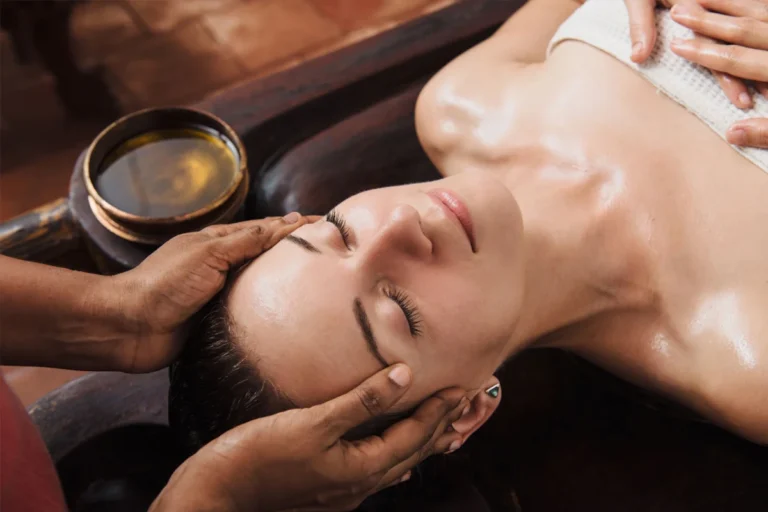
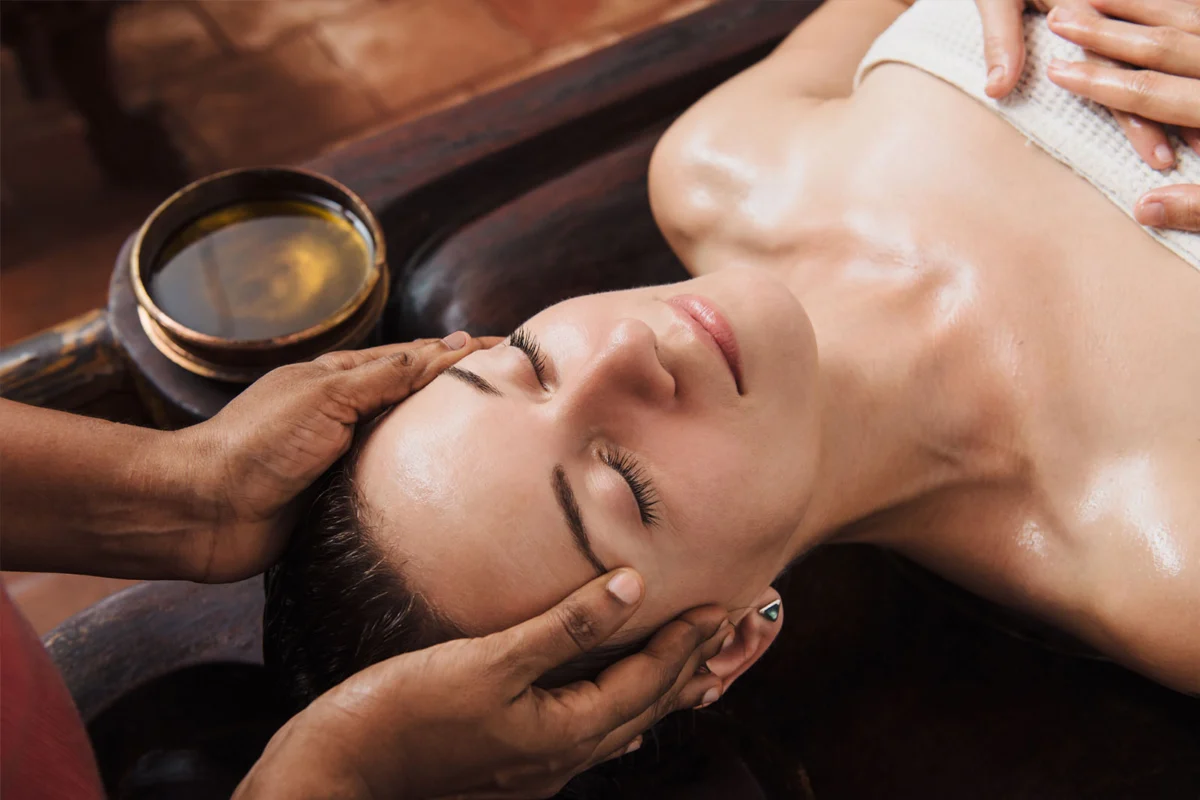
This is highly individualized; one client might require ginger pickle to stimulate digestion, while another may need nothing more than structured intake of hot water. Simultaneously, the process of internal oleation begins. By administering medicated ghees or specialized oils, practitioners lubricate the internal tissues, effectively "loosening" deep-seated toxins so they can be mobilized into the digestive tract for eventual elimination.
Stage 2: Pradhānakarma (The Five Actions)
This is the stage from which the practice derives its name, Panchakarma—meaning "five actions." Once the tissues are sufficiently saturated with oleation, the practitioner initiates the systematic removal of toxins:
- Virechana: Targeting the small intestine, liver, and gallbladder (the seat of pitta), this purgative therapy uses milk-based laxatives to flush excess heat and toxins from the system.
- Basti: Focused on the colon—the home of vata—this therapeutic enema utilizes herbalized teas or oils. Unlike standard medical enemas, these are designed to nourish the colon wall and facilitate the absorption of healing herbs.
- Vamana: A highly specific procedure used to extract excess kapha (phlegm) from the stomach. Utilizing a mixture of salt water and licorice tea, this induced emesis is not for every patient and is only performed when specific, severe imbalances are present.
- Nasya: This involves the application of medicinal oils into the nasal passages. It is designed to clear the "head space," alleviate brain fog, support memory, and balance sinus-related doshic imbalances.
- Raktamoksha: The final action targets the blood, which Ayurveda views as the life-giving (jivanam) force of the body. By clearing the blood of lingering toxins, practitioners believe they can improve the flow of prana (vital life force). While historically performed with leeches, modern practitioners in the West utilize alternative, non-invasive methods to achieve similar blood-purifying effects.
Stage 3: Paschyātkarma (The Rejuvenation Phase)
Detoxification is an intense, energy-consuming process. Once the toxins have been purged, the body is left in a fragile state. Paschyātkarma is the vital recovery phase. Here, the practitioner designs a post-treatment diet and lifestyle plan intended to rebuild tissues, stabilize digestion, and cement the gains made during the detoxification process. Without this final, restorative stage, the body risks returning to its former state of imbalance.
Supporting Data and Clinical Implications
The efficacy of the Ayurvedic approach hinges on the practitioner’s ability to act as a bridge between ancient theory and modern clinical reality. Because Panchakarma involves significant physiological shifts, the role of the practitioner is not merely advisory—it is diagnostic and protective.
If a practitioner misinterprets the state of ama or fails to account for the patient’s agni strength, a detox program can actually worsen a patient’s condition. For instance, aggressive purgation (Virechana) on a patient with depleted vata reserves could lead to severe neurological or digestive distress. This is why the industry emphasizes the importance of formal training and certification.
Recent interest in integrative health has led to a surge in demand for Panchakarma centers. However, this popularity brings risks. Consumers are increasingly cautioned to verify the credentials of the practitioners they engage. The "standardization" of Panchakarma in a commercial setting is often a red flag; if a clinic offers the same protocol to every guest regardless of their pulse, tongue, or history, they are likely ignoring the foundational tenets of the discipline.
The Role of the Practitioner: A Call for Professionalism
The future of Ayurveda in the West depends on the establishment of high-quality educational standards. As the practice continues to weave itself into the fabric of global wellness, the distinction between "lifestyle Ayurveda" and "clinical Ayurveda" is becoming increasingly vital.
Professional practitioners act as the custodians of the patient’s health trajectory. They are responsible for:
- Continuous Assessment: Adjusting protocols in real-time as the patient reacts to treatments.
- Ethical Oversight: Ensuring that procedures like Vamana or Raktamoksha are only performed when strictly indicated.
- Integrative Communication: Helping patients navigate how Ayurvedic therapies interact with any other medical treatments they may be receiving.
Conclusion: Aligning Values with Wellness
For those seeking to explore the depths of Ayurvedic healing, the search for a center or practitioner should be treated with the same rigor as choosing a specialist for any other medical procedure. It is not enough to find a facility that offers "detox services." One must find a facility that prioritizes the individual.
When your wellness values align with the methodology of your practitioner—when they are as committed to the nuances of your specific prakruti as you are to your recovery—the results can be profound. As we look toward a future where healthcare is increasingly personalized, the 5,000-year-old wisdom of Ayurveda stands not as an antiquated relic, but as a blueprint for the next generation of patient-centered care.
For those interested in pursuing formal education in this field, organizations like the Ayurveda.com offer comprehensive programs for aspiring practitioners. For those seeking clinical treatment, resorts such as the SoHum Mountain Healing Resort provide specialized, practitioner-led environments for the application of Panchakarma.