





There are moments when an organization’s mission is tested not by opportunity, but by the stifling weight of systemic uncertainty. As the global research landscape navigated a turbulent fiscal year characterized by tightening budgets and shifting institutional priorities, the Cancer Research Institute (CRI) reached a defining conclusion: the pursuit of life-saving science cannot be put on hold.
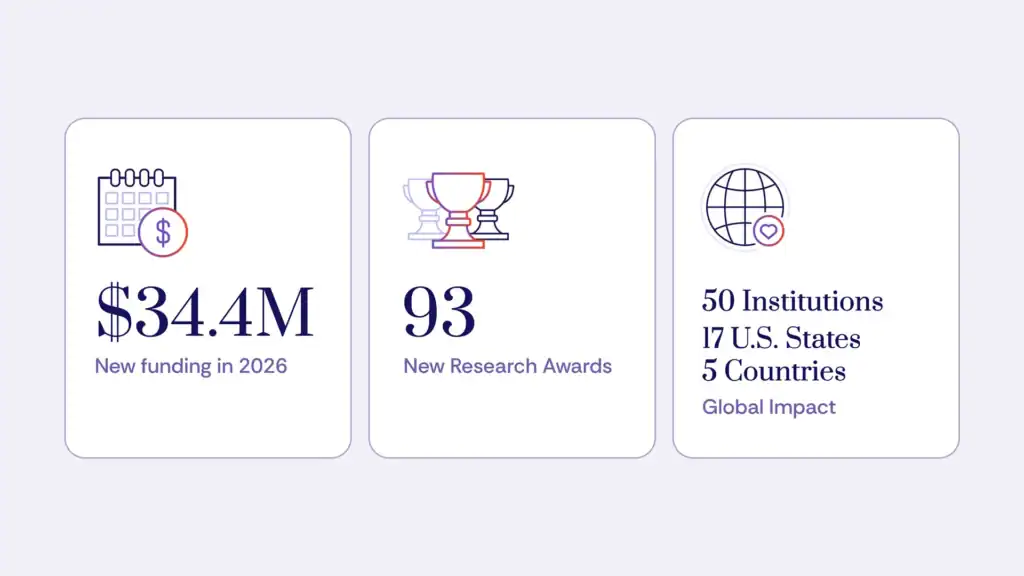
In an era where the momentum of scientific discovery is often dictated by the volatility of funding, CRI has taken a defiant stand. By committing a historic $34.4 million in new funding during the 2025–26 fiscal year, the organization has signaled a clear intent to insulate the next generation of immunotherapy breakthroughs from the broader economic instability affecting academic research.
Main Facts: A Record-Breaking Commitment to Science
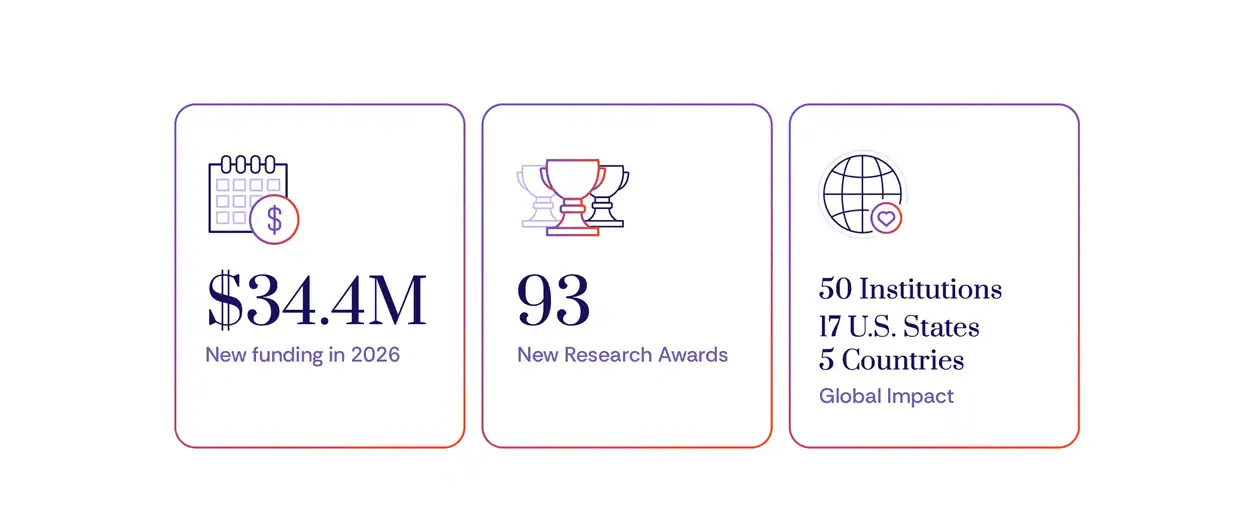
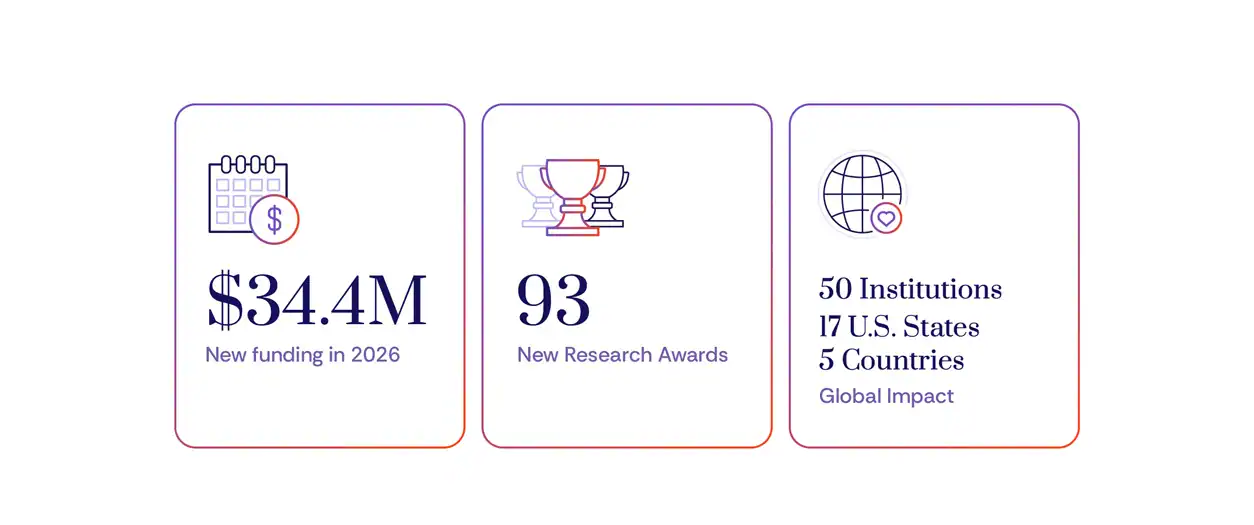
The figures released in the latest impact report underscore a strategy of aggressive support. CRI’s $34.4 million investment was distributed across 93 individual awards, marking the largest grantmaking year in the institution’s seven-decade history. These resources were not concentrated in a single hub but were dispersed across 50 elite research institutions spanning 17 U.S. states and five countries.
However, the leadership at CRI is quick to note that the raw data is merely a vessel for the true mission. Behind every grant lies a researcher at a critical juncture—some are nascent investigators just beginning to define their professional identity, while others are seasoned experts looking to pivot toward high-risk, high-reward inquiries. The central objective of this capital infusion is to provide the "intellectual venture capital" required to turn speculative concepts into tangible medical advancements.
A Chronology of Seven Decades of Resilience
To understand the significance of this year’s record funding, one must look at the trajectory of the Cancer Research Institute. Founded over 70 years ago, CRI was established on the radical premise that the immune system could be harnessed to treat cancer—a concept that was, at the time, largely dismissed by the mainstream oncology community.
- 1950s–1980s: The Foundation Years. CRI acted as the primary backer for pioneers in immunology, funding research during periods when few other organizations would commit capital to the "fringe" science of immunotherapy.
- 1990s–2010s: The Validation Era. As immunotherapy transitioned from theoretical to clinical, CRI’s long-term grantees began producing breakthroughs, including the development of immune checkpoint inhibitors.
- 2020–2024: The Global Disruption. The post-pandemic landscape brought significant instability to scientific research, characterized by supply chain issues, lab shutdowns, and subsequent funding contractions.
- 2025–2026: The Strategic Response. In the face of modern fiscal headwinds, CRI expanded its grantmaking architecture, culminating in the launch of the IGNITE Award, a specialized mechanism designed to buffer researchers against the "valley of death" in career transitions.
The IGNITE Award: Bridging the "Vulnerable Period"
Perhaps the most significant development in the current fiscal year is the implementation of the CRI IGNITE Award (Inspiring Growth and Nurturing Independence Through Excellence).
The transition from a postdoctoral fellow to an independent principal investigator (PI) is widely recognized as the most precarious stage of a scientist’s life. During this period, researchers are tasked with establishing their own labs, securing lab space, and generating enough preliminary data to apply for large-scale federal grants—all while navigating the pressures of limited short-term funding.
"Promising ideas often stall at this stage," notes a senior researcher associated with the program. "It is not a failure of intellect or vision; it is a failure of support systems." The IGNITE Award specifically targets this bottleneck, providing the capital necessary for scientists to bridge the gap between training and true independence.
Case Study: Dr. Simone Park
The impact of this strategy is best illustrated by Dr. Simone Park, an inaugural IGNITE Award recipient at the University of Pennsylvania. Dr. Park, who first entered the CRI ecosystem as a postdoctoral fellow, is now utilizing the IGNITE funding to establish her own laboratory.
Her research focuses on tissue-resident memory T cells. These specialized cells are the "sentinels" of the immune system; they reside in tissues rather than circulating in the blood, potentially offering a form of long-term immunological memory that could prevent cancer recurrence. By investigating what allows these cells to persist in hostile tumor environments, Dr. Park is working to unlock new, durable therapeutic strategies. Her journey from a fellow to a lead investigator serves as a testament to the "continuum of support" that CRI champions.
Supporting Data and the Ecosystem Approach
CRI’s strategy is built on a multi-tiered ecosystem that ensures support exists at every stage of a career. This continuum includes:
- Postdoctoral Fellowships: Launching careers by supporting the most promising early-career scientists.
- IGNITE Awards: Fostering independence during the transition to lab leadership.
- Lloyd J. Old STAR Awards: Empowering established investigators to pursue "high-risk, high-impact" research that traditional, conservative funding bodies might avoid.
The 2026 Annual Impact Report confirms that this holistic approach is yielding results. Beyond the research awards, the organization has expanded its footprint into data-sharing initiatives and computational skill training. In the modern era of "big data" oncology, the ability to process complex biological information is as vital as the ability to conduct wet-lab experiments. By equipping scientists with these tools, CRI is ensuring that the investment in human capital is matched by an investment in technical capability.
Implications: The Future of Cancer Immunotherapy
The implications of CRI’s record-setting year are profound. By maintaining a steady hand during a period of market and funding uncertainty, the institute has successfully prevented a "lost generation" of cancer researchers.
However, the organization acknowledges that the work is far from finished. The shift toward personalized immunotherapy, the integration of artificial intelligence in drug discovery, and the need for more diverse clinical trial populations represent the next frontier.
The institutional stance is clear: uncertainty is a constant in the scientific landscape, but it does not alter the fundamental requirements for progress. Those requirements remain unchanged: exceptional people, bold ideas, and the sustained support to bring them together.

Official Perspective
In official statements accompanying the release of the 2026 Annual Impact Report, the leadership of the Cancer Research Institute emphasized that their financial decisions are not merely accounting maneuvers, but moral ones.
"To the scientists whose ideas deserve the chance to grow, to the patients who are waiting for the next medical breakthrough, and to the supporters who believe in the power of research to change the human experience, we made a promise," the report states. "This record-setting year is a record of that promise being kept."
As the organization moves into the next fiscal period, the message from the CRI boardroom is one of momentum. Despite the external pressures, the focus remains on the "extraordinary work still ahead." For the oncology community, the record $34.4 million investment is a signal that while the landscape of science is difficult to navigate, the pursuit of a world without cancer remains the most important journey of our time.
The CRI concludes with a firm declaration: "We are just getting started."