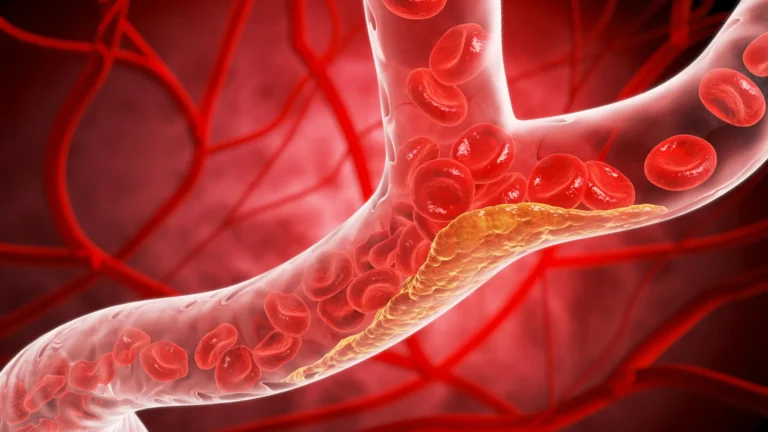












In a landmark study that redefines our understanding of heart health, researchers have uncovered a "silent" biological mechanism that bridges the gap between everyday life stressors and life-threatening cardiovascular events. Chronic, low-level inflammation—often fueled by socioeconomic disadvantage, mental health struggles, and lifestyle factors—has been identified as a primary driver of physical changes in the heart that can precede clinical symptoms by years.
This extensive research, led by the MRC Laboratory of Medical Sciences (LMS) and Imperial College London, analyzed data from nearly half a million adults in the UK. The findings suggest that millions of people may be unknowingly harboring systemic inflammation that is systematically remodeling their heart structure, significantly elevating the risk of heart attacks and strokes.
The Silent Threat: Understanding Chronic Inflammation
At its core, inflammation is the body’s natural defense mechanism. When the immune system detects an invader, such as a virus or a wound, it triggers an inflammatory response to isolate and neutralize the threat. Under healthy conditions, this process is temporary; once the danger has passed, the immune system stands down.
However, "chronic" or "persistent" inflammation occurs when the body’s immune system remains in a state of low-level activation indefinitely. Rather than healing, the body remains on high alert, creating a constant, smoldering fire that can damage healthy tissue. While this phenomenon has long been associated with chronic conditions like type 2 diabetes and various cancers, the new study suggests that the heart is perhaps one of the most vulnerable victims of this systemic imbalance.
The Mechanism of Damage
The research, which utilized data from the UK Biobank, indicates that persistent inflammation does not merely affect the blood vessels; it alters the very architecture of the heart. Patients with elevated inflammatory markers showed evidence of "remodeling"—a process where heart walls thicken, chambers shrink, and the heart loses its ability to fill with blood efficiently. These structural changes often develop quietly, remaining asymptomatic for years until the heart reaches a breaking point, potentially manifesting as heart failure, stroke, or a myocardial infarction.
Chronology of the Discovery: From Biobank to Breakthrough
The journey to these findings involved a sophisticated cross-referencing of vast datasets, spanning years of health monitoring.
- Data Aggregation (The Foundation): Researchers harnessed the UK Biobank, a massive database containing health information, genetic profiles, and lifestyle data for nearly 480,000 participants.
- Biomarker Identification: The team utilized a specific blood marker known as glycoprotein acetyls (GlycA) to measure systemic inflammation. Unlike traditional markers, GlycA provides a stable, long-term reflection of the body’s inflammatory state.
- Imaging and Analysis: By combining these blood markers with advanced cardiac imaging and genetic datasets, the researchers were able to correlate inflammatory profiles with specific, measurable physical changes in the heart.
- Validation: Through longitudinal tracking, the team confirmed that individuals with the highest levels of inflammation were significantly more likely to experience cardiovascular events, even after controlling for traditional risk factors like high blood pressure or cholesterol.
Supporting Data: The 43% Risk Factor
The statistical weight of the study provides a sobering look at the correlation between inflammation and cardiovascular health. When researchers compared the top 20% of participants (those with the highest GlycA levels) against the bottom 20% (those with the lowest), the disparity was stark.
Key Statistical Findings:
- Increased Risk: Those in the highest inflammation bracket faced a 43% higher risk of heart attack and stroke compared to those with the lowest levels.
- Structural Remodeling: Elevated inflammation was directly associated with thicker heart walls and reduced chamber capacity, key precursors to heart failure.
- Socioeconomic Links: The study identified a strong, undeniable link between socioeconomic disadvantage and chronic inflammation. Poverty, financial stress, and lack of access to healthy resources emerged as significant "biological" drivers of inflammation.
- Psychological Distress: Mental health struggles—ranging from chronic stress to anxiety and depression—were found to be strongly correlated with higher inflammatory states, suggesting that the "mind-body connection" is a literal, physiological bridge to heart disease.
Official Perspectives: The Experts Weigh In
The gravity of these findings has prompted a call for a paradigm shift in how we screen for heart disease.
Professor Declan O’Regan’s Insights
Professor Declan O’Regan, Chair of Cardiovascular AI at Imperial College London and Head of the Computational Cardiac Imaging Group at the LMS, believes the research exposes a neglected dimension of preventative medicine.
"Our study suggests that millions of people could be living with hidden inflammation, which is slowly changing their heart and causing long-term damage," said Professor O’Regan. He emphasized that inflammation is a "complex" result of one’s environment. "People may be at more risk just because of their surroundings, their economic status, their family’s health, and their lifestyle. But while tackling health inequalities remains an issue, there are things that we can do about inflammation, including reducing risk factors like smoking and obesity."
The View from the British Heart Foundation
Professor Bryan Williams, Chief Scientific and Medical Officer at the British Heart Foundation, highlighted the "darker side" of the body’s natural processes.
"Inflammation is part of the body’s healing process, but there is also a darker side to it," Williams noted. He pointed out that the research not only identifies the problem but also points toward potential solutions. "The research identifies several inflammatory proteins—specifically in the interleukin-1 and TNF families—that appear to play a key role. It is to be hoped that anti-inflammatory medicines could become an important tool in preventing cardiovascular disease."
Implications: A New Era for Prevention and Treatment
The implications of this study are vast, affecting everything from public health policy to the future of pharmaceutical development.
1. Precision Medicine and Early Intervention
The researchers suggest that blood tests, such as those measuring GlycA, could be integrated into routine physicals to identify high-risk individuals long before they show symptoms. When combined with genetic risk scores, clinicians could create a "cardiovascular risk profile" that is far more accurate than current cholesterol or blood pressure measurements alone.
2. Targeting Inflammatory Pathways
Perhaps the most optimistic takeaway is the potential for new drug therapies. Several inflammatory proteins identified by the study are already being targeted in clinical trials for other conditions. Repurposing these medications could offer a revolutionary way to prevent heart disease by "switching off" the chronic inflammatory response before it causes permanent structural damage to the heart.
3. Addressing the Social Determinants of Health
The study serves as a scientific mandate to address the societal drivers of poor health. If poverty, stress, and lifestyle are biological drivers of heart failure, then public health initiatives must move beyond simple "eat better and exercise" messaging. Policies that reduce systemic inequality, improve mental health access, and decrease exposure to environmental stressors are, by extension, cardiovascular health policies.
4. A Note on Resilience
While the study paints a challenging picture, it also offers a message of empowerment. The researchers emphasize that neither genetics nor difficult life circumstances make heart disease an absolute certainty. The study highlights that individuals have agency over many of the factors—such as smoking, physical inactivity, and diet—that contribute to the inflammatory load. By addressing these triggers, individuals can mitigate their risk and protect their heart health for the long term.
Conclusion: Looking Ahead
The findings from this large-scale study represent a critical step toward understanding why the heart fails. By illuminating the role of chronic inflammation, researchers have provided a clearer map of how our environment, our genetics, and our daily habits converge within the heart. As the medical community continues to explore anti-inflammatory therapies and better diagnostic tools, the hope is that we can move from a reactive model of heart disease—waiting for the heart attack to occur—to a proactive model that stops the damage before it ever begins.
This research was supported by the Medical Research Council, the British Heart Foundation, and the NIHR Imperial Biomedical Research Centre.