








By Editorial Staff
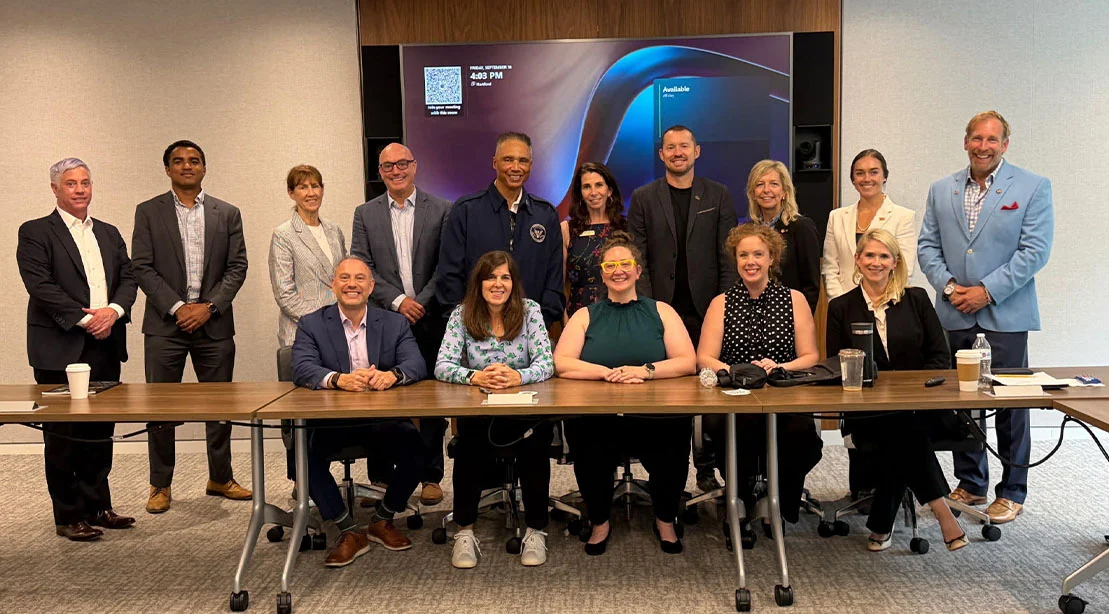
In an era where the battlefield is as much a digital and psychological frontier as it is a physical one, the preservation of the warfighter is a national security imperative. Recognizing this, the Tragedy Assistance Program for Survivors (TAPS) headquarters in Arlington, Virginia, recently hosted the fifth installment of Muscle & Fitness Senior Military Editor Rob Wilkins’ Military Health and Wellness Symposium.
The event served as a high-level clearinghouse for military leaders, medical researchers, and human performance experts. Their unified goal: to distill complex, evolving data into actionable strategies that service members, veterans, and their families can utilize to optimize their health, longevity, and operational readiness.
The Strategic Imperative: Why Knowledge Is National Security
The symposium was born from a simple but urgent premise: the science of human performance moves faster than institutional doctrine. As Rob Wilkins noted during the opening remarks, the rapid pace of discovery—from nutritional science to neurobiology—requires a more agile approach to how we train and sustain those in uniform.
“No one organization can generate all of the answers,” Wilkins explained. “We are bringing together a diverse cross-section of experts—from the Department of Defense to private sector wellness leaders—to bridge the gap between academic research and field application. We want people to have access to this information so they can serve longer, recover faster, and live healthier lives.”
For Wilkins, the physical and mental well-being of the force is not merely a personnel issue; it is a fundamental component of national security. A soldier who is optimized for performance is inherently more capable of executing mission-critical tasks under duress.
Chronology of the Symposium: A Multidisciplinary Approach
The day was structured to address the lifecycle of the service member—from the active-duty training cycle to the transition into civilian life, and even the generational impact on the families left behind.
The Holistic Health & Fitness (H2F) Framework
The morning sessions centered on the U.S. Army’s Holistic Health & Fitness (H2F) program. COL Jonathan D. Lesher and physical therapist Amy Cates provided a deep dive into the program’s "five pillars": physical, mental, nutritional, spiritual, and sleep.
The conversation shifted from theoretical wellness to the hard realities of tactical performance. The H2F model emphasizes the integration of interdisciplinary teams—strength coaches, nutritionists, and physical therapists—directly into the brigade structure. The primary objective is the mitigation of injury and the acceleration of recovery.
“A stronger soldier is harder to kill, period,” COL Lesher stated, highlighting that the program is not about aesthetic fitness, but about combat lethality and survivability.
Post-Service Readiness and Financial Health
As the symposium transitioned to life after service, the tone shifted toward empowerment. Financial expert David Vardeman addressed the often-overlooked necessity of financial wellness as a pillar of mental health. Simultaneously, Dr. Lynda Davis, Chief Veterans Experience Officer at the Department of Veterans Affairs (VA), outlined the evolving landscape of VA support. She underscored that the VA is undergoing a cultural shift, prioritizing active listening and proactive outreach to ensure that no veteran is left to navigate their transition in isolation.
“If a veteran is in trouble, we are going to be there,” Dr. Davis affirmed, reinforcing the government’s commitment to providing a safety net that is both accessible and responsive.
Supporting Data: The Science of Supplements and Sleep
As the symposium progressed, the focus moved toward evidence-based interventions in diet and recovery.
The Regulatory Landscape of Supplements
Andrea Lindsey, Senior Nutrition Scientist and Director of Operation Supplement Safety (OPSS), delivered a sobering reality check regarding the supplement industry. With new products hitting the market daily, the risk of contamination or mislabeling is at an all-time high.
Lindsey provided specific guidelines for service members:
- Caffeine Management: Limit energy drinks to a maximum of 200mg of caffeine per serving.
- Third-Party Verification: Prioritize products that have been independently tested for safety and ingredient accuracy.
- The Peptide Crisis: Lindsey warned of the rising popularity of peptides, urging extreme caution as the long-term health implications of these substances remain largely unknown and poorly regulated.
The Sleep Mandate
Perhaps the most critical technical segment of the day came from Dr. Sara Algar and Dr. Tina Burke of the Walter Reed Army Institute of Research. Their research reinforced the non-negotiable nature of sleep. They argued that seven hours of sleep is the absolute minimum requirement for cognitive function, emotional regulation, and physical recovery.
The consequences of sleep deprivation are not just "tiredness"—they include diminished testosterone production, impaired decision-making under fire, and a significantly higher rate of injury. Dr. Algar was clear: "Until you break the cycle of sleep deprivation, it will keep perpetuating. We cannot train our way out of a sleep deficit."
Emotional Resilience: Leadership Under Pressure
The symposium’s final sessions addressed the psychological architecture of the service member. Dr. Gabriel Paoletti of the Uniformed Services University (USU) facilitated a discussion on mental health that moved beyond the clinical, framing it instead as a leadership competency.
A standout moment featured Dr. Elizabeth "Elise" Van Winkle, former Assistant Secretary of Defense for Readiness. Dr. Van Winkle offered a candid account of her tenure, admitting that the extreme pressures of the role took a toll on her own health. She drew a vital distinction between "resilience" (the ability to bounce back) and "readiness" (the state of being prepared).
She emphasized that for military leaders, vulnerability is often viewed as a weakness, but in reality, it is a prerequisite for sustained performance. "It may be harder to talk about your struggles, but that is when it is most important," Van Winkle noted. "Saying it out loud makes you vulnerable, but that vulnerability is what pulls you back together into one person."
Generational Impact and Future Implications
The symposium concluded by looking outward, considering how these wellness lessons might apply to the next generation. Bob Marple, principal of Brambleton Middle School, discussed the importance of early physical literacy and the role parents play in fostering healthy habits before a child even considers military service.
Additionally, Ashlee Henson of the Cooper Aerobics Wellness Program highlighted the universal application of these principles. Whether it is an elite operator or a senior citizen, the fundamental laws of human physiology—movement, nutrition, and recovery—remain the constant variables for a higher quality of life.
Looking Ahead
As the 5th Military Health and Wellness Symposium drew to a close, the consensus was clear: the military’s approach to human performance is undergoing a paradigm shift. The integration of data, the focus on mental health as a core component of readiness, and the push for better nutritional standards represent a new standard of care.
Rob Wilkins announced that plans are already underway for the sixth installment of the series, tentatively scheduled for January 2027. While the location and specific agenda remain in development, the mission remains fixed: to provide those who wear the uniform with the tools necessary to perform at the highest levels, both during their service and throughout their lives as veterans.
In a rapidly changing world, the symposium serves as a reminder that the most sophisticated weapon in the nation’s arsenal remains the human being—and that protecting the health of that individual is the ultimate strategic advantage.