





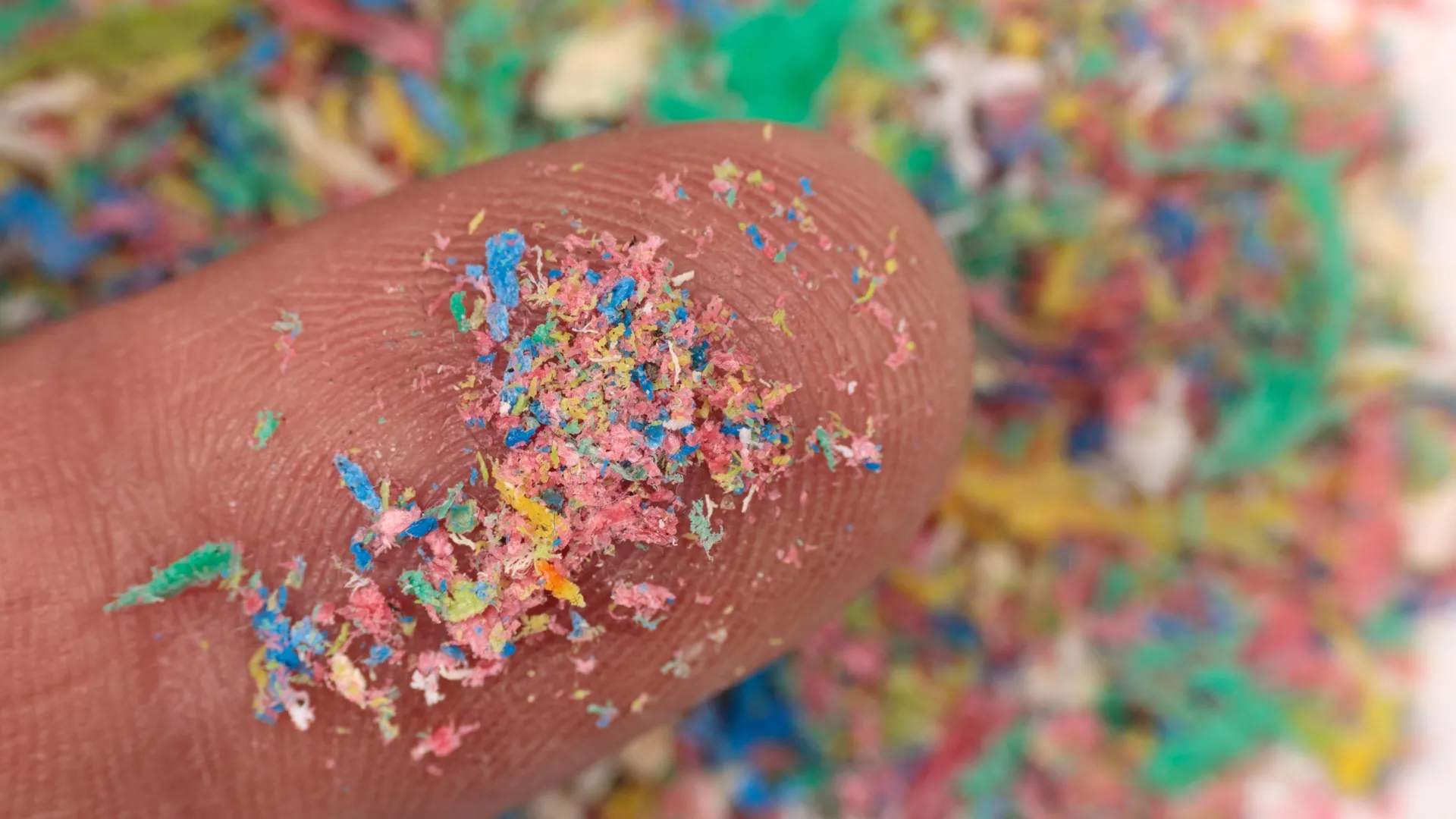
Introduction: The Invisible Threat
In an era where plastic permeates every facet of modern existence, from the deepest ocean trenches to the remote peaks of the Himalayas, a more insidious threat has emerged: nanoplastics. These ultrafine particles, measuring less than one micrometer—a mere fraction of the thickness of a human hair—have become an omnipresent component of the global ecosystem. Once ingested through food, water, or even inhalation, these particles pose a formidable challenge to human health, capable of crossing biological barriers and infiltrating vital organs, including the kidneys, liver, and the blood-brain barrier.
Amidst this growing public health crisis, a breakthrough discovery has emerged from the World Institute of Kimchi (WiKim). Researchers have identified a specific strain of lactic acid bacterium, Leuconostoc mesenteroides CBA3656, isolated from the traditional Korean fermented staple, kimchi. This microbial powerhouse has demonstrated a remarkable ability to bind to nanoplastics in the human gut, effectively facilitating their excretion and preventing their accumulation in the body.
The Nature of the Nanoplastic Crisis
To understand the significance of the WiKim study, one must first grasp the complexity of nanoplastic pollution. Unlike macroplastics, which are visible to the naked eye, nanoplastics are the product of the gradual degradation of larger plastic materials through UV radiation, mechanical wear, and chemical erosion.
Because of their sub-micron size, these particles exhibit unique physical and chemical behaviors. They can translocate from the gastrointestinal tract into the circulatory and lymphatic systems. Current scientific literature remains deeply concerned about the potential for long-term toxicity, including oxidative stress, inflammation, and metabolic disruption caused by these particles. Despite the urgency, medical science has struggled to find a biological strategy to mitigate their presence in the human body. Until now, most approaches have focused on environmental cleanup rather than internal detoxification.
Chronology of the Discovery
The path to this discovery was neither accidental nor overnight. It was the result of a systematic, multi-year investigation into the microbial biodiversity of kimchi.
- Phase I: Screening and Isolation (2020–2021): Researchers at the World Institute of Kimchi began by screening various lactic acid bacteria strains known for their probiotic benefits. The objective was to determine if any of these strains possessed inherent properties to bind with synthetic polymers.
- Phase II: Laboratory Adsorption Testing (2022): The team, led by Dr. Se Hee Lee and Dr. Tae Woong Whon, focused their attention on Leuconostoc mesenteroides CBA3656. They compared its efficacy against polystyrene nanoplastics (PS-NPs) under controlled laboratory conditions, measuring its ability to "capture" these particles.
- Phase III: Simulated Gut Environment Testing (2023): Recognizing that a laboratory beaker is not the human body, the researchers simulated the harsh, acidic, and complex environment of the human intestinal tract. This phase was crucial, as many probiotics fail once exposed to the digestive process.
- Phase IV: In Vivo Validation (2024): Finally, the team conducted experiments using a germ-free mouse model. This provided the "gold standard" of evidence, observing how the bacteria interacted with nanoplastics within a living biological system.
Supporting Data: Breaking Down the Science
The efficacy of Leuconostoc mesenteroides CBA3656 was validated through rigorous empirical data.
Comparative Adsorption Rates
In standard lab settings, the kimchi-derived CBA3656 performed exceptionally well, showing an 87% adsorption efficiency. This was comparable to the reference strain Latilactobacillus sakei CBA3608, which clocked in at 85%. However, the true test lay in the simulated intestinal environment. Under these conditions, the reference strain’s performance plummeted to a mere 3%. Conversely, strain CBA3656 remained resilient, maintaining a 57% adsorption rate.
This resilience is likely attributed to the unique surface structure of the bacteria, which allows it to maintain its binding affinity despite the presence of bile salts and fluctuating pH levels found in the human digestive system.
The Germ-Free Mouse Model
The animal trials yielded the most compelling evidence to date. By comparing a control group of germ-free mice against a group administered the CBA3656 strain, researchers observed a significant difference in fecal content. The mice that received the kimchi-derived probiotics excreted more than twice the amount of nanoplastics compared to the control group. This suggests that the bacteria acts as a "biological trap," binding to the plastic particles and ensuring they are passed out of the body rather than absorbed into the bloodstream.
Official Responses and Expert Perspectives
The announcement, spearheaded by Hae Choon Chang, President of the World Institute of Kimchi, highlights the shifting paradigm in food science.
"Plastic pollution is increasingly recognized not only as an environmental issue but also as a public health concern," Dr. Se Hee Lee noted in an official statement. "Our findings suggest that microorganisms derived from traditional fermented foods could represent a new biological approach to address this emerging challenge."
The research has sent ripples through the international scientific community, marking a pivot toward "functional probiotics." While probiotics have traditionally been associated with gut health and immune support, the idea that they could serve as a detoxification mechanism for environmental pollutants is a novel concept. The WiKim team has indicated that they intend to continue their research, exploring the broader potential of kimchi microbial resources as a solution to contemporary environmental and public health issues.
Broader Implications: A New Era for Probiotics
The implications of this study are far-reaching, extending beyond the confines of food science into the realms of toxicology, public health policy, and environmental medicine.
1. Functional Foods as Detoxification Agents
The study provides a scientific foundation for the concept of "detoxifying probiotics." If these findings hold true in human clinical trials, we may see a new generation of functional foods designed specifically to mitigate the health risks associated with modern industrial pollutants.
2. Validating Traditional Wisdom
This discovery provides a scientific validation for the cultural significance of kimchi. For centuries, traditional fermented foods have been associated with longevity and health. This research provides a modern, mechanistic explanation for why these foods are so beneficial: they don’t just support our internal health; they actively participate in protecting us from the external hazards of the modern world.
3. Future Clinical Applications
The road to clinical application is long, involving rigorous human safety trials and dosage standardization. However, the potential is clear: a probiotic supplement or an enriched diet could offer a non-invasive, cost-effective way to reduce the "body burden" of nanoplastics. For populations living in highly urbanized or industrialized areas where plastic exposure is higher, such an intervention could be transformative.
4. Environmental Stewardship
The research also underscores the necessity of interdisciplinary approaches. Solving the nanoplastic crisis will require a two-pronged strategy: reducing the emission of plastics into the environment and developing medical solutions for those already exposed. By linking fermented food science to environmental toxicology, the World Institute of Kimchi has opened a new front in the war against plastic.
Conclusion: The Path Ahead
The discovery by the World Institute of Kimchi serves as a reminder that nature often holds the solutions to the problems created by industrial advancement. While the battle against plastic pollution must ultimately be won through better waste management and a reduction in plastic production, the ability to mitigate the internal impact of these pollutants offers a vital safety net for human health.
As Dr. Lee and his team look toward future research, the global community watches with interest. The humble kimchi bacterium, Leuconostoc mesenteroides CBA3656, may well be on its way from the dinner table to the laboratory to become a frontline defender against one of the most pervasive health threats of the 21st century. The scientific community’s next steps will be to determine the longevity of this effect, the ideal dosage, and the long-term impact of consistent probiotic supplementation on the human body’s overall nanoplastic burden.
For now, the study stands as a beacon of hope—a testament to the fact that even in the microscopic world of bacteria, there are powerful tools waiting to be harnessed for the benefit of humanity.