









The landscape of oncology is standing at a critical juncture. For decades, the gold standard of cancer detection has relied on targeted, organ-specific screenings—mammograms for breast cancer, colonoscopies for colorectal cancer, and low-dose CT scans for lung cancer. However, these methods are inherently limited by their scope, often leaving many of the most lethal, aggressive cancers undetected until they have reached advanced, symptomatic stages.
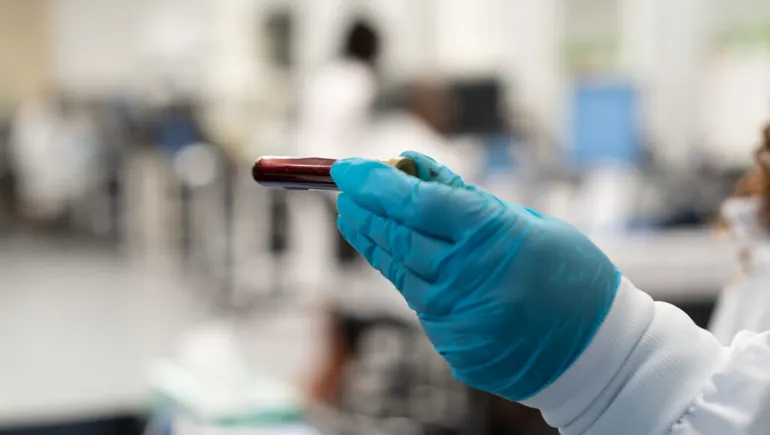
Enter the promise of Multi-Cancer Early Detection (MCED) technology. At the forefront of this innovation is Grail’s Galleri test, a liquid biopsy designed to detect a "cancer signal" across dozens of types of malignancy from a single blood draw. As an FDA advisory committee weighs the future of this technology, the medical community remains divided between the allure of a transformative diagnostic tool and the sobering reality of clinical evidence gaps.
The Mechanism: Decoding Methylation in Cell-Free DNA
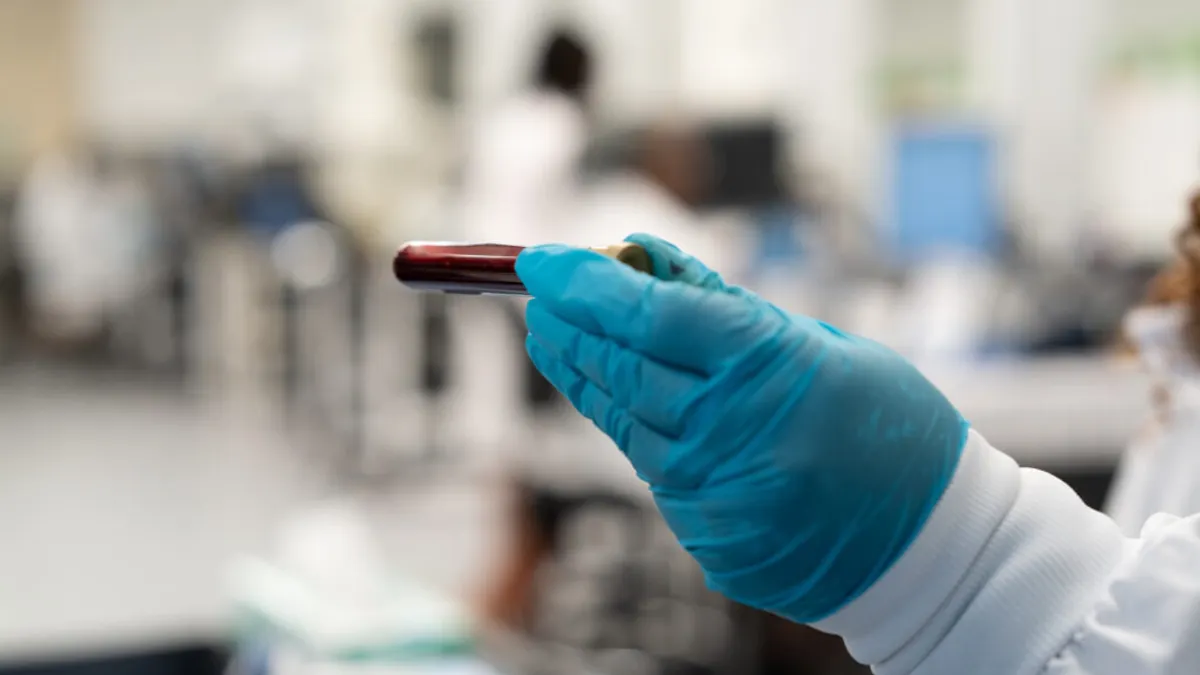
The Galleri test operates on the cutting edge of genomic science. Unlike traditional blood tests that look for proteins or tumor markers, Galleri analyzes cell-free DNA (cfDNA) circulating in the bloodstream. Specifically, the test utilizes proprietary technology to identify abnormal methylation patterns—chemical modifications to DNA that act as a biological "switch."
When cancer cells develop, they often shed fragments of DNA into the blood. These fragments retain the specific methylation signatures of the tissue of origin. By scanning these patterns, the Galleri test seeks to accomplish two feats: first, to determine whether a cancer signal is present, and second, to predict the anatomical site of the tumor. This "tissue-of-origin" signal is vital for clinicians who must then follow up with localized imaging or biopsies to confirm the diagnosis.
Chronology: From Lab-Developed Test to Regulatory Review
The journey of the Galleri test has been marked by rapid commercialization and intense scientific scrutiny:
- 2021: Grail introduces the Galleri test as a laboratory-developed test (LDT). Because LDTs operate under different regulatory frameworks, the company was able to bring the test to market without formal FDA premarket approval, allowing patients and physicians to access it as a supplemental screening tool.
- Ongoing (2023–2024): The NHS-Galleri trial, a massive prospective study in the United Kingdom, becomes the centerpiece of the test’s clinical evidence portfolio.
- Mid-2024: The trial reports that while the test failed to meet certain primary endpoints regarding the reduction of late-stage cancer diagnoses, it showed promise in identifying signals at earlier stages.
- Late 2024/2025: An FDA advisory committee convenes to discuss the clinical utility and safety profile of the test, marking a pivotal moment in the regulatory path toward formal authorization.
The Balancing Act: Promise vs. Clinical Caution
The core of the current debate involves a tension between patient empowerment and the risks of medical misinformation. During the recent advisory committee discussions, members of the panel expressed significant concerns regarding how a "negative" result might be interpreted by the general public.
The Risk of False Reassurance
A primary fear among oncology experts is that a negative result from a Galleri test could provide patients with a false sense of security. If a patient believes they are "cancer-free" because of a liquid biopsy, they may be less inclined to undergo invasive but proven screening procedures, such as a colonoscopy or a pap smear.
"The biggest concerns are people being falsely reassured and not getting recommended screening," said Deborah Armstrong, a professor of oncology at Johns Hopkins School of Medicine. For the medical community, the message is clear: Galleri must be marketed and understood strictly as a supplemental tool, not a replacement for standard-of-care diagnostics.
The Challenge of False Positives
Conversely, the "false positive" scenario presents a different, yet equally pressing, clinical burden. A positive result on an MCED test necessitates extensive, expensive, and often invasive follow-up diagnostic procedures. If a test indicates a cancer signal that cannot be located by PET scans or biopsies, the patient is left in a state of clinical limbo, facing psychological distress and unnecessary medical procedures.
Supporting Data: The Case for Early Detection
Despite these concerns, proponents of the technology—including many patients who have benefited from the test—argue that the potential for life-saving intervention outweighs the risks.
At the advisory committee meeting, the human element of the data was on full display. Kevin McFarland, a retired firefighter from Ohio, provided personal testimony on how the Galleri test identified his esophageal cancer at Stage 1. "To have this test catch my cancer that early, it truly saved my life," McFarland stated.
From a statistical standpoint, Grail has maintained that the test demonstrates a significant advantage in detecting cancers that otherwise lack screening methods. The company reports that, based on their data, the Galleri test has detected four to seven times more cancers compared to standard-of-care screening alone. Furthermore, the test shows a demonstrable shift toward earlier detection, which is the cornerstone of improved long-term survival rates in oncology.

The Scientific Gaps: A Call for Rigor
While the emotional and anecdotal evidence is compelling, regulatory bodies like the FDA require hard, reproducible data. Charity Morgan, a professor of biostatistics at the University of Alabama, noted that there is a deficiency in the data regarding the test’s sensitivity across specific cancer subtypes.
"We don’t have the evidence in front of us today to say this test can detect those types of cancers," Morgan remarked, highlighting that the failure to meet primary endpoints in the NHS-Galleri trial leaves unanswered questions about the test’s reliability for a broad spectrum of malignancies. The scientific community is calling for more granular data that demonstrates how the test performs across various age groups, genetic backgrounds, and cancer stages before it can be fully endorsed for widespread clinical adoption.
Implications for the Future of Healthcare
The eventual regulatory decision on the Galleri test will set a precedent for the entire field of liquid biopsy. If approved, it would mark the first FDA-authorized multi-cancer screening device, signaling a paradigm shift in how we approach preventative medicine.
1. Integration into Primary Care
If authorized, the challenge will shift to primary care providers. Physicians will need to be trained to counsel patients on the limitations of the test. The "informed consent" process for a Galleri test will need to be robust, ensuring that every patient understands that a "clear" result is not a clean bill of health for all possible cancers.
2. The Economic Impact
The cost-effectiveness of mass-market MCED testing remains an open question. Insurance coverage for such tests is unlikely until long-term survival data proves that the early detection of these cancers reduces overall healthcare expenditures by preventing the need for costly late-stage treatments.
3. A Catalyst for Further Innovation
Regardless of the immediate FDA outcome, the work done by Grail has accelerated the development of similar technologies. The focus on methylation patterns has opened new avenues for research into how we can monitor cancer recurrence in survivors, potentially creating a "liquid surveillance" system that could replace more frequent imaging for patients in remission.
Conclusion: A Tool, Not a Panacea
The consensus among experts remains cautious yet optimistic. The Galleri test represents a technological leap that could fundamentally alter the mortality rates of "silent" cancers—those that develop in the pancreas, esophagus, and ovaries, where symptoms rarely appear until the disease has progressed.
However, the medical community’s insistence that this technology remain an adjunct to—not a substitute for—guideline-recommended screening is a vital safety guard. The future of oncology will likely be defined by a multi-layered approach: traditional, localized screenings for high-risk, common cancers, bolstered by the broad, systemic surveillance of liquid biopsies. As the regulatory process continues, the focus must remain on ensuring that these powerful tools are used with the precision, skepticism, and clinical rigor that patient safety demands.
The promise of early detection is vast, but it is a promise that must be kept with the backing of definitive, long-term clinical evidence. For now, the medical world waits, watching the intersection of genomics and regulatory policy, hoping that the next generation of diagnostics will finally tip the scales in the fight against cancer.