








For decades, the concept of a "bespoke" cancer vaccine—one tailored specifically to the genetic blueprint of a single patient’s tumor—was the stuff of scientific ambition and speculative fiction. Today, that vision has shifted from the laboratory bench to the clinical vanguard.
In a landmark announcement that marks a turning point in modern medicine, pharmaceutical giants Merck and Moderna have reported positive topline results from the Phase 3 INTerpath-001 clinical trial. The study evaluated intismeran autogene, an individualized mRNA-based cancer vaccine, in tandem with the immune checkpoint inhibitor pembrolizumab (Keytruda®), in patients with high-risk, surgically resected melanoma.
This success represents more than just a positive data readout; it is the first time a Phase 3 trial has validated an individualized neoantigen therapy and an mRNA-based cancer vaccine. As the medical community digests these results, it becomes clear that we are entering a new era of cancer immunotherapy—one defined by precision, customization, and the convergence of decades of immunological discovery.
The Core Breakthrough: How It Works
To understand the magnitude of this achievement, one must distinguish between traditional vaccines and therapeutic cancer vaccines. While a standard vaccine is designed to prevent a pathogen from ever taking hold, intismeran is a therapeutic intervention. It does not prevent cancer; it teaches the immune system to hunt and destroy it.
The Science of "Personalization"
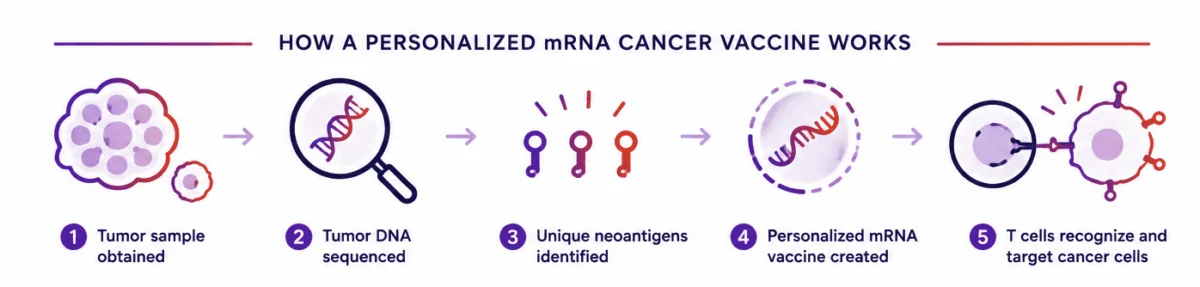
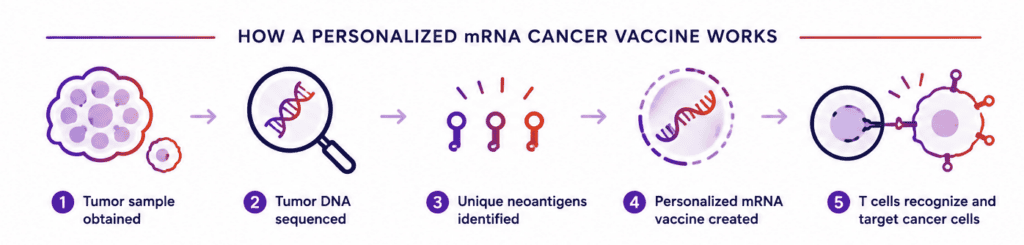
The process begins with the patient’s own tumor. Researchers perform a deep genomic analysis of the malignant tissue to identify unique mutations. These mutations often manifest as "neoantigens"—proteins present on the surface of cancer cells that are entirely absent in healthy tissue.
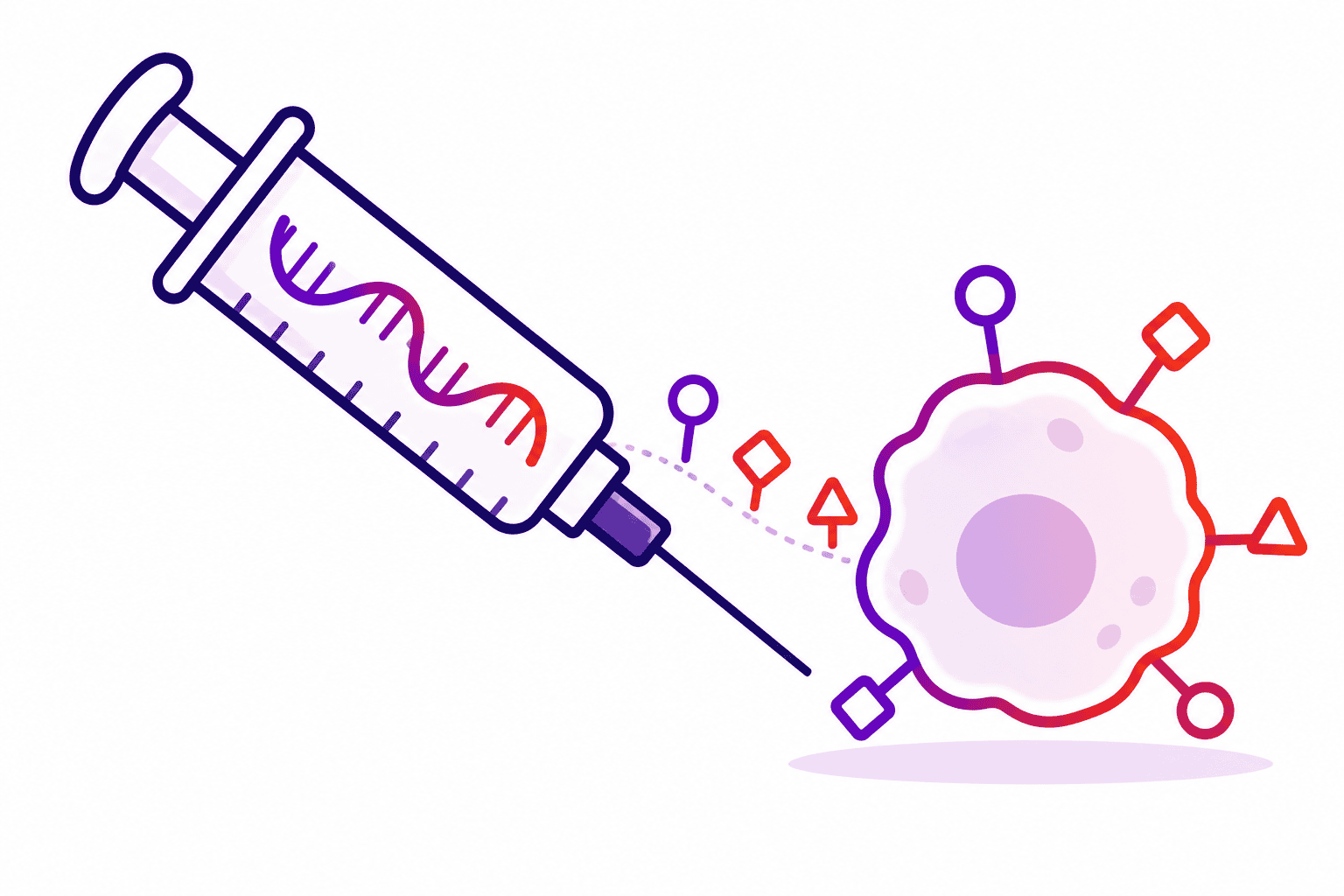
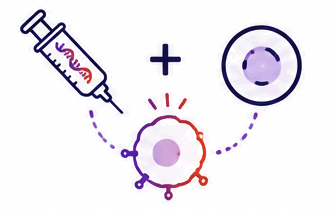
By identifying these specific neoantigens, scientists can encode the genetic instructions for these markers into mRNA. When this vaccine is injected, it acts as a high-fidelity "Wanted" poster for the immune system, training T cells to recognize and infiltrate tumors that were previously hiding in plain sight.
The "Brake" and the "Accelerator"
However, simply recognizing the cancer is not always enough. Tumors are masters of deception, often utilizing natural immune checkpoints—biological "off switches"—to suppress the activity of patrolling T cells.
This is where the synergy of the combination therapy comes into play. If the vaccine serves as the guide for the immune system, Keytruda serves as the liberator. By blocking the PD-1 checkpoint, the drug prevents the tumor from turning off the immune response, effectively removing the "brakes" on the patient’s T cells and allowing them to mount a sustained, lethal attack against the cancer.
A Chronology of Discovery: Building the Foundation
The success of INTerpath-001 did not happen in a vacuum. It is the culmination of seventy years of research championed by organizations like the Cancer Research Institute (CRI).
- The 1950s: The BCG Milestone. CRI’s founding director, Dr. Lloyd J. Old, pioneered the use of the Bacillus Calmette-Guérin (BCG) vaccine to stimulate immune responses against tumors in mice. This work laid the groundwork for the first FDA-approved cancer immunotherapy.
- The 2000s: The Cancer Vaccine Collaborative. In 2001, CRI and the Ludwig Institute for Cancer Research established a global network to accelerate vaccine testing. This network conducted nearly 60 early-phase trials, shifting the focus from "one-size-fits-all" antigens to the study of individualized, durable immune responses.
- 2011–2018: The Checkpoint Revolution. CRI-funded researcher Dr. James P. Allison revolutionized oncology by demonstrating that blocking immune checkpoints could lead to long-term remission in patients with advanced cancers. His work earned the 2018 Nobel Prize, fundamentally changing how we treat solid tumors.
- 2021–2023: The mRNA Era. The rapid development of COVID-19 vaccines proved that mRNA technology was safe and scalable. The 2021 William B. Coley Award, given to pioneers Katalin Karikó, Drew Weissman, Uğur Şahin, and Özlem Türeci, recognized the foundational mRNA research that now powers the intismeran vaccine.
Clinical Data and Evidence
The INTerpath-001 trial was a massive undertaking, enrolling 1,137 patients across the globe with stage IIB–IV cutaneous melanoma. All patients had undergone surgery to remove their tumors, a standard but high-risk scenario where the threat of recurrence remains significant.
The study compared two groups: those receiving the combination of intismeran and Keytruda, and those receiving Keytruda alone. According to the interim analysis:
- Recurrence-Free Survival (RFS): The combination therapy provided a statistically significant improvement in the duration of time patients remained cancer-free.
- Distant Metastasis-Free Survival (DMFS): Patients receiving the vaccine saw a significant reduction in the rate at which cancer spread to other organs.
While the exact magnitude of the Phase 3 benefit is pending public release, the results align with data from the Phase 2b trial, which reported a 49% reduction in the risk of recurrence or death and a 59% reduction in the risk of distant metastasis or death. These figures suggest that the vaccine provides a potent additive effect that standard immunotherapy cannot achieve on its own.
Official Perspectives and Implications
The pharmaceutical industry and the academic oncology community have hailed these results as a watershed moment.
"This trial proves that we can harness the unique genetic signature of a patient’s tumor to create a highly specific therapeutic tool," stated representatives from the research coalition. However, they are quick to temper the excitement with the realities of clinical implementation.
Overcoming Logistical Hurdles
If individualized cancer vaccines are to become a standard of care, the medical industry faces significant infrastructure challenges:
- Manufacturing Speed: Each dose of intismeran is custom-manufactured. Creating a scalable supply chain that can produce personalized vaccines in a timeframe relevant to a patient’s treatment schedule is a Herculean task.
- Cost and Access: High-tech, personalized medicine carries a high price tag. Ensuring equitable access across different health systems will require a radical rethink of current oncology reimbursement models.
- Regulatory Frameworks: Because each vaccine is unique, regulatory agencies must develop new protocols for evaluating the safety and efficacy of "living" treatments that change from patient to patient.
The Road Ahead: Beyond Melanoma
The success in melanoma is merely the opening chapter. Researchers are already looking at how this mRNA technology can be applied to other solid tumors, including lung, pancreatic, and colorectal cancers. The goal is to move toward a future where a patient’s genomic profile is the primary map for their treatment plan, replacing broad-spectrum therapies with highly targeted, intelligent immune responses.

Conclusion: A New Chapter in the Fight Against Cancer
The results of the INTerpath-001 trial demonstrate that the skepticism surrounding cancer vaccines—once a subject of intense scientific debate—has been replaced by a new, evidence-based reality.
For seven decades, the Cancer Research Institute and its global partners have invested in the belief that the immune system, if properly guided, is the most powerful weapon against cancer. By marrying the precision of mRNA technology with the persistence of checkpoint inhibitors, researchers have created a blueprint for future therapies.
As we look toward the future, the focus will shift from if these therapies work to how we can make them accessible to every patient who needs them. The story of the personalized cancer vaccine is far from over; in fact, it is only just beginning. The success of this trial serves as a powerful reminder that in the face of one of humanity’s most daunting challenges, persistence, interdisciplinary collaboration, and the bravery to test "impossible" ideas remain our best path to a cure.