








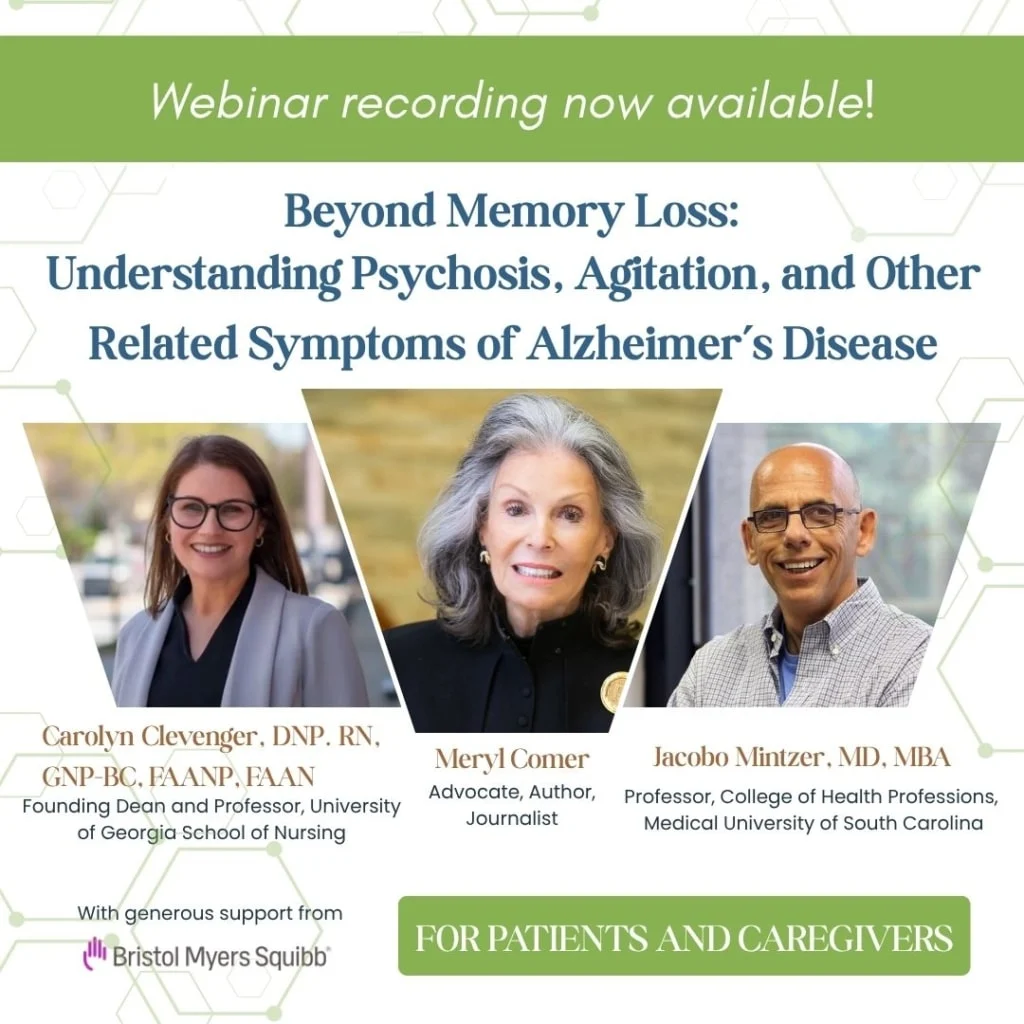
For decades, the public narrative surrounding Alzheimer’s disease has been dominated by a single, narrow lens: memory loss. While the erosion of cognitive function is undeniably the hallmark of the disease, it represents only a fragment of the harrowing reality faced by millions of families. Beyond the forgotten names and misplaced keys lies a secondary, often more distressing crisis: the onset of neuropsychiatric symptoms (NPS).
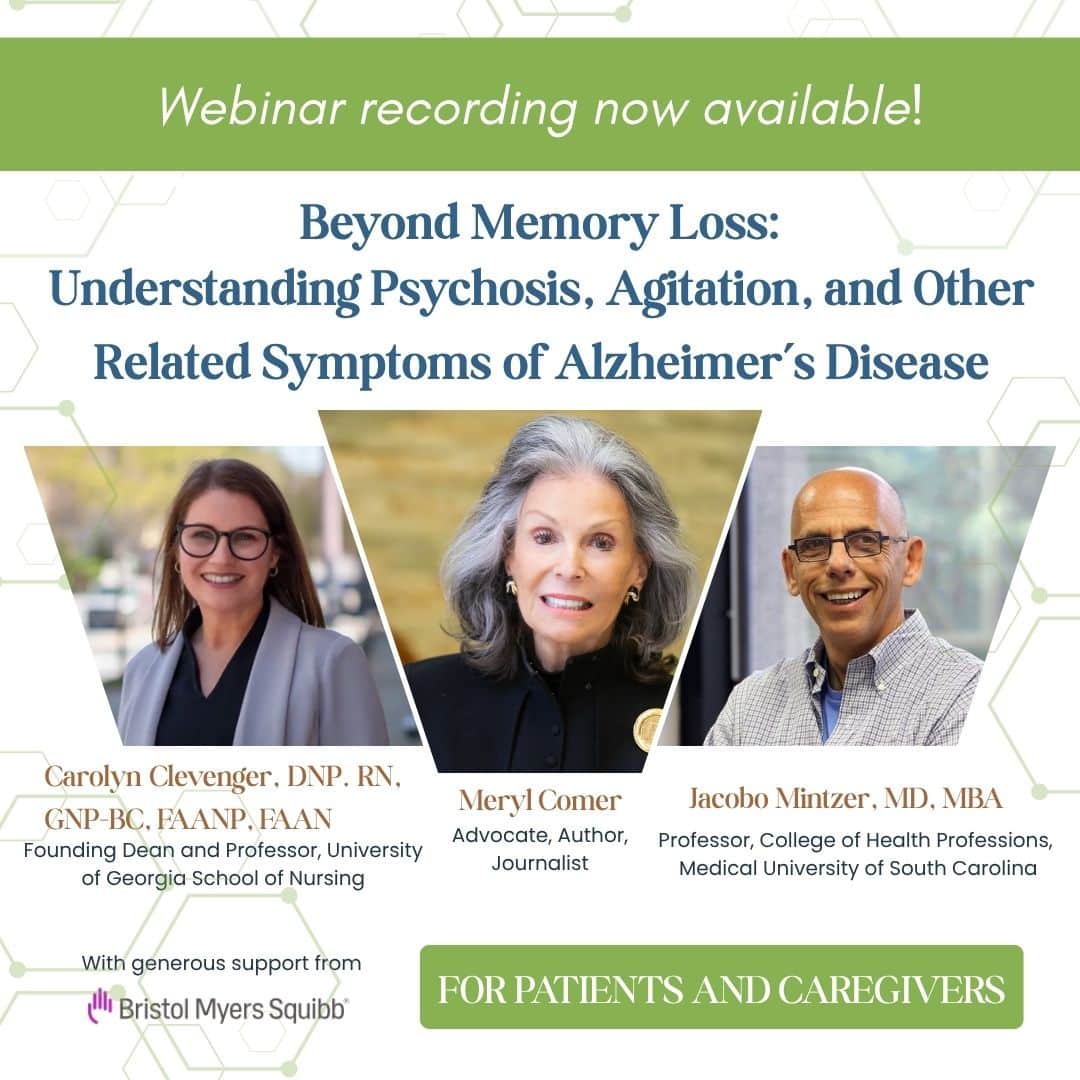
To address this critical gap in public awareness, the Alliance for Aging Research recently hosted a landmark webinar, Beyond Memory Loss: Understanding Psychosis, Agitation, and Other Symptoms in Alzheimer’s Disease. With support from Bristol Myers Squibb, the initiative sought to strip away the stigma surrounding behavioral changes and provide a lifeline of education for caregivers, clinicians, and patients alike.
The Scope of the Crisis: Defining Neuropsychiatric Symptoms
Alzheimer’s disease is frequently misunderstood as a condition of mere forgetfulness. However, the clinical reality for those living with the disease—and those who care for them—is far more complex. Neuropsychiatric symptoms (NPS) encompass a wide array of behavioral manifestations, including anxiety, depression, apathy, sleep disturbances, wandering, and the profound challenges of psychosis and agitation.
These symptoms are not merely "behavioral problems" or manifestations of a difficult temperament; they are clinical expressions of neurodegeneration. Despite their prevalence, they remain widely misunderstood, often dismissed by the public and even some medical professionals as "willful" behavior. This misconception leads to catastrophic outcomes: caregivers may feel isolated, patients may be improperly medicated or institutionalized, and the essential human connection between the patient and the caregiver is severed.
A Chronology of Engagement: From Planning to Global Reach
The development of the Beyond Memory Loss webinar was a meticulous three-month endeavor, driven by the Alliance’s commitment to evidence-based advocacy. The goal was simple yet ambitious: to transform clinical data into accessible, actionable guidance.
- The Planning Phase: Over twelve weeks, organizers collaborated with leading experts to synthesize the latest research on NPS, ensuring the content addressed the most pressing concerns voiced by the Alzheimer’s community.
- The Live Event: The webinar drew an audience of more than 3,000 live participants, a testament to the urgent, unmet need for information regarding behavioral symptoms.
- Post-Event Impact: The momentum continued long after the live stream ended. To date, the recording has been viewed nearly 30,000 times, signaling a global hunger for resources that move beyond the basic science of dementia to address the daily, visceral reality of caregiving.
Expert Insights: Reframing the Caregiver’s Perspective
The webinar featured a powerhouse panel of experts: advocate Meryl Comer, alongside Dr. Carolyn Clevenger and Dr. Jacobo Mintzer. Together, they dismantled the stigma of behavioral symptoms, urging a fundamental shift in how we perceive the patient’s experience.
Symptoms, Not Choices
A central theme of the discussion was the necessity of reframing behaviors. Dr. Mintzer and Dr. Clevenger emphasized that when a patient with Alzheimer’s wanders or displays aggression, they are not making a conscious choice to be difficult. Instead, they are attempting to communicate an unmet need or reacting to a distorted reality.
For example, the panel discussed:
- Wandering: Rather than viewing this as a safety risk to be contained, caregivers are encouraged to view it as a functional need for movement or a quest for a sense of purpose.
- Psychosis: When a patient sees or hears things that are not there, it is a symptom of brain changes, not a failure of character.
- Agitation: This is frequently a response to environmental stress, pain, or confusion.
Meryl Comer, who has shared her own experiences with her husband’s journey, offered a deeply personal look at the emotional toll of "living inside her husband’s version of reality." Her testimony served as a bridge between clinical theory and the lived experience, helping to validate the suffering of thousands of caregivers who feel they are "losing" their loved ones twice—first to the memory loss, and then to the personality-altering behaviors.
Supporting Data: The Cost of Silence
The isolation inherent in managing NPS is perhaps the most dangerous aspect of the disease. Data suggests that caregivers dealing with behavioral symptoms report significantly higher levels of stress, depression, and physical health decline than those caring for individuals with memory loss alone.
The influx of correspondence following the webinar confirmed this data. Emails from across the country poured into the Alliance, detailing stories of exhaustion, confusion, and the profound loneliness of being the primary caregiver for someone whose personality has fundamentally shifted. The overwhelming response underscores a systemic failure: the healthcare infrastructure is often ill-equipped to provide the emotional support necessary to navigate these specific, volatile symptoms.
Clinical Implications: Management and Treatment Options
A significant portion of the webinar was dedicated to practical education on management and treatment. The experts emphasized a multi-faceted approach:
- Assessment: Accurate diagnosis is the first step. Clinicians must rule out underlying physical causes, such as urinary tract infections or medication side effects, which can often exacerbate agitation.
- Non-Pharmacological Interventions: The panel advocated for creative solutions. Using music therapy to ease distress, modifying the environment to reduce overstimulation, and maintaining consistent routines are all effective strategies that do not involve medication.
- Pharmacological Support: When necessary, medical treatment can play a role, but it must be monitored closely to ensure the benefits outweigh the potential side effects.
- Advocacy: The panelists urged caregivers to be their own best advocates. They encouraged attendees to keep asking questions, to push for comprehensive evaluations, and to demand support systems that recognize the severity of NPS.
Official Responses and The Path Forward
The success of the Beyond Memory Loss initiative has set a new standard for how patient advocacy groups can intervene in the Alzheimer’s space. By providing a platform where expert knowledge meets empathetic storytelling, the Alliance has moved the needle on public discourse.
"What you’re doing is hard, and you’re doing it well." These words from Dr. Clevenger, delivered at the close of the webinar, provided a much-needed morale boost to an audience that often feels invisible. The Alliance’s commitment to this topic remains steadfast, with plans to continue providing resources that empower families to navigate the complexities of this disease with dignity.
Conclusion: A Call to Action
The journey of Alzheimer’s disease is a marathon, not a sprint, and the emotional and behavioral components of the disease are often the most grueling miles. As the population ages, the number of individuals living with these symptoms will only increase, making the education provided by the Alliance more critical than ever.
The Beyond Memory Loss webinar was more than just a training session; it was a reclamation of the human experience within the clinical setting. By acknowledging the reality of psychosis, agitation, and wandering, and by treating these symptoms with the same scientific rigor and compassion as memory loss, we can improve the quality of life for both the person with the disease and the caregiver.
As we look toward the future of dementia care, the message is clear: the path forward requires not just better medication, but better understanding. Caregivers are the backbone of the Alzheimer’s response, and they deserve not only our support but the tools to transform their caregiving experience from one of isolation to one of informed, empowered engagement.
Watch the full recording of the webinar here.
Katrin Werner-Perez serves as the Director of Health Programs at the Alliance for Aging Research.