










By Wellness Desk Staff
Published September 29, 2026
In an era defined by hyper-connectivity and the sedentary nature of the digital workspace, the "workday slump" has evolved from a mere feeling of lethargy into a genuine physiological crisis. Prolonged periods of sitting, hunched over keyboards and screens, have led to an epidemic of musculoskeletal tension, characterized by chronic neck pain, restricted shoulder mobility, and compressed lumbar regions.
Jaffer Hussain, a certified yoga instructor renowned for his expertise in athletic performance and functional movement, suggests that the solution to this modern ailment does not require an hour-long gym session or a dedicated studio space. Instead, he advocates for the power of the "micro-practice"—a brief, intentional reset that targets the specific areas of the body most affected by desk-bound labor.
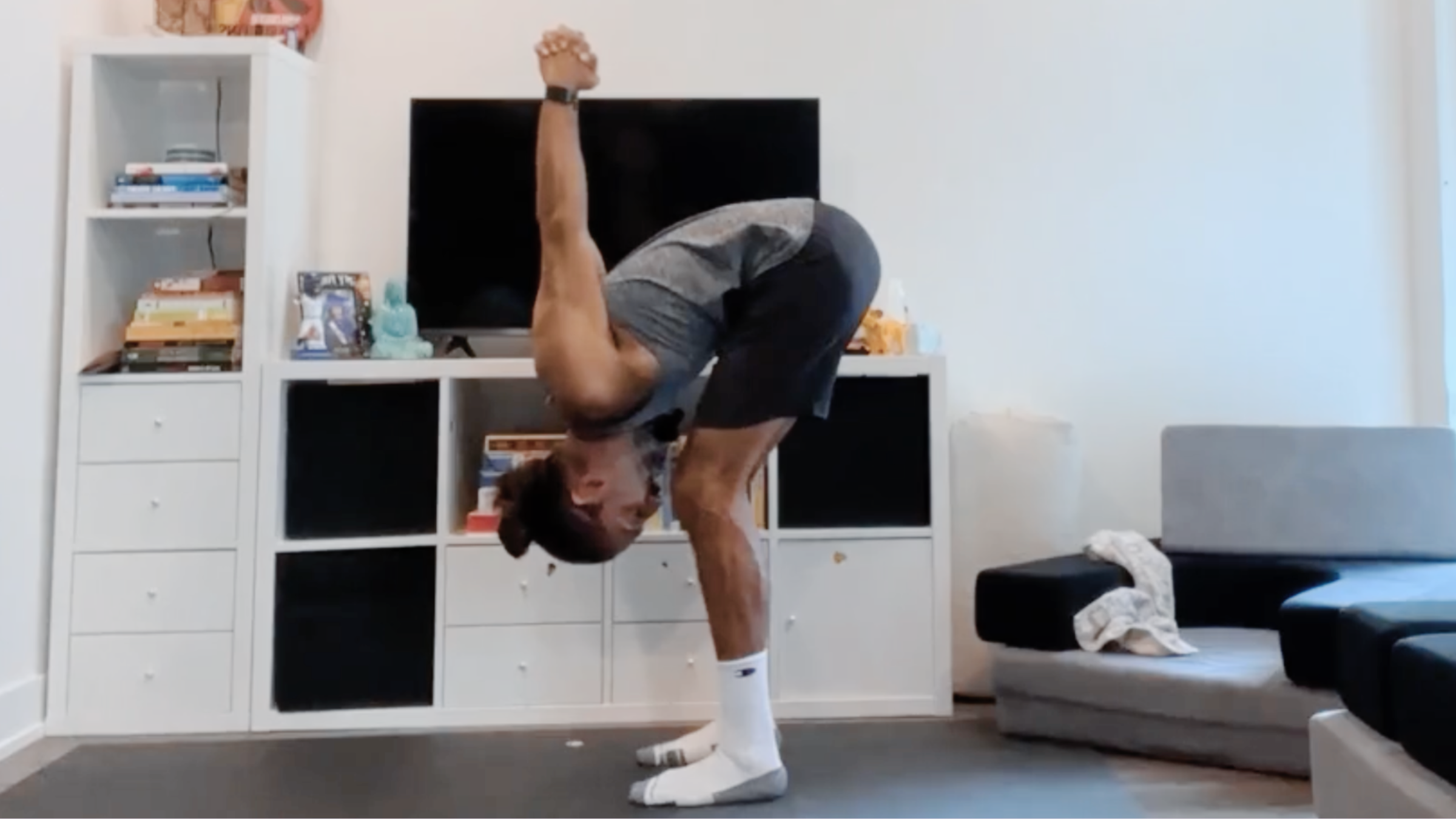
"All you need is your body, your breath, and a conscious desire to loosen the habitual tightness that accumulates during the workday," Hussain says. His curated three-minute sequence is designed to be accessible to anyone, regardless of their workspace limitations.
The Anatomy of the Desk-Bound Slump: Main Facts
The primary culprits of the "workday slump" are postural fatigue and the lack of dynamic movement. When we sit for extended periods, the hip flexors tighten, the glutes become inhibited, and the chest muscles (pectorals) shorten, pulling the shoulders forward. This "hunched" posture creates a domino effect: the neck strains to compensate, the upper back rounds, and the low back absorbs the impact of a compromised spine.
According to ergonomic research, even small interventions can mitigate the long-term impact of these sedentary habits. By introducing brief periods of spinal extension, lateral flexion, and thoracic rotation, individuals can interrupt the cycle of stagnation. Hussain’s sequence is not merely a stretching routine; it is a neurological and physical reset that signals to the central nervous system that the "fight or flight" stress response induced by a high-pressure workday can be deactivated.
Chronology of the Micro-Practice
This three-minute sequence is meticulously ordered to warm up the spine, release peripheral tension, and eventually integrate the body back into a neutral, balanced state.
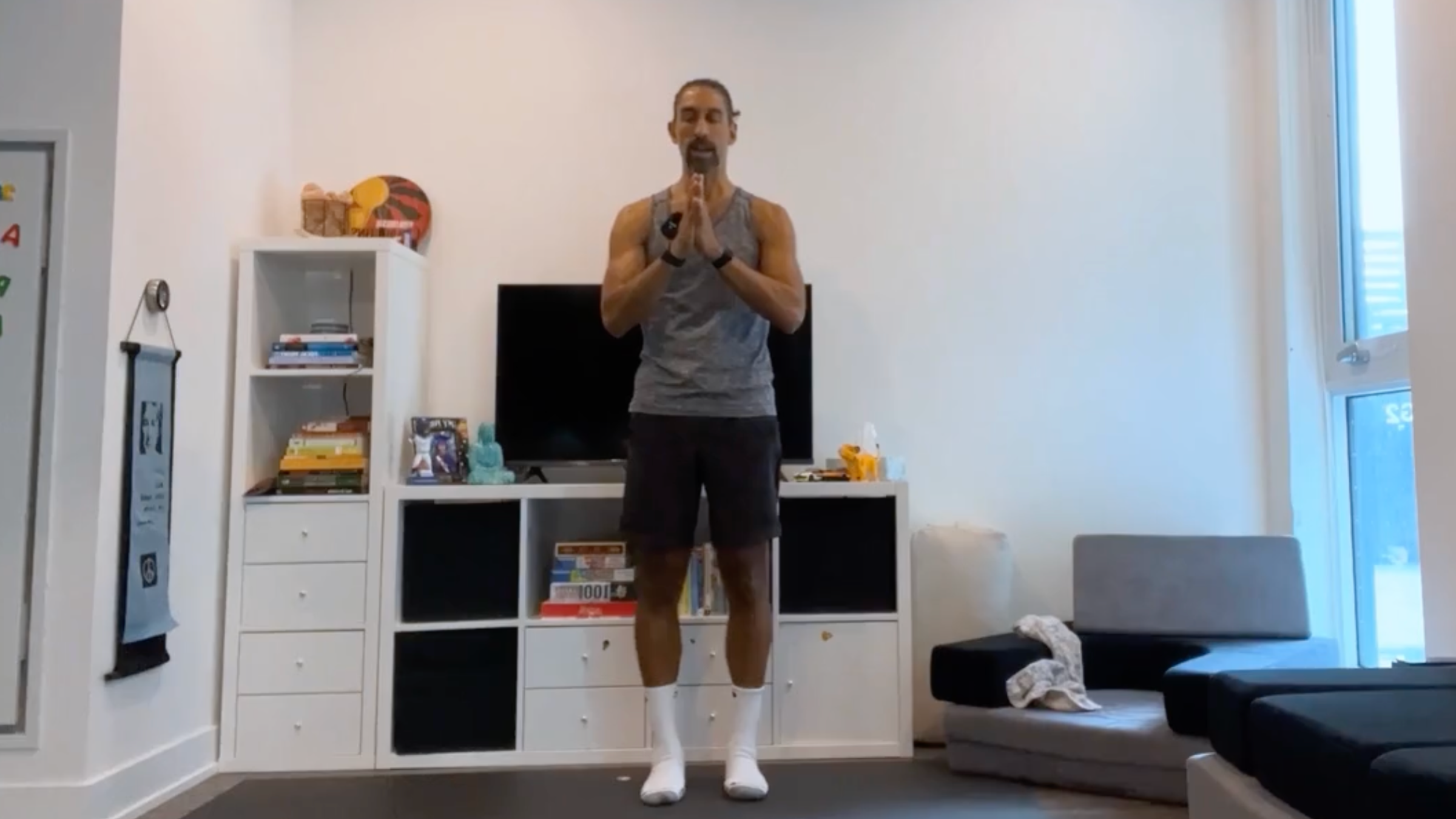
1. Mountain Pose (Tadasana) – The Foundation
The practice begins in Mountain Pose, the fundamental standing posture of yoga. By bringing the hands to heart center and rooting the feet firmly into the floor, the practitioner establishes a vertical axis. This acts as a corrective measure against the forward-leaning posture inherent in office work.
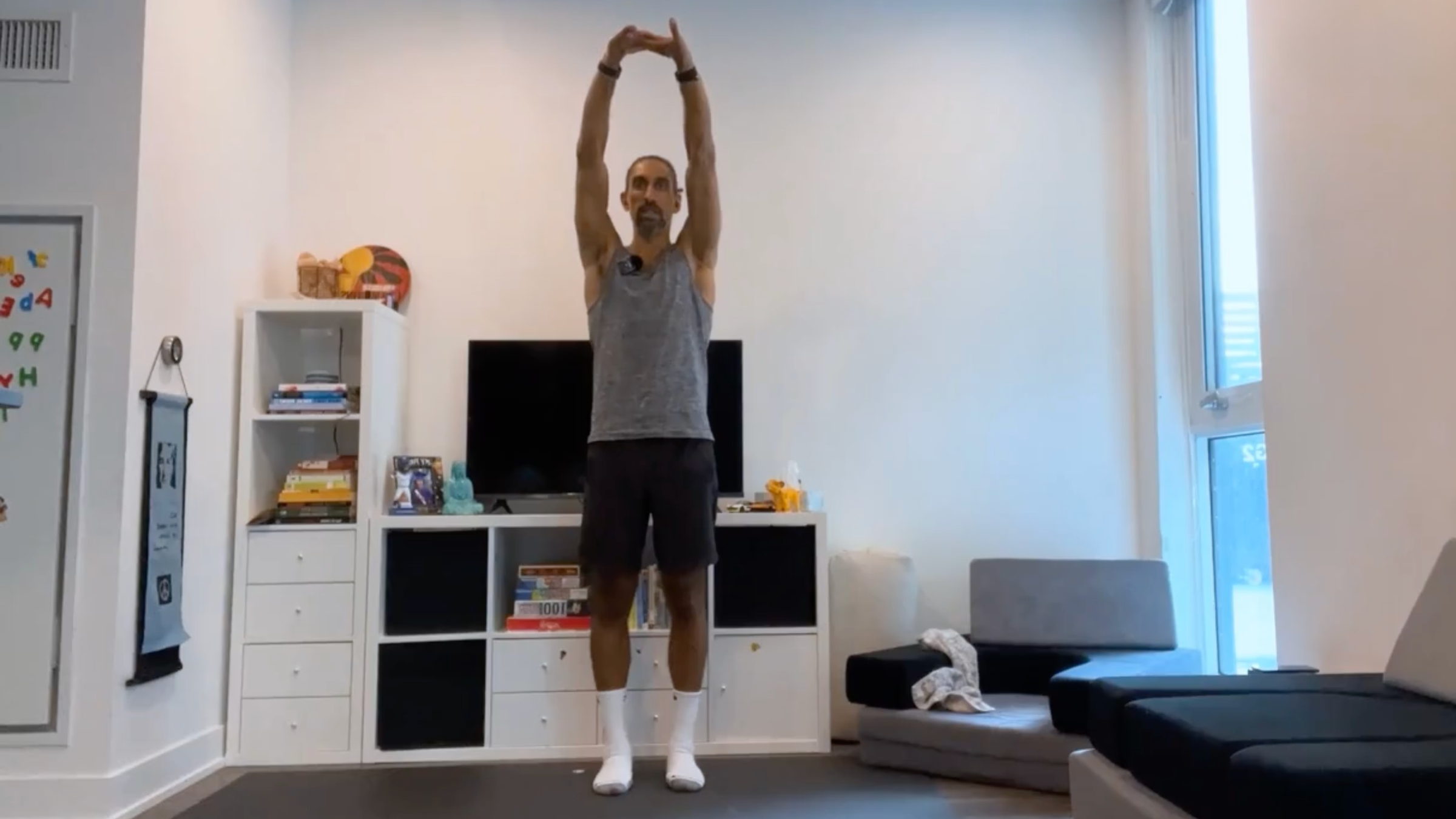
2. Upward Salute Variation (Urdhva Hastasana)
Interlacing the fingers and pressing the palms toward the ceiling serves to decompress the wrists and forearms—areas often taxed by typing. This movement engages the lats and shoulders, stretching the intercostal muscles between the ribs, which allows for deeper, more efficient breathing.
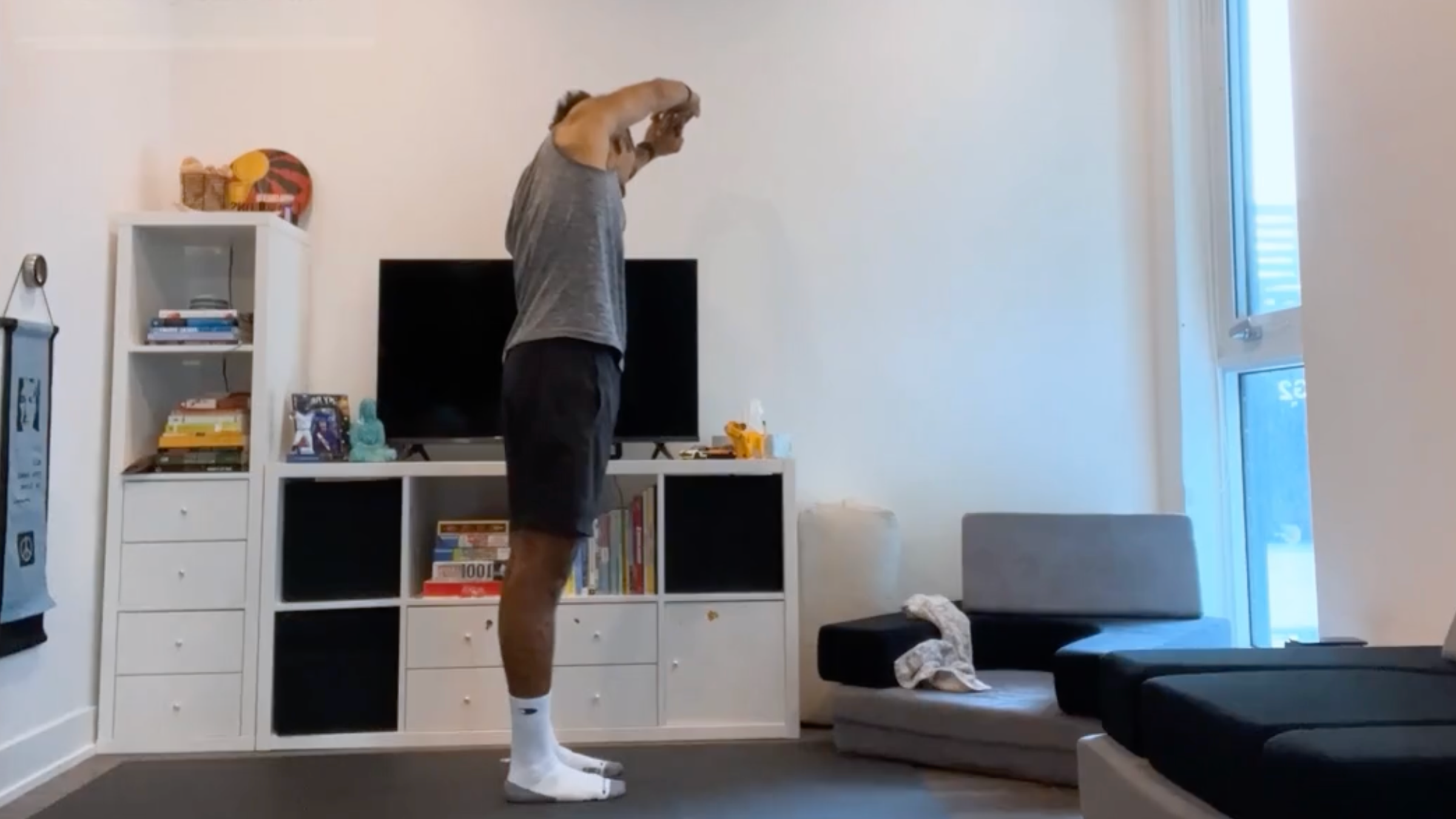
3. Standing Side Bend
This lateral movement is critical for the quadratus lumborum, a deep abdominal muscle that often becomes tight from sitting. By shifting the hips and gazing toward the pinky toe, the practitioner creates space in the lateral spine, alleviating the lateral compression that leads to hip and lower back discomfort.
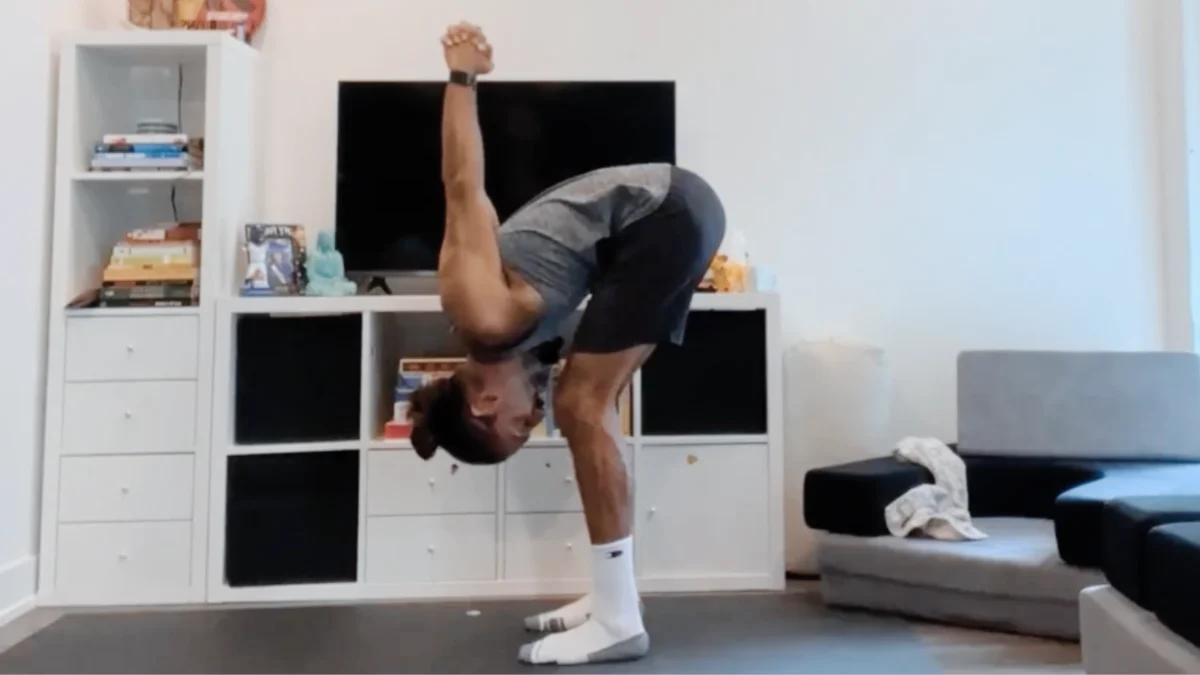
4. Standing Forward Bend Variation
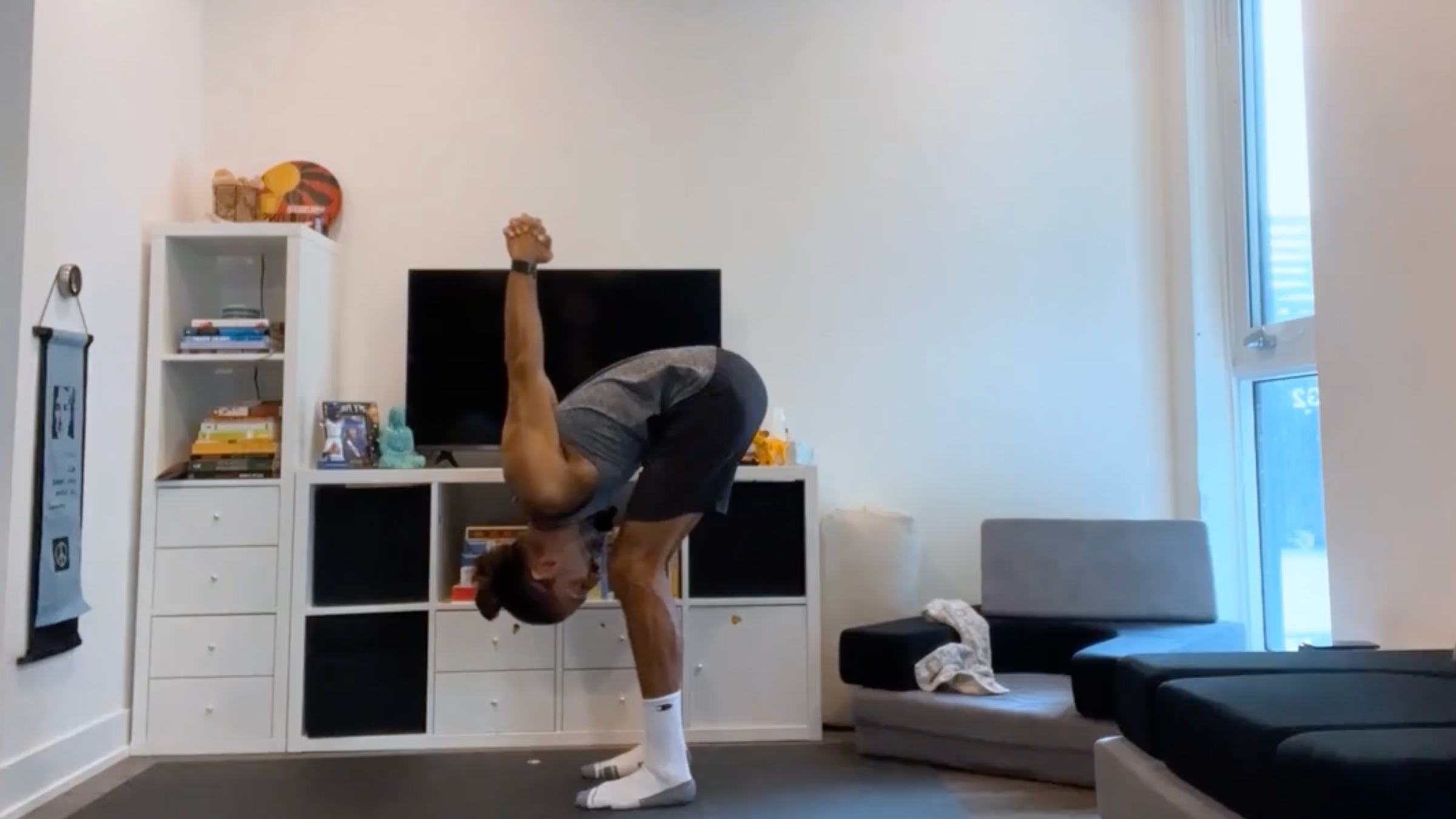
By interlacing the fingers behind the back, the practitioner opens the chest and retracts the scapulae. This directly counters the "tech-neck" and rounded-shoulder posture. Folding forward allows the weight of the head to provide traction for the cervical spine, while the optional use of a strap or towel makes this accessible for those with limited shoulder mobility.
5. Halfway Lift and Revolved Forward Bend
The transition into a halfway lift engages the core, protecting the lower back, while the revolved variation introduces a gentle spinal twist. Twisting is essential for spinal health, as it promotes circulation in the discs and encourages mobility in the thoracic spine, which is frequently locked in a static position during long meetings.
Supporting Data: Why Micro-Movements Matter
Scientific studies on "sedentary breaks" have shown that brief bursts of movement—as short as two to three minutes—significantly reduce the risk of metabolic decline and musculoskeletal pain. Research published by the American Journal of Physical Medicine & Rehabilitation suggests that breaking up sitting time improves blood glucose regulation and muscle activation patterns.
Hussain’s method leverages "intuitive movement"—a concept where the practitioner listens to their body’s specific needs. When pedaling the feet during a forward bend, for example, the practitioner is essentially performing a self-directed myofascial release, targeting the tight hamstrings and calves that become stagnant after hours of immobility.
Official Perspective: The Instructor’s Philosophy
Jaffer Hussain emphasizes that this practice is not just about physical relief, but about the psychological shift that occurs when one changes their physical state. "When we are stuck at a desk, we are often stuck in a mindset," Hussain notes. "The physical act of opening the chest and lengthening the spine forces a shift in perspective. It’s a way to tell yourself, ‘I am stepping out of this narrow, screen-focused vision and back into my full body.’"
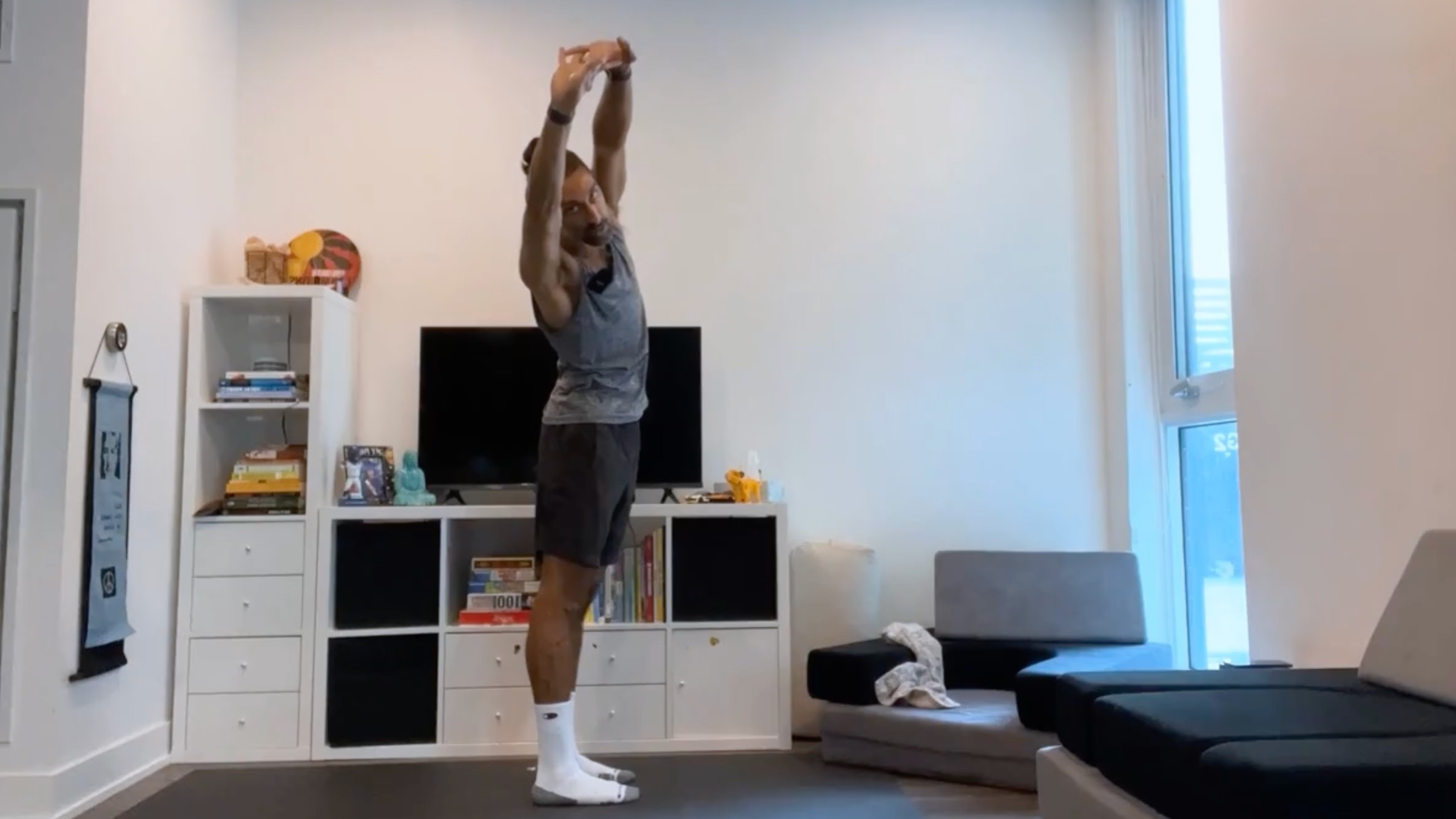
The inclusion of props, such as a hand towel or yoga strap, is a deliberate choice by Hussain to make the practice inclusive. By removing the barrier of "flexibility requirements," he encourages employees who may feel intimidated by traditional yoga to participate in a way that feels safe and beneficial for their specific level of tension.
Implications for the Modern Workplace
The rise of remote and hybrid work has blurred the lines between living spaces and workspaces, often leading to improvised ergonomic setups. The implications of Hussain’s sequence are significant:
- Productivity Gains: By reducing physical pain, employees can maintain focus for longer durations without being distracted by discomfort.
- Reduced Absenteeism: Regular movement reduces the cumulative micro-trauma that leads to repetitive strain injuries (RSIs) and chronic back pain, which are among the leading causes of workplace absenteeism.
- Mental Health: The integration of breathwork (Pranayama) within the movement sequence serves as an immediate stress-reduction tool, helping to regulate cortisol levels during high-pressure work periods.
The "Office-Ready" Mindset
One of the most profound implications of this practice is the democratization of wellness. Because the sequence requires no mat and minimal space, it can be performed in a cubicle, a home office, or even a quiet hallway. It transforms the "break time" from a passive act—such as scrolling through social media—into an active restorative process.
Sustaining the Practice
To derive the maximum benefit, Hussain suggests integrating this three-minute routine at least twice per day—perhaps mid-morning and mid-afternoon. The goal is to prevent the "locking" of muscles before they reach a point of acute tension. By making this a habitual part of the workday, employees can transition from a state of postural depletion to one of mindful restoration.
"Consistency is the secret ingredient," Hussain concludes. "You don’t need a perfect hour of yoga to feel the benefits. You need three minutes of intentional, focused movement to reclaim your body from the demands of your desk."
As the landscape of work continues to shift toward digital-first environments, the tools for physical maintenance must shift as well. Hussain’s approach serves as a reminder that the human body was designed for movement, and even in the most sedentary of environments, we hold the power to move, stretch, and reset our way to better health.