






Published: October 4, 2026
In an era where the pace of modern life often outstrips our ability to recover, the demand for accessible, restorative wellness practices has reached an all-time high. For many, the primary barrier to maintaining a consistent yoga practice is not lack of desire, but the logistical hurdles of the commute and the specialized equipment often associated with studio-based sessions. Addressing this need, renowned YouTube instructor Yoga With Kassandra has released a one-hour yin yoga sequence designed to replicate the immersive studio experience within the comfort of one’s own home—specifically engineered for those without access to traditional props.
Main Facts: Bringing the Studio Home
Yin yoga is a slow-paced style of yoga that incorporates traditional Chinese medicine principles, with asanas (poses) held for longer periods than in other styles. While typically prop-intensive—relying on bolsters, blocks, and straps to modify poses—this new sequence prioritizes accessibility.
The session is led by Yoga With Kassandra, a veteran instructor with over a decade of experience guiding thousands of students. The practice is designed to target the body’s connective tissues, specifically the hips, hamstrings, shoulders, and spine. By removing the requirement for props, the class democratizes the practice, proving that profound physical and mental restoration does not require a commercial studio environment or expensive equipment.
The Core Philosophy: Three Pillars of Yin
To understand the efficacy of this sequence, one must adhere to the three foundational principles of yin yoga:
- Finding Your Edge: This involves moving into a pose to the point of sensation, rather than forcing the body into a maximum stretch. The goal is to avoid over-stretching or damaging muscles, instead finding a position that provides a "good" stress to the tissues.
- Holding for Time: Unlike vinyasa or power yoga, which focus on movement and flow, yin yoga requires sustained holds. In this one-hour class, each pose is held for approximately three minutes, allowing the deeper layers of fascia to release.
- Resolving to be Still: The stillness is the "magic" of yin. By minimizing fidgeting, the practitioner directs the stress of the pose toward the joints and connective tissue rather than the superficial muscles. This stationary focus encourages a meditative state that calms the nervous system.
Chronology of the Practice
The sequence is carefully structured to move the body through a gradual, restorative arc. Below is the chronological breakdown of the one-hour session.
1. The Centering Phase
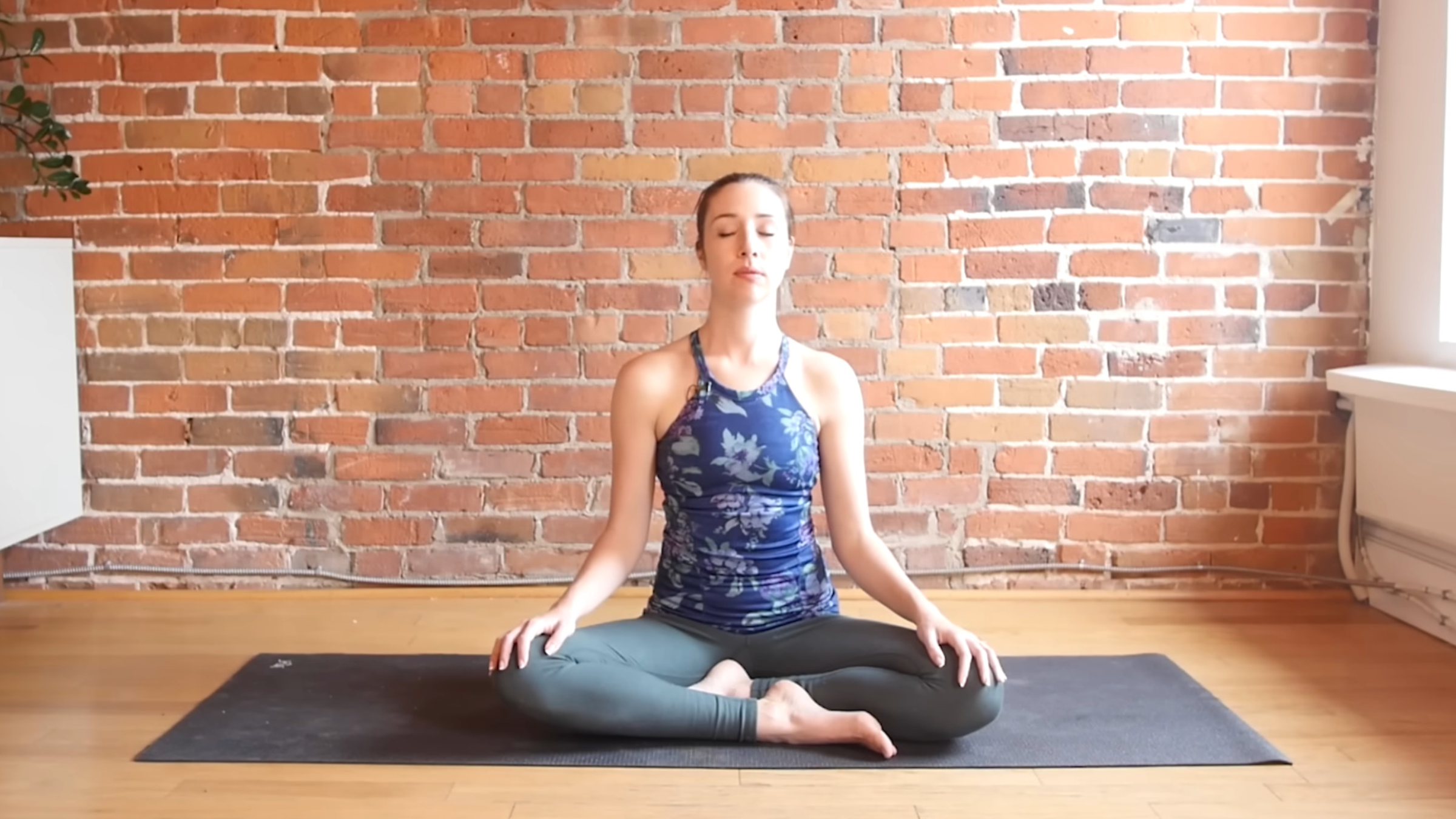
The practice begins with a seated meditation, which can be done cross-legged, kneeling, or with back support against a wall. The focus here is a full-body scan. By systematically relaxing the facial muscles, jaw, neck, shoulders, and moving downward through the torso and limbs, the practitioner creates a baseline of ease. This body scan serves as a recurring motif throughout the practice, helping students identify and release hidden tension during longer holds.
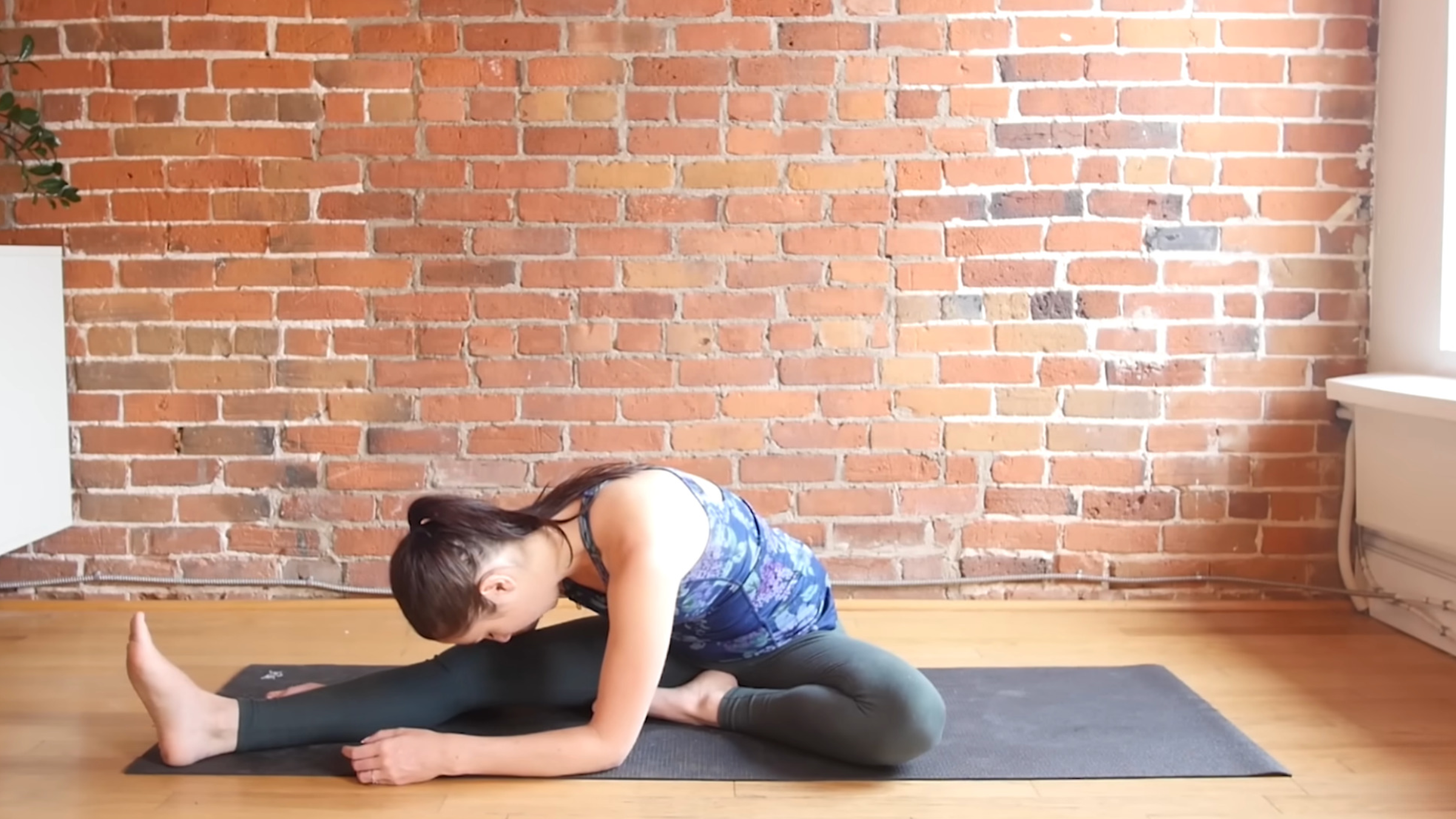
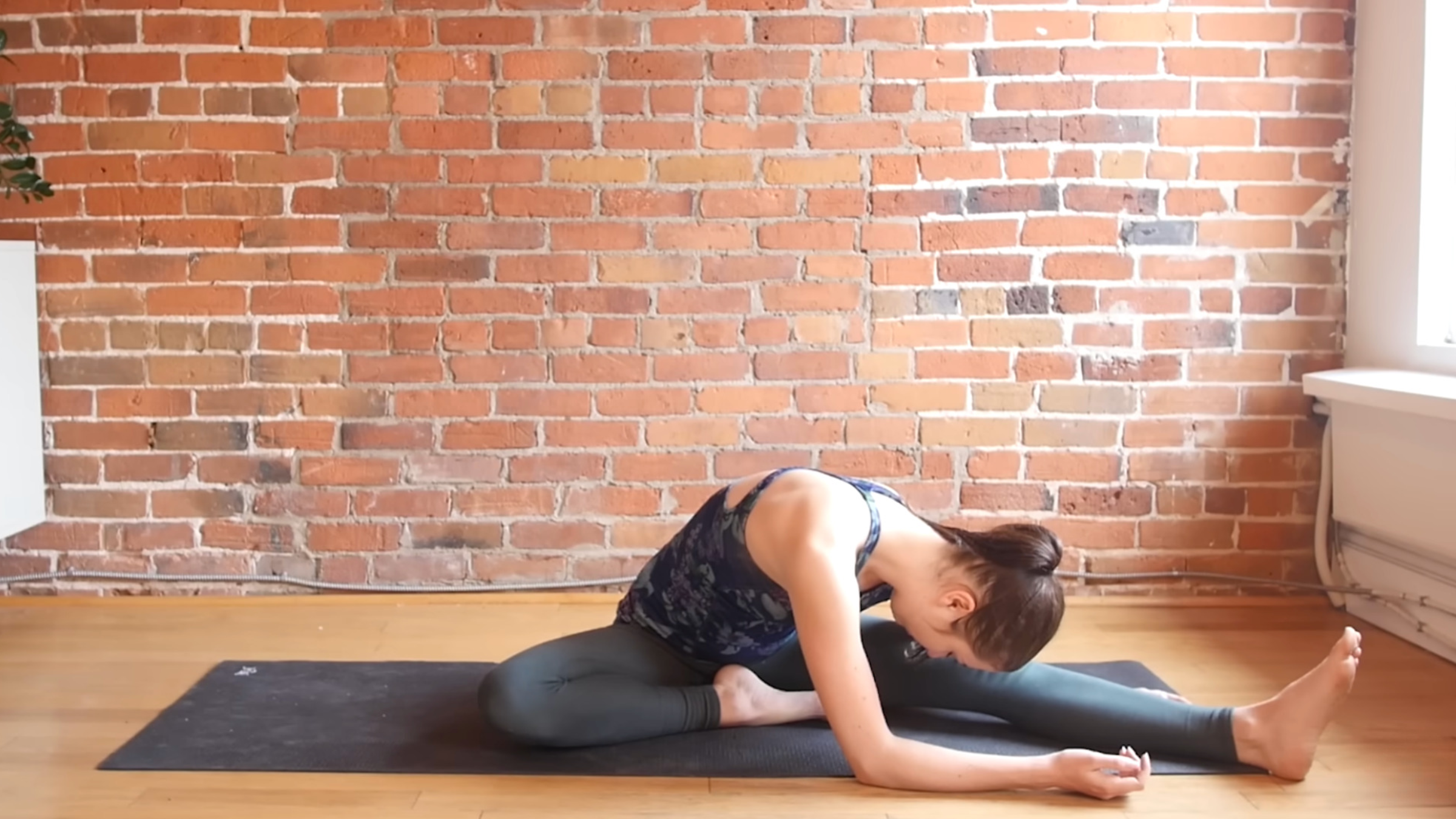
2. Lower Body Openers: Half Butterfly
Transitioning into deep hip and hamstring work, the Half Butterfly pose involves extending one leg while folding over it, with the other foot tucked toward the inner thigh. This pose encourages the body to round naturally. By keeping palms facing upward, students are reminded to let go of the urge to pull or push, fostering a sense of surrender that is central to the yin philosophy.
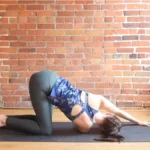
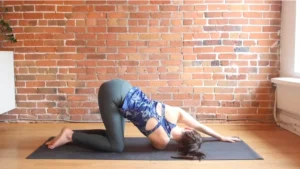
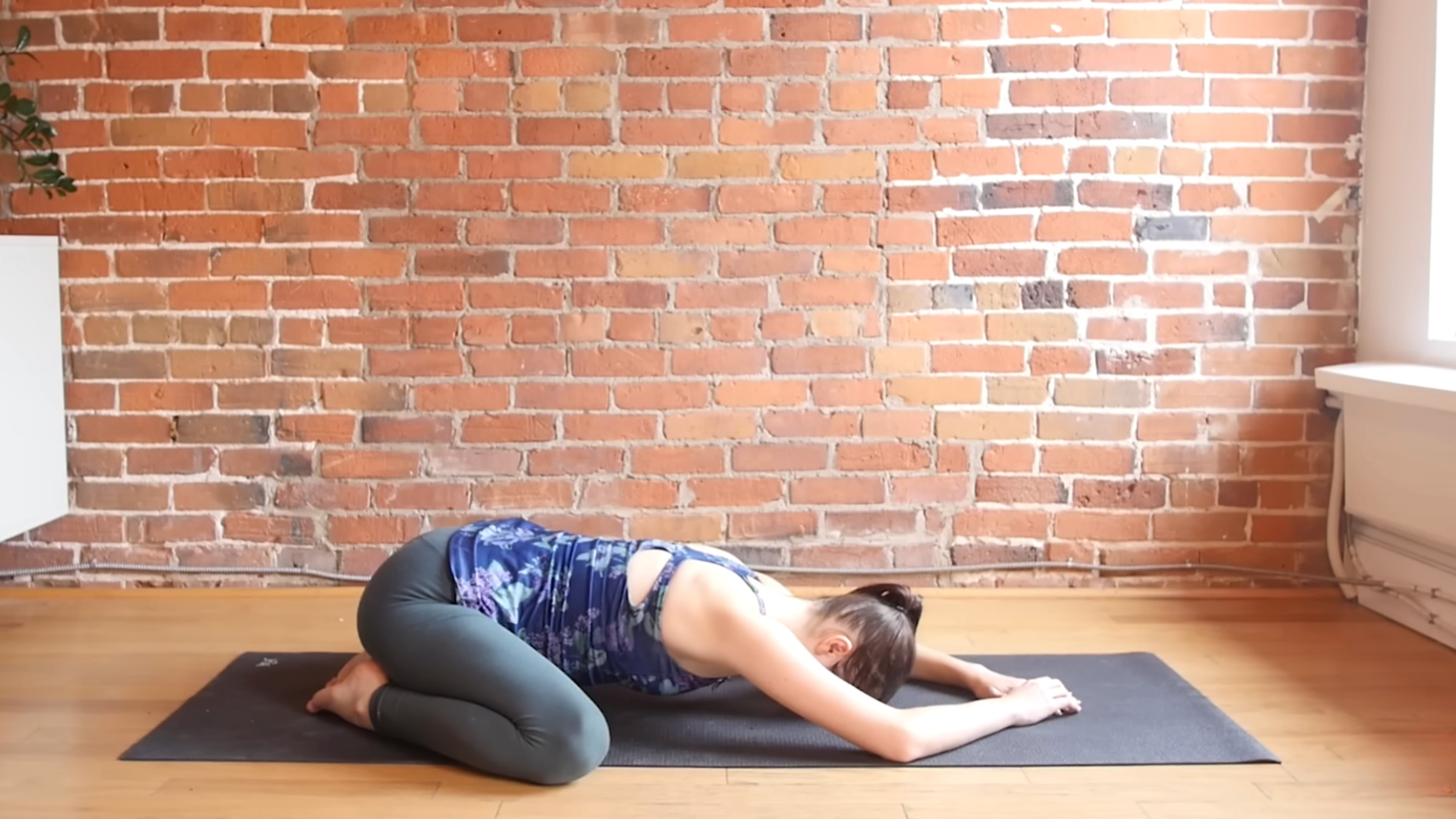
3. Release and Recovery: Child’s Pose
Acting as a bridge between more intense stretches, Child’s Pose allows the hips to open further. By adjusting the width of the knees, students can customize the intensity. This pose is crucial for the "stillness" aspect of the practice, providing a moment of neutral spine recovery before moving into more targeted upper-body work.
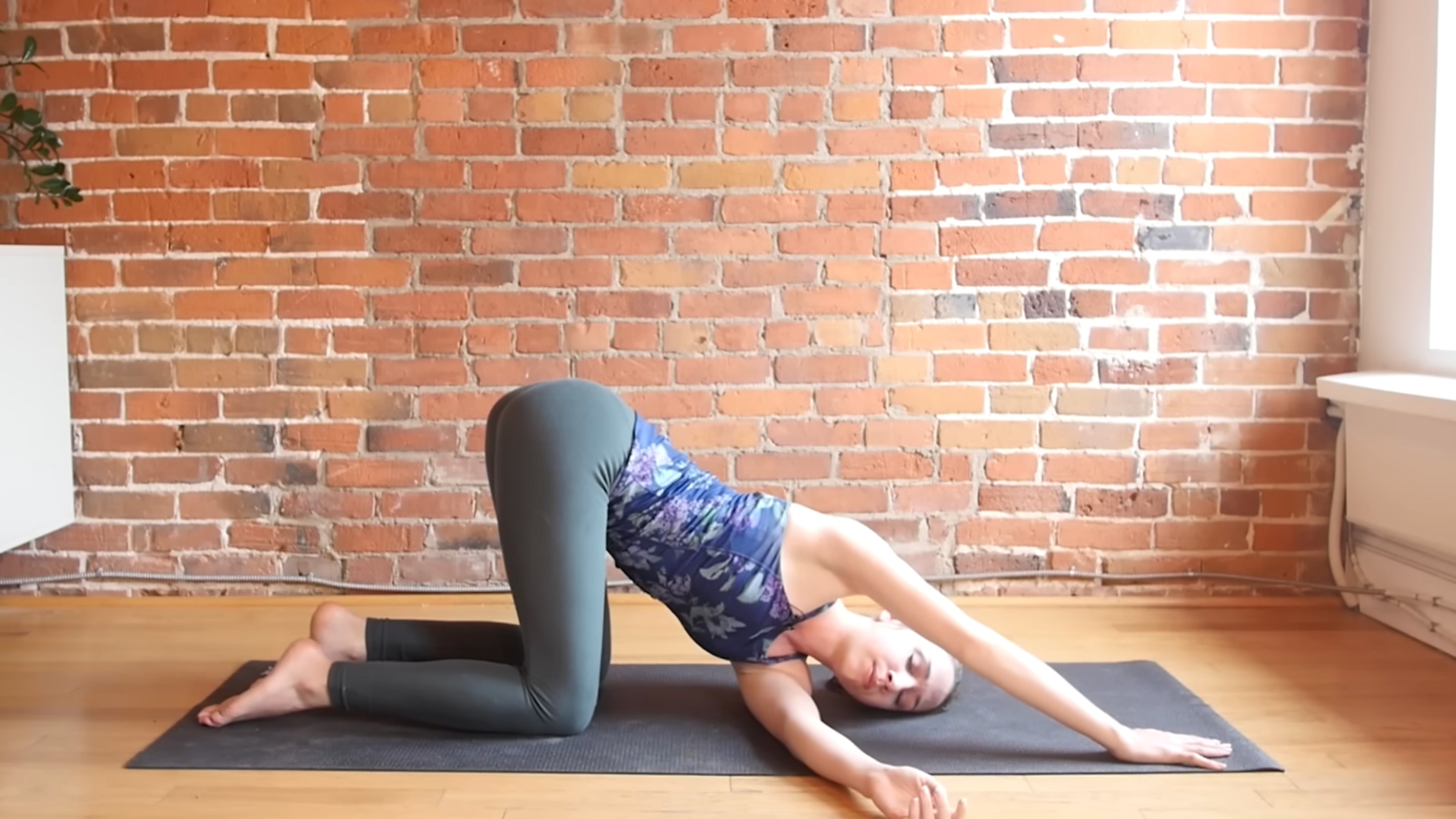
4. Upper Body and Spine: Thread the Needle
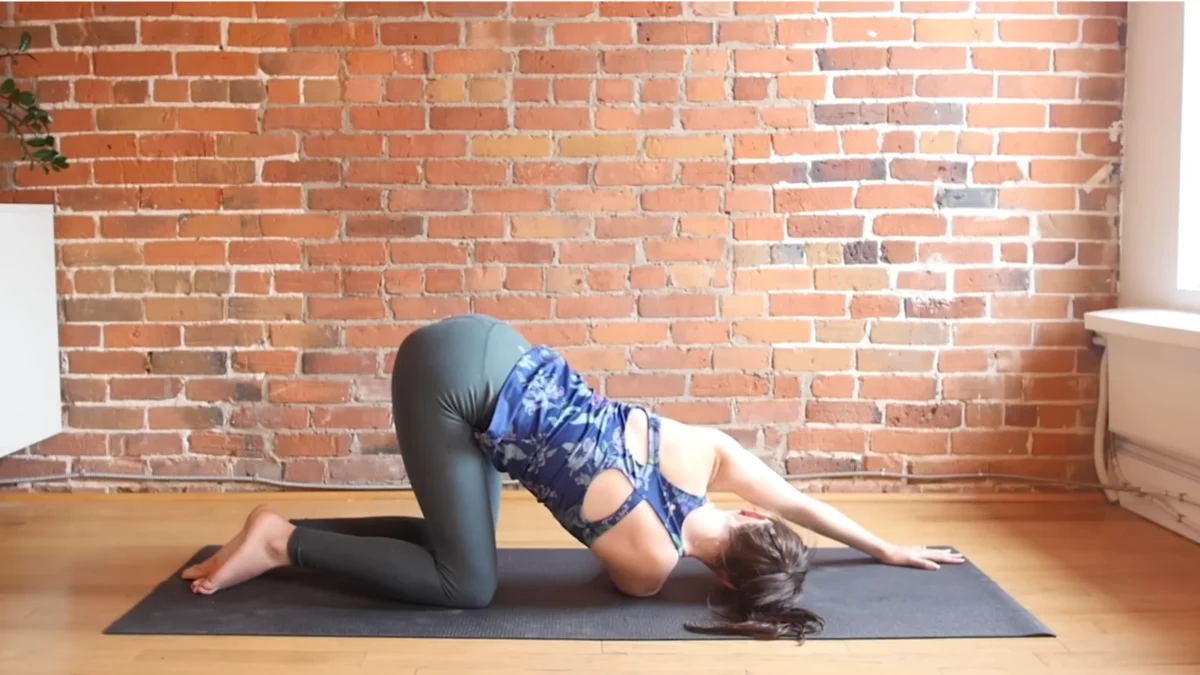
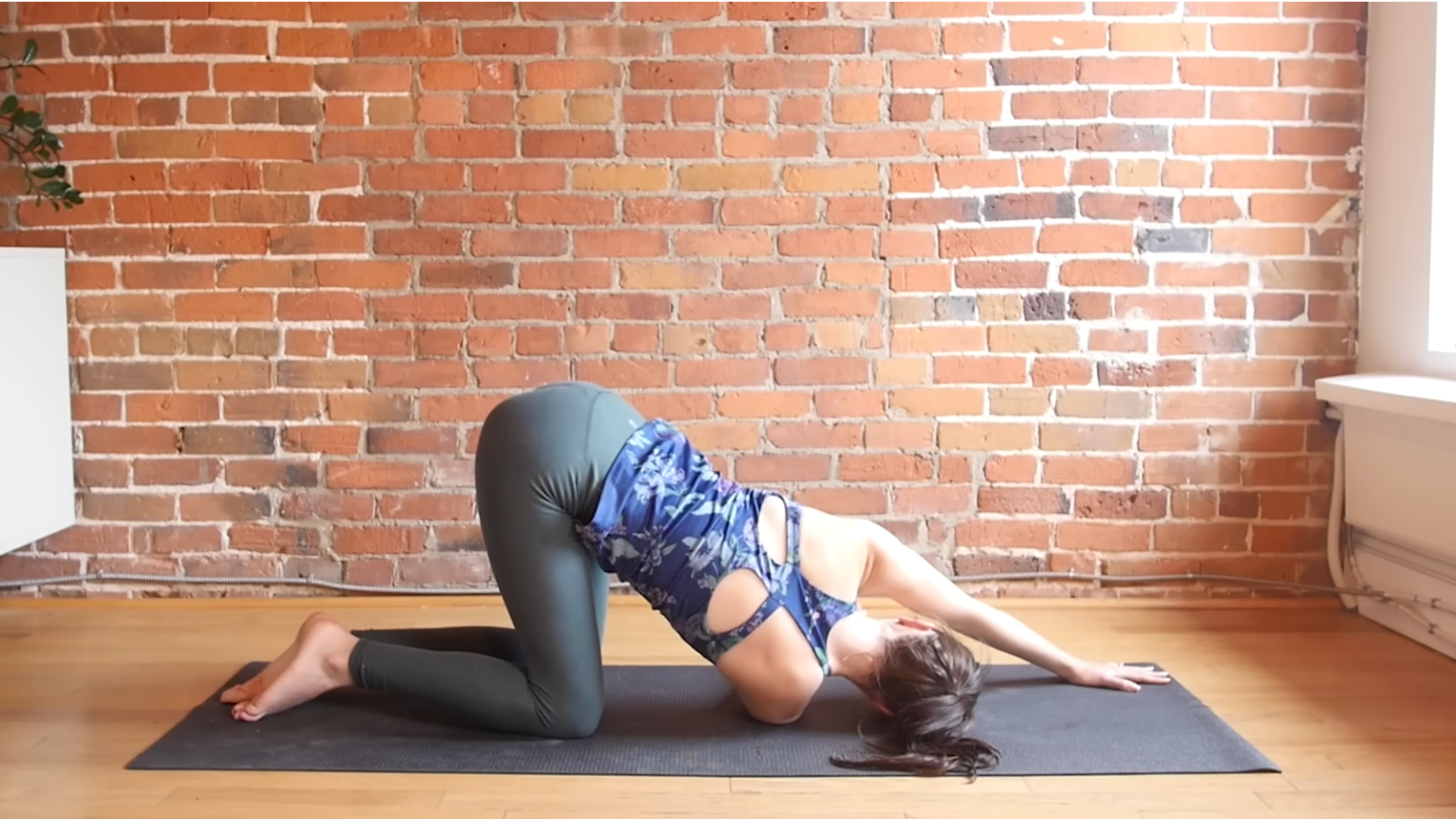
This pose targets the upper back and the space between the shoulder blades. By threading one arm under the other while in a tabletop position, the practitioner achieves a deep thoracic stretch. The focus here is on maintaining level hips while allowing the shoulder to sink toward the floor. This provides relief for those who carry stress in the neck and shoulders, a common side effect of desk-based work.
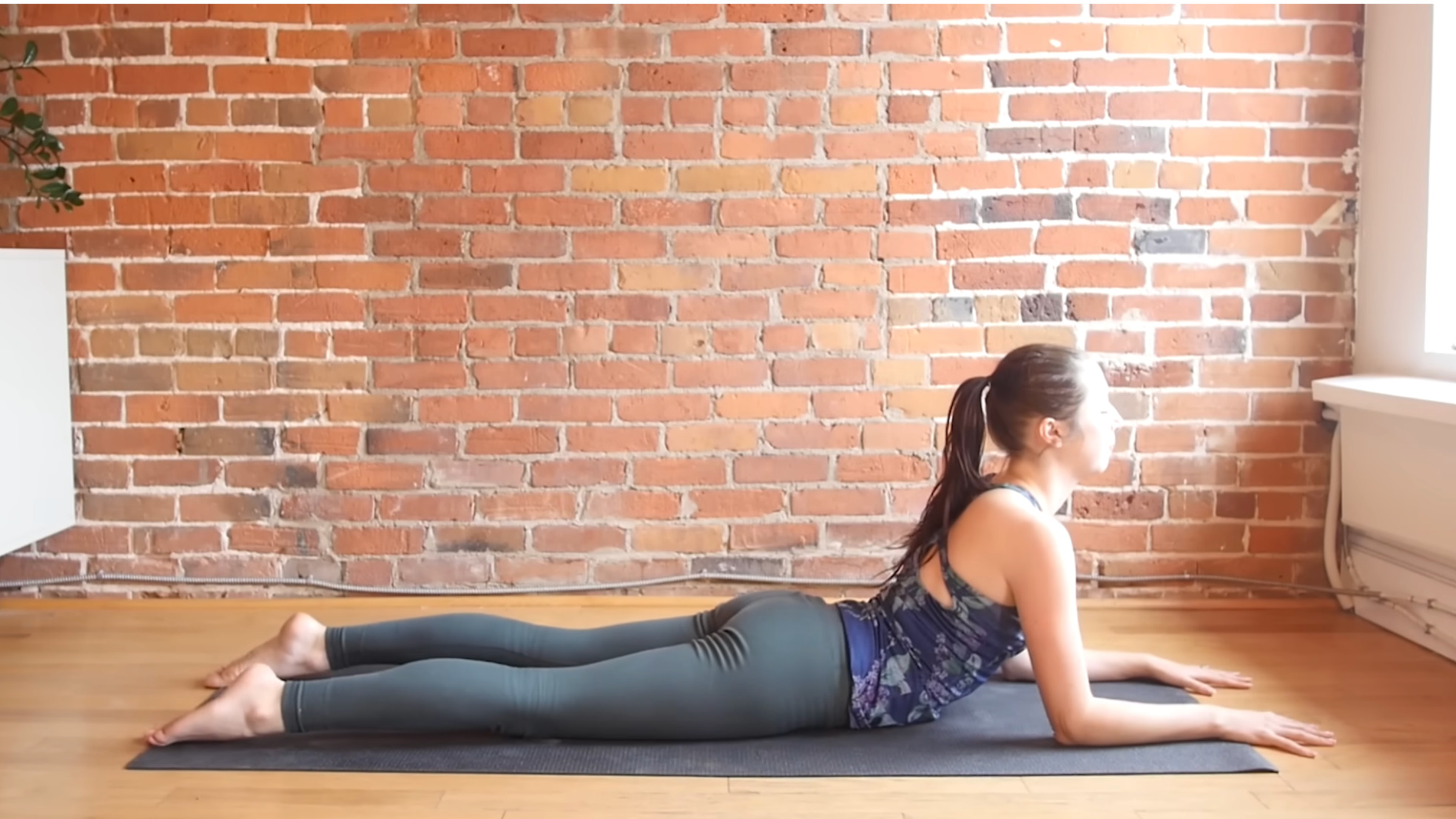
5. Spinal Extension: Sphinx Pose
Moving to the belly, Sphinx Pose offers a gentle backbend. By keeping the forearms on the floor and elbows under the shoulders, students open the chest and lengthen the abdominal muscles. The intensity can be modulated by shifting the forearms, making it a perfect example of a pose that adapts to the practitioner rather than the other way around.
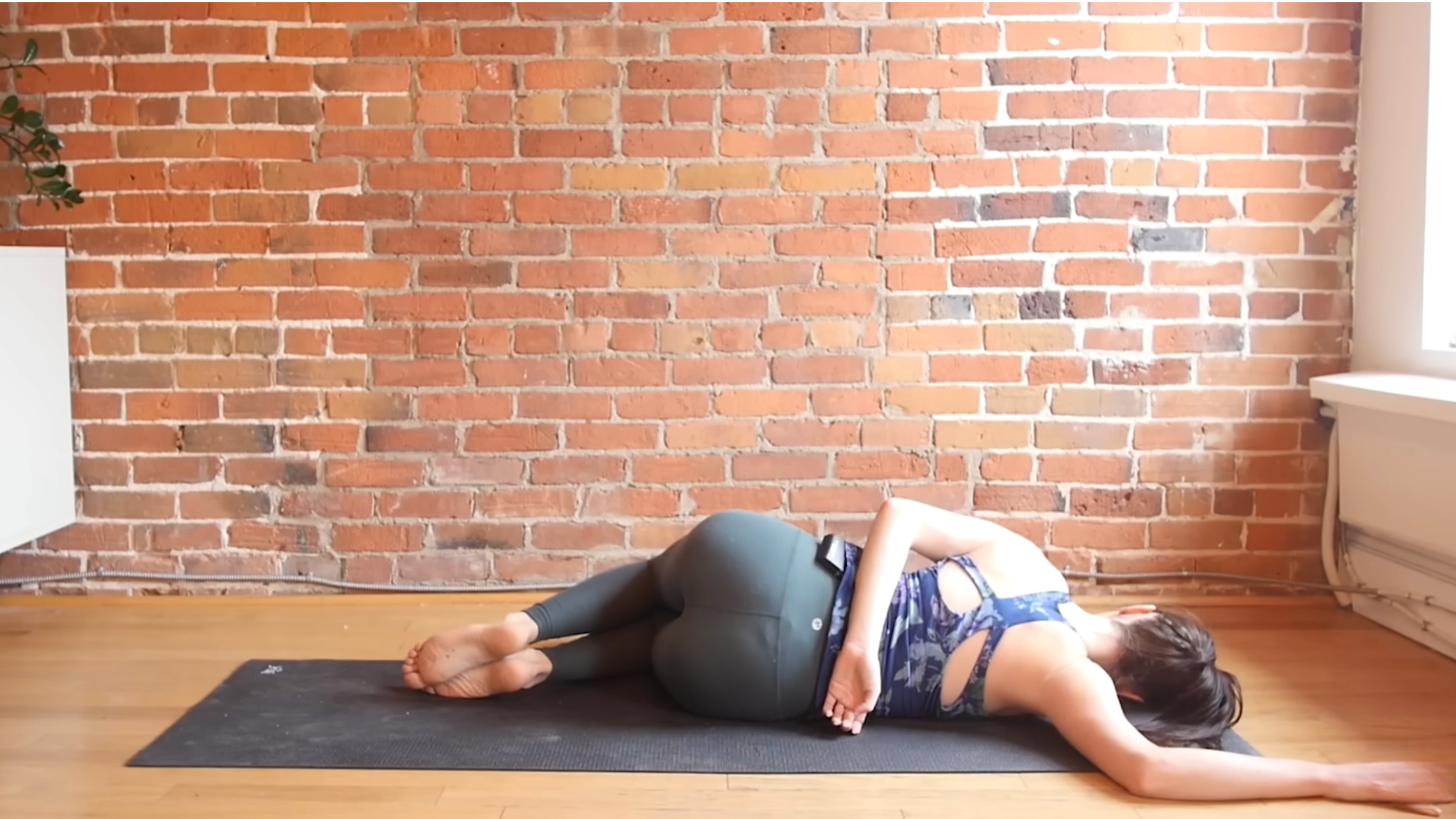
6. Deep Tissue Release: Lying Chest Opener
This pose specifically targets the pectoral muscles and biceps. By lying on the side and extending the arm at a 90-degree angle, the practitioner uses their own body weight to deepen the stretch. It is a highly effective, albeit intense, way to counteract the "hunched" posture often developed throughout the day.
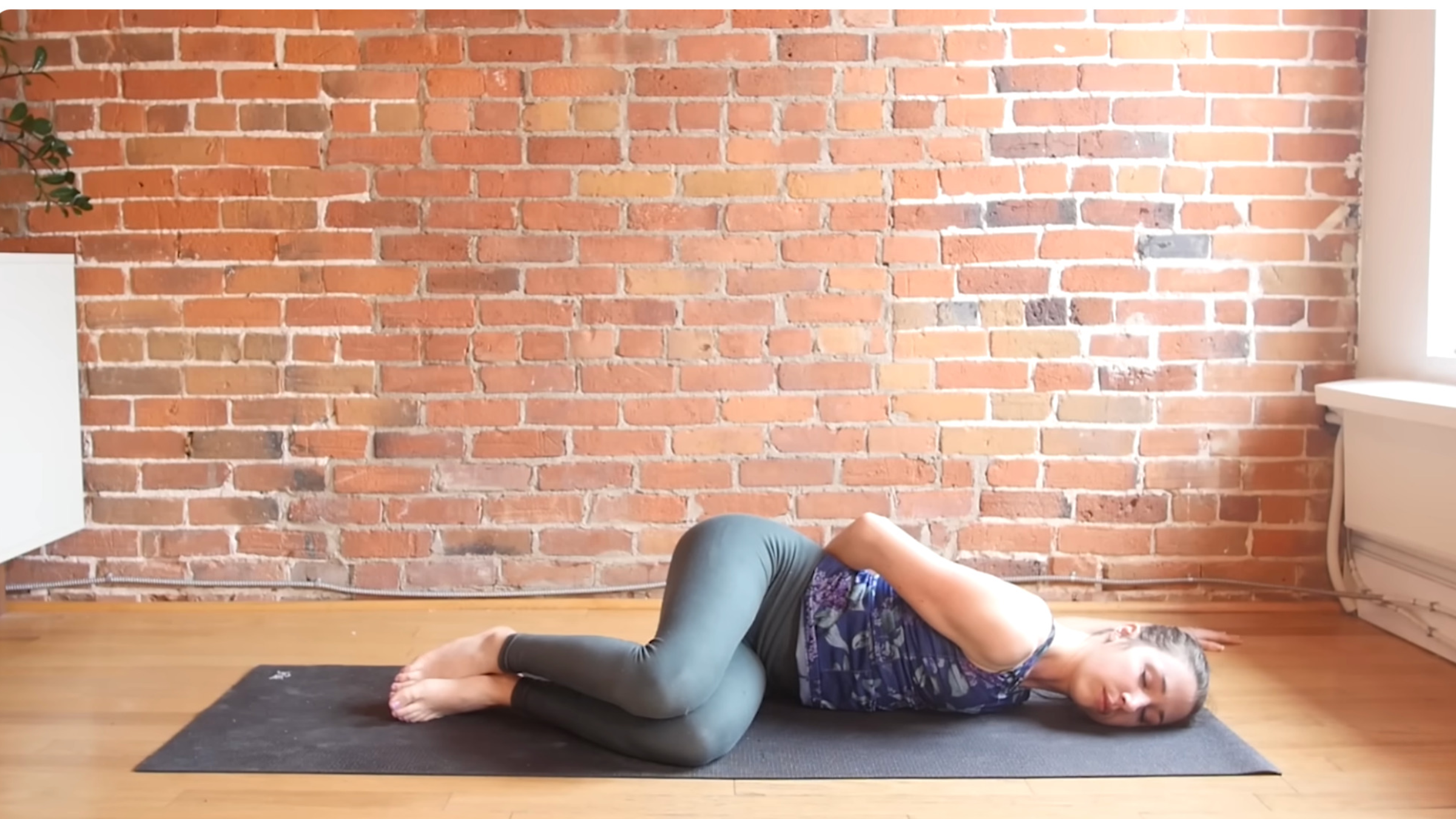
7. Hip and Gluteal Integration: Reclined Pigeon and Shoelace
Rolling onto the back, the sequence addresses the glutes and outer hips. Reclined Pigeon and Reclined Shoelace are performed by crossing the legs while lying flat. This allows the weight of the legs to provide the necessary traction for the stretch, eliminating the need for blocks or straps to support the pelvis.
8. Final Release: Happy Baby and Savasana
The physical portion concludes with Happy Baby, which stretches the inner thighs and low back. Finally, the class ends with a full-length Savasana (Corpse Pose). This is not merely a "resting" pose, but an active integration phase where the body absorbs the benefits of the preceding 55 minutes of deep stretching.
Supporting Data and Physiological Implications
The physiological impact of this practice is rooted in the stimulation of the parasympathetic nervous system. Clinical observation of yin yoga practitioners often shows a significant decrease in cortisol levels following sessions. Because the poses focus on the fascia—the web-like connective tissue surrounding muscles—they are particularly effective for increasing joint mobility.
Without props, the practitioner must rely on their own anatomy to create the shape. While this might seem like a limitation, it actually encourages better proprioception (body awareness). By not relying on a bolster to hold them up, students are forced to find their own internal alignment, which can lead to a more nuanced understanding of their individual structural limitations.
Expert Insight and Official Responses
Yoga With Kassandra, the instructor behind this sequence, notes that the feedback from her online community was the primary catalyst for this project. "Students were requesting a way to get the full, hour-long studio experience without feeling limited by the lack of studio equipment," she explains.
Her approach emphasizes that the "no props" label does not mean "less effective." Instead, it requires the student to be more present. "If you don’t have a block, your arm, your floor, and your breath become your tools," she adds. This shift in perspective transforms the practice from a series of physical shapes into a lesson in adaptability and self-sufficiency.
Implications for Future Wellness Trends
The rise of such high-quality, free, and prop-free digital content signals a shift in the wellness industry. Consumers are moving away from the "commute-and-pay" model of fitness and toward a "curated-home-experience" model.
- Accessibility: By removing the barrier of specialized equipment, this practice becomes accessible to anyone with a small patch of floor space, regardless of their socioeconomic status or geographic location.
- Sustainability: The focus on connective tissue health, rather than caloric expenditure, aligns with a growing trend toward "longevity wellness"—prioritizing mobility and mental health over traditional aerobic exercise.
- Community Integration: Through the YouTube comments section and social media engagement, the "home practice" is no longer a solitary endeavor. It is a connected experience where thousands of practitioners perform the same movements, creating a digital community that transcends physical boundaries.
As we move into late 2026, it is clear that the integration of digital instruction and restorative physical practices like yin yoga is not just a passing trend. It represents a fundamental shift in how we approach self-care, proving that the most profound transformation often happens when we stop moving, drop the equipment, and simply breathe into the stillness of our own homes.