







For decades, the narrative of pediatric oncology has been one of hard-won victory. Advances in chemotherapy, radiation, and surgery have elevated survival rates for many childhood cancers to unprecedented levels. Yet, for all the progress, a sobering reality persists: the “trickle-down” model of oncology—where therapies are developed for adults and subsequently adapted for children—is failing to address the most aggressive, treatment-resistant pediatric malignancies.
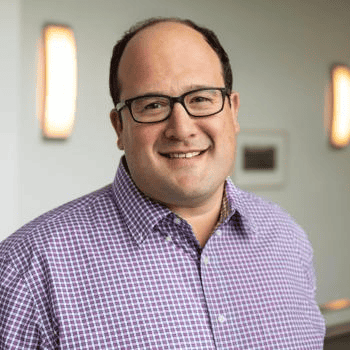
As we observe Childhood Cancer Awareness Month, the scientific community is confronting a fundamental truth: childhood cancer is not merely “cancer in small people.” It is a distinct, biologically complex landscape that demands a bespoke approach to innovation. Leading this charge is Dr. Robbie Majzner, a pediatric oncologist, physician-scientist, and a Cancer Research Institute (CRI) Lloyd J. Old STAR, who is currently redefining how we deploy the human immune system to fight the most elusive pediatric tumors.
Main Facts: The Biological Divergence
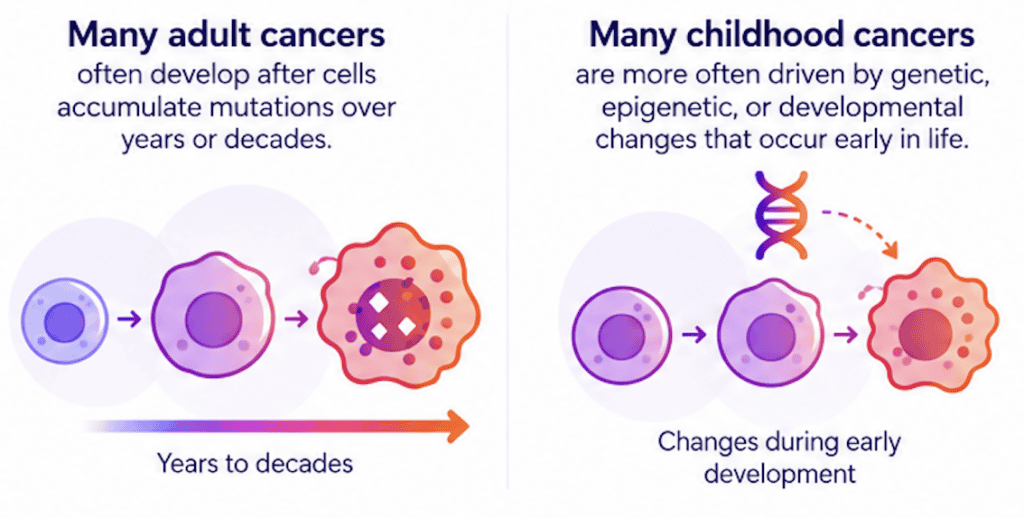
To understand why standard immunotherapies often falter in pediatric patients, one must first look at the biology of the disease itself. Unlike many adult cancers, which are often the result of cumulative environmental exposure and decades of genetic mutations, pediatric cancers are frequently the products of aberrant development.
“Many childhood cancers are essentially a product of developmental pathways going awry,” Dr. Majzner explains. Because these tumors arise from genetic or epigenetic errors during early growth, they often possess a “quiet” mutational profile. In adult oncology, immune checkpoint inhibitors—the blockbuster drugs of the last decade—work by taking the “brakes” off T cells, allowing them to recognize and attack tumors that have many mutations.
In children, however, the tumors often lack these “red flags,” rendering them invisible to the immune system. If a T cell does not recognize the tumor, removing the brakes is a futile exercise. This fundamental difference in immunobiology is why researchers like Dr. Majzner are moving away from passive strategies and toward the active, synthetic engineering of the immune response.
Chronology: The Evolution of Cell Therapy
The journey toward effective pediatric immunotherapy has been a process of iterative discovery:
- Pre-2010s: The era dominated by systemic chemotherapy and radiation. While curative for many, the late effects of these treatments left a generation of survivors managing chronic health issues well into adulthood.
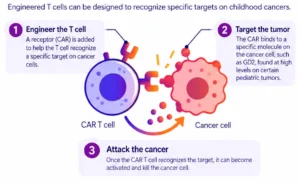
- 2010–2015: The emergence of CAR T-cell therapy in adult clinical trials. This breakthrough proved that T cells could be genetically modified to hunt specific tumor targets.
- 2015–2020: Success stories in pediatric leukemia. CAR T-cell therapy became a viable, life-saving option for specific blood cancers, providing a proof-of-concept for the pediatric population.
- 2020–Present: The pivot to solid tumors. Researchers, including Dr. Majzner, began applying the logic of CAR T-cell therapy to the much more challenging landscape of brain tumors, sarcomas, and kidney tumors.
Supporting Data: Targeting the “Hidden” Enemy
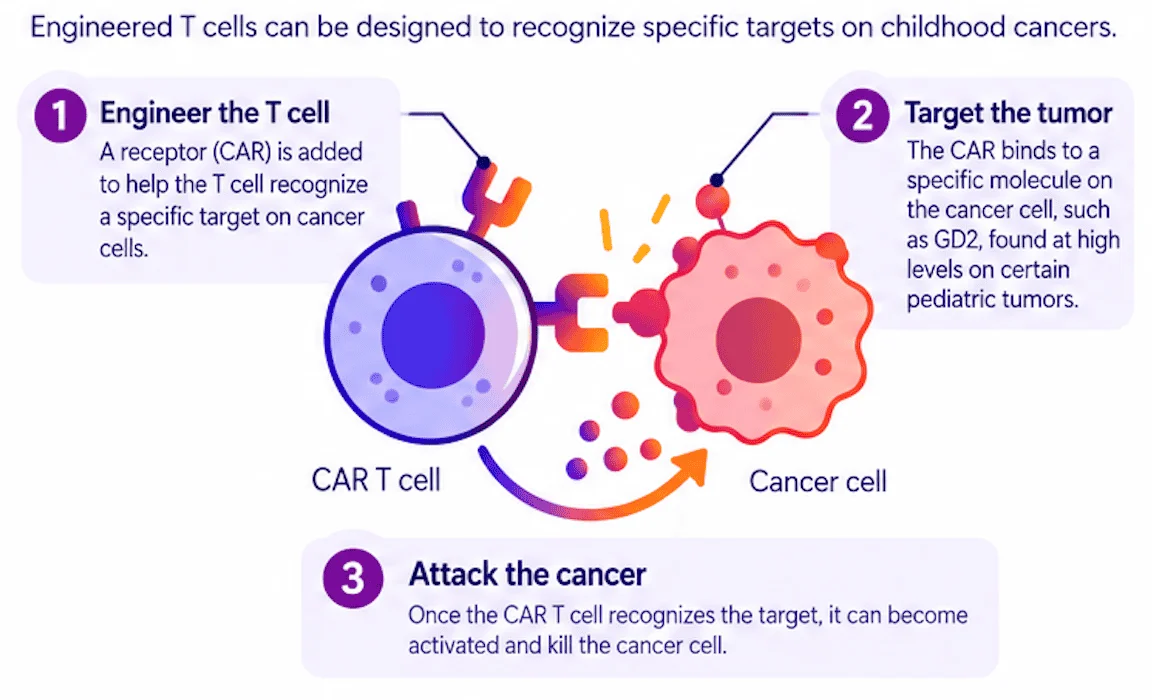
The current focus of the Majzner laboratory centers on a molecule called GD2. Found at high levels on specific pediatric tumors, GD2 serves as a beacon for engineered T cells. During his tenure at Stanford University, Dr. Majzner helped reveal that the underlying biology of diffuse midline glioma (DMG)—a notoriously aggressive pediatric brain tumor—drives the expression of this specific molecule.
The clinical implications are profound. In early trials, patients treated with GD2-targeted CAR T cells have demonstrated remarkable responses, including the reduction of tumor burden and significant improvement in neurological function. This data is not just anecdotal; it represents a shift in paradigm. It suggests that by mapping the unique surface markers of a child’s specific tumor, we can bypass the biological “invisibility” that has historically hindered immunotherapy.
Official Responses and Perspectives
The Cancer Research Institute (CRI) has identified the support of “high-risk, high-reward” research as the cornerstone of its mission. By providing flexible funding through the Lloyd J. Old STAR program, CRI allows researchers to explore the fundamental mechanics of T-cell signaling.
Dr. Majzner emphasizes the importance of this institutional support: “If you just shut down all high-risk ideas, we will never get new technologies.” His team is currently dissecting how CAR T cells “think” and react once they encounter a tumor. By understanding the intracellular signaling pathways, they are designing “next-generation” receptors that are not only more potent but also safer, with a greater ability to distinguish between malignant cells and vital healthy tissue.
The Implications: A New Era of "In Vivo" Engineering
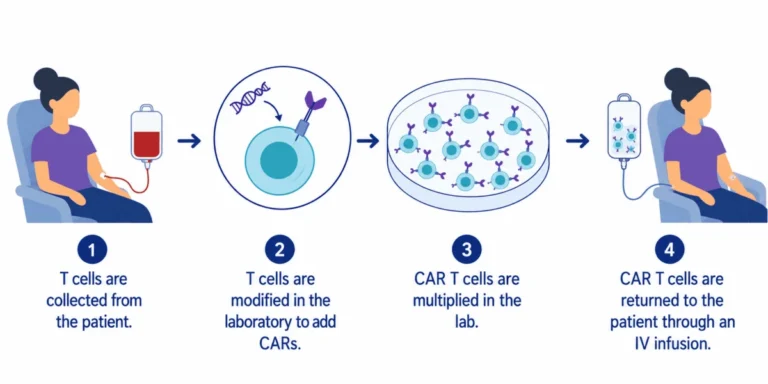
The future of the field is moving toward accessibility and precision. While current CAR T-cell therapy requires the complex, labor-intensive process of harvesting a patient’s T cells and re-engineering them in a laboratory, the next phase of innovation aims to streamline this.
One of the most promising frontiers is in vivo CAR T-cell therapy. This approach would allow for the generation of engineered cells directly inside the patient’s body, potentially eliminating the weeks-long wait for manufacturing and making the treatment available to children whose disease progresses too rapidly for current protocols.
Furthermore, the expansion into antibody-drug conjugates and bispecific antibodies is signaling a more diverse toolkit for pediatric oncologists. The goal is no longer just to ensure survival, but to preserve quality of life. By minimizing the reliance on systemic, high-dose chemotherapy, immunotherapy offers the potential to spare children from the lifelong side effects that have historically plagued pediatric cancer survivors.
Challenges Ahead: The Road to Universal Application
Despite the optimism, the road ahead remains steep. Pediatric cancers are incredibly diverse, with some subtypes affecting only a handful of children globally. This "small patient population" problem creates a market failure in drug development. Without the financial incentive that drives adult cancer research, pediatric innovation relies almost entirely on philanthropy and public research grants.
Additionally, the solid tumor microenvironment remains a formidable fortress. Unlike leukemia, where the cancer cells are floating in the bloodstream, solid tumors are physical masses that often actively exclude immune cells, creating a protective “moat” of immunosuppressive signals. Dr. Majzner’s work in mapping these barriers is vital; his research into how CAR T cells penetrate these masses will likely inform the next decade of clinical trials.
Conclusion: A Moral Imperative
The progress made in the last decade is a testament to the power of targeted, biological research. However, for the families of children still facing difficult diagnoses, the pace of change is never fast enough.
The next chapter in childhood cancer research is defined by a shift in perspective. It is moving away from the “trickle-down” reliance on adult oncology and toward a proactive, design-driven approach that respects the unique biological signatures of pediatric malignancy. As we continue to refine these synthetic immune responses, we move closer to a reality where a cancer diagnosis is not a life-altering event followed by years of toxicity, but a manageable hurdle in a long, healthy life.
The work being done by Dr. Majzner and his colleagues at the forefront of the Cancer Research Institute is not merely about finding a new drug; it is about building a new foundation for pediatric medicine—one that prioritizes the long-term vitality of the child just as much as the eradication of the disease. In this, there is not only scientific rigor but a profound moral imperative to deliver a brighter, healthier future for the next generation.