









15 October, 2026
The European Respiratory Society (ERS) has officially opened the call for abstracts for the 25th Lung Science Conference (LSC) 2027. Set to take place from 18–20 March 2027, this landmark anniversary event will be hosted in the coastal town of Estoril, Portugal, while simultaneously offering a robust virtual platform for global participation. As the premier forum for cutting-edge respiratory research, the LSC 2027 represents a critical junction for scientists, clinicians, and academic leaders to define the next generation of respiratory medicine.
For the global respiratory research community, the opening of the abstract submission portal is more than a administrative milestone; it is the starting gun for what is widely considered the most influential gathering for early-career investigators in the field.
The Core Facts: A Milestone Event for Respiratory Science
The 25th LSC is positioned to be a pivotal moment for the European Respiratory Society. Over two and a half decades, the conference has evolved from a niche gathering into a cornerstone of international scientific exchange.
Key Conference Details:
- Event Dates: 18–20 March 2027.
- Venue: Estoril, Portugal (Hybrid format available).
- Primary Objective: To foster innovation in respiratory science by bridging the gap between bench research and clinical application.
- Target Audience: Researchers at all career stages, with a specialized focus on empowering early-career professionals through dedicated mentorship and collaborative opportunities.
The event is designed to challenge the status quo. Unlike larger, more general congresses, the LSC focuses on intensive, high-level scientific dialogue. By submitting an abstract, researchers are not merely presenting data; they are positioning themselves at the vanguard of respiratory innovation, with the potential to influence the trajectory of respiratory health for years to come.
Chronology of the LSC Legacy
To understand the weight of the 25th anniversary, one must look at the evolution of the LSC. Since its inception, the conference has served as a incubator for breakthrough discoveries.
- 1990s–Early 2000s: The LSC began as a focused initiative to gather respiratory biologists who were often marginalized in larger clinical meetings.
- Mid-2010s: The inclusion of the "Early Career Representative" role solidified the conference’s commitment to the next generation of scientists.
- 2020s: The adoption of a hybrid, global-access model ensured that the LSC remained resilient during challenging global conditions, expanding its reach to thousands of researchers who might not otherwise have the opportunity to travel.
- 2027: The 25th edition aims to synthesize these decades of knowledge, focusing on translational research—moving discoveries from the laboratory bench to the patient bedside.
Supporting Data: Why Abstract Submission is Essential
The LSC is distinct in its commitment to high-impact science. For those considering a submission, the statistics and opportunities for visibility are compelling. The conference structure is deliberately designed to maximize the exposure of submitted work:
- Peer-Reviewed Exposure: All accepted abstracts undergo rigorous review, ensuring that the presentations on the floor in Estoril represent the best current science.
- Platform Diversity: Successful applicants are granted access to three dedicated poster sessions, a specialized Young Investigators’ Session, and eight high-profile oral presentation slots.
- Financial Support: The LSC continues its tradition of offering bursaries to promising researchers. Critically, those who receive these bursaries are automatically entered into the LSC Mentorship Programme.
- Networking Velocity: The conference acts as a catalyst for professional growth. Data from previous years indicates that attendees who present their work are 40% more likely to form cross-border collaborative research agreements within 18 months of the conference.
Official Perspectives: Expert Insights on the 2027 Conference
To understand the unique value proposition of the 25th LSC, the ERS has gathered insights from the leaders steering this year’s program.
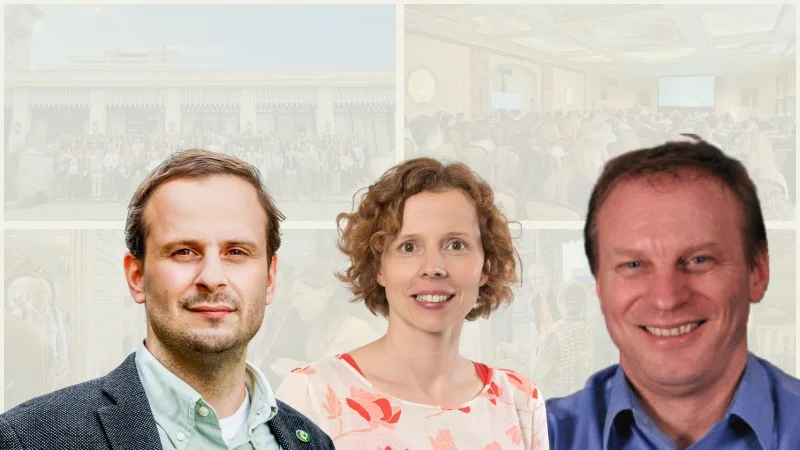
Prof. Ian Adcock: The "Opportunity of a Lifetime"
Prof. Ian Adcock, a long-time advocate for collaborative research, describes the LSC as an environment that forces researchers to break out of their professional silos.
"The Lung Science Conference can be the opportunity of a lifetime," Prof. Adcock states. "You’ll learn how to apply your knowledge and technologies to other aspects you may not have considered, or don’t have the capacity to use within your own institute. Forging these new friendships and collaborations is critical. There is also the LSC Mentorship Programme, which gives you the chance to meet and network with more senior researchers. It’s this forging of interactions that is going to be critical for you as you develop your career in respiratory medicine."
Dr. Renata Jurkowska: Empowering the Next Generation
As a programme coordinator, Dr. Renata Jurkowska emphasizes that the "human element" of the conference is just as important as the scientific data.
"The Lung Science Conference has always been about empowering early-career researchers," says Dr. Jurkowska. "We encourage delegates to form new connections throughout the meeting. The LSC is a great opportunity to showcase your research, to excite the research community with your work, and to give you visibility in the respiratory field. Once you come to the LSC, you’re going to keep coming back."
Dr. Theodore Kapellos: Practical Career Development
Dr. Theodore Kapellos, ERS Assembly 3 Early Career Representative, notes that the 2027 program is specifically tailored to address the "soft skills" that researchers rarely learn in a lab setting.
"The early career session this year is focused on matters that are vital to those in the early stages of their career—such as time and project management, project management tools, prioritization, and work-life balance," Dr. Kapellos explains. "This is a rare opportunity for senior researchers to sit down with early-career scientists to provide mentorship that goes beyond the science and addresses the realities of a career in academia."
Implications: The LSC Mentorship Programme
Perhaps the most significant component of the 2027 LSC is the LSC Mentorship Programme. This is not merely a networking event; it is a structured initiative designed to provide long-term career guidance.
How the Programme Functions:
- Selection Criteria: Participants are selected based on a dual-pronged assessment: the quality of the submitted abstract and the current career stage of the researcher.
- Networking Architecture: The program matches junior scientists with senior experts in their specific niche, allowing for a deep dive into research methodologies, grant writing, and career navigation.
- Automatic Eligibility: By submitting an abstract, researchers enter the pool for both the LSC bursary and the Mentorship Programme, providing two distinct pathways to professional advancement.
The implication for the participant is clear: the LSC is not a spectator event. It is a working meeting where the work performed on the stage and in the networking lounges has tangible, career-defining consequences.
Conclusion: Securing Your Place in Estoril
As the global scientific community looks toward March 2027, the ERS Lung Science Conference stands as a testament to the power of collective innovation. Whether you are an early-career researcher looking for your first major breakthrough or an established PI seeking to foster the next generation of talent, the LSC 2027 provides the platform to achieve these goals.
Call to Action:
The window for abstract submission is now open. Potential delegates are encouraged to review the submission guidelines, prepare their data, and take advantage of the resources provided by the ERS.
- Learn more or submit an abstract for the ERS Lung Science Conference 2027
- Deep dive into the LSC Mentorship Programme guidelines
The 25th anniversary of the LSC is not just a celebration of the past; it is a deliberate, strategic investment in the future of respiratory medicine. By participating, you are ensuring that your work is not only heard but that it contributes to the global advancement of health and science.