









January 20, 2026 – The essential role of the respiratory therapist (RT) in the modern healthcare landscape has never been more prominent. As patient acuity rises and the demand for specialized pulmonary care continues to grow, the dedication of individual practitioners serves as the bedrock of clinical excellence. This week, two distinguished members of the American Association for Respiratory Care (AARC)—Seth Riley, RRT, and Teri Osterhout-Paton, RRT, CPFT, AE-C—have been publicly recognized for their outstanding contributions to patient safety, clinical leadership, and community health.
These recognitions not only highlight the individual achievements of Riley and Osterhout-Paton but also serve as a broader testament to the vital, life-saving work performed daily by respiratory therapists across the nation.
Main Facts: Highlighting Clinical Excellence
The recent accolades awarded to Riley and Osterhout-Paton represent two distinct but equally important facets of the respiratory therapy profession: formal clinical recognition and community-based advocacy.
The PHIL Award: Honoring the Heart of Therapy
Seth Riley, RRT, a respiratory therapist based at Jackson Hospital, was recently honored with the prestigious PHIL Award. Established by the FACES Foundation, the PHIL Award (standing for Pulmonary Health and Illness of the Lungs) is a national program designed specifically to honor respiratory therapists who provide outstanding care and treatment for patients with respiratory illnesses.
The award is unique in the healthcare industry because it acknowledges the "unsung heroes" of the hospital—the RTs who provide the complex, bedside interventions that are often unseen by the public but are essential to survival. By receiving this honor, Riley joins a select group of practitioners who have demonstrated not only technical proficiency with ventilators and airway management but also the profound empathy required to support patients and their families during their most vulnerable moments.
Community Advocacy: The RT as a Local Pillar
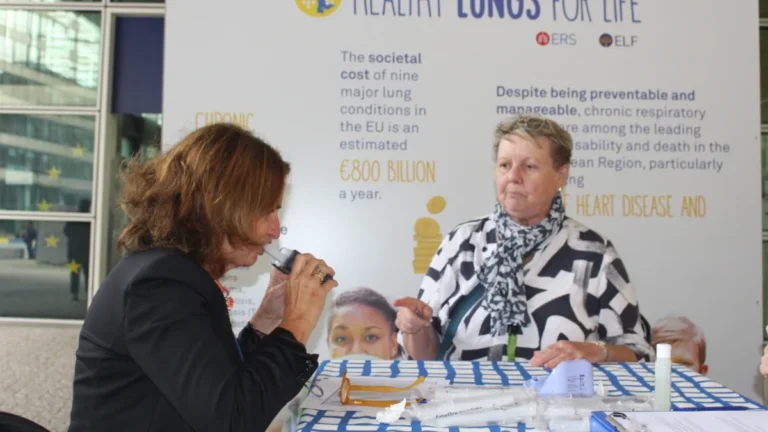
In a different, yet complementary, vein of recognition, Teri Osterhout-Paton, RRT, CPFT, AE-C, was recently profiled in The Mountain Eagle. Working at Margaretville Memorial Hospital, Osterhout-Paton’s recognition emphasizes the RT’s role as an educator and a trusted resource within the community.
As a Certified Pulmonary Function Technologist (CPFT) and a Certified Asthma Educator (AE-C), Osterhout-Paton represents the specialized knowledge required to manage chronic respiratory conditions outside the acute care setting. Her feature underscores the shift in modern medicine toward preventative care and long-term management, where the RT acts as a bridge between the hospital and the patient’s home environment.
Chronology: A Trajectory of Dedication
The journey toward these professional milestones is rarely linear. For both Riley and Osterhout-Paton, these recent honors are the culmination of years of rigorous training, clinical practice, and continuous learning.
- Foundation Building: Both clinicians began by meeting the high educational standards required for RRT (Registered Respiratory Therapist) status, involving years of clinical rotations and the passing of comprehensive national board examinations.
- Specialization Phase: Following their initial certification, both individuals pursued further specialization. Osterhout-Paton’s attainment of the AE-C and CPFT credentials reflects a commitment to mastering the complexities of chronic disease management, such as asthma and COPD, which require specific behavioral coaching and technical precision.
- Impact and Observation: Over the past several years, both RTs moved into roles of significant clinical responsibility. Whether managing high-acuity patients in the ICU (as in the case of Riley) or navigating rural healthcare challenges (as with Osterhout-Paton), their consistent performance led to their respective nominations and features in local and regional media.
- The Recognition Event: January 2026 marks the public celebration of these efforts. For Riley, the PHIL Award ceremony served as a formal validation of his hospital-level care. For Osterhout-Paton, the media feature served as a public "get-to-know-you" campaign, fostering trust between the patient population of Margaretville and their clinical care team.
Supporting Data: The Importance of the RT Role
To understand the weight of these recognitions, one must examine the current landscape of respiratory care. According to the Bureau of Labor Statistics and AARC industry reporting, the demand for respiratory therapists is projected to remain significantly higher than the average for all occupations throughout the next decade.
Data Points in Respiratory Care:
- Clinical Versatility: Today’s RTs manage a spectrum of devices including mechanical ventilators, CPAP/BiPAP machines, aerosolized medications, and arterial blood gas analysis equipment.
- Patient Outcomes: Studies have consistently shown that the presence of a dedicated respiratory therapist in the ICU decreases the duration of mechanical ventilation and reduces the rate of ventilator-associated pneumonia (VAP).
- Chronic Disease Burden: With millions of Americans suffering from chronic respiratory diseases like COPD and asthma, the role of educators like Osterhout-Paton is statistically linked to reduced hospital readmission rates. When patients understand their medication delivery systems and triggers, they are far less likely to require emergency intervention.
The PHIL Award, in particular, recognizes that the "human element" of care—communication, bedside manner, and patient advocacy—is just as important as the clinical data.
Official Responses and Industry Sentiment
The recognition of these two AARC members has sparked positive feedback from peers and leadership within the respiratory community.

"The work being done by Seth Riley and Teri Osterhout-Paton is emblematic of the excellence we strive for in the AARC," said an industry representative. "When a hospital takes the time to nominate an RT for a PHIL Award, or when a local newspaper highlights the expertise of a respiratory therapist, it raises the profile of the entire profession. It tells the public that when you are struggling to breathe, there is a highly skilled, compassionate professional standing at your side."
The FACES Foundation, which oversees the PHIL Award, notes that the award was created precisely because respiratory therapists were historically overlooked in hospital recognition programs. "By honoring people like Seth Riley, we are correcting a systemic oversight and highlighting the critical importance of the respiratory care department in the patient’s journey to recovery," stated a foundation spokesperson.
Implications: The Future of the Profession
The recognition of Riley and Osterhout-Paton carries significant implications for the future of respiratory therapy as a career path.
1. Recruitment and Retention
As the healthcare industry faces staffing shortages, the visibility of successful, honored professionals provides a blueprint for the next generation. Aspiring therapists who see their peers receiving national awards and local media attention are more likely to view the profession as one that offers both professional growth and social prestige.
2. The Shift Toward Value-Based Care
The work of Osterhout-Paton, in particular, highlights the shift toward value-based care. As healthcare systems move away from fee-for-service models and toward outcome-based payments, the role of the RT as an educator and prevention specialist becomes a financial and clinical imperative. Keeping a patient out of the ER through proper asthma management is increasingly recognized as a key performance indicator for hospitals.
3. Advocacy and Professional Identity
The AARC continues to push for legislative and policy changes that recognize the full scope of practice for RTs. Stories like those of Riley and Osterhout-Paton provide the anecdotal evidence necessary for policymakers to understand the real-world impact of these clinicians. When an RT is recognized as a leader, it reinforces the argument that they are essential, autonomous members of the multidisciplinary healthcare team.
The Next Step: Your Journey Begins Here
The stories of Seth Riley and Teri Osterhout-Paton are not just individual successes; they are invitations to others in the field. The American Association for Respiratory Care (AARC) remains committed to supporting RTs at every stage of their careers, from students entering their first clinical rotation to seasoned professionals pursuing advanced certifications.
Whether you are looking to specialize in neonatal care, pursue a path in leadership, or become a community health advocate, the AARC provides the resources, networking opportunities, and professional support needed to excel.
Why Join the AARC?
- Networking: Connect with thousands of dedicated professionals who share your passion for respiratory health.
- Professional Development: Access exclusive webinars, journals, and continuing education credits that keep you at the cutting edge of clinical practice.
- Advocacy: Become part of a collective voice that lobbies for better working conditions, competitive wages, and expanded roles for respiratory therapists nationwide.
The journey of a thousand breaths begins with the first step of professional commitment. As we celebrate the achievements of our members, we invite you to explore how the AARC can help you define your unique path and make a lasting impact on the lives of your patients.
Are you ready to elevate your career? Join the community that honors the science and art of breathing. Visit the AARC website today to learn more about our resources and become part of a movement that is changing the face of respiratory medicine.
For further reading on the achievements of our members, visit the AARC Newsroom for ongoing updates on clinical excellence and professional development in the field of respiratory care.