











For decades, the public health narrative surrounding the rise in childhood obesity has focused on caloric intake and sedentary lifestyles. However, a groundbreaking study published in JAMA Network Open shifts the focus from the plate to the mind. Researchers at the Keck School of Medicine of the University of Southern California (USC) have uncovered evidence that ultra-processed foods (UPFs) may fundamentally alter how a child’s brain responds to temptation, creating a cycle that makes weight management increasingly difficult as children grow.
The study, part of the ongoing longitudinal "BrainChild" project, suggests that the brain’s reward system is not merely a passive observer of dietary habits but an active participant in body composition changes. By combining advanced neuroimaging with long-term health tracking, the research team has provided a potential biological explanation for why diets high in processed foods are so strongly linked to obesity, type 2 diabetes, and cardiovascular disease.
The Ubiquity of Ultra-Processed Foods
To understand the gravity of these findings, one must first recognize the sheer scale of the "UPF" problem. Ultra-processed foods—defined by the NOVA classification system—are industrial formulations that go far beyond simple processing. They include many everyday staples: mass-produced breakfast cereals, packaged breads, instant soups, and snack foods designed for shelf stability and hyper-palatability.
These products are engineered to be convenient and addictive. They are often laden with artificial sweeteners, dyes, stabilizers, and flavor enhancers that are rarely, if ever, used in traditional home cooking. In the United States, these items are not an occasional treat; they constitute approximately 67% of the total caloric intake for children. Because these foods are frequently cheaper and more accessible than fresh produce or whole grains, they have become the default fuel for millions of families, particularly those facing socioeconomic constraints.
A Chronology of the BrainChild Study
The research team, led by Dr. Kathleen A. Page, aimed to catch the development of obesity in its infancy—before the physical markers of the disease became entrenched. The team recruited 46 children between the ages of seven and 10, all of whom maintained a healthy weight at the onset of the study. This "baseline" approach allowed researchers to identify whether certain brain responses served as a precursor to future weight gain.
Phase 1: Mapping the Reward Response
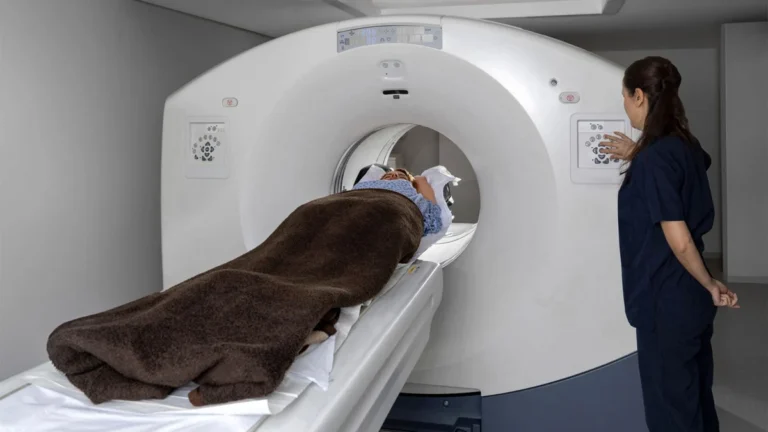
At the beginning of the study, the children underwent magnetic resonance imaging (MRI) scans. While inside the scanner, the children were shown images of highly appetizing, high-calorie foods—such as cookies, French fries, and burgers. The researchers were specifically looking for activity in the dorsal striatum, a brain region critical to reward processing, motivation, and the formation of habits.
Phase 2: Monitoring Physical Changes
Following the initial scans, the researchers conducted comprehensive dietary assessments to determine the children’s regular intake of UPFs. They also recorded baseline physical measurements, including Body Mass Index (BMI), body fat percentage, and waist circumference.
Phase 3: The One-Year Follow-Up
One year later, the participants returned to the laboratory for a follow-up assessment. The researchers measured the children’s physical characteristics again to document any changes. The results revealed a striking correlation: those who had consumed higher levels of ultra-processed foods at the start of the study exhibited a significantly more robust "reward response" in their brains when viewing food images. Furthermore, these same children showed greater increases in BMI and total body fat over the 12-month period.
Supporting Data: Decoding the Neurobiological Link
The statistical strength of the study’s findings provides a compelling case for the role of the brain in weight regulation. When researchers statistically adjusted their analysis to account for the heightened activity in the dorsal striatum, the relationship between ultra-processed food intake and subsequent increases in BMI weakened by 31%. Even more telling, the link between UPF consumption and increased body fat percentage decreased by 44%.
These reductions suggest that the brain’s heightened reward response to food cues acts as a "mediator." In simpler terms: eating processed foods may train the brain to over-respond to food cues, and that over-response, in turn, drives the biological behaviors that lead to weight gain. While the study cannot claim that the food causes the change in brain structure—it is an observational study—it provides a robust framework for understanding the neurobiological underpinnings of obesity.
Official Responses and Expert Perspectives
Dr. Kathleen A. Page, senior author of the study and a professor of medicine and pediatrics at the Keck School of Medicine of USC, emphasizes that the period between seven and 10 years of age is a critical window for intervention.
"Children’s brains are still developing, habits are still forming, and food preferences are still being made," Dr. Page stated. "It’s an important period where the brain is very sensitive to food and the food environment. We’re particularly interested in understanding these processes in children because we believe that intervening early could make a real difference."
Dr. Page and her team are adamant that this is not a matter of "blaming" the child or the parent. The environmental context is a primary driver of these dietary patterns. "Changing the food environment to help people access healthier, more minimally processed foods is an important part of the solution," she noted. She argues that the ubiquity and low cost of UPFs make them the path of least resistance for families under financial or time pressure, necessitating systemic changes rather than just individual willpower.
Future Implications: From Observation to Intervention
The study serves as a call to action for both clinical practice and public health policy. By identifying that the brain’s reward system may be "primed" for overconsumption by UPFs, the researchers have opened the door to new strategies for obesity prevention.
The Path Forward
The research team is already looking toward the next phase: an intervention study. Dr. Page intends to provide children who have high UPF consumption with access to healthier, minimally processed alternatives to observe whether this dietary switch can "calm" the overactive reward system and mitigate weight gain. This prospective, randomized approach will be essential to proving causality.
Meanwhile, the BrainChild study will continue to monitor its cohort of participants as they enter puberty and move toward early adulthood. This long-term tracking will provide invaluable data on how the interplay between nutrition and brain development shapes health trajectories across the lifespan.
Addressing the Limitations
While the results are groundbreaking, the research team is careful to acknowledge the study’s limitations. As an observational study, it demonstrates an association rather than a direct cause-and-effect relationship. It remains possible that children who are predisposed to higher reward sensitivity are naturally drawn to ultra-processed foods, rather than the foods causing the sensitivity. However, the team’s findings suggest a reciprocal, or "vicious cycle," relationship that warrants further investigation.
Conclusion
The JAMA Network Open study offers a sophisticated look at the "hidden" costs of our modern food environment. It suggests that the impact of ultra-processed foods extends far beyond the stomach; it reaches into the neural pathways that define our desires and motivations.
As we move toward a future where nutrition science increasingly considers the brain-gut axis, the message from the USC team is clear: to tackle the obesity epidemic, we must look at how our food environment shapes the developing mind. Protecting the health of future generations will likely require a dual approach—offering families more affordable, whole-food options while recognizing that the "addictive" nature of modern food is a biological challenge that requires policy, environment, and clinical support to overcome.