






3 November, 2026
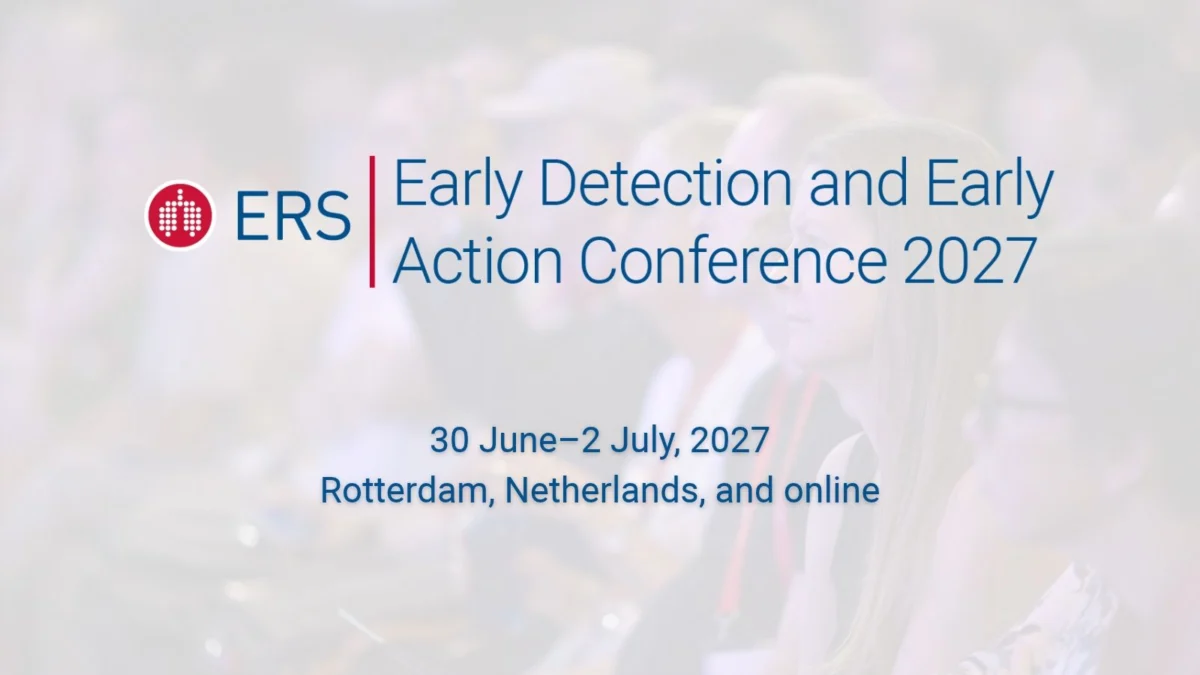
The European Respiratory Society (ERS) has officially announced the launch of a pioneering new initiative in the field of pulmonary medicine: the ERS Early Detection and Early Action Conference. Scheduled to take place from 30 June to 2 July, 2027, in Rotterdam, Netherlands, this hybrid event marks a significant shift in the society’s focus, moving beyond traditional management of advanced respiratory conditions toward the proactive identification and intervention of disease at its earliest possible stage.
As the burden of respiratory illness continues to rise globally, the ERS is positioning this conference as a catalyst for a paradigm shift. By bringing together a diverse multidisciplinary cohort—including clinicians, researchers, public health policy advocates, industry innovators, and patient representatives—the society aims to bridge the gap between bench science and bedside practice.
The Core Mandate: A Shift Toward Proactive Medicine
The fundamental premise of the 2027 conference is that respiratory medicine must evolve from a reactive discipline to a proactive one. The event is designed to address the critical window of opportunity that exists before irreversible lung damage occurs.
Main Facts and Event Logistics
- Event Name: ERS Early Detection and Early Action Conference
- Date: 30 June – 2 July, 2027
- Location: Rotterdam, Netherlands (with a fully integrated virtual participation platform)
- Abstract Submission Deadline: 15 January, 2027
- Early-Bird Registration: Now open
The conference serves as a focal point for the latest scientific breakthroughs, high-tech diagnostic tools, and evidence-based healthcare management strategies. It is designed to tackle the systemic challenges that currently impede the early detection of chronic conditions like COPD, interstitial lung diseases, and lung cancer, while also exploring the logistical hurdles of implementing screening and early intervention programs across diverse European healthcare systems.
Chronology: From Presidential Vision to Global Forum
The genesis of this conference can be traced back to the ERS Presidential Summit held earlier in 2026. That summit served as a strategic high-level discourse on the future of respiratory prevention in Europe, identifying a critical need for a sustained, dedicated platform to address the early-stage disease trajectory.
- Early 2026: The ERS Presidential Summit identifies the urgent necessity for a concentrated, multi-stakeholder approach to early-stage respiratory intervention.
- Late 2026 (Current): Official announcement of the 2027 conference, opening of abstract submissions, and initiation of early-bird registration.
- January 15, 2027: Deadline for scientific abstract submissions.
- June 30 – July 2, 2027: The inaugural conference takes place in Rotterdam.
By formalizing these goals into a recurring, dedicated conference, the ERS is ensuring that the momentum generated during the 2026 summit is transformed into actionable clinical protocols and policy recommendations.
Supporting Data: Why Early Action Matters
The necessity for this conference is underscored by the current global health landscape. Data suggests that respiratory diseases remain among the leading causes of mortality and morbidity worldwide. In many instances, diagnosis occurs only when lung function has been severely compromised, limiting the efficacy of therapeutic interventions.
The ERS has highlighted that the conference will explore four specific areas of focus:
- Diagnostic Innovation: Leveraging Artificial Intelligence (AI), biomarkers, and advanced imaging to identify physiological shifts long before they manifest as clinical symptoms.
- Risk Stratification: Utilizing genetic, environmental, and socio-economic data to identify populations at the highest risk, allowing for targeted screening programs.
- Personalized Intervention: Moving away from "one-size-fits-all" treatments toward precision medicine tailored to the individual patient’s disease profile.
- Implementation Science: Evaluating how to translate clinical trial successes into real-world healthcare policies that provide equitable access to diagnostic services across the European Union and beyond.
The ERS is actively inviting researchers to submit work covering these themes. Specifically, the society is prioritizing research that offers robust evidence on how timely intervention can halt disease progression, thereby improving patient quality of life and reducing the long-term economic burden on healthcare systems.
Official Responses: Insights from Leadership
The leadership team behind this initiative views the conference not merely as an academic exercise, but as a turning point for the respiratory community.
Prof. Joanna Chorostowska-Wynimko, ERS Past President and Co-Chair of the conference, remarked:
"The new ERS Early Detection and Early Action Conference builds on the legacy of the ERS Presidential Summit held earlier in 2026. That summit was essential in mapping out the way forward for the prevention and early detection of respiratory disease in Europe. This conference is the natural next step—it will give delegates the chance to learn from internationally recognised experts and discover the state-of-the-art technologies that are currently transforming the early diagnosis landscape."
Professor Omar Usmani, ERS Science Council Chair and Co-Chair of the conference, added:
"This event adds to our portfolio of ERS translational science conferences, which allow for a deep-dive into specific, high-impact topics. Our goal is to make a tangible, measurable impact on early diagnosis. If we can shift the baseline of when we diagnose these conditions, we can fundamentally alter the prognosis for millions of patients across the continent and beyond."
Implications for the Future of Healthcare
The implications of this conference extend far beyond the walls of the convention center in Rotterdam. The shift toward "early detection and early action" requires a fundamental rethink of how primary care, secondary care, and specialist respiratory services interact.
Overcoming Implementation Barriers
A key component of the conference will be addressing the "implementation gap." Many technologies that show promise in a controlled trial environment fail to reach the clinical frontline due to regulatory hurdles, funding disparities, or lack of physician training. By inviting policy advocates and healthcare managers to the table, the ERS is attempting to dismantle these barriers.
Patient-Centered Outcomes
Ultimately, the success of this initiative will be measured by improved patient outcomes. Earlier diagnosis allows for the implementation of lifestyle modifications, smoking cessation, and pharmacological interventions at a time when they are most effective. By fostering a dialogue that includes patient representatives, the ERS ensures that the focus remains on the human impact of these scientific advancements.
A Call for Scientific Contribution
For the scientific community, this conference represents a premier stage to present findings that could define the next decade of respiratory care. The ERS has emphasized that they are seeking submissions that address:
- Novel screening methods for high-risk cohorts.
- The integration of digital health and wearable technology in monitoring lung health.
- Innovative clinical trial designs that prioritize early-stage patient populations.
- Policy strategies to ensure universal access to early-detection technologies.
Conclusion: A Milestone for the Respiratory Community
As the medical field continues to embrace the potential of precision medicine, the ERS Early Detection and Early Action Conference stands as a flagship event for 2027. By integrating the perspectives of clinicians, scientists, and policy makers, the ERS is setting a new standard for how medical societies can lead the charge in preventative health.
Respiratory professionals, researchers, and healthcare stakeholders are encouraged to visit the ERS website to submit their abstracts before the 15 January deadline and to register early to secure their place at this transformative gathering.
The future of respiratory medicine is not in treating the end-stage; it is in identifying the beginning. In Rotterdam this coming June, the global medical community will begin to define exactly what that future looks like.