








For individuals living with Ehlers-Danlos syndrome (EDS) or Hypermobility Spectrum Disorder (HSD), the most debilitating symptom is often not the joint subluxation, the dysautonomia-induced tachycardia, or the systemic gastrointestinal distress. Instead, it is a secondary, psychological layer of fatigue: the relentless, often subconscious expectation to "perform wellness."
This performance—the art of curating a palatable version of chronic illness for healthy, able-bodied peers—has become a survival mechanism for millions. Yet, as the medical community begins to scrutinize the psychosocial impact of invisible disabilities, it is becoming clear that this constant masking is not merely a social inconvenience; it is a significant contributor to the deterioration of quality of life for those with connective tissue disorders.
The Anatomy of the Performance
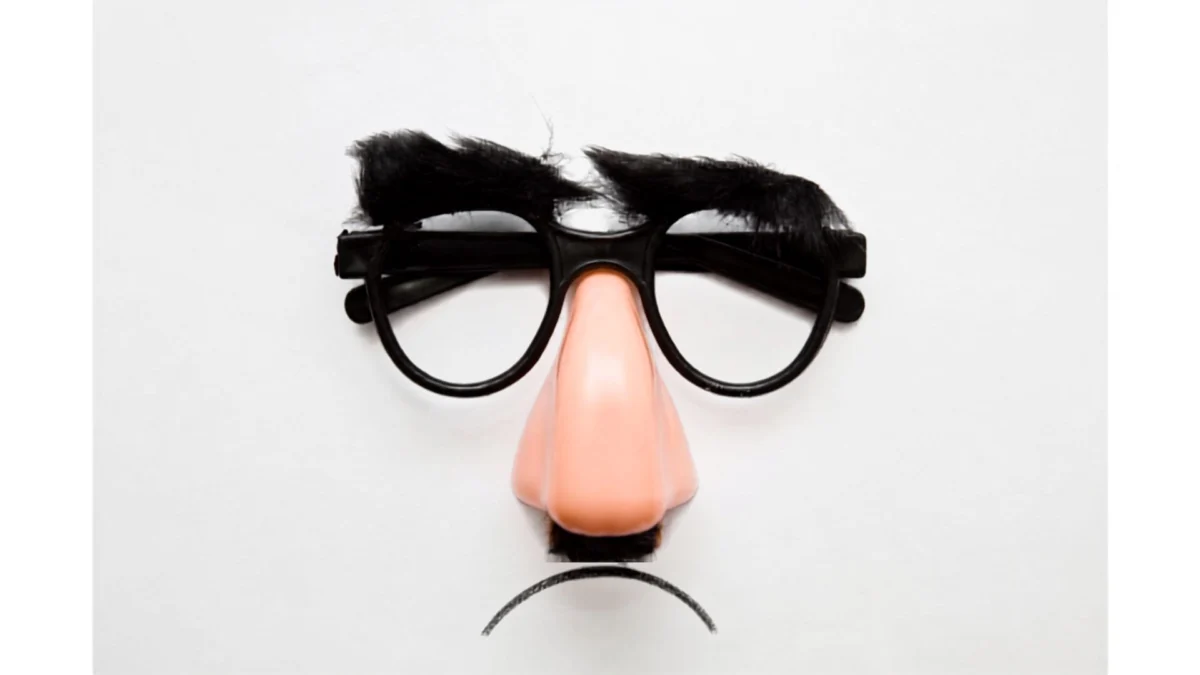
"Performing wellness" is defined as the active effort to hide, mitigate, or downplay the realities of chronic illness to manage the comfort of others. It is a form of emotional labor where the patient acts as a PR manager for their own body.
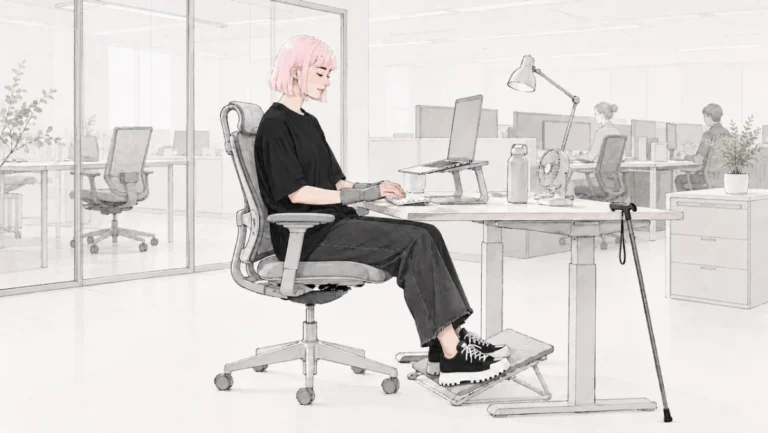
When a person with EDS meets a friend for coffee, they are often not just navigating physical pain; they are calculating how much to disclose. If they are too candid about the severity of their symptoms, they risk being labeled as "dramatic" or "attention-seeking." If they appear too healthy, they face skepticism regarding their need for accommodations, such as modified work hours or the use of mobility aids.
The Narrow Window of "Acceptably Sick"
Societal perception of illness is governed by a restrictive, narrow window. To exist within this space, the patient is often forced into the role of the "inspirational warrior." This archetype is a double-edged sword: it is the only version of illness that society rewards with empathy, yet it is fundamentally dishonest.
The "inspirational warrior" narrative requires a redemptive arc—a story that suggests the patient is "overcoming" their condition through sheer willpower or positivity. This archetype makes healthy audiences feel hopeful and comfortable. Conversely, the mundane, systemic, and relentless reality of EDS—the subluxation that occurs while reaching for a glass of water, the brain fog that makes professional communication impossible, or the chronic fatigue that sleep cannot touch—does not fit the narrative. It is inconvenient, uncomfortable, and, ultimately, rejected by the social status quo.
Chronology: The Evolution of the "Masking" Phenomenon
The concept of "masking" in the context of chronic illness has evolved significantly over the last decade, transitioning from a private survival strategy to a subject of academic inquiry.
- 2015–2018: The Rise of Patient Advocacy. With the explosion of social media, patients with invisible illnesses began sharing their stories. While this fostered community, it also inadvertently created a "highlight reel" culture, where patients felt pressure to share only their "wins" or their most aestheticized medical moments.
- 2020: The Pandemic Pivot. The COVID-19 pandemic forced the general public to confront isolation and health instability, providing a brief window of empathy for the chronically ill. However, as the world moved toward "post-pandemic" normalcy, the pressure for the disabled to "keep up" with a high-functioning society intensified.
- 2024–2026: Institutional Recognition. Leading health organizations, including the Chronic Pain Partners network, have begun formally addressing the psychological toll of "wellness performance," noting that the pressure to mask symptoms is a leading cause of burnout among patients with connective tissue disorders.
Supporting Data and Psychological Implications
The implications of masking are profound. Clinical research suggests that the cognitive load required to manage one’s presentation—constantly monitoring tone, body language, and the "acceptable" level of transparency—depletes the mental resources needed to manage physical pain.
The Cost of Social Capital
For many, "performing wellness" is not a choice but a requirement to maintain social capital. In the workplace, appearing "well" can mean the difference between keeping a job and being labeled a liability. In personal relationships, it can mean the difference between being invited to events and being quietly phased out.
Psychologically, this creates a state of chronic dissonance. The patient is living two lives: the reality of their physiological breakdown and the fiction of their "functioning" self. This dissonance often leads to:
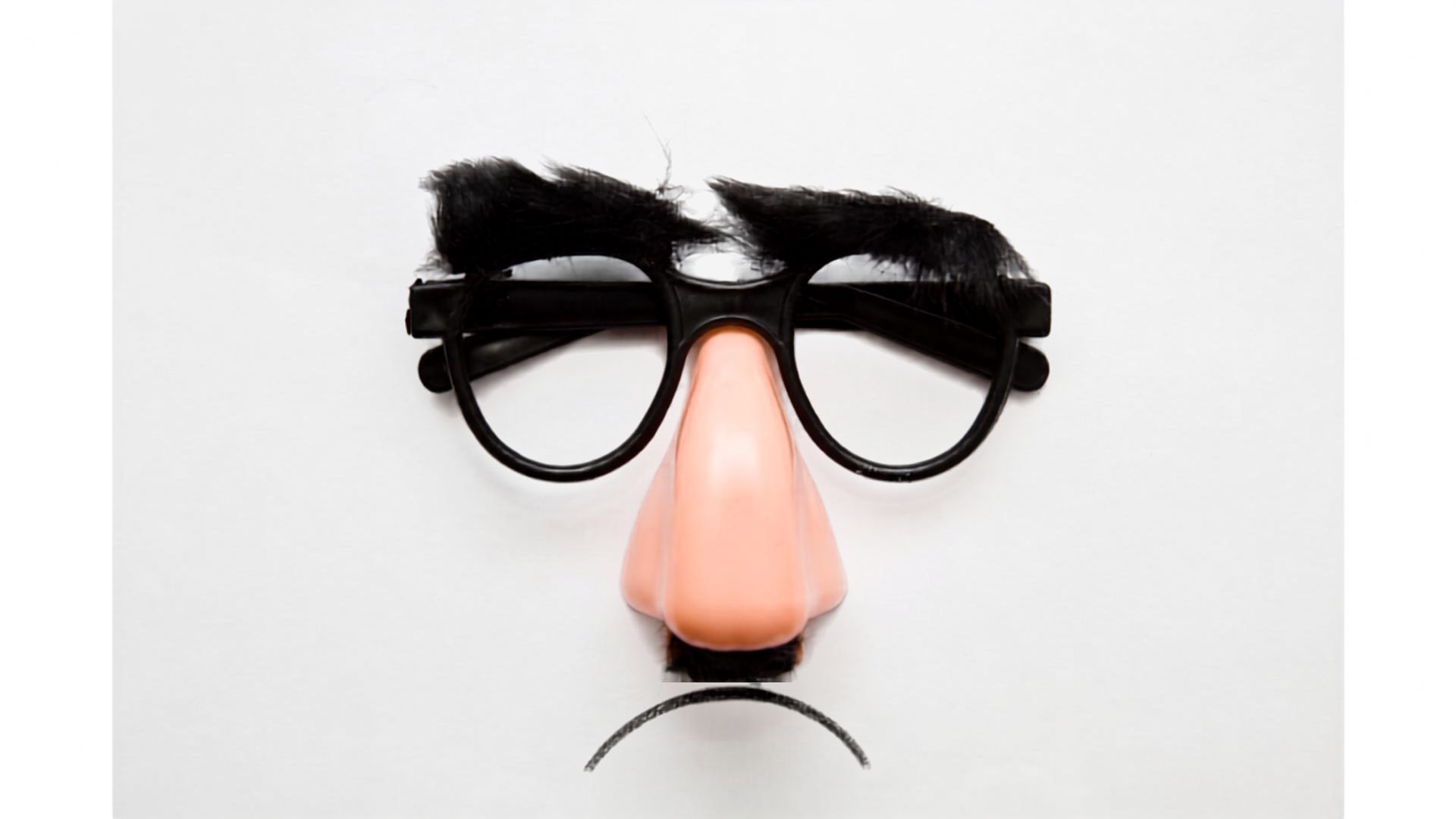
- Identity Fragmentation: The patient begins to feel like an imposter in their own body.
- Delayed Care-Seeking: By masking symptoms to maintain a "well" image, patients may delay reporting new, concerning symptoms to their physicians, fearing they will be perceived as "complaining."
- Burnout: The effort required to maintain the mask inevitably leads to a physical and emotional crash, often resulting in prolonged periods of withdrawal.
Official Perspectives and Medical Context
Medical professionals are increasingly acknowledging that the "invisible" nature of EDS and HSD makes patients particularly vulnerable to the pressure of performance. Because these conditions often lack objective biomarkers that are visible to the casual observer, the patient’s subjective report is the primary diagnostic tool.
When patients are conditioned to minimize their pain in social settings, they often carry that habit into the examination room. Clinicians report that "underselling" symptoms is a common barrier to effective treatment. If a patient is accustomed to telling friends they are "fine" when they are actually in agony, they may inadvertently provide the same minimized feedback to their doctor, leading to undertreatment or misdiagnosis.
Advocacy groups are now urging patients to adopt "radical transparency" within their medical care, emphasizing that the examination room is the one place where the "performance of wellness" must be dropped entirely.
Implications for the Future: A Call for Cultural Change
The systemic pressure to perform wellness is not a problem that can be solved by the individual alone. It requires a fundamental shift in how society views, consumes, and interacts with disability.
Shifting the Narrative
To move beyond this performative culture, society must embrace the "un-inspirational" reality of illness. We must learn to sit with the discomfort of chronic conditions that do not have a "cure" or a "redemptive arc."
- Destigmatizing Needs: Society must stop viewing accommodations—such as working from home or using mobility aids—as optional luxuries. They are fundamental rights that allow for participation.
- Redefining Productivity: We must divorce human worth from constant, high-octane productivity. A person’s value should not be tied to their ability to "show up" in the way an able-bodied person does.
- The Right to Be "Unwell": We must normalize the ability to say "I am not doing well today" without the immediate expectation of a follow-up about when we will be "better."
Conclusion
The "performance of wellness" is a PR problem that the chronic illness community should no longer be forced to solve. By recognizing the difference between genuine resilience—the quiet, internal strength required to live with chronic pain—and the performative resilience forced upon us by social expectations, individuals can begin to reclaim their energy.
Stopping the performance does not cure the dysautonomia or fix the joints. However, it does reclaim the immense amount of mental energy that is currently being squandered on the comfort of others. For the person living with EDS or HSD, the most radical act of self-care is simply allowing themselves to be exactly as they are: sick, tired, and in need, without the requirement of a performance.
Key Takeaways for Patients:
- Identify the Mask: Notice when you are downplaying symptoms for the sake of another person’s comfort.
- Prioritize Truth in Healthcare: Your doctor needs the full, unvarnished truth about your pain levels. Never perform for your physician.
- Protect Your Energy: You are not obligated to be "inspirational." It is okay to be tired and to have bad days that don’t lead to a growth narrative.
- Find Your Community: Surround yourself with people who do not require you to "perform" to earn your place in their lives.
By Tayler Goectau, Clinical Research Coordinator and Disability Advocate. September 2026.