








In a significant advancement for cardiovascular and sleep medicine, Rhythm Express has officially entered the sleep diagnostic space with the launch of RX-1 Sleep. This innovative software-as-a-medical-device (SaMD), which recently secured 510(k) clearance from the U.S. Food and Drug Administration (FDA), represents a pivotal shift in how clinicians approach the management of comorbid conditions. By enabling the concurrent evaluation of sleep-disordered breathing and cardiac arrhythmias, the platform promises to dismantle the silos that have traditionally governed these two critical areas of patient care.
The Convergence of Cardiac and Sleep Health: Main Facts
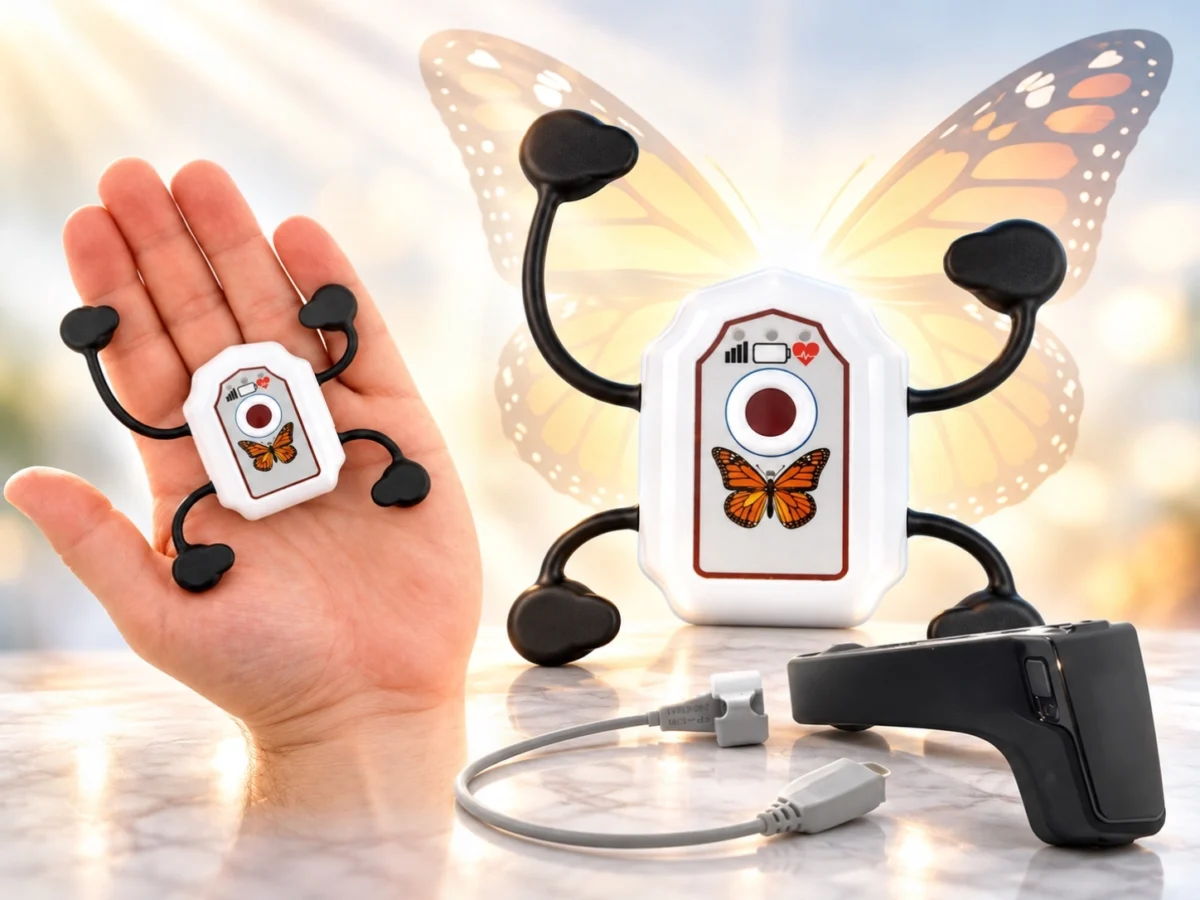
The RX-1 Sleep system is a cloud-based algorithmic solution designed to identify signs of sleep-disordered breathing in adults suspected of suffering from sleep apnea. The system achieves this by integrating data from two FDA-cleared hardware components: the company’s flagship Rhythm Express RX-1 mini cardiac monitoring system and a compatible Viatom pulse oximeter.
The software functions as an intelligent diagnostic layer, synthesizing physiological data to provide clinicians with a comprehensive report. It generates key clinical metrics, including the apnea-hypopnea index (AHI), sleep/wake status, respiratory effort, and patient body position. When prescribed for dual monitoring, the platform allows for the assessment of cardiac arrhythmias—including the tracking of atrial fibrillation (AFib) burden—for up to 30 days, while simultaneously monitoring for sleep-disordered breathing over a three-day period.
This launch is not merely a product expansion; it is a strategic response to a growing body of medical evidence suggesting that cardiac and respiratory health are inextricably linked. By consolidating these assessments, Rhythm Express is positioning its technology as a foundational tool for clinics aiming to provide "whole-patient" care rather than fragmented specialty services.
Chronology of Development and Validation
The journey toward the RX-1 Sleep launch has been characterized by rigorous clinical validation and a steady commitment to regulatory excellence.
- Initial Development Phase: Rhythm Express focused its early efforts on the RX-1 mini, a compact, patient-friendly cardiac monitor designed to improve compliance in long-term rhythm monitoring.
- The Clinical Gap: During the deployment of the mini system, the company identified a recurring clinical challenge: the high prevalence of obstructive sleep apnea (OSA) among patients being monitored for AFib. Industry data often cited the high correlation between the two, yet the diagnostic pathway for each remained cumbersome, often requiring patients to visit separate sleep labs and cardiology clinics.
- Multicenter Validation: To ensure the efficacy of the new algorithm, Rhythm Express conducted a robust multicenter validation study involving 476 polysomnography (PSG) assessments. These studies served as the backbone for their FDA submission, proving that the software could match the performance metrics required for home sleep apnea testing (HSAT).
- FDA Clearance: Following the successful analysis of the multicenter data and a comparative review against existing HSAT devices, the FDA granted 510(k) clearance, confirming that the RX-1 Sleep system met the necessary safety and efficacy standards for medical use in the United States.
- Market Launch: With regulatory hurdles cleared, the company has now moved to full commercialization, offering the system to clinics looking to streamline their diagnostic throughput.
Supporting Data and Clinical Evidence
The value proposition for the RX-1 Sleep system is backed by peer-reviewed research and comparative analysis. Rhythm Express has proactively released documentation comparing their proprietary technology against current industry-standard home sleep apnea testing devices.
Key performance indicators highlighted in these studies include:
- Diagnostic Accuracy: The system demonstrated high sensitivity and specificity in detecting respiratory events compared to gold-standard polysomnography.
- Extended Monitoring Capability: Unlike traditional single-night sleep studies, which can be prone to "first-night effects" (where patients sleep poorly in new environments or with cumbersome equipment), the RX-1 Sleep system supports multi-night testing, providing a more longitudinal view of the patient’s respiratory health.
- Cardiac-Respiratory Correlation: The platform’s ability to overlay cardiac rhythm data with respiratory effort provides physicians with the ability to see if cardiac events—such as episodes of tachycardia or bradycardia—are occurring in temporal proximity to respiratory pauses.
The data suggests that the "connected platform" approach minimizes the variability often found in isolated, one-off testing, offering a more stable and reliable data set for treatment planning.
Official Responses and Clinical Perspectives
The medical community has reacted positively to the integration of these two diagnostic streams. Marina Brockway, founder and chief technology officer of Rhythm Express, emphasized the necessity of this evolution in a recent company statement.
"Clinicians increasingly recognize obstructive sleep apnea as a key modifiable risk factor in managing atrial fibrillation burden," Brockway stated. "By moving toward a platform that addresses these conditions in tandem, we are allowing providers to see the full picture of the patient’s health, rather than just a snapshot of a single organ system."
Dr. Mark Abrams, a cardiac electrophysiologist at CareMount Medical and Optum, echoed these sentiments, highlighting the practical benefits for the physician. "When we evaluate patients with atrial fibrillation, testing for sleep apnea is common to address underlying contributing risk factors," Dr. Abrams noted. "Combining a sleep evaluation alongside cardiac rhythm monitoring allows for expedited diagnosis, evaluation, and management in a more holistic way to optimize patient care. It reduces the administrative burden on the clinic and, more importantly, reduces the time between suspicion of a disorder and the initiation of effective therapy."
Implications for Healthcare Organizations and Patients
The launch of RX-1 Sleep carries profound implications for both healthcare economics and patient outcomes.
For Healthcare Organizations:
- Workflow Efficiency: Clinics can now bundle cardiac and sleep testing into a single prescription cycle. This reduces the number of administrative touchpoints, minimizes the need for coordinating between different departments or external labs, and simplifies billing and data review.
- Reduced Patient Attrition: The "barrier to entry" for sleep testing is often high due to the complexity of traditional in-lab studies. By utilizing a compact, at-home device, clinics are likely to see higher patient compliance rates, leading to more complete datasets and fewer missed diagnoses.
- Improved Clinical Decision Support: With both cardiac and sleep data centralized in a single dashboard, clinicians can make more informed decisions regarding treatment, such as whether a patient’s AFib is triggered by nocturnal hypoxia or if CPAP therapy might reduce the frequency of arrhythmic episodes.
For Patients:
- Convenience and Comfort: The most immediate impact for the patient is the ability to conduct testing in the comfort of their own home. The integration of the mini cardiac monitor and the pulse oximeter minimizes the "wearable footprint," leading to better sleep quality during the testing period.
- Holistic Management: Patients often feel the "ping-pong" effect of being referred from cardiologist to sleep specialist and back again. A unified platform simplifies the experience, ensuring that the patient feels they are receiving a comprehensive care plan that addresses the root causes of their symptoms.
- Faster Time-to-Treatment: By eliminating the wait times associated with traditional sleep lab scheduling, patients can receive a diagnosis and begin therapy—whether it be CPAP, lifestyle changes, or cardiac intervention—significantly faster.
Conclusion: A New Standard for Integrated Diagnostics
The entry of Rhythm Express into the sleep medicine sector is a testament to the industry’s broader move toward integrated, patient-centered technology. As the boundaries between cardiovascular medicine and sleep health continue to blur in clinical practice, the need for tools that can bridge the gap has never been greater.
By securing FDA clearance for the RX-1 Sleep system, Rhythm Express has provided clinicians with a powerful, data-driven instrument to combat the dual challenges of arrhythmias and sleep-disordered breathing. As the platform gains traction in clinical settings across the country, it is expected to set a new benchmark for how effectively technology can simplify complex diagnostic pathways, ultimately leading to better health outcomes for the millions of patients living with these interconnected conditions. The future of medicine lies in connectivity, and with this launch, Rhythm Express has taken a significant step toward that goal.